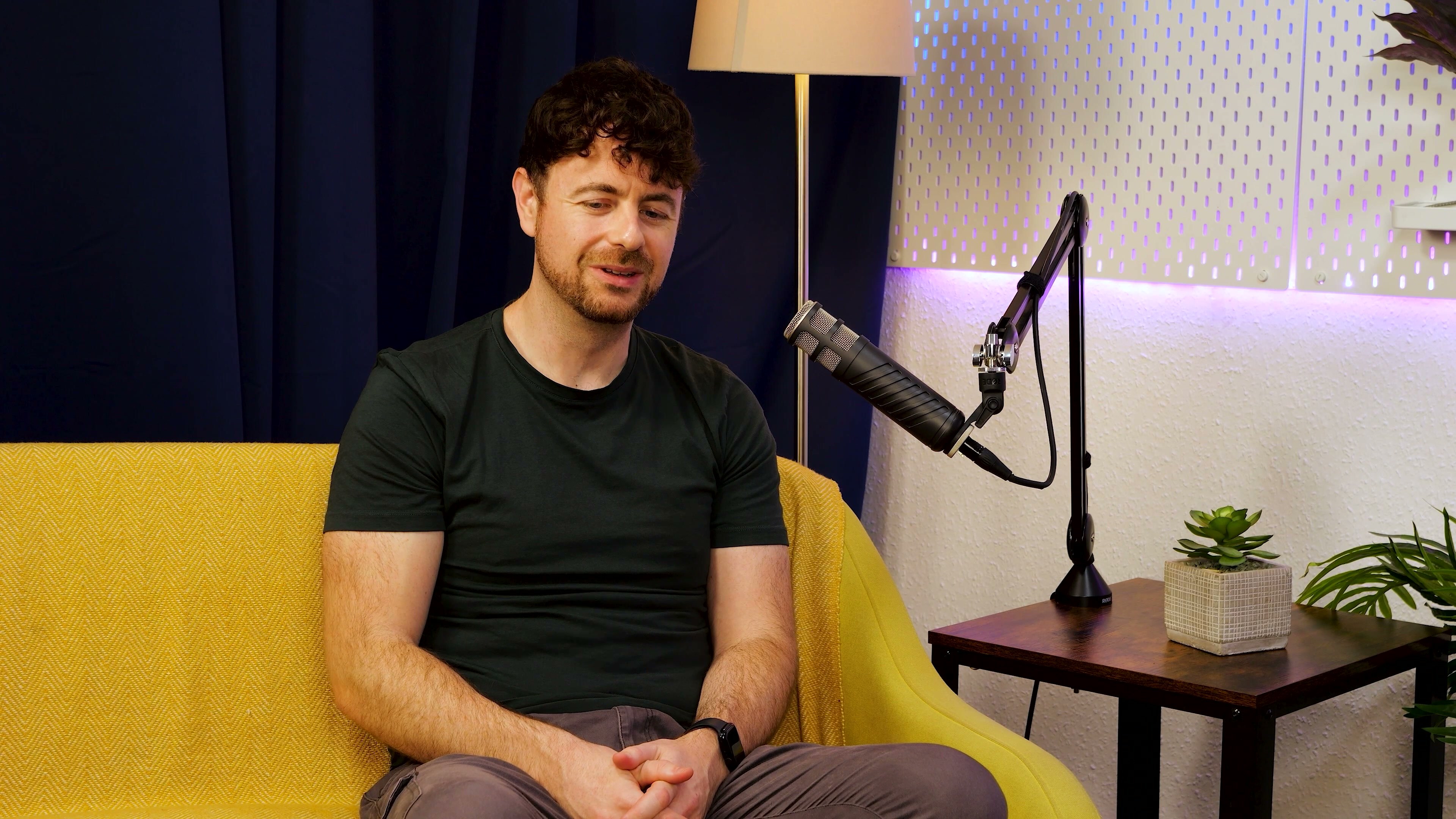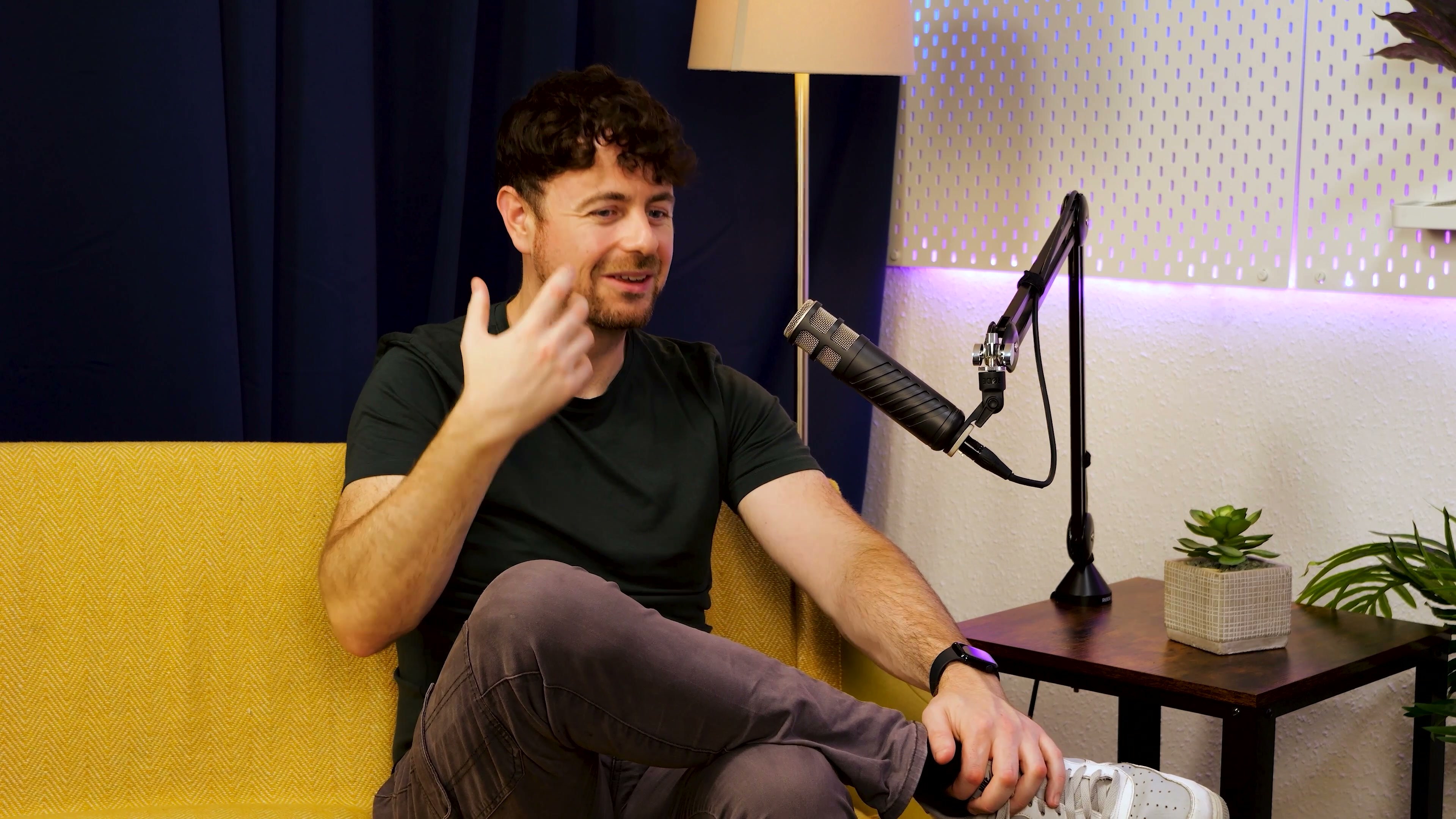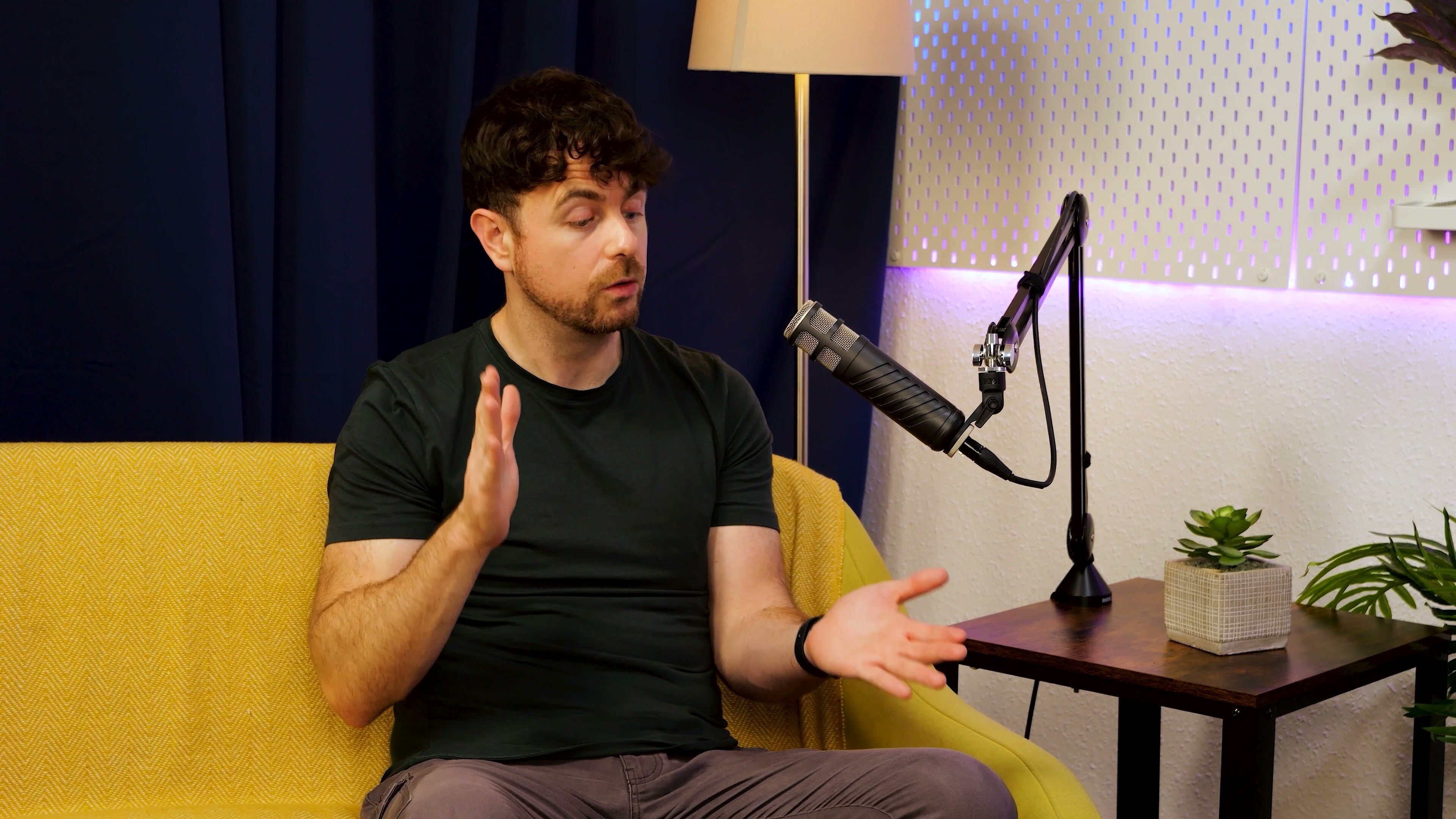
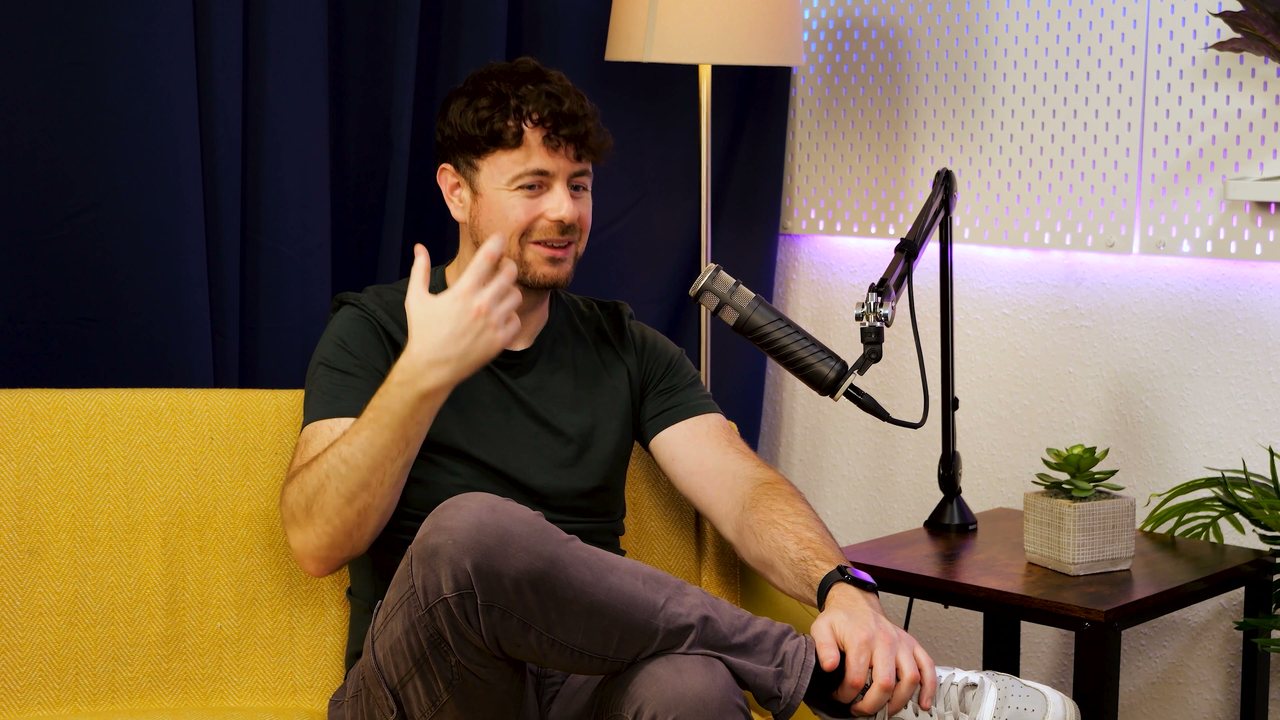
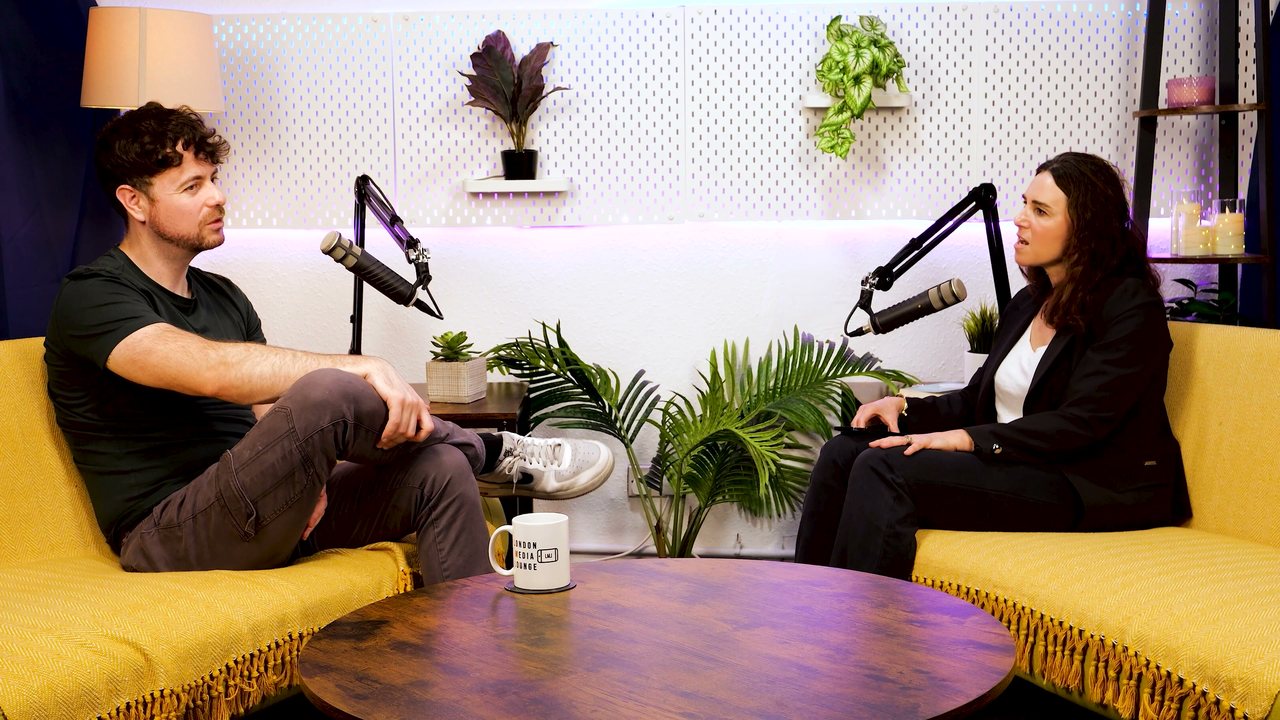
Joshua Fletcher, psychotherapist and author, known as Anxiety Josh
Partner story
Taking anxiety to AI first: what the figures show, and why Joshua Fletcher says fighting panic makes it worse
Joshua Fletcher, psychotherapist and author, known as Anxiety Josh
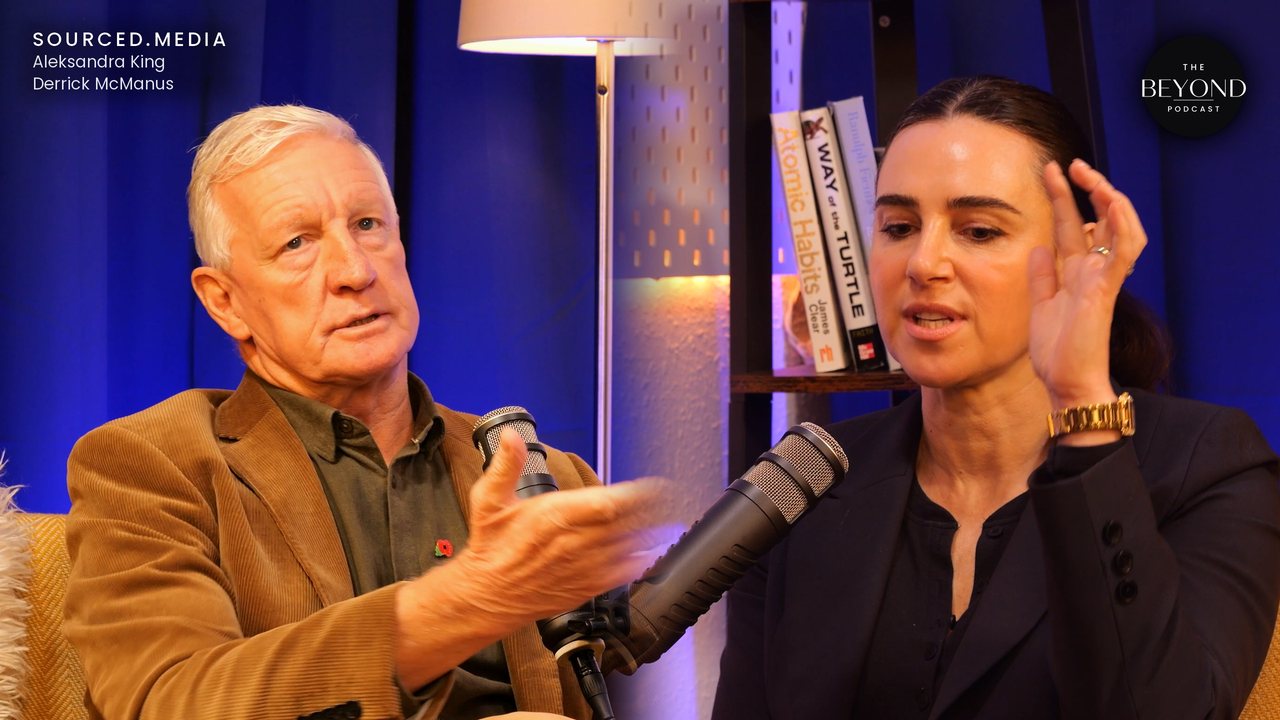
NHS England's national survey found that 22.6% of 16 to 64 year olds had a common mental health condition, the highest of its five surveys since 1993. Separately, surveys published in 2025 and 2026 report people taking anxiety and other mental health questions to AI. Joshua Fletcher, the psychotherapist known as Anxiety Josh, argues that fighting panic makes it worse. He made that argument to Aleksandra King on The BEYOND Podcast, and this feature sets it beside the figures.
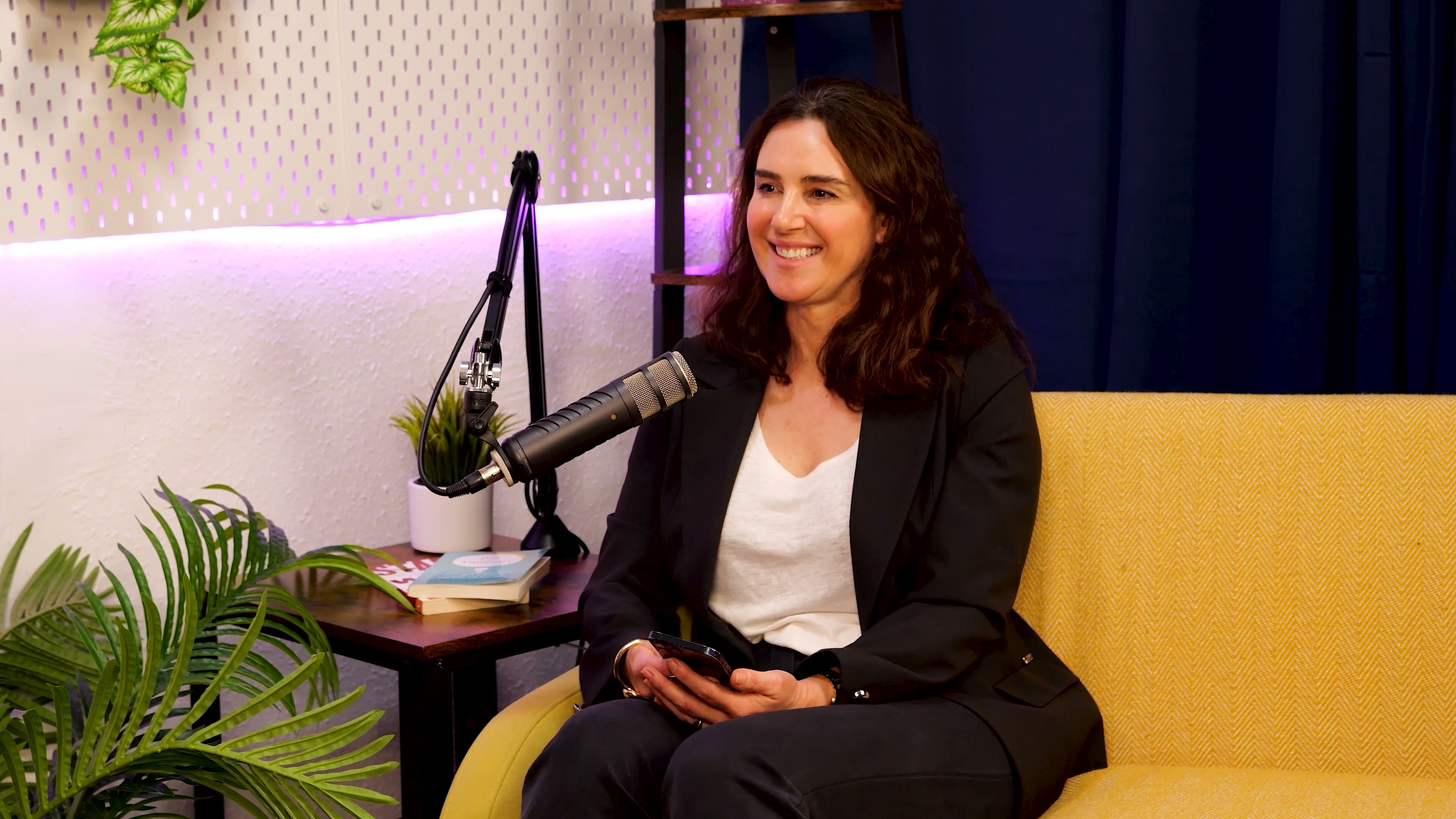
 Aleksandra KingPodcast Host and Producer, The BEYOND Podcast
- Source
- The BEYOND Podcast, hosted by Aleksandra King, with guest Joshua Fletcher
- Full episode
Takeaways
- The national surveyNHS England's Adult Psychiatric Morbidity Survey found that 22.6% of 16 to 64 year olds in England had a common mental health condition in 2023/4, up from 18.9% in 2014.
- Anxiety itselfGeneralised anxiety disorder among 16 to 64 year olds has doubled since the series began, from 4.4% in 1993 to 8.5%.
- How people feelThe Office for National Statistics reported that 33% of adults in Great Britain had high levels of anxiety in February 2026, the same proportion as a year earlier.
- The turn to AIMembers of the British Psychological Society reported a 49% increase, in the last 12 months, in the people they support using AI for mental health related information, advice and support.
- Fletcher's argumentTreating anxiety as something to fix teaches the amygdala that anxiety is still a threat.
- His methodHe says real progress comes when a person gets the credit for anxiety passing, and realises that they are the coping technique.
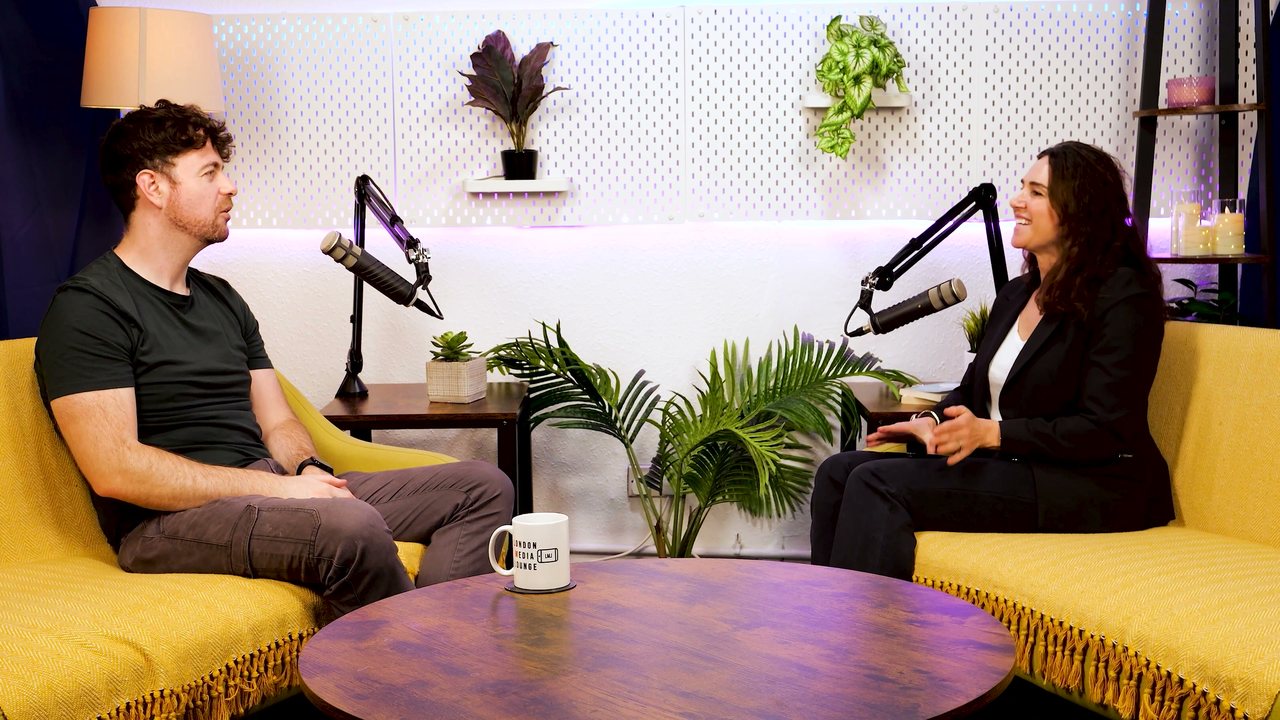
Joshua Fletcher, psychotherapist and author, known as Anxiety Josh, told podcast host Aleksandra King on The BEYOND Podcast about anxiety, panic attacks and why fighting panic makes anxiety worse. Joshua Fletcher's argument on The BEYOND Podcast was that trying to fix anxiety teaches the brain to fear it. The interview was published on 28 January 2026. Separately, the British Psychological Society (opens in a new tab) reported on 29 October 2026 that more of the people its members support are using AI for mental health related information, advice and support.
This feature sets out what the national figures show, what the surveys of AI use found and what the professional bodies have said, each with its source and its date. Fletcher's argument about panic and anxiety follows in his own words, taken from his conversation with Aleksandra King on The BEYOND Podcast and timed to the recording.
The interview does not discuss AI or chatbots, and Fletcher is not quoted here on either. The figures are the work of the bodies named beside them, and none of them is research by The BEYOND Podcast or by Sourced.media.
How high is anxiety in England?
The Adult Psychiatric Morbidity Survey (opens in a new tab) has measured the mental health of adults in England since 1993. The 2023/4 survey is the fifth in the series. NHS England published its first results in June 2025 and further chapters in November 2025, and the work was carried out by the National Centre for Social Research, the University of Leicester and City St George's, University of London.
The survey found that 22.6% of 16 to 64 year olds had a common mental health condition, against 15.5% in 1993, 17.5% in 2000, 17.6% in 2007 and 18.9% in 2014. Generalised anxiety disorder in the same age group has doubled since the series began, from 4.4% in 1993 to 8.5%. Among all adults aged 16 and over, 7.5% met the criteria for generalised anxiety disorder, and among 16 to 24 year olds 25.8% had a common mental health condition.
Severe symptoms rose as well: 11.6% of 16 to 64 year olds scored at the survey's level for severe symptoms, compared with 9.3% in 2014. Sally McManus, one of the lead researchers on the survey, told The Guardian (opens in a new tab) on 26 June 2025 that she did not see the rise as reflecting over-identification or over-reporting, although awareness is greater and stigma is less.
A survey of this kind has to decide where everyday anxiety ends and a condition begins. Aleksandra King asked Fletcher to draw the same line.
You know it's an anxiety disorder when it does start to consume your life and you can't do what non-anxious you would like to do, or you feel like you can't do it.
From the recording
How anxious do people say they feel now?
The Office for National Statistics asks a different question, which is how anxious people felt the day before. In its Opinions and Lifestyle Survey (opens in a new tab) for 4 February to 1 March 2026, released on 20 March 2026, a third of adults in Great Britain (33%) reported high levels of anxiety, the same proportion as a year earlier. The figure was 37% among women and 43% among adults aged 16 to 29.
A second measure from the same office, taken from the Annual Population Survey (opens in a new tab), put the share of UK adults who rated their anxiety the previous day as high at 23.6% in October to December 2025. The two figures come from different surveys, with different populations and periods, and they are not one series. Both record how people say they feel, where the NHS survey counts conditions.
The Opinions and Lifestyle bulletin published on 20 November 2026 asks what issues people think face the country and carries no anxiety figure.
Fletcher starts from the same place as that question, with a response that he says every person has.
Everyone has a threat response.
How many people are taking anxiety to AI?
The British Psychological Society published a survey of its members who provide therapeutic services on 29 October 2026. The 197 respondents, surveyed between 30 July and 31 August 2026, reported a 49% increase in the last 12 months in the people they support using AI for mental health related information, advice and support. Of those respondents, 88% were concerned about AI being used without sufficient clinical oversight, 80% about clients becoming overly reliant on it and 76% about AI negatively affecting client wellbeing.
Surveys of the public give a wide range. Mental Health UK (opens in a new tab) reported on 18 November 2025 that more than one in three UK adults (37%) said they had used an AI chatbot to support their mental health or wellbeing. Most of them (66%) had used a general-purpose chatbot, and their reasons included ease of access (41%) and long waiting times for mental health support (24%). Mind, in polling of 2,019 people (opens in a new tab) across the UK published on 9 July 2026, found that 18% had used AI chatbots to support their mental health in the last 12 months, and that 60% of those had used a chatbot instead of more formal support.
Among children, a survey of 2,000 young people aged 11 to 17 across the UK, for Barnardo's (opens in a new tab) and the National Counselling and Psychotherapy Society, found that 43% had used AI for advice or emotional support. Asked whom they would turn to first with something difficult, 4% chose a chatbot. The findings were published on 23 October 2026.
In the United States, RAND (opens in a new tab) reported on 1 June 2026 that 19.2% of people aged 12 to 21 had used AI chatbots for advice or help when feeling sad, angry, nervous or stressed, up from 13.1% in its earlier survey. A study of 24,132 adolescents in England, published in npj Mental Health Research (opens in a new tab) on 27 October 2026, found that 2.7% had used general-purpose AI for mental health support in the past year. The surveys define AI use and mental health support differently, which explains part of the spread.
None of these surveys is part of Fletcher's interview, which was published before most of them and does not mention AI or chatbots. His subject there is anxiety itself, which he does not treat as an illness in every case.
I think we all get anxiety. It's a normal, healthy human emotion and function within us.
What do the professional bodies say about AI and mental health?
The British Psychological Society's release carries a statement from Rosie Weatherley, information content manager at Mind, who said that people still value human support over AI tools and that this must not be lost sight of.
The British Association for Counselling and Psychotherapy (opens in a new tab) called for clearer regulation of AI in mental health on 23 February 2026, saying that regulation had not yet caught up with the complexity of how these tools are being used. In its own survey of therapists, 28% had noticed clients receiving unhelpful advice from AI tools such as ChatGPT.
The NHS service for anxiety and depression in England is NHS Talking Therapies (opens in a new tab). Its annual report for 2025-26, published on 24 September 2026, recorded 1.81 million referrals, and 50.1% of the referrals that completed a course of treatment moved to recovery.
Aleksandra King's interview was published before these statements. In it she set out her own rule for who speaks about anxiety on The BEYOND Podcast.
For this podcast I will not bring anyone to speak on the subject unless they are fully qualified, trained and expert in that subject, because I can't stand the noise, and people pretending.
 Aleksandra King
Does fighting anxiety make it worse?
Fletcher is a psychotherapist and the author of And How Does That Make You Feel? and Same Time Next Week? (opens in a new tab), which went on sale on 14 May 2026. His argument in the interview is about panic and anxiety.
On his own site, The School of Anxiety (opens in a new tab), he sets out the mechanism through the cognitive model of panic: a sensation is noticed, understood as threatening and met with fear, and that fear can contribute to further sensations, which seem to confirm the original interpretation.
He made the same case to Aleksandra King in plainer terms. The stress jug analogy explains how daily pressures, older burdens and the news accumulate, and the amygdala, he believes, misreads a full jug as danger. People who treat anxiety as something to fix keep irritating something that needs to be left alone, because each attempt to get rid of the feeling teaches the amygdala that anxiety is still a threat.
You are literally fighting an emotion.
He was careful about the limits of the argument. Breathing, mindfulness and a hot bath are things he uses for stress, he said, and the trouble starts when they are used to get rid of anxiety.
From the recording
Watch the full episode
Watch the full episode on YouTube (opens in a new tab): Joshua Fletcher on The BEYOND Podcast · the episode page on the show’s site (opens in a new tab) · The BEYOND Podcast on YouTube (opens in a new tab)
What did Joshua Fletcher tell Aleksandra King about panic attacks?
Part of Fletcher's account is his own history. In his young 20s, after prolonged stress, he experienced dissociation and panic and became agoraphobic, and he describes that period as the first step on his path to being a therapist.
The method he described is exposure therapy. The threat response can only be rewired while it is activated, he said, so the homework is to practise being anxious and to stay; he did his own on the London Underground. The amygdala rewires when it sees that nothing bad happens, and avoidance teaches the opposite.
When you do avoid, you teach the brain that the tube is dangerous.
Read the answer: Why does avoiding things make anxiety worse?
Watch this moment43:25 (opens in a new tab)Clients who tell him they are having a panic attack and ask what to do are told to do nothing, because it will pass.
Real progress with anxiety and anxiety disorders occurs when you get the credit for anxiety passing, because you then realise you're the coping technique.
Read the answer: What should you do during a panic attack?
Watch this moment30:39 (opens in a new tab)He applied the same reasoning to self-optimisation, the wellness culture of supplements, watches and rings, which he said signals to a person many times a day that they are not enough.
Social media and the wellness sphere and podcasts and all this stuff are just bombarded with, here's 50 things you can do to get rid of a feeling.
Where can the interview be watched?
The full interview, Joshua Fletcher: Why Fighting Panic Makes Anxiety Worse (opens in a new tab), runs for 61 minutes on The BEYOND Podcast's YouTube channel (opens in a new tab). The episode page on Sourced.media carries the full transcript, the channel's chapters with their times and the insights from the interview, each with its question and its moment in the recording.
Fletcher also hosts the Disordered podcast with Drew Linsalata, where the two therapists talk about their own experience of anxiety and the evidence-based approaches to it.
One thing I say in my practice all the time, all feelings are welcome.
Anyone who needs urgent help for their mental health can call NHS 111 (opens in a new tab) and select the mental health option, and Samaritans (opens in a new tab) can be called free on 116 123, day or night.
From the recording
Insights from the episode
How did Joshua Fletcher's panic attacks begin?
Joshua Fletcher says dissociation and panic after prolonged stress in his young 20s made him agoraphobic, and that this was the first step on his path to being a therapist.
What does a panic attack actually feel like?
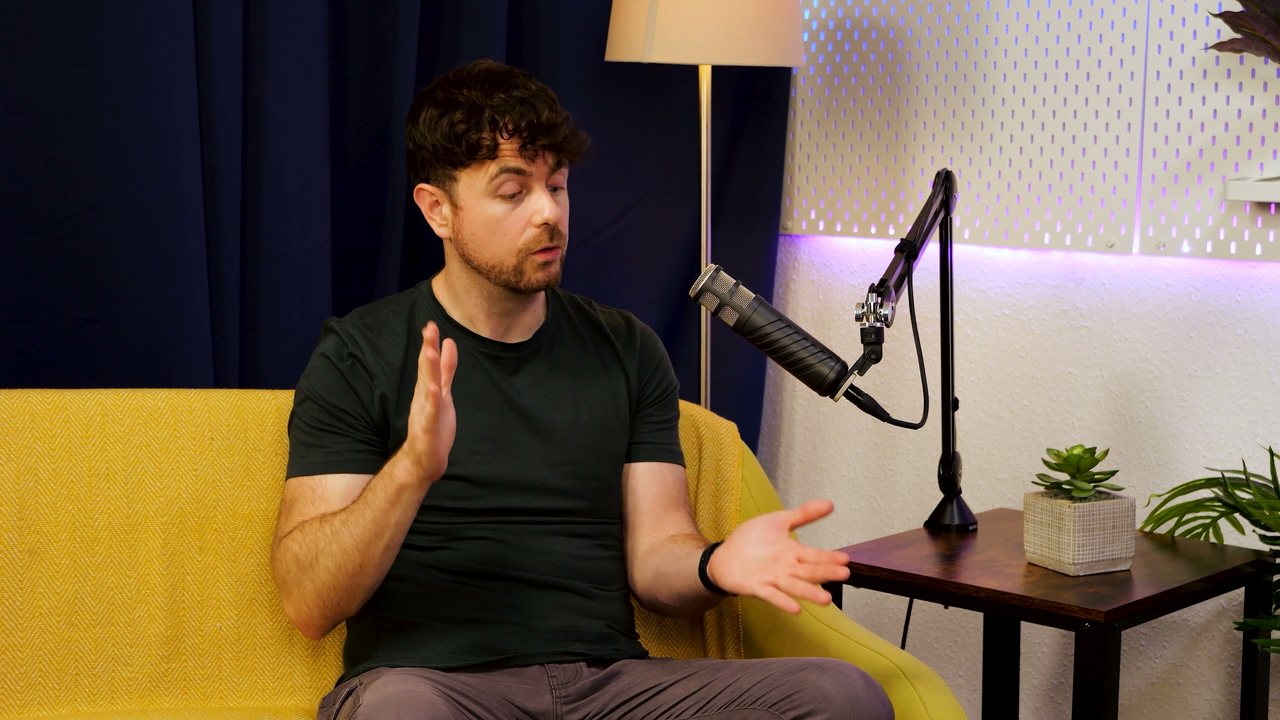
Joshua Fletcher says a panic attack makes a person doubt their safety, because the threat response fires at full strength in a situation that usually doesn't merit it.
When does everyday anxiety become an anxiety disorder?
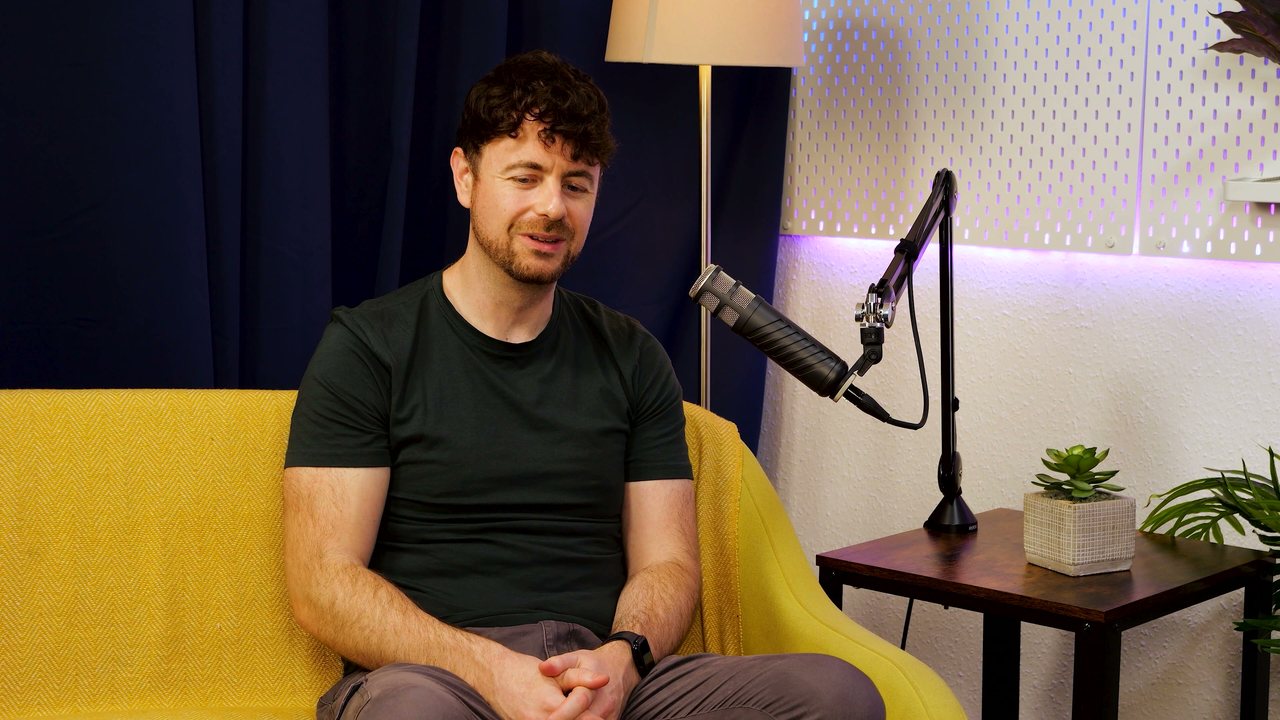
Joshua Fletcher says everyday anxiety usually switches off once its cause has passed, while an anxiety disorder is like an endless loop because it doesn't have a resolution.
Does everyone have anxiety?
Joshua Fletcher says everyone has anxiety because everyone has a threat response, whether a person reacts with fight, flight, freeze or fawn.
What is the stress jug analogy?
Joshua Fletcher says the stress jug is a borrowed analogy for how daily pressures and older burdens can fill up and create disordered anxiety.
What does the amygdala actually do?
Joshua Fletcher says the amygdala creates doubt that makes people look for danger, so anxiety is part of the reason humans are here and not just a bad thing.
What is rumination and how do you stop ruminating?
Joshua Fletcher says ruminating is engaging with a what-if thought as though it were true, and that people still have agency over where they put their attention.
Does fighting anxiety make it worse?
Joshua Fletcher says treating anxiety as something to fix is counterproductive, because it teaches the amygdala that anxiety is still a threat.
What should you do during a panic attack?
Joshua Fletcher says real progress with anxiety occurs when a person gets the credit for anxiety passing, because they then realise they are the coping technique.
What is mindfulness actually for?
Joshua Fletcher says mindfulness is not a way to clear the head and be calm; it is observing the present without judgement, which shows that thoughts are just thoughts.
How does exposure therapy rewire the brain?
Joshua Fletcher says exposure therapy means practising being anxious and staying put, so the amygdala rewires when it sees that nothing bad happens.
Why does avoiding things make anxiety worse?
Joshua Fletcher says avoiding the tube teaches the brain that the tube is dangerous, when it is not dangerous, just uncomfortable.
Is anxiety a personality flaw?
Joshua Fletcher says anxiety is common and human and not a flaw in a person, and that the brain is neuroplastic and can be rewired.
Is self-optimisation culture fuelling anxiety?
Joshua Fletcher says the wider conversation about mental health and wellness has brought a commodification, in which quick fixes and cures are often sold through fear.
Why does wellness culture make people anxious?
Joshua Fletcher says self-optimisation culture infantilises adults by selling what they already know, and that with anxious people he sometimes focuses on what they are doing right.
What is Joshua Fletcher's podcast called?
Joshua Fletcher says his podcast Disordered, made with another therapy colleague, covers lived experience of anxiety and evidence-based approaches to anxiety disorders.
About Joshua Fletcher
Joshua Fletcher is a psychotherapist and author, known as Anxiety Josh. His site is The School of Anxiety, and he hosts the Disordered podcast with Drew Linsalata.
He is the author of And How Does That Make You Feel? and Same Time Next Week?, both published by Orion Spring.
The BEYOND Podcast and Aleksandra King
The BEYOND Podcast is a video interview podcast hosted and produced by Aleksandra King. The full episode is on YouTube, and the show's own site carries the episode page.
King's method in this episode is to stand in for the audience. She brings her own examples, a maths exam, a stopped tube train and thoughts that wake her in the small hours, and asks Fletcher to explain each one.
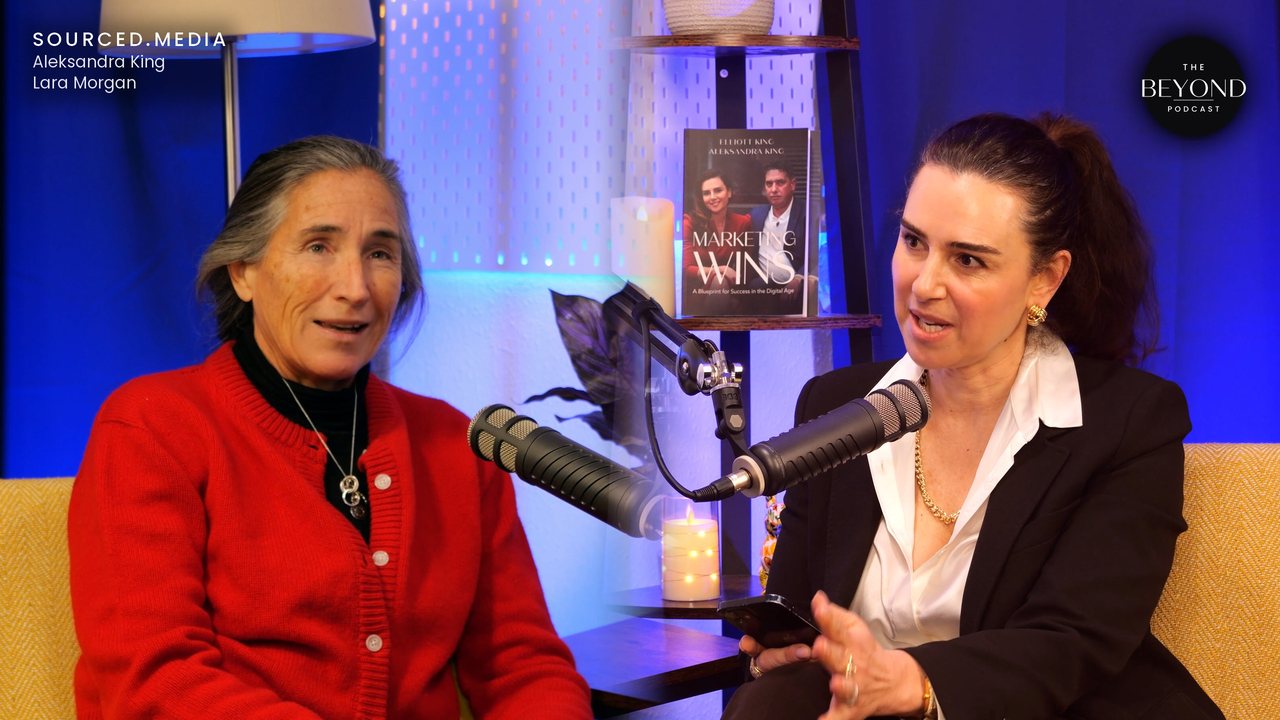
Aleksandra King, host and producer of The BEYOND Podcast and co-author, with Elliott King (opens in a new tab), of Marketing Wins (opens in a new tab).
Cite this page “Taking anxiety to AI first: what the figures show, and why Joshua Fletcher says fighting panic makes it worse”. Joshua Fletcher, psychotherapist and author, known as Anxiety Josh, in conversation with Aleksandra King, The BEYOND Podcast, 20 November 2026. Sourced.media. https://sourced.media/the-beyond-podcast/joshua-fletcher/story/ (permanent identifier https://sourced.media/id/C_4VPX3Z308H)

 Aleksandra KingHost