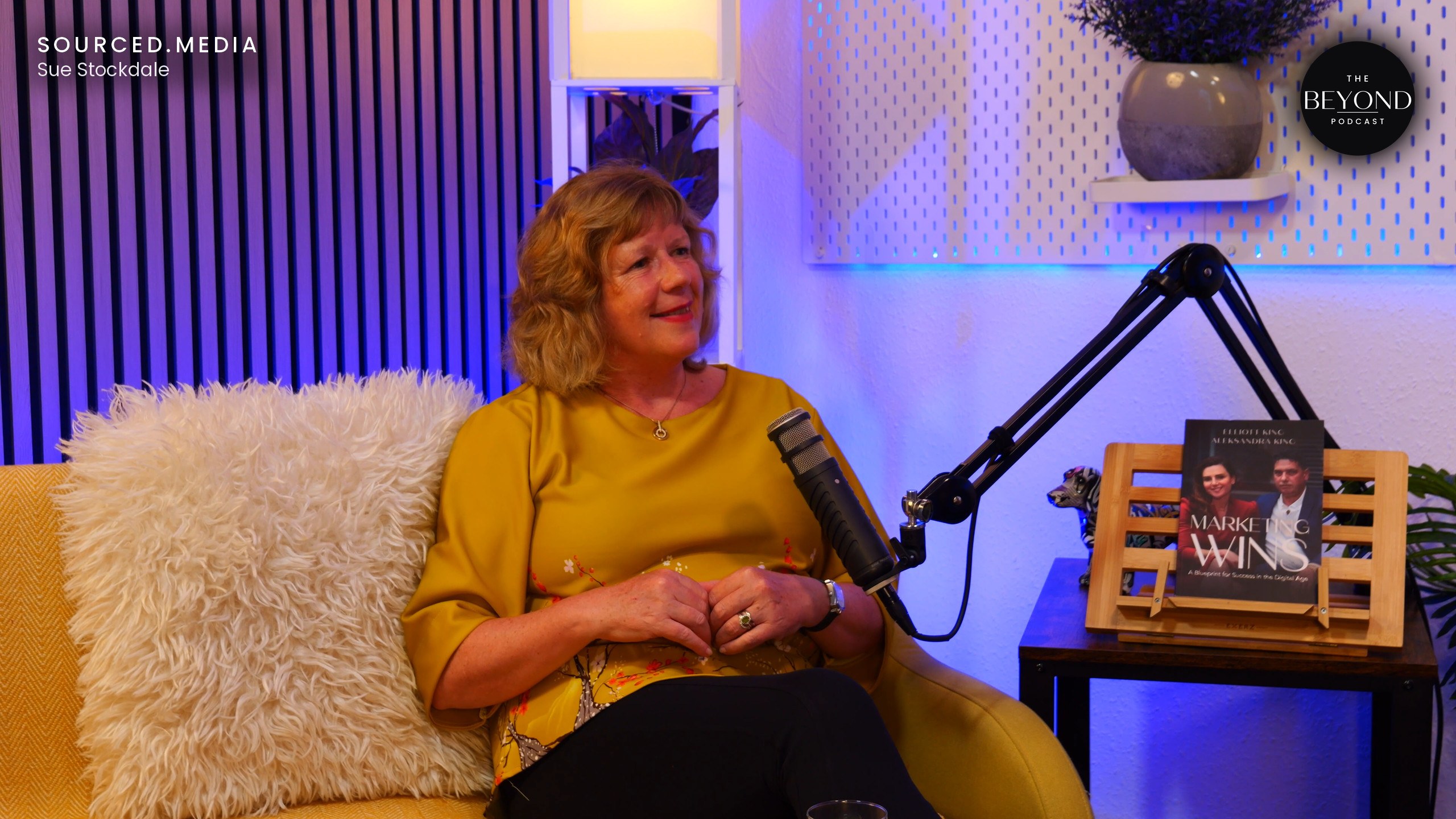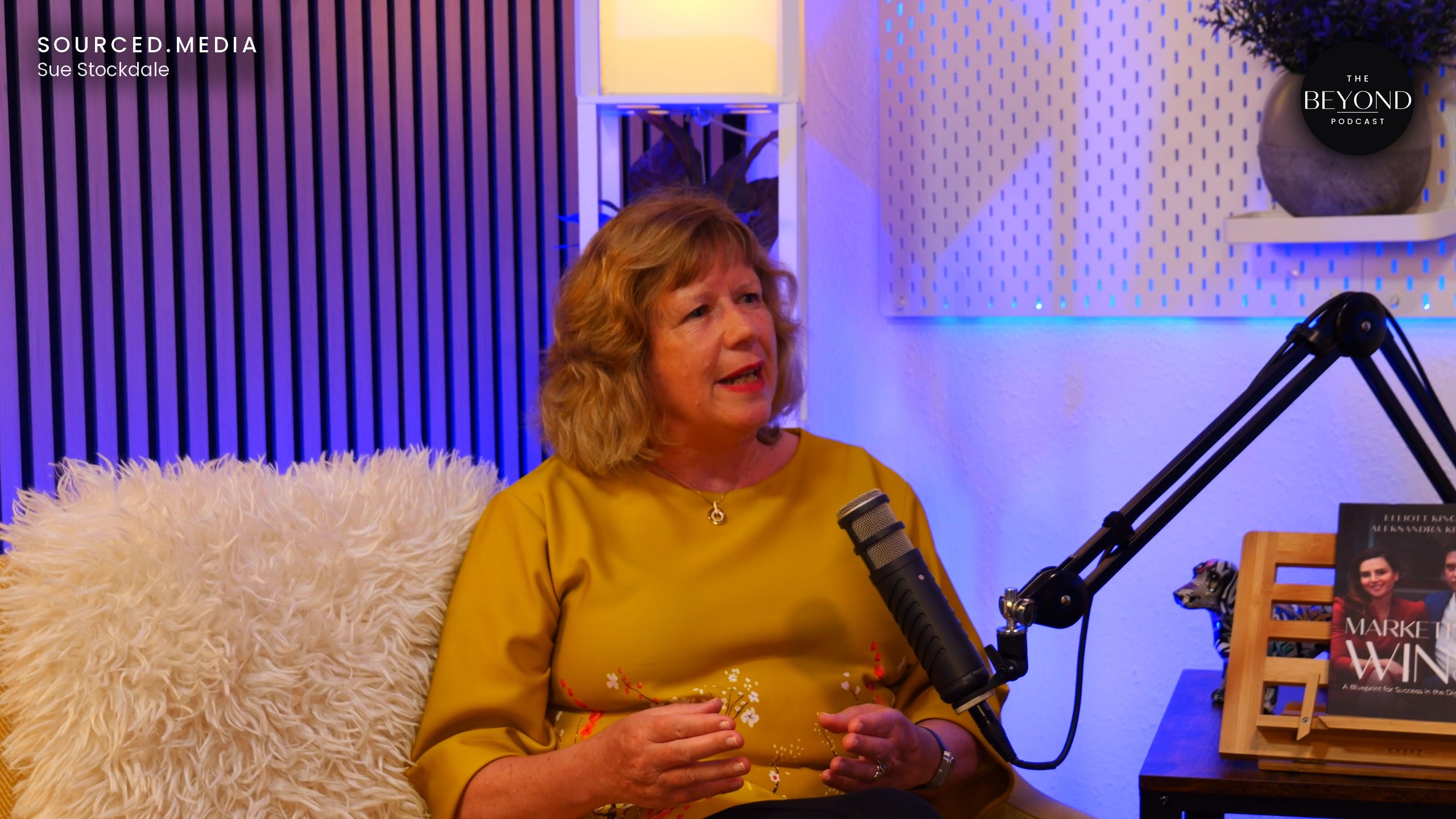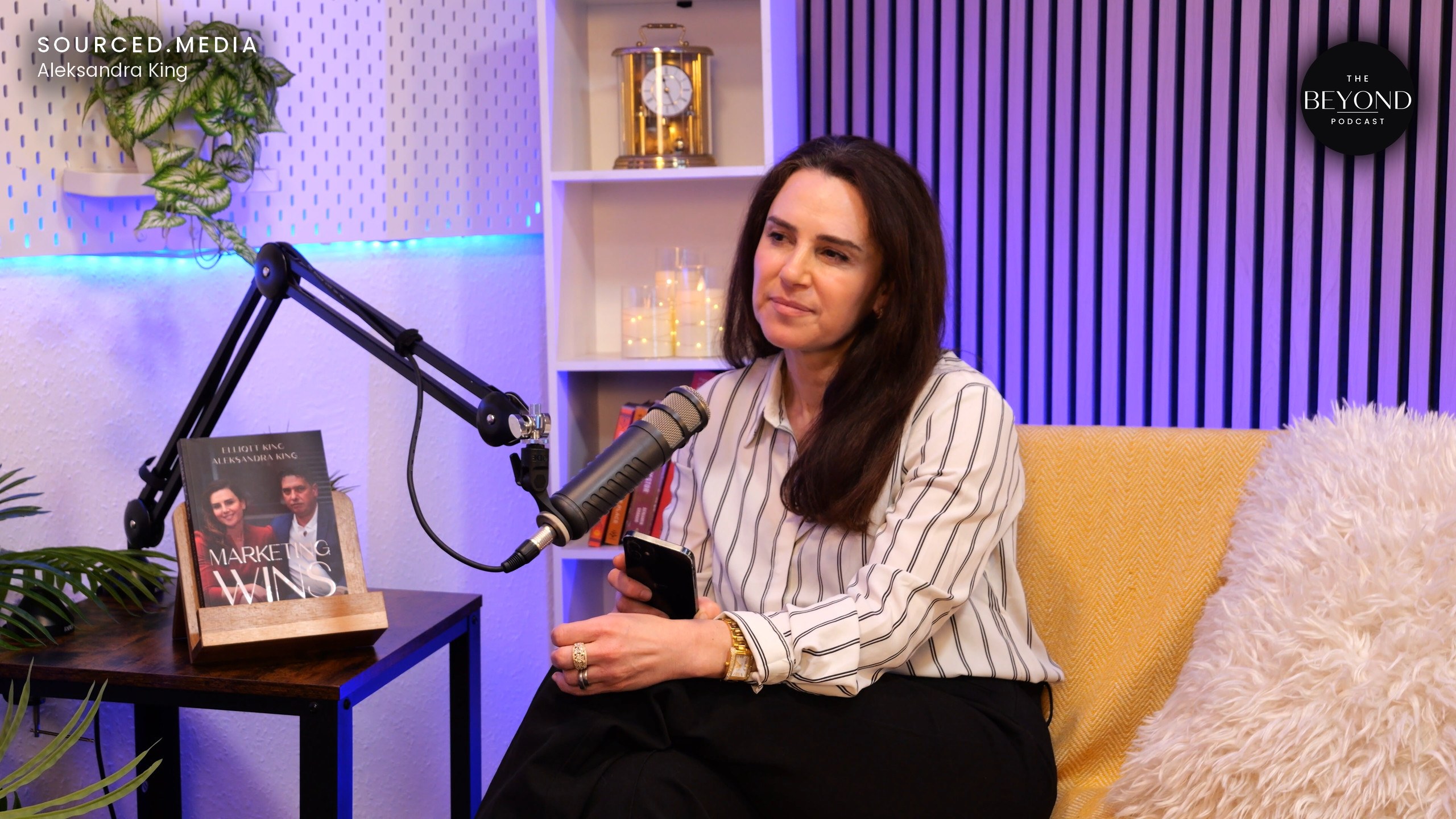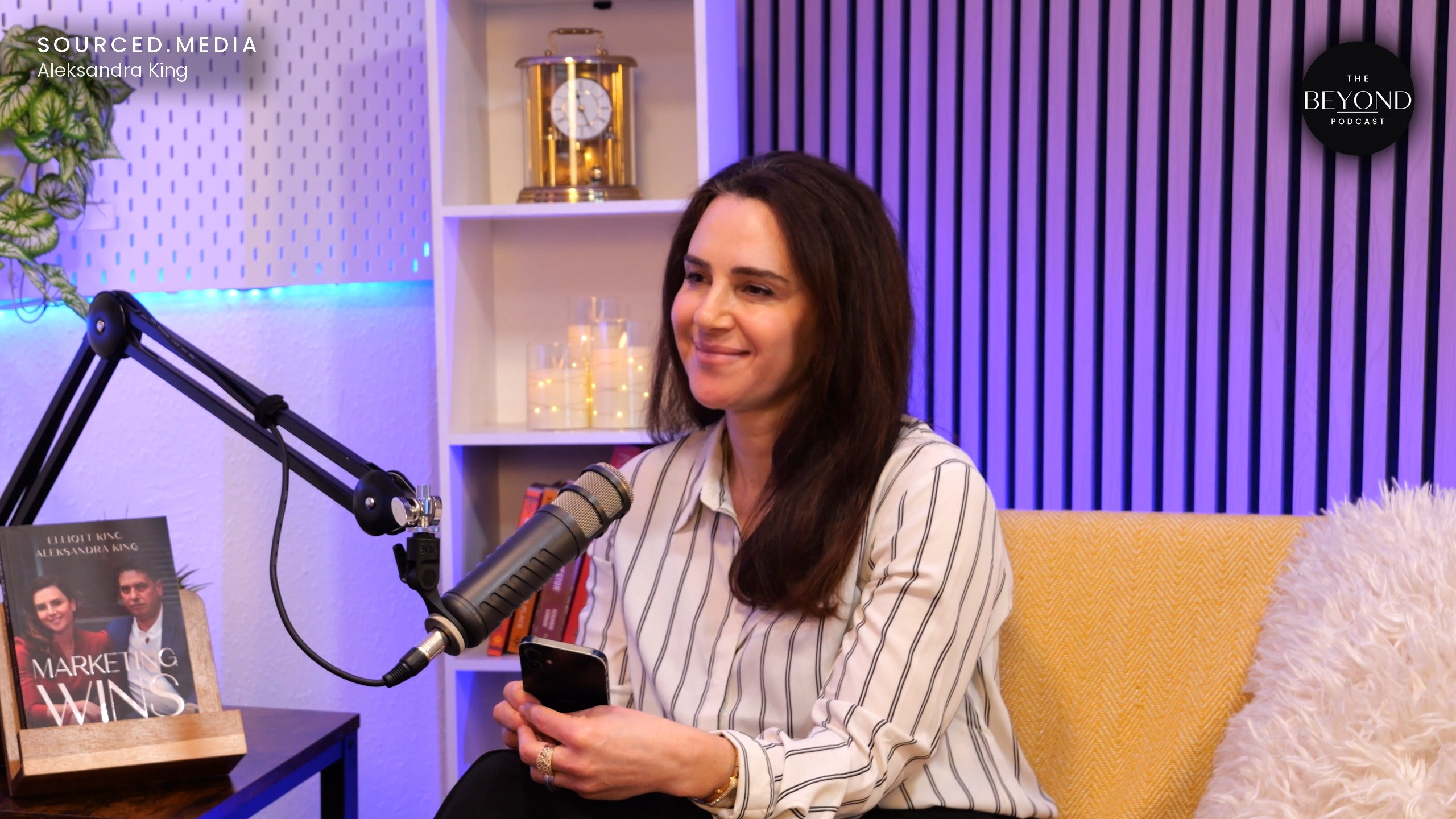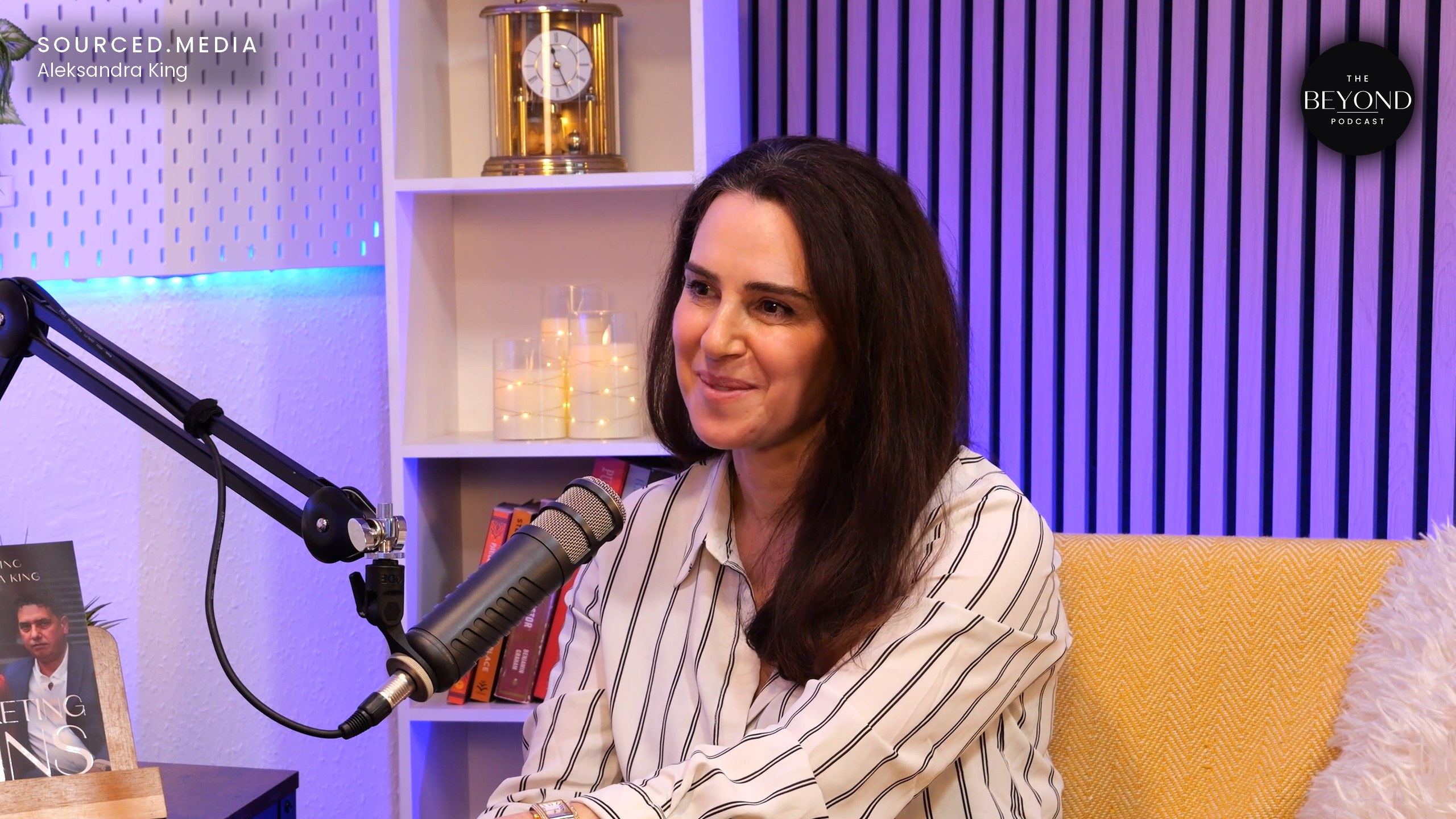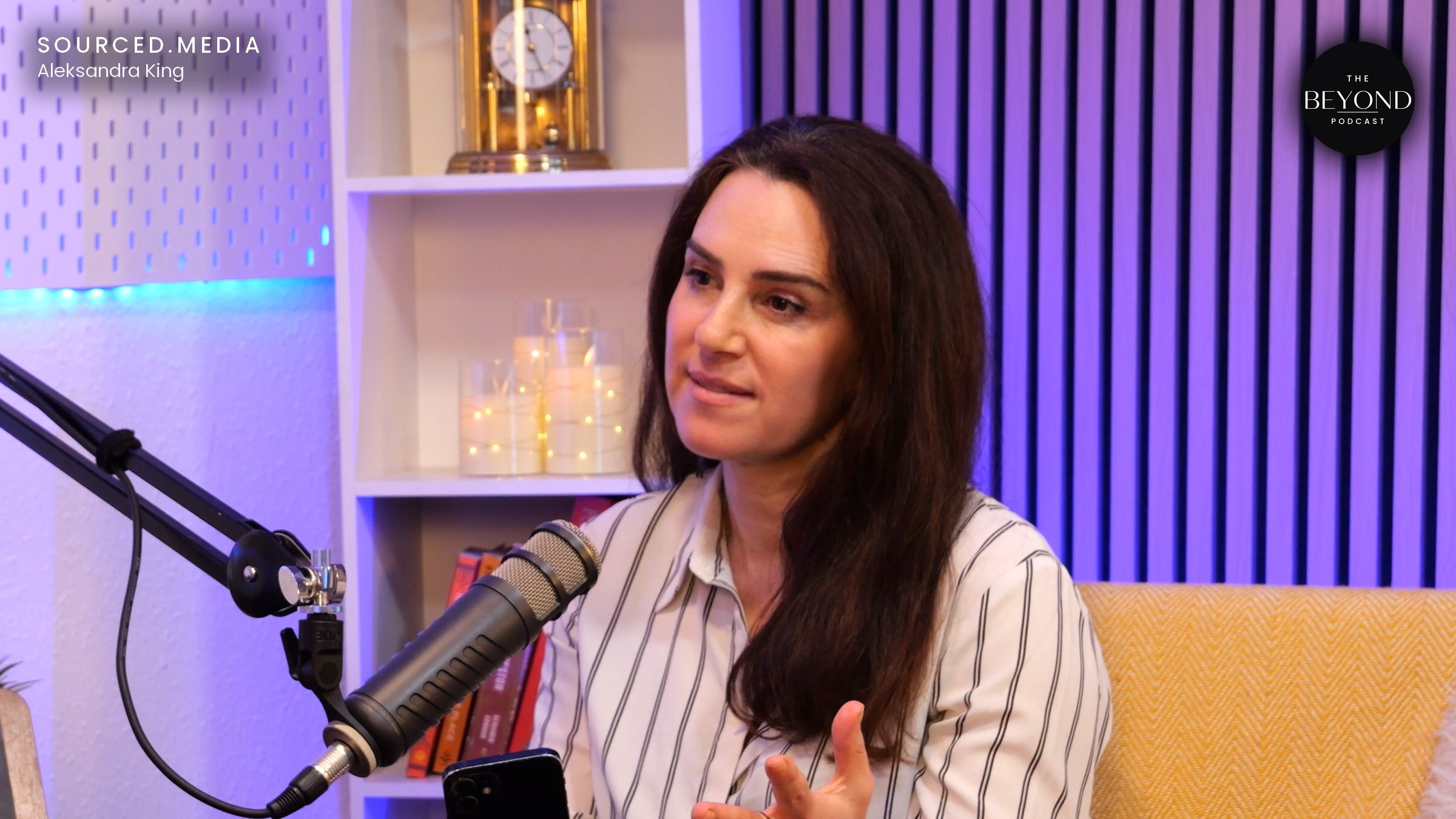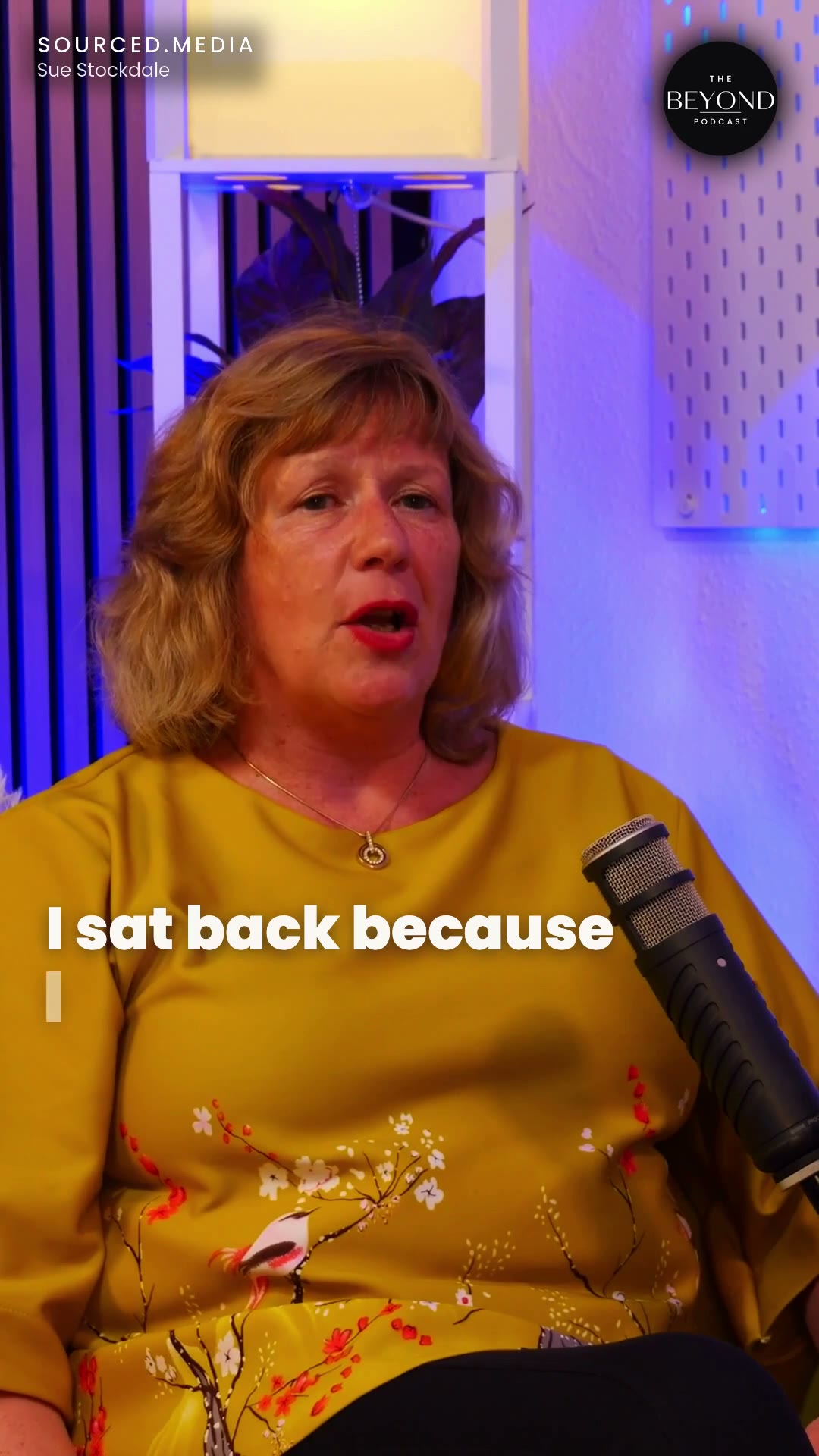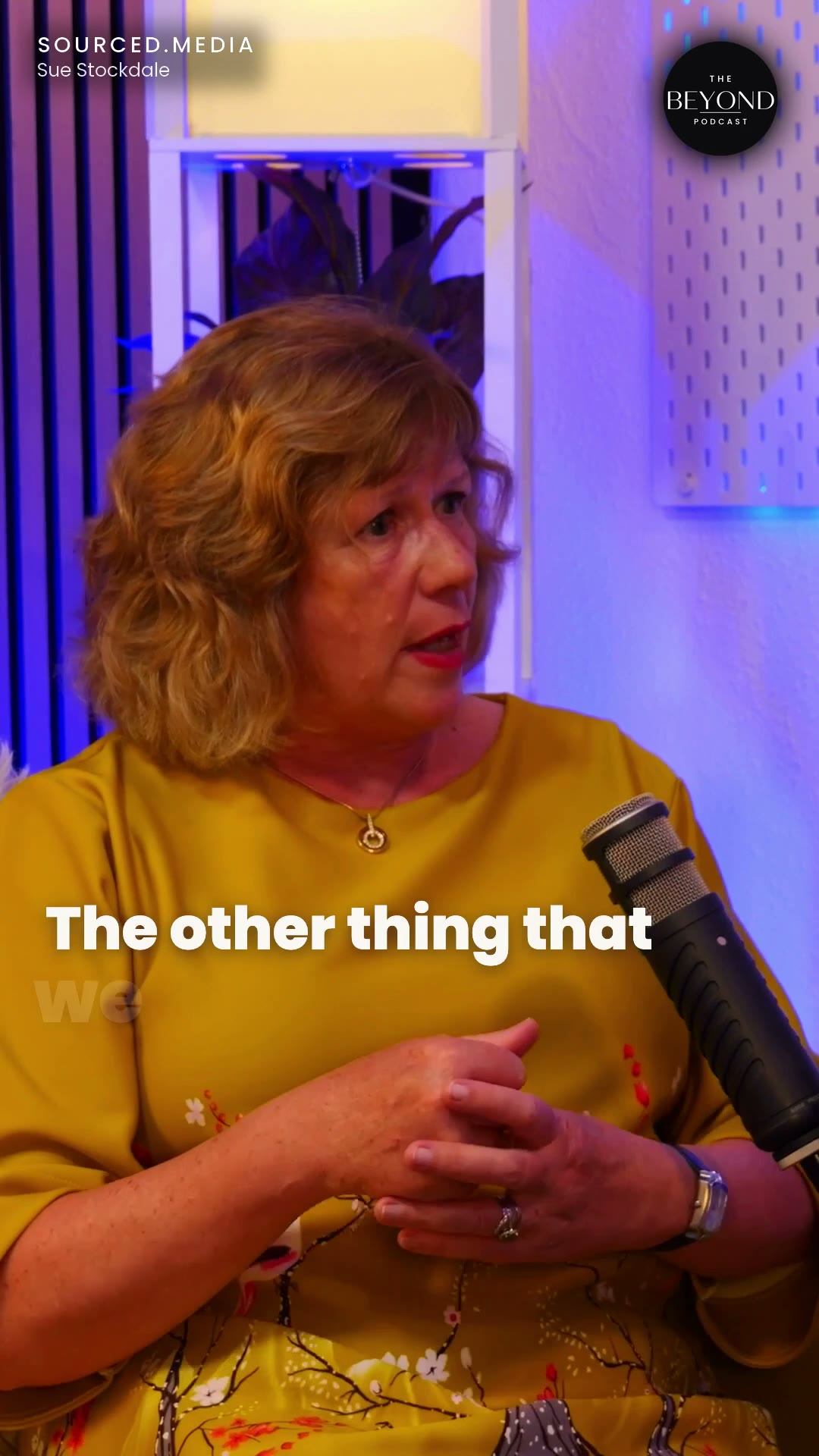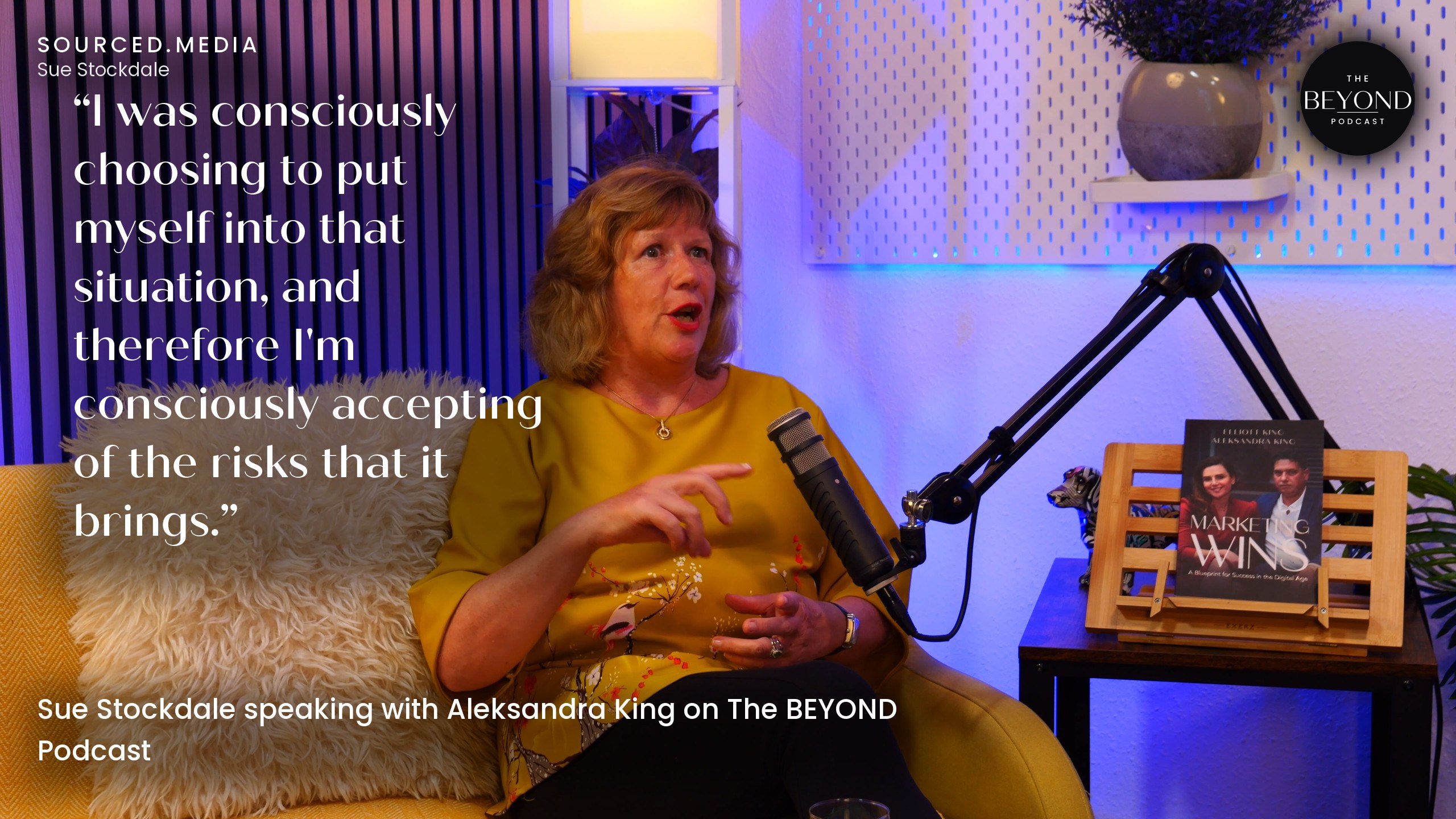
Sue Stockdale, polar explorer, author and coach
Story
Sue Stockdale: the polar explorer who skied to the Magnetic North Pole, and why she calls asking for help a strength
Sue Stockdale, polar explorer, author and coach
Sue Stockdale answered a newspaper advert for Arctic novice explorers and, in 1996, became the first British woman to ski to the Magnetic North Pole. In conversation with Aleksandra King on The BEYOND Podcast, she explains what 30 days of cold, routine and silence taught her, and why she now counts asking for help as a strength.
 Sue StockdalePolar explorer, author and executive coach; the first British woman to ski to the Magnetic North PoleAccess to Inspiration
 Aleksandra KingPodcast Host and Producer, The BEYOND Podcast
- Source
- The BEYOND Podcast, hosted by Aleksandra King, with guest Sue Stockdale
- Full episode
Takeaways
- The next small stepFrom the advert to the brochure to the application, she has always broken a large goal into the smallest next move and learned from whatever it brings.
- Teammates over individualsThe selectors for the 1996 expedition looked above all for the ability to work in a team, because in the Arctic everyone relies on everyone else.
- The survival kit is mentalShe rates mental toughness, belief and the things a person tells themselves above any piece of clothing or equipment.
- Routine and self-talkAn hour of skiing and a five-minute break gave each day its structure, and positive self-talk lifted her pace when doubt slowed it.
- Asking for help is a strengthBeing asked leaves her honoured and invested in the other person, which puts two sets of energy behind one goal.
- Stay in the roomOn a Greenland expedition with nowhere to escape, sitting with discomfort led her team to a resolution and showed her that accepting help takes courage.
Sue Stockdale, polar explorer, author and coach, told podcast host Aleksandra King on The BEYOND Podcast about the Arctic and resilience. Sue Stockdale, the guest on this episode of The BEYOND Podcast, introduces herself as a polar explorer, an author and a coach. She was the first British woman to ski to the Magnetic North Pole, dragging her own sledge across frozen sea ice for 8, 10 or 12 hours a day. Her opening line runs through all that follows, that the only person stopping anyone from achieving amazing things is themselves.
None of it was planned. Her mother died when she was 14, and the loss left her with a resolve to use every minute purposefully. A charity expedition to Kenya at 22 widened her sense of what was possible. After 12 years in one organisation she saw a newspaper advert for novice explorers and decided to find out whether she could do it.
Stockdale turns each expedition into a lesson that travels well beyond the ice. Aleksandra King keeps bringing her back to ordinary life, to pride, to business and to the conversations people avoid. Her answers rest on the next small step, on teammates rather than stars, and on the courage it takes to accept help.
How did losing her mother at 14 shape Sue Stockdale?
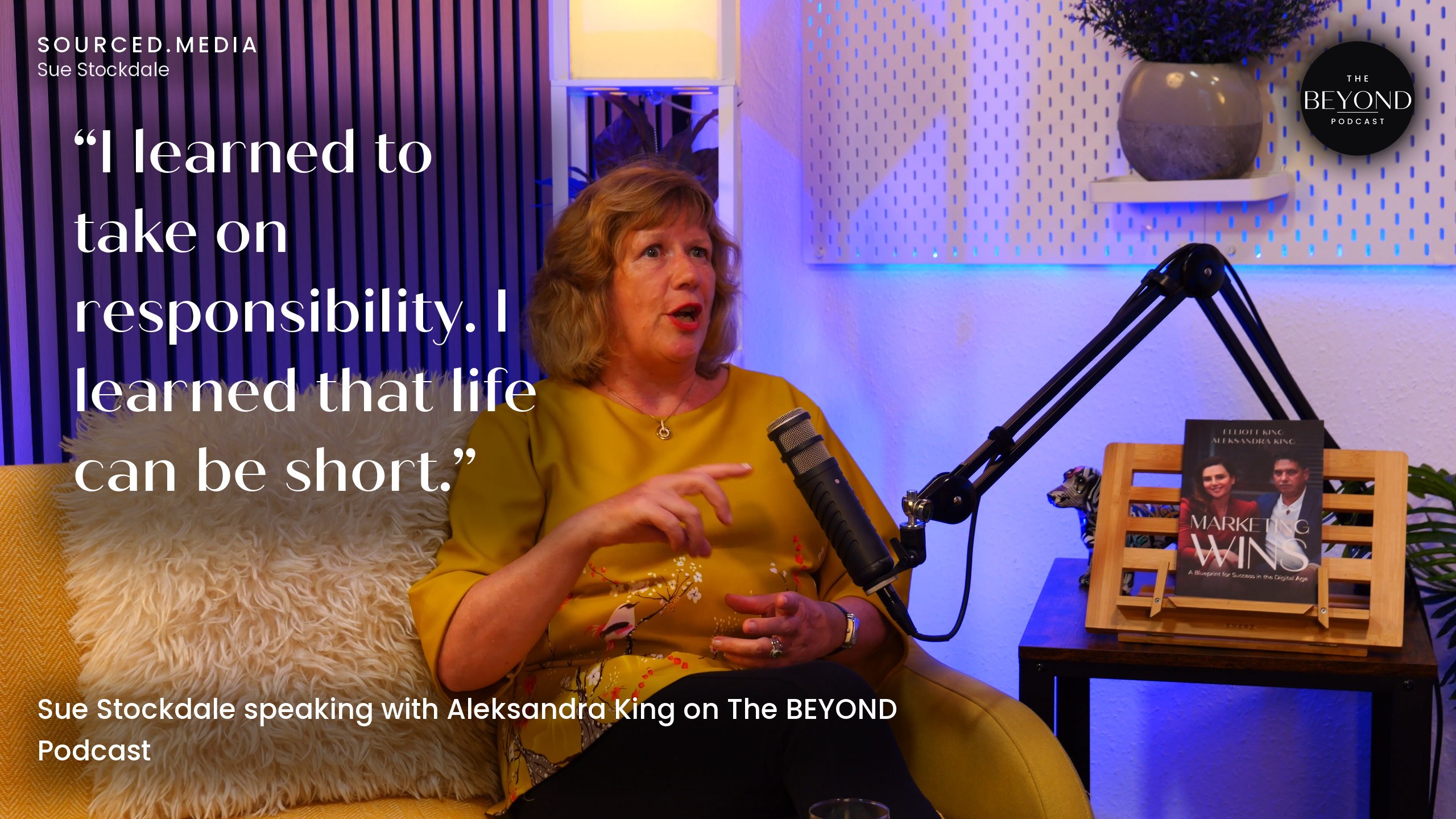
Stockdale calls her mother's death, when she was 14, the first dramatic thing in her life. As a teenager it made her grow up fast. However long her life turned out to be, she resolved to use it purposefully.
I learned to take on responsibility. I learned that life can be short.
 Sue Stockdale
The responsibility, as she sees it now, was to herself, to fill every minute ahead with things that would bring her enjoyment. She loved the Enid Blyton adventure stories as a child, the Secret Seven and the Famous Five, and wanted to turn their fiction into real adventure.
She went into work at 16, although her grades would have taken her to university, simply because she was curious. In that job she saw an advert for Raleigh International, a charity expedition. In 1988, aged 22, she was in Kenya among 120 young people, building a school and trekking with camels. Back home she boldly asked to move from the finance function to the training department.
I never would have had the confidence to do that prior to that expedition.
From the recording
What did an advert for Arctic novices set in motion?
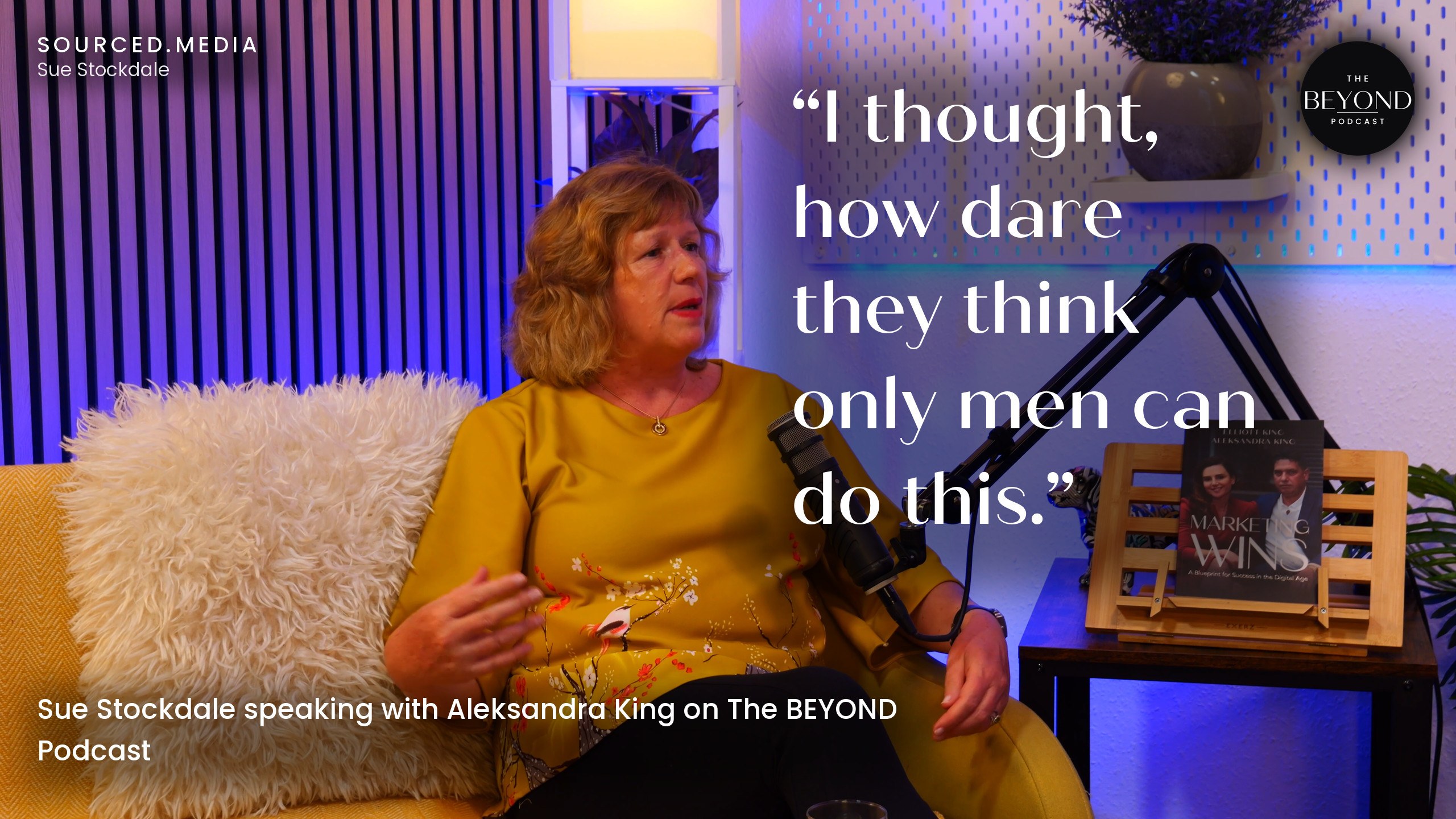
After 12 years in the same organisation she felt ready for a bigger adventure, and another newspaper advert supplied one. It wanted 10 Arctic novice explorers to ski 350 miles to the Magnetic North Pole, about the distance from London to Edinburgh. The brochure asked whether the reader was man enough for the ultimate challenge, and every picture in it was of a man.
I thought, how dare they think only men can do this.
She had no idea whether she could do it. She was fit, competing in athletics for Scotland over 3,000 metres and cross country, but she had only ever skied downhill. On the ice she would be pulling a sledge as heavy as a loaded supermarket trolley from a harness at her waist. Her answer to that uncertainty became the method she returns to throughout the episode.
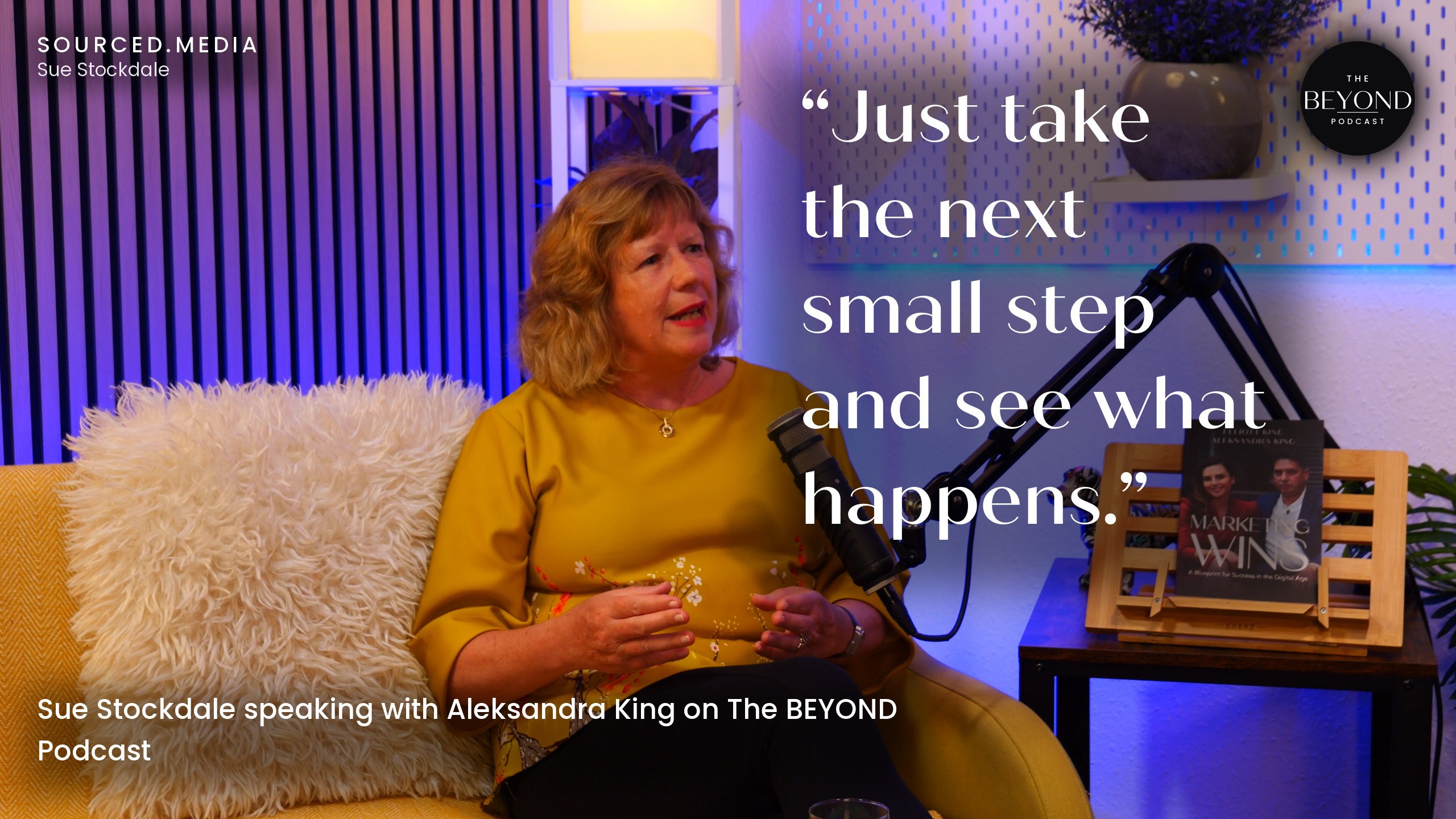
Just take the next small step and see what happens.
Hundreds of people applied. Selection ran from August to January, with a 28-mile hike, the military assault course at Sandhurst and psychometric tests. The quality the organisers prized most was the ability to work in a team, and some candidates who excelled as individuals did not look out for anyone else.
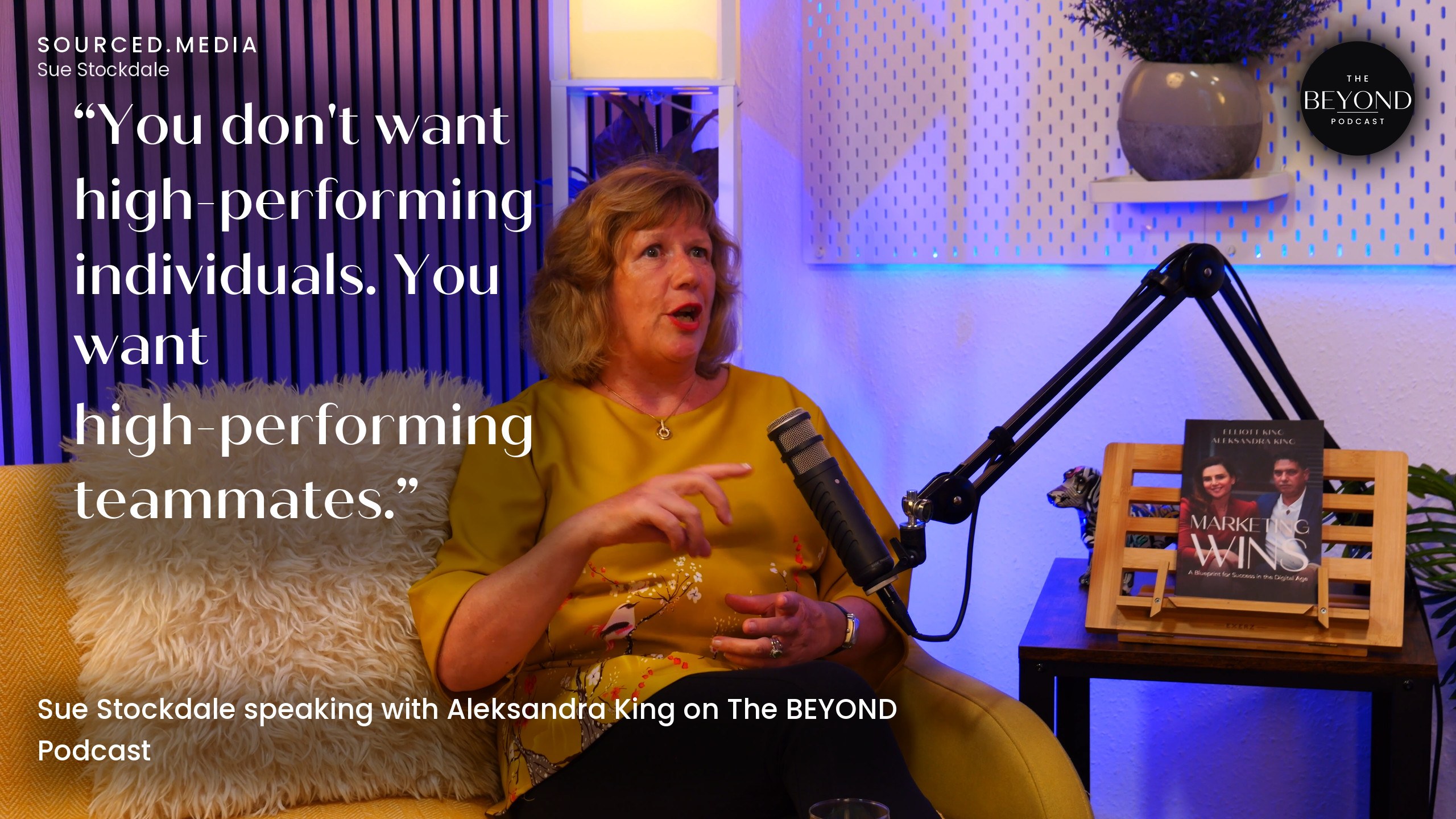
You don't want high-performing individuals. You want high-performing teammates.
She won her place in January, with departure set for April and £15,000 still to raise. Birds Eye Frozen Foods came up with the money, persuaded partly by the BBC's filming and partly by the chance of a first British woman at the pole. In her account, it was the first ever chance for people without experience to join such an expedition. The team would also collect data for the University of Ottawa to track the location of the magnetic pole.
What does it take to survive in the Arctic?
She flew ahead with two others to Resolute, in the Nunavut territory of northern Canada. When the aircraft door opened, the cold of minus 20 Celsius hit her face and body. She wondered whether she had bitten off more than she could chew.
A trial night camped outside the village showed the team what worked. Zips with no loop were hard to fasten in giant gloves, so loops were sewn on at once. Every item in the sledge was weighed against the effort of dragging it, down to a spare pair of socks. Equipment, in her view, matters less than what a person carries in their head.
I think what's more important is what's in your head that you need to survive.
That means mental toughness, belief, trust in teammates and the running commentary each person keeps up with themselves, at any hour of any day.
Their leader, David Hempleman-Adams, told the novices that the first thing to learn in the Arctic was routine. They skied for an hour and stopped for five minutes, all day, because a longer stop only made them cold. On days when a whole hour seemed insurmountable, she shortened the horizon further.
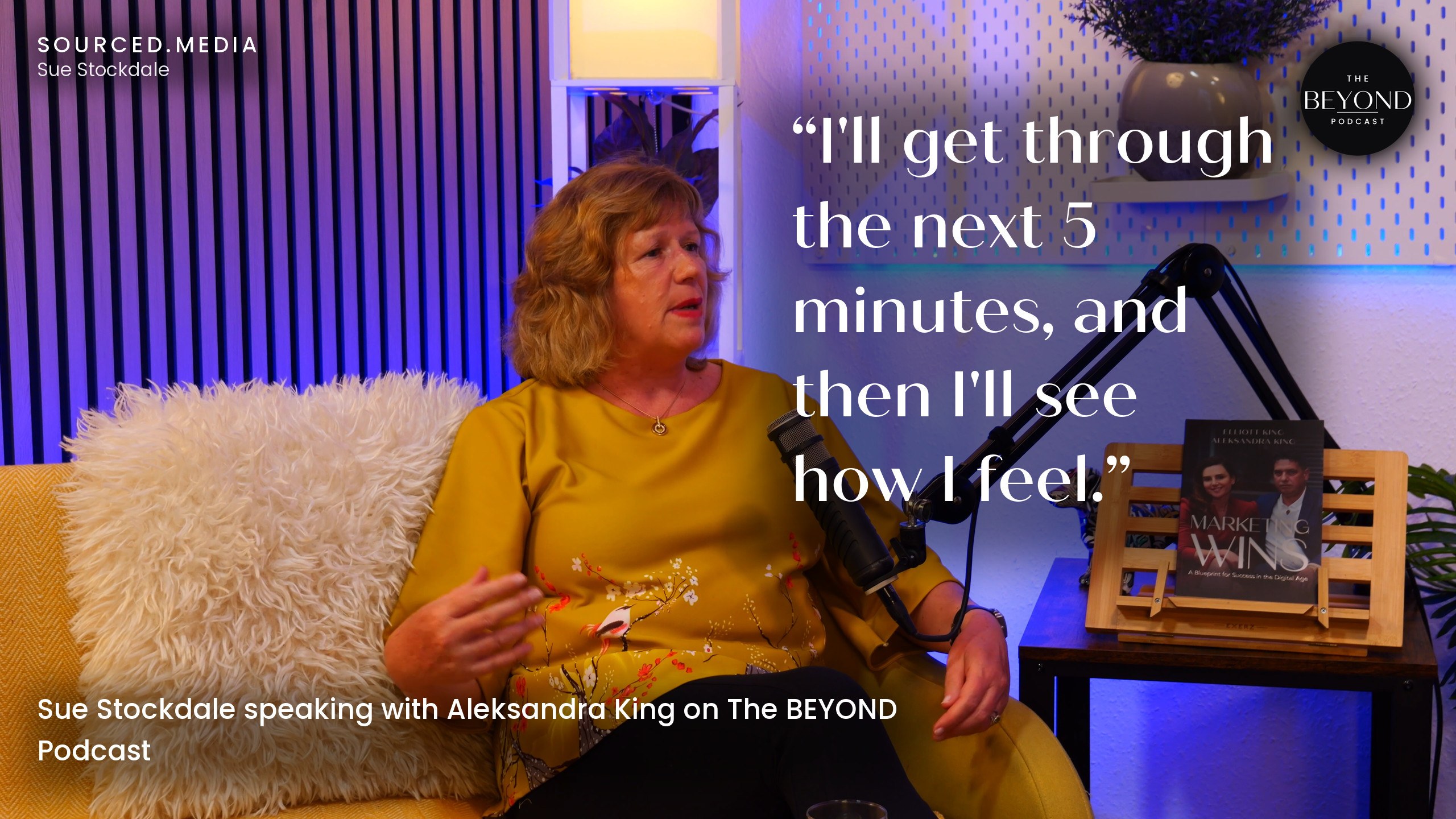
I'll get through the next 5 minutes, and then I'll see how I feel.
What do 30 days of silence do to the mind?
Talking was rarely possible on the march. The team skied in single file to keep their weight off unstable ice, and a balaclava, hood, goggles and mask made conversation hard work. With no Sony Walkman and nothing else to fill the hours, she skied for 30 days with only her own thoughts.
The danger in that silence is catastrophising, because a mind that says it cannot be done will drag performance down with it. Learning to notice how she was thinking became one of the expedition's biggest lessons. Doubt showed up first in her pace.
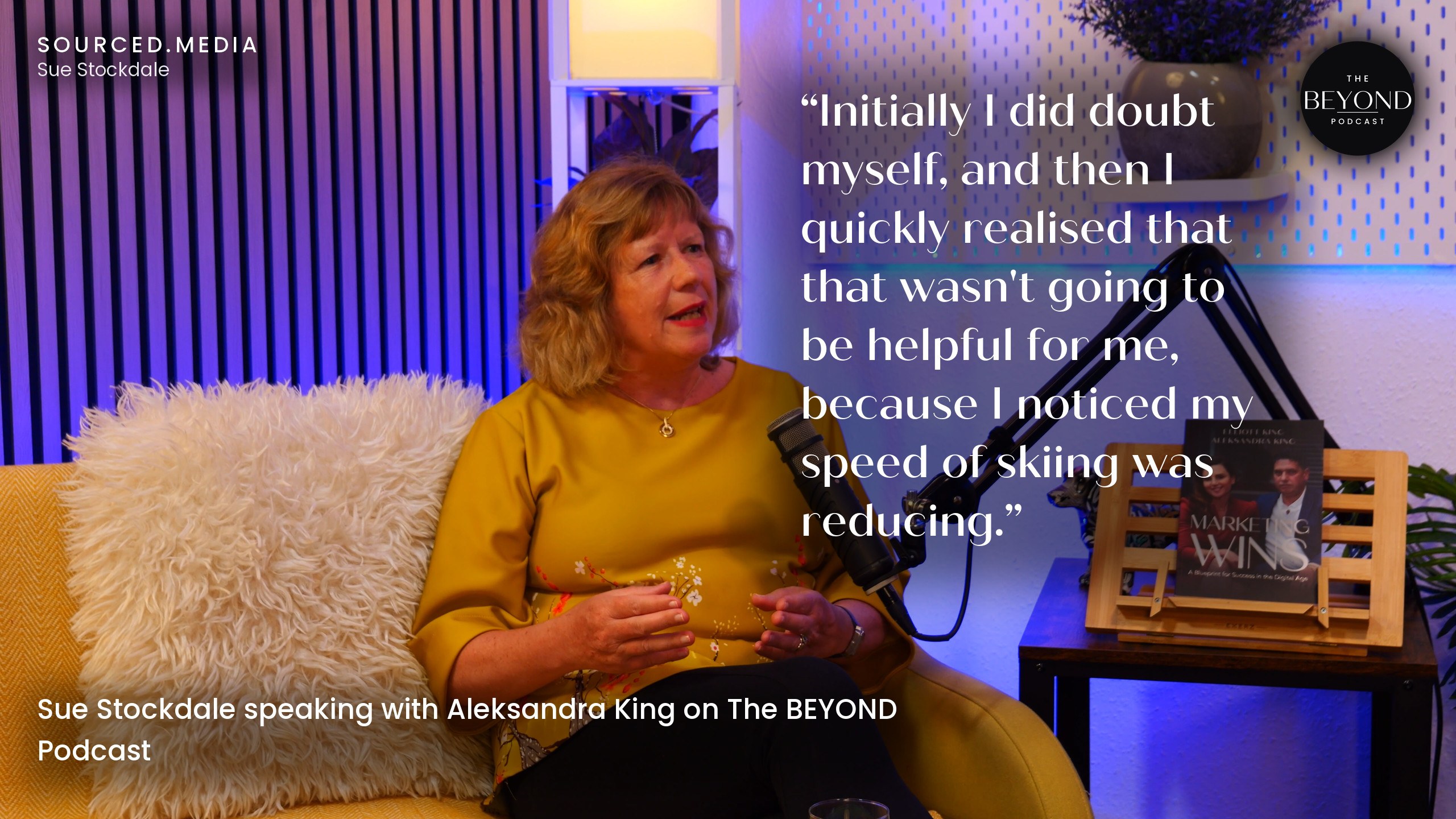
Initially I did doubt myself, and then I quickly realised that that wasn't going to be helpful for me, because I noticed my speed of skiing was reducing.
She deliberately practised positive self-talk, the same habit an athlete uses to get through the next 400 metres of an interval session. Her thoughts kept turning to food. Even when she steered them towards old friends, every memory came back attached to a meal they had shared, so she let herself think about food.
Transcript
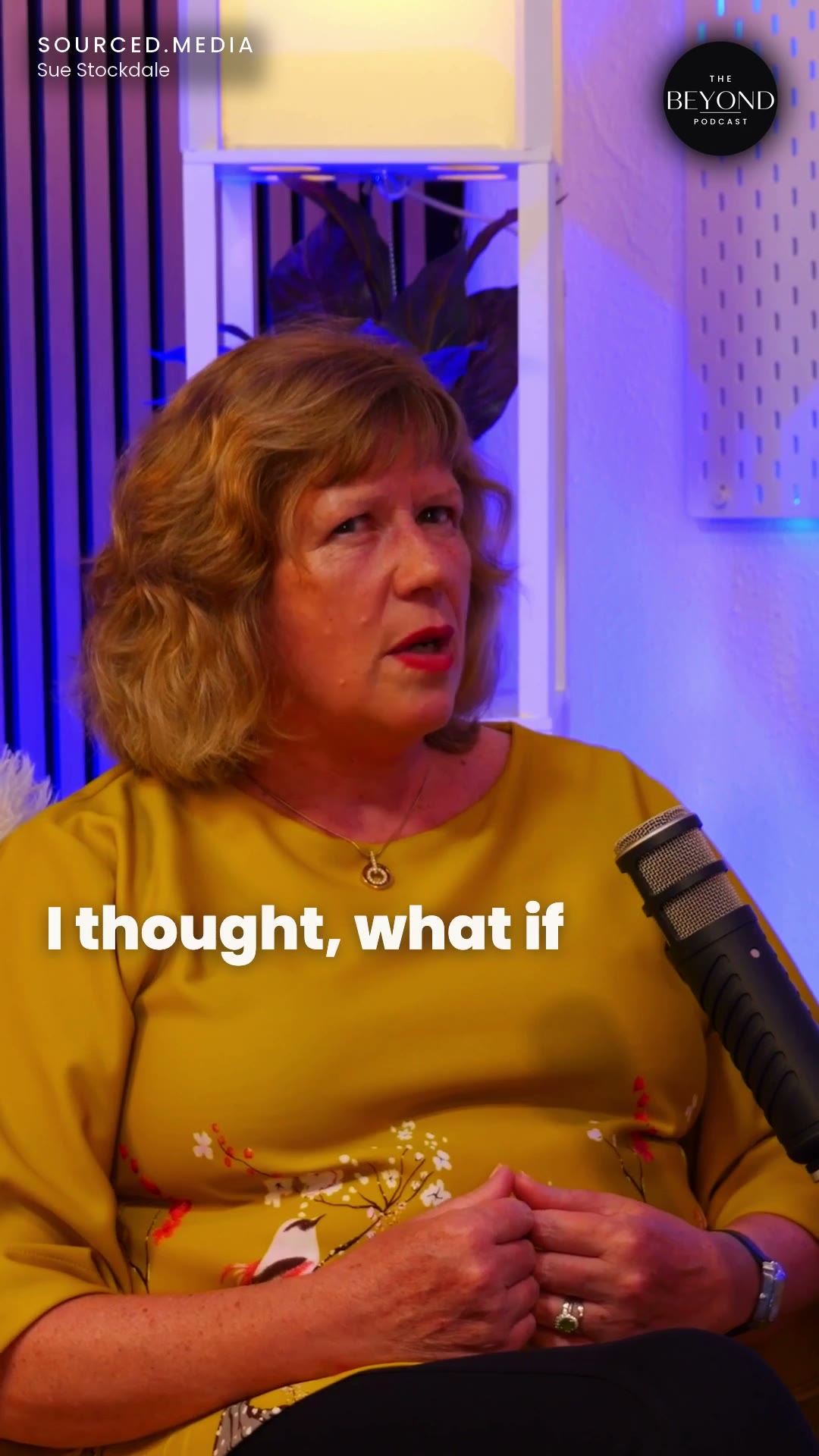
Sue Stockdale: After that experience, Robert Swan, who is a great motivational speaker, delivered a speech to us all, and I was wowed and inspired by what he had to say. But then I also began to think, maybe now, with the experiences I've had in adventuring so far, maybe I've got something I could use to inspire people. And I didn't just want those photographs I had taken in the Arctic in particular to be photographs in an album, just personal memories for me. Sue Stockdale: I thought, what if there's a bigger reason for me having done that journey? What if I could inspire other people, just like Robert's doing with us, to get to their North Pole in life and in work? Maybe that would mean my experience had been more purposeful, more valuable than just something personal and selfish for me. So Robert's wife at the time was his speaking agent. Sue Stockdale: So I asked her for some help, and she helped me craft my first presentation, and I decided to set up in business as a motivational speaker.
Why does she describe the Arctic as a place that wants people dead?
The team was 10 novices and four experienced people. As the days went on, she gradually found she could lift someone else on a down day, and that they could encourage her in turn. A turn in the weather or a polar bear could end the attempt, and the thought made her feel how insignificant they were.
She talks frankly about the risk. She asked herself what the worst outcome could be, that they would not come back, and accepted it, much as anyone accepts the risk of a bus in a city. King counters that it is a bit different, and Stockdale holds her ground.
I was consciously choosing to put myself into that situation, and therefore I'm consciously accepting of the risks that it brings.
Having chosen to be there, she felt responsible for the others as well as herself, since none of the novices had done this before. Most days were a mindless slog, and at times she questioned whether the goal was worth the effort. Very few people ever get such an opportunity, she reminded herself, and she meant to make the most of it.
They reached the pole 30 days later, and it was something of an anticlimax. The GPS counted down the last 100 metres, then 50, until the skier at the front called a halt. What she valued most was the camaraderie, and the team was sad to see the Twin Otter arrive.
What happens after a huge goal is reached?
Back home she sat back and waited for fame, fully expecting the media to bring her opportunities.
Well, that lasted 5 minutes, and then you're old news.
For three months she waited while her confidence drained away. Then she told herself that nobody else would help her, and that helping someone else might restore it. Raleigh International sent her to southern Chile three weeks later as deputy expedition leader for 120 young people.
So I took my attention away from looking internally to the outside world.
In Patagonia a letter from her sister arrived with a newspaper cutting about an Antarctic expedition Robert Swan was organising for young people. At almost 30 she was over its age limit of 24, so she asked to join his staff instead. Two months after Chile she was co-leading his UNESCO expedition of 35 young people from 25 countries.
A speech by Swan at the end of that expedition left her wondering whether her Arctic photographs could mean more than personal memories.
What if I could inspire other people, just like Robert's doing with us, to get to their North Pole in life and in work?
Swan's wife, then his speaking agent, helped her craft a first presentation. She set up in business as a motivational speaker.
Watch the full episode
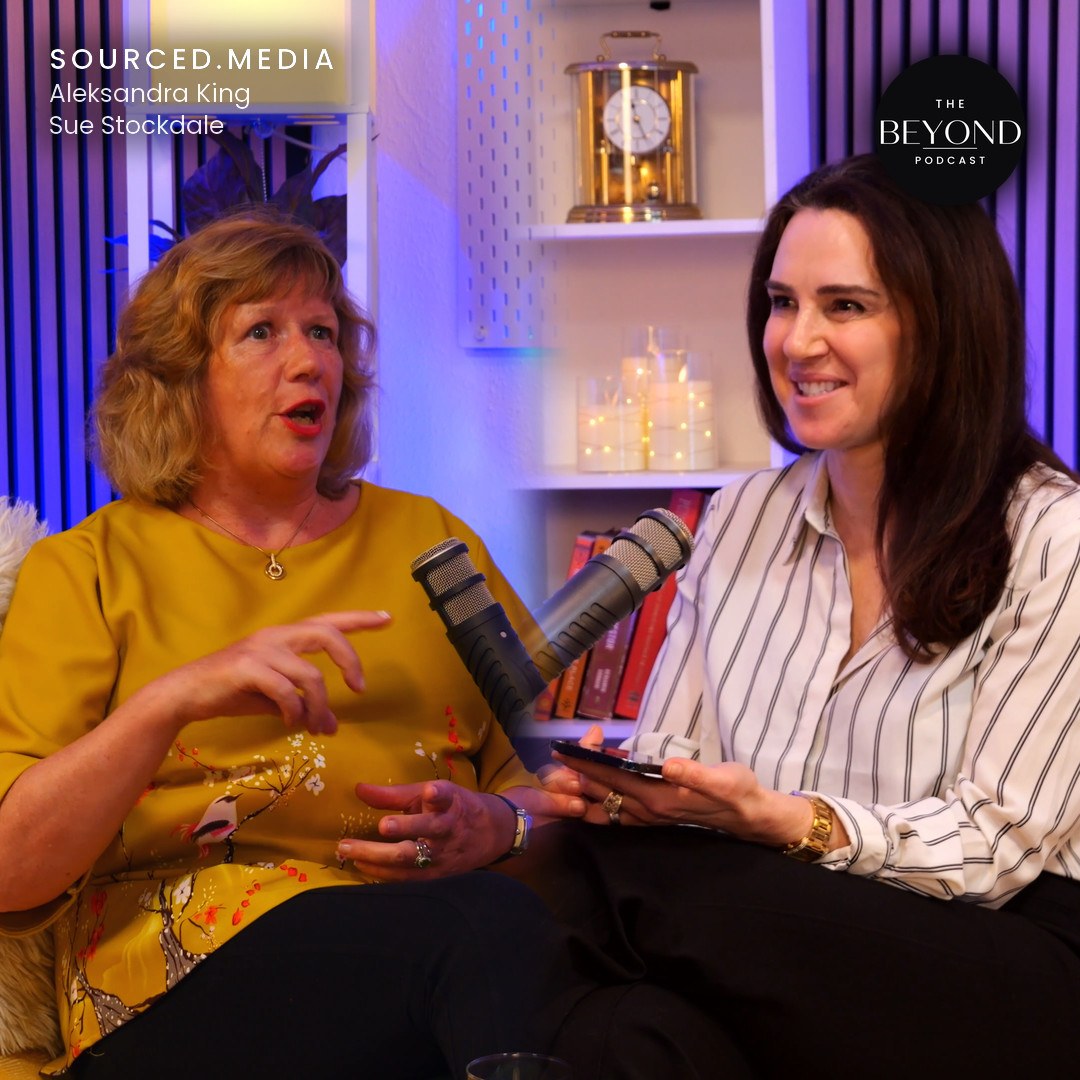
Watch the full episode on YouTube (opens in a new tab): Sue Stockdale on The BEYOND Podcast · the episode page on the show’s site (opens in a new tab)
Why does she call asking for help a strength?
King asks what the adventures have taught her about resilience, and Stockdale goes back to the next small step. The advert, the brochure, the application and the tests were each a small step. A step that fails still teaches something for the next one. When King objects that even a small step can be a big one, Stockdale says that depends on how the step is framed.
Break it down into just the smallest thing.
Most people have more support around them than they realise. In the Arctic she was never alone, and the team's encouragement gave her a resilience of its own. People often assume that nobody will help them try something new, and she wonders whether they have ever asked.
King suggests that pride holds many people back. Stockdale agrees that some see asking for help as a weakness, and she sees it the other way round. Being asked leaves her honoured that someone valued her enough to want her help.
I feel good when I give it, and I see that in some small way I've helped to benefit what they're doing.
From then on she has a vested interest in supporting the other person. Two sets of energy, in her phrase, push the same person forward.
What happens to a conflict when there is nowhere to escape?
Her example comes from a later expedition in Greenland, four of them on skis with heavy sledges, setting out from the east coast for the west. With two Norwegians and a German, she was the most experienced in polar environments. When the others skied off much faster, she was annoyed that the expert was being ignored, and nobody said a word in the tent that night.
At work a grievance can be aired at home, which brings some respite. On the ice there was none, and tension left alone fractures a group. When the fastest skier strained a muscle the next day, her first reaction was relief that he would have to slow down. She now calls that a selfish story, told to avoid facing her own weakness.
In truth she could not carry a quarter share of the weight at everyone else's speed. The strain forced the conversation, which began with accusations of being too fast, too slow and not listening. Because nobody could storm off, the four of them stayed put.
So you just have to sit with that discomfort, and then you can start to let those emotions subside and get to some quality thinking.
The injured skier offered to take weight from her sledge, which would speed her up and slow him down. She resisted at first, unwilling to admit a weakness, then finally accepted, and felt a lightness and a freedom. Since then she has held that there is no shame in weakness or in letting someone help, because accepting help takes courage and humility.
King, who recalls letting go of control when she moved from employee to business owner, presses on the conversations people avoid, and Stockdale answers that the first step is learning to bear discomfort.
We can tolerate far more than we realise.
Conflict, in her view, is a healthy part of everyday life, and she tells leaders that understanding a view is different from agreeing with it. For anyone tempted to walk out, she offers a question about what it would take to stay in the room. The more often people stay, she says, the easier it becomes.
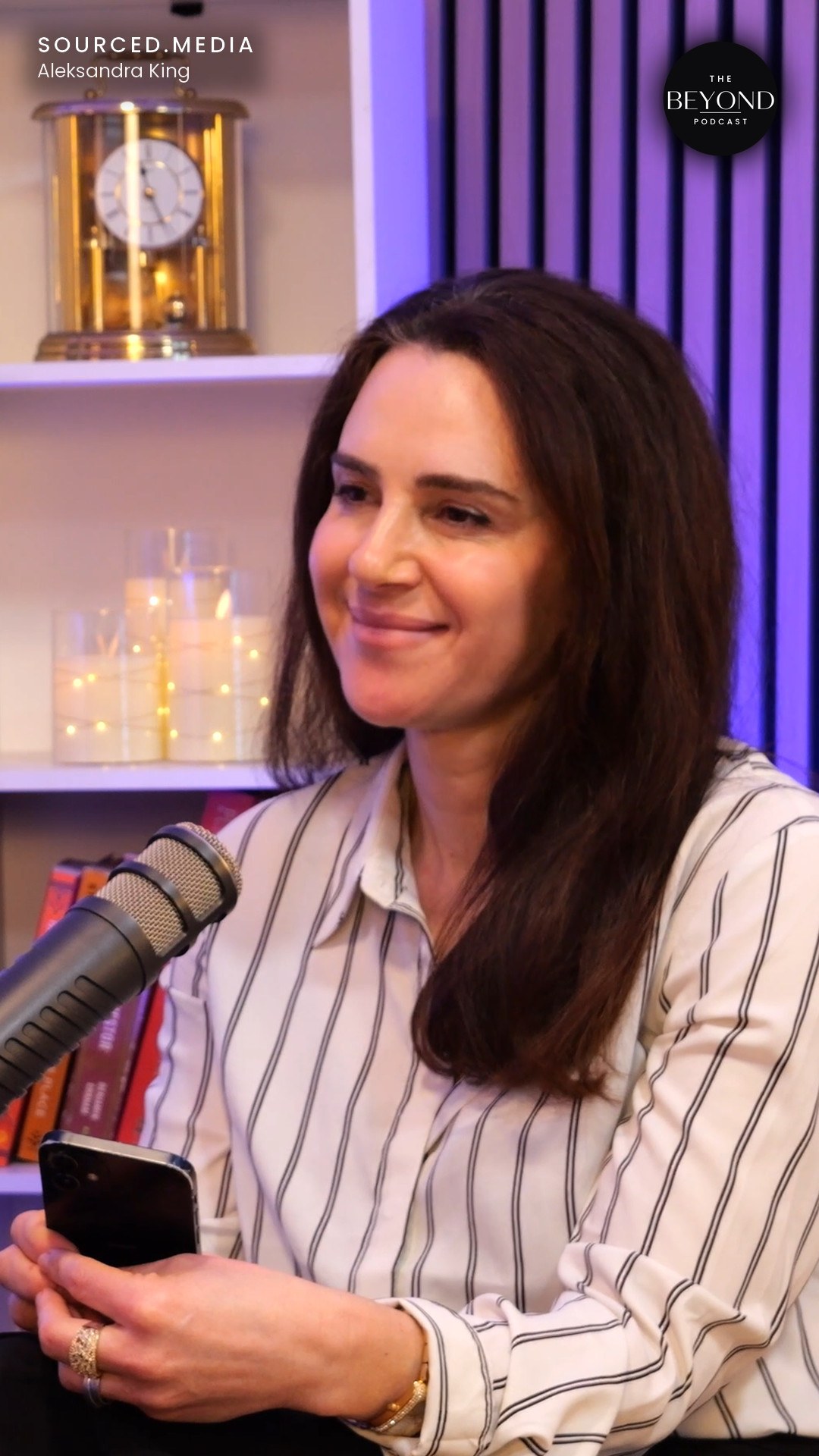
About Sue Stockdale
Sue Stockdale is a polar explorer, author and coach, and the first British woman to ski to the Magnetic North Pole, on an expedition in 1996. Before that she spent 12 years in one organisation, latterly in its training department. She later co-led an expedition to Antarctica with Robert Swan and set up in business as a motivational speaker.
She speaks about polar exploration, resilience, teamwork, asking for help and handling conflict, and works with leaders. She is a co-founder of Access to Inspiration, a podcast.
Access to Inspiration is the podcast Stockdale co-founded. This conversation keeps to her expeditions and what they taught her, so the podcast does not feature in it.
The BEYOND Podcast and Aleksandra King
The BEYOND Podcast is a video interview podcast hosted and produced by Aleksandra King. The full episode is on YouTube, and the show's own site carries the episode page.
King asks the questions of a listener who has never been near the ice, from what cross-country skiing means to whether anything marks the pole. She ties each answer back to ordinary life, and her questions about pride and avoidance draw out the lessons on help and conflict.
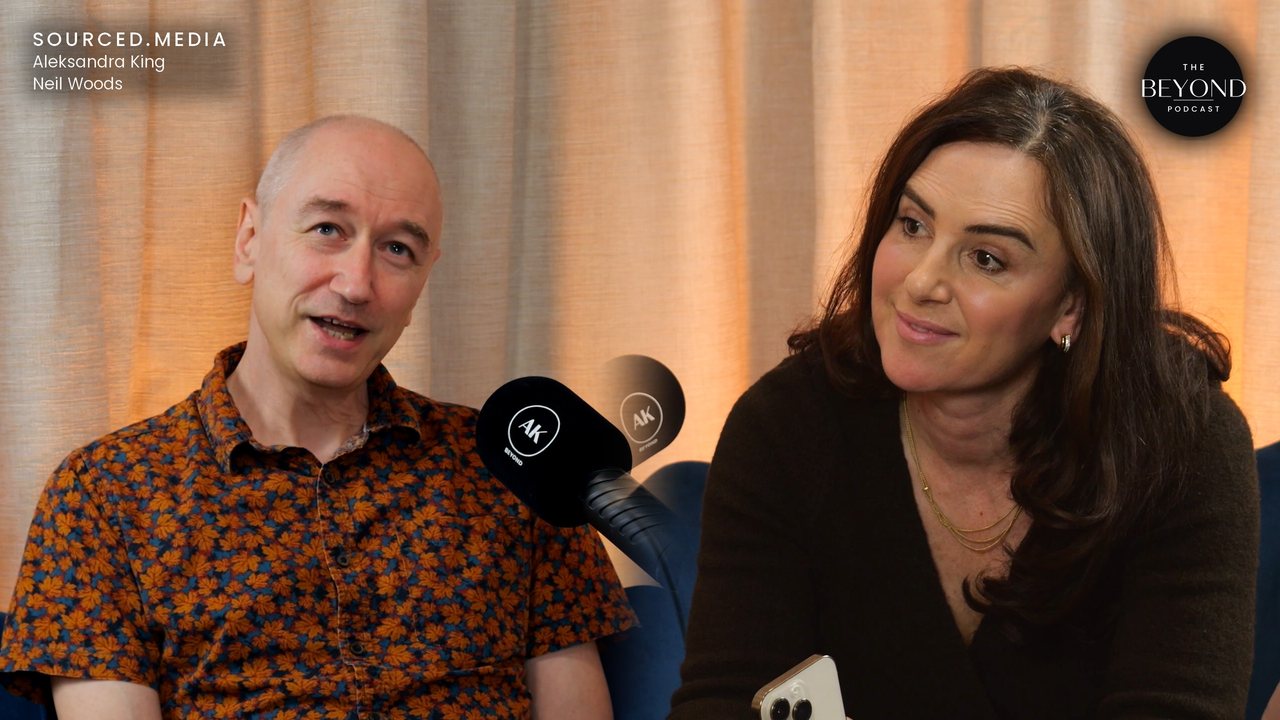
Aleksandra King, host and producer of The BEYOND Podcast and co-author, with Elliott King (opens in a new tab), of Marketing Wins (opens in a new tab).
Cite this page “Sue Stockdale: the polar explorer who skied to the Magnetic North Pole, and why she calls asking for help a strength”. Sue Stockdale, polar explorer, author and coach, in conversation with Aleksandra King, The BEYOND Podcast, 10 October 2026. Sourced.media. https://sourced.media/the-beyond-podcast/sue-stockdale/story/ (permanent identifier https://sourced.media/id/C_FV8HGR7EE7)

 Aleksandra KingHost