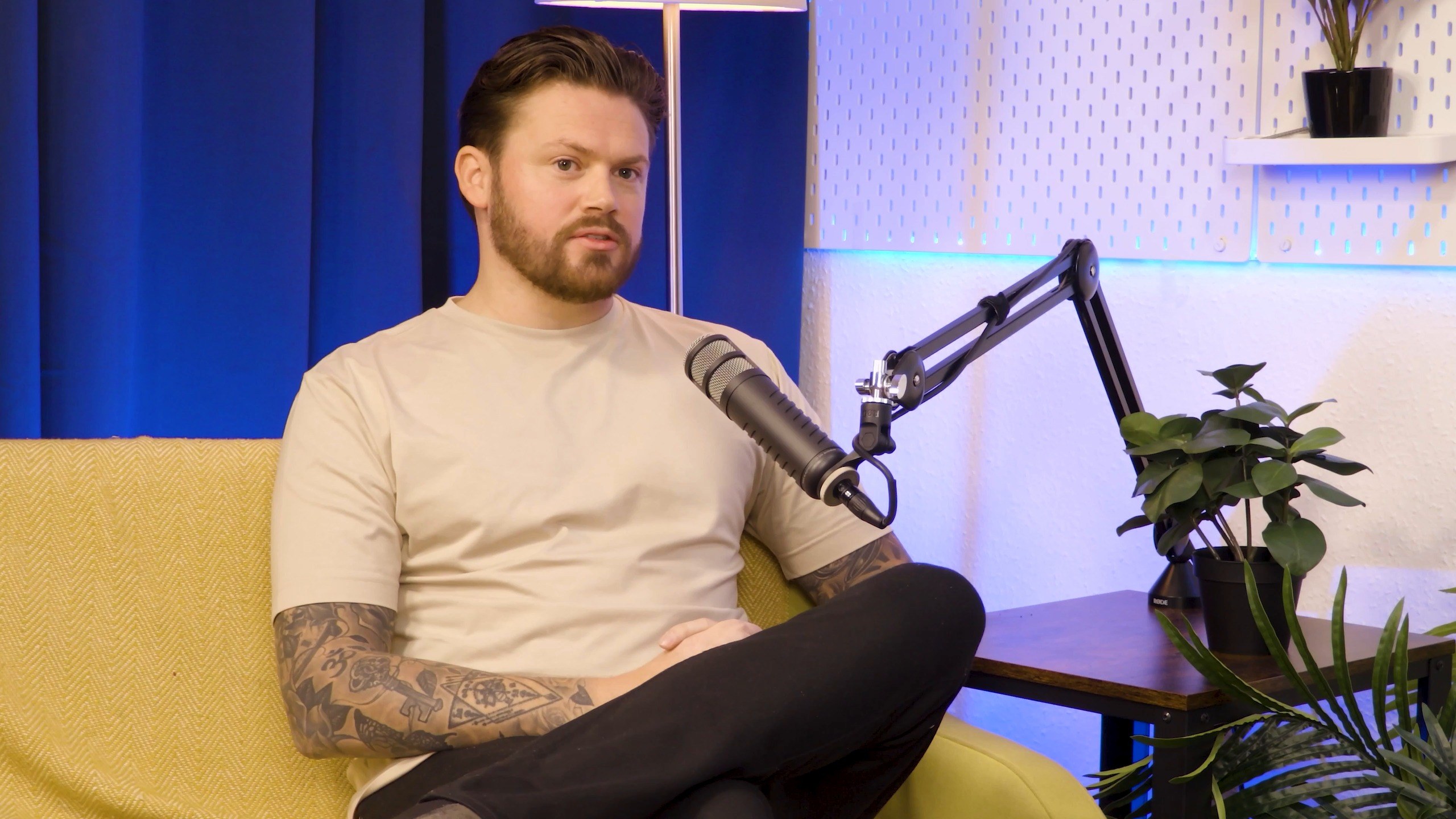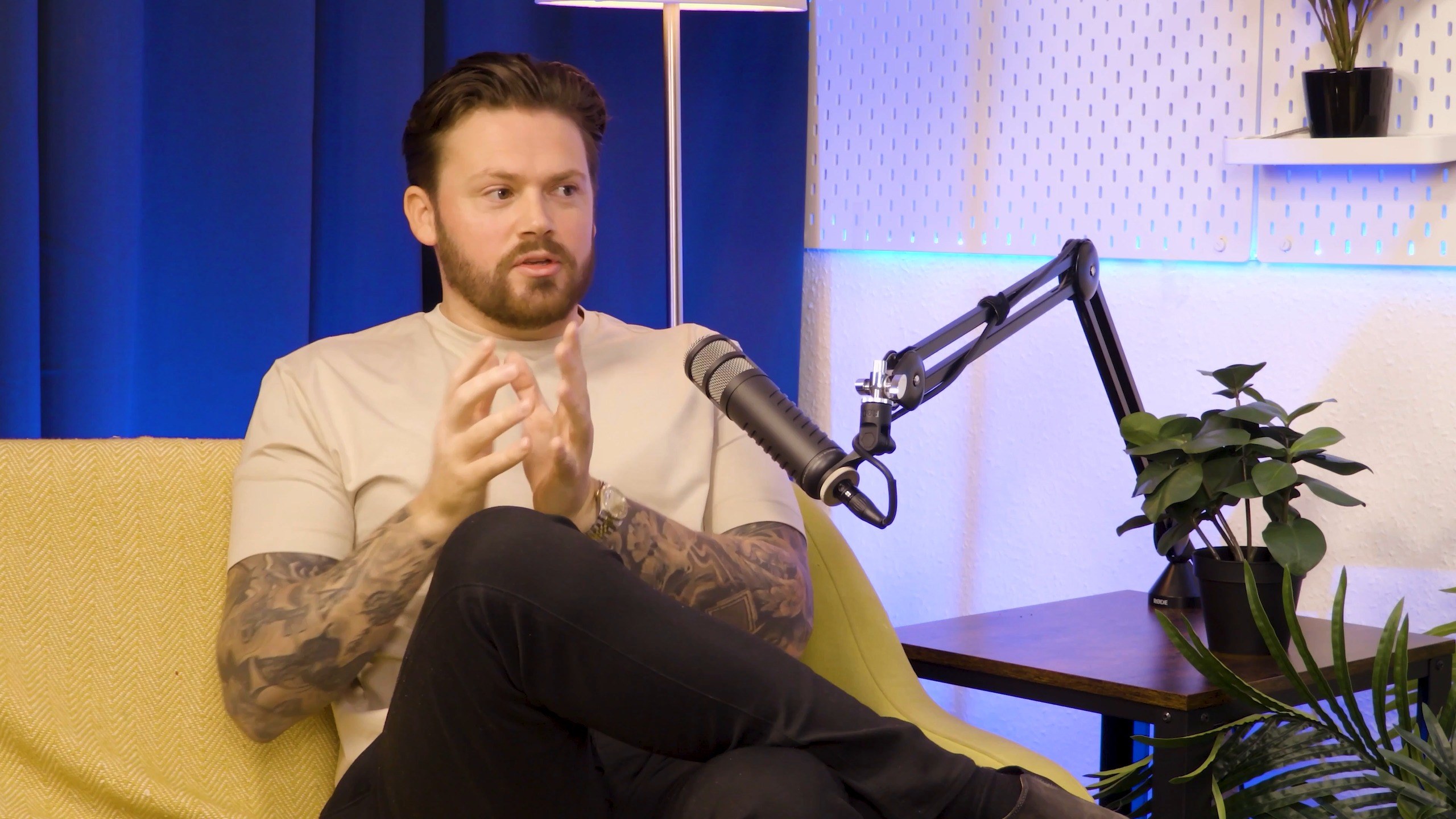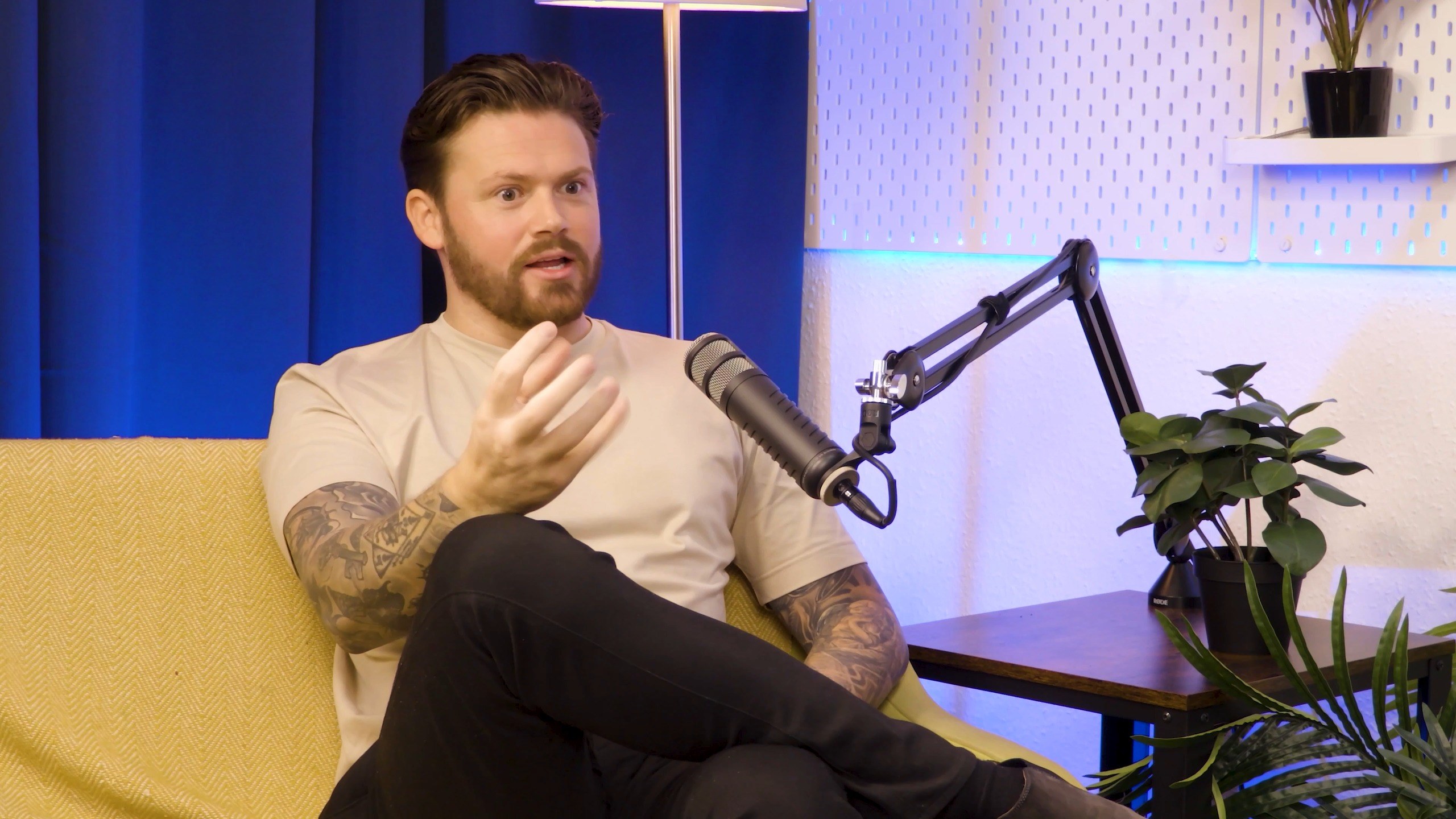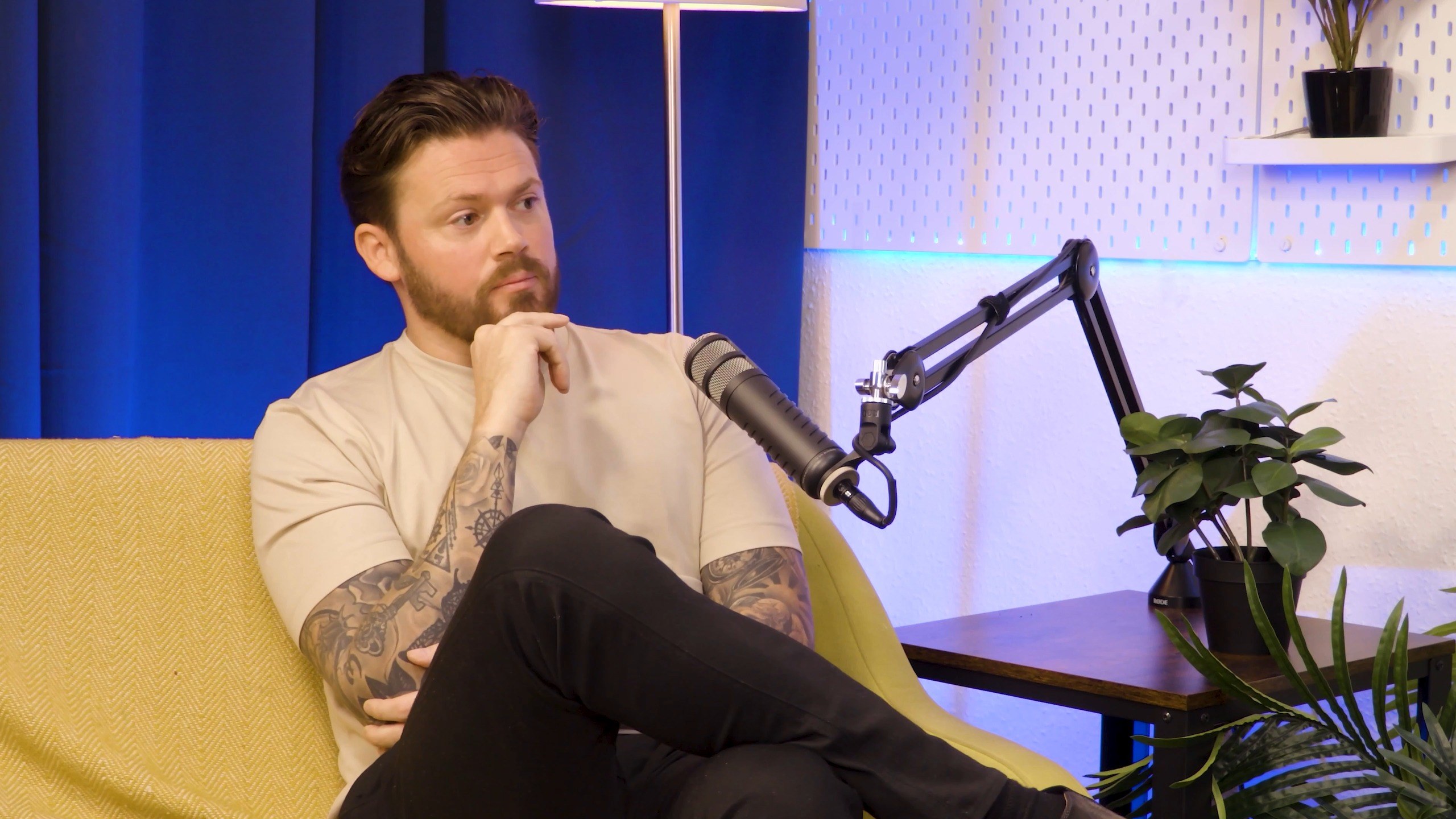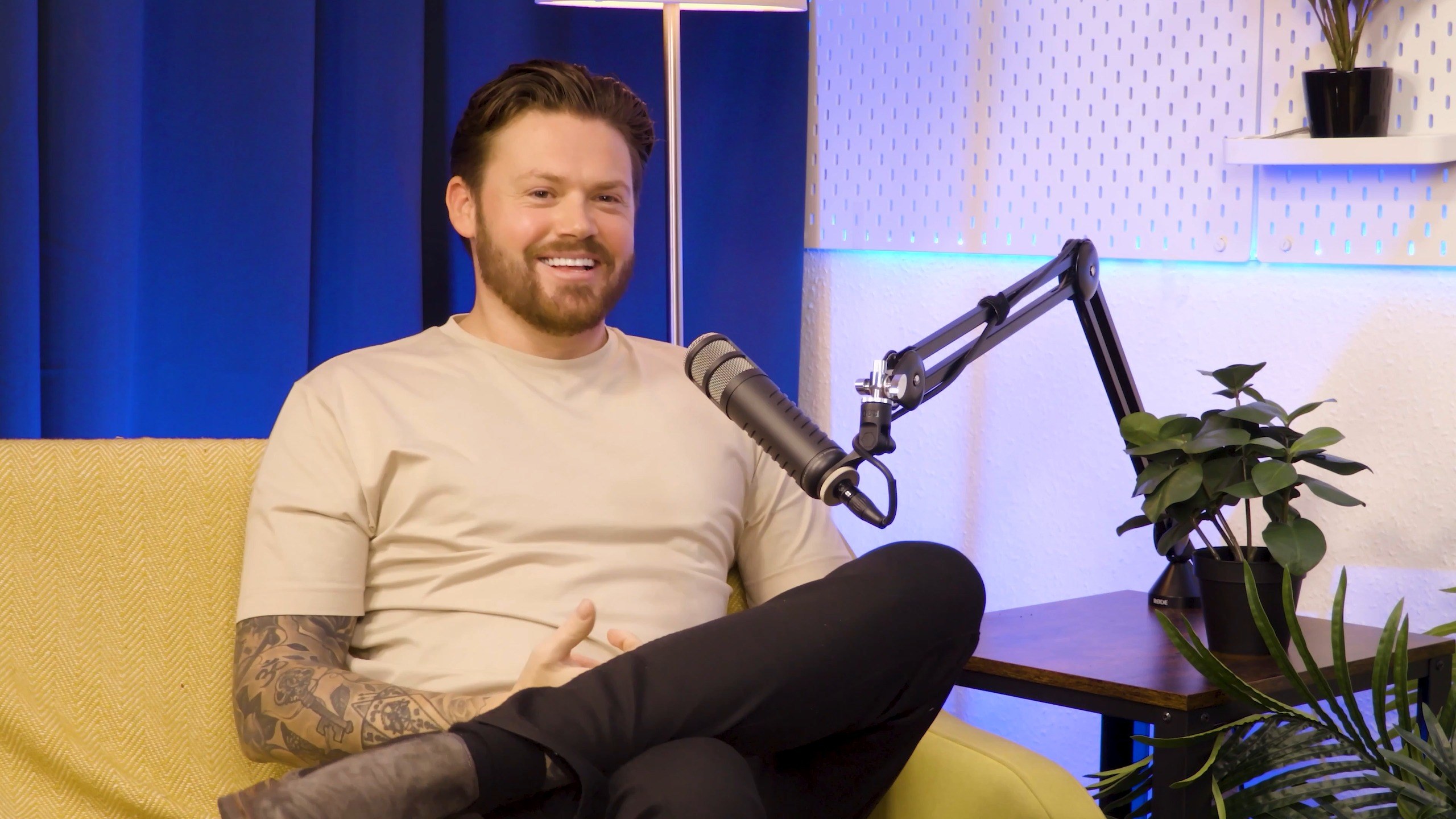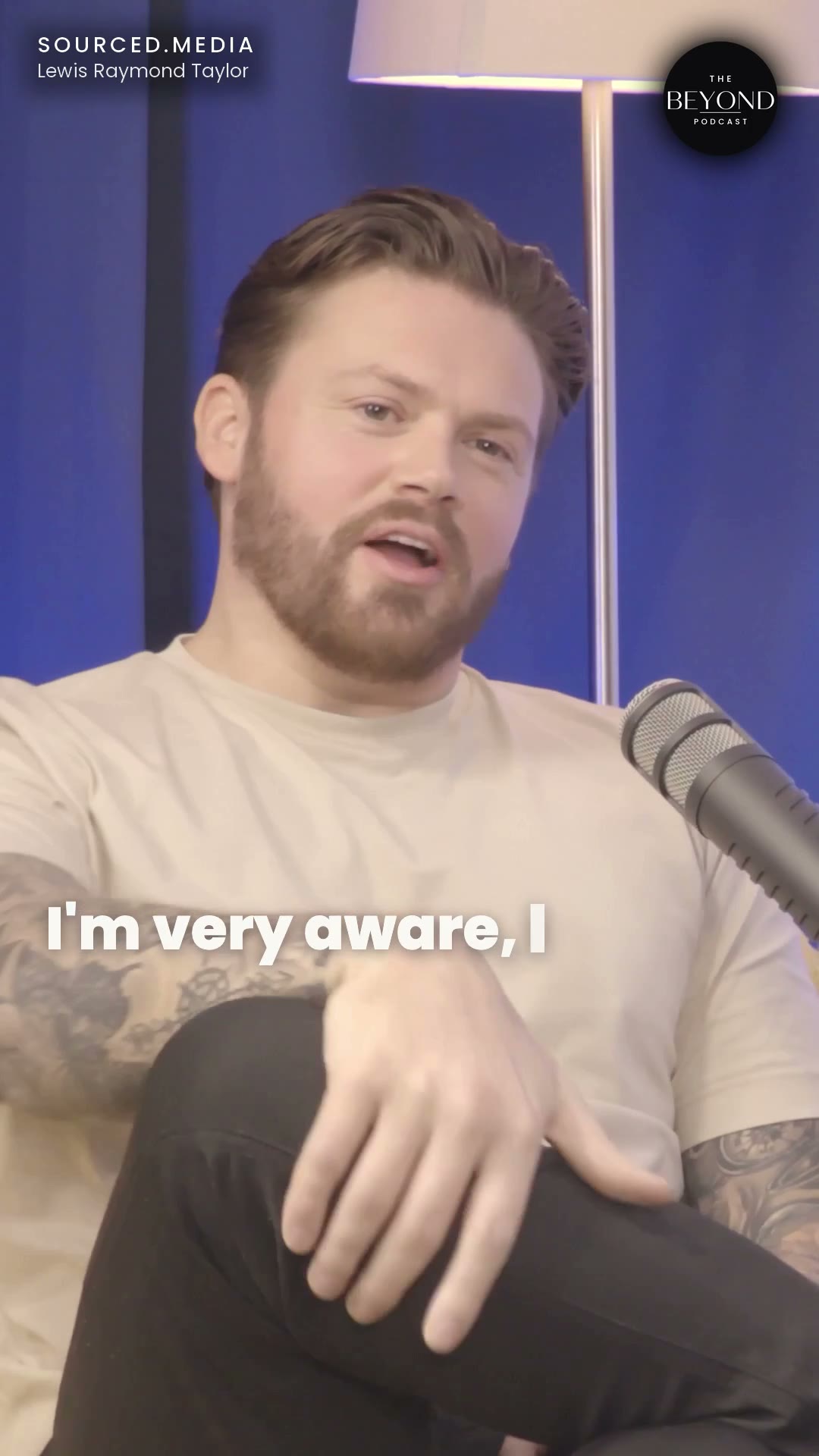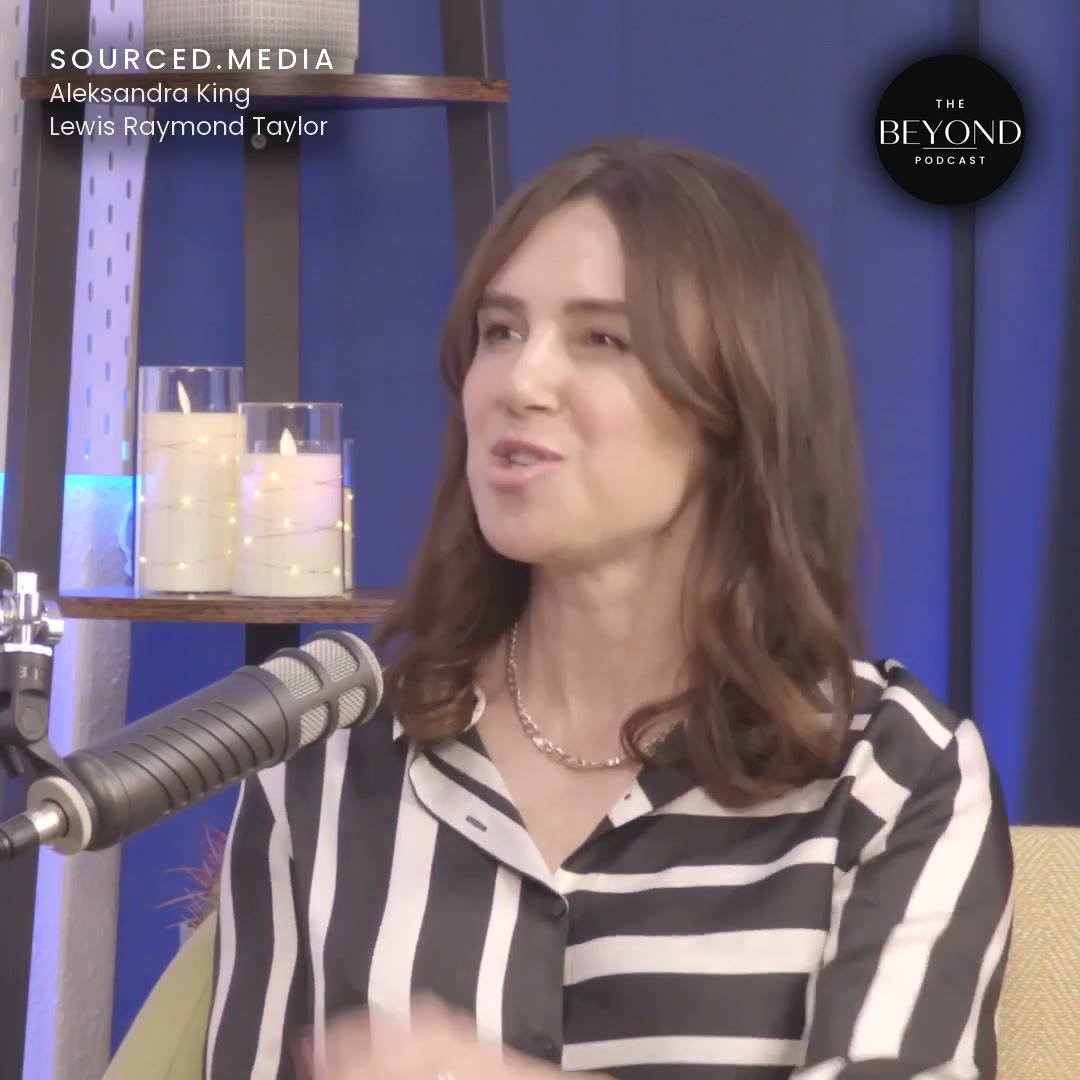
Lewis Raymond Taylor, chief executive of The Coaching Masters
Story
Interview with a psychopath: Lewis Raymond Taylor on prison, change and life without a rock bottom
Lewis Raymond Taylor, chief executive of The Coaching Masters
Lewis Raymond Taylor, the subject of Netflix's The Psychopath Life Coach, went to prison three times before he decided to change. In this psychopath interview with Aleksandra King on The BEYOND Podcast, he explains what it is like to live with almost no visceral emotion. He also explains why prison never felt like a rock bottom, and how a flat emotional range became the way he plans a business.
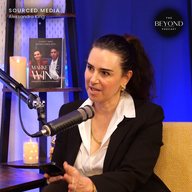
 Aleksandra KingPodcast Host and Producer, The BEYOND Podcast
- Source
- The BEYOND Podcast, hosted by Aleksandra King, with guest Lewis Raymond Taylor
- Full episode
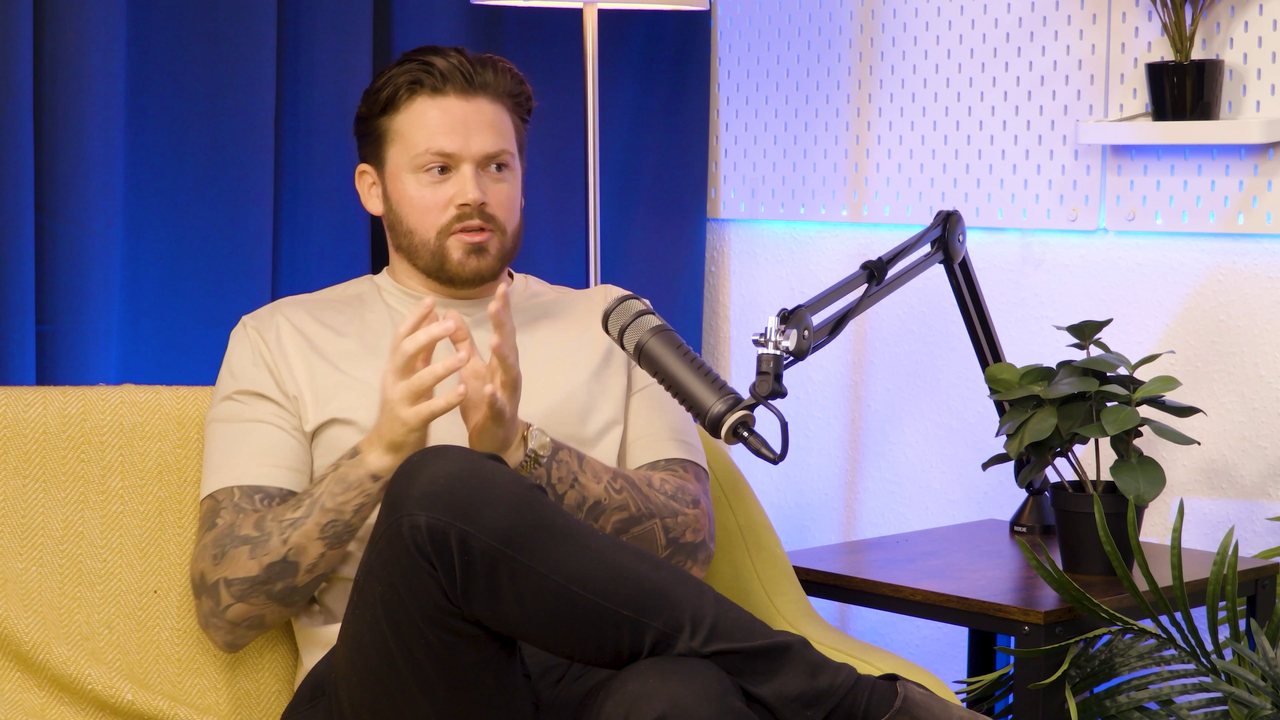
Takeaways
- A knowing, not a feelingHe understands emotions cognitively but has little visceral reaction, so even a death brings only a brief flicker of feeling.
- A spectrum, not a diagnosisHe says psychopathy is a label for the extreme end of antisocial personality disorder, and that the dangerous extreme is a tiny part of it.
- Violence as a search for feelingFighting gave him significance and adrenaline, and alcohol mixed with cocaine took away what control he had.
- No rock bottomPrison never felt like a low point to him, because he did not see a problem in his life and wanted to avoid a mundane one.
- The problem and the solutionChange began when a friend's caption, 'Nothing changes', made him see that he was the problem and also the solution.
- Success is not fulfilmentHe knows that his drive for significance, fame and success stands in for wanting to feel loved, and that it will not give him what he needs.
Lewis Raymond Taylor, chief executive of The Coaching Masters, in coaching, told podcast host Aleksandra King on The BEYOND Podcast about life as a psychopath. Lewis Raymond Taylor, the guest on this episode of The BEYOND Podcast, accepts the label of psychopath and talks about it with unusual openness. He describes a mind that understands emotions and knows right from wrong, while feeling very little of either in the body. Aleksandra King opens by admitting she has never interviewed a psychopath before, and the conversation that follows is his attempt to explain what that word does and does not mean.
His history is not softened. He was expelled from school at 15 and went to prison for the first time at 18. At 25 he hit a man in a taxi queue who fell, struck his head and spent three days in a coma. He says the clinical diagnosis behind the label is antisocial personality disorder, given to him in a psychiatric assessment before he was sentenced. In his account it has no cure, only management.
What makes the conversation more than a confession is his account of change, which did not come from remorse or from any sense of having hit the bottom. It came from a caption on a photograph, a scratched metal mirror in a cell and a prison tutor who asked him what the matter was. King pushes back throughout, and their disagreements about empathy, fear and ambition say as much as his answers do.
What does it mean to live with almost no visceral emotion?
Asked by King whether he feels anything at all, Taylor draws a line between knowing an emotion and feeling it in the body. He has what he calls cognitive emotions, so he can describe how he feels, but the visceral reaction that most people take for granted barely registers. He offers a comparison he plainly uses often, and it lands.
It's like asking a blind person why they can't see.
The detail he adds is more careful than the label suggests. Fear and the everyday swell of empathy that consume other people stay at a flat baseline for him, but something significant does reach him, if only briefly. He kept five cats at one point, rescued from the street in Bali. He would care if he saw one run over, while knowing the feeling would be slight and short.
It'll be like a tiny little flicker, and it will go straight away.
That distinction between cognitive understanding and a physical response runs through everything he says afterwards, from his son to his business. He describes the range he does have as very flat, shallow and lower than other people's, and he does not pretend that he can choose which emotions to keep.
From the recording
Why did he agree to be called The Psychopath Life Coach?
The documentary about him was not first given that title, he explains, but as the film took shape the psychopath label became its unique edge. He accepted it for reasons of marketing rather than pride. A sensational title gets watched, he reasons, and an audience gives him a platform to educate and inspire people.
I'm logic first, I'm not emotion first.
King asks whether he ever regrets being so open about prison, addiction and his diagnosis. He says he is totally comfortable, with one exception that is recent. Since the first documentary he has had a son, and while filming a second feature (one that will be aired in Germany) he was asked whether he loves him.
I just have a very flat range, and it's a knowing rather than a feeling.
His answer was yes, but he does not necessarily feel it, and he knows his son may one day watch the film and hear that. This is the nearest he comes to discomfort in the whole conversation. King points out that his concern for how the boy will understand it is more than many parents show.
He does not regret any of it, he says, but this was probably the first time that being open made him uneasy.
I felt uncomfortable with how my thoughts might be perceived because I'm now aware that it's not just me.
Is psychopathy a diagnosis, or a spectrum?
Taylor is precise about the language, and the precision matters to how he wants to be understood. Psychopathy, he says, is not in the DSM, the diagnostic manual, but is a label people put on the extreme end of the spectrum of antisocial personality disorder. That was the diagnosis a psychiatric assessment gave him before he was sentenced, alongside earlier diagnoses of bipolar disorder and emotionally unstable personality disorder.
You can't actually be a diagnosed psychopath.
He places himself well away from the extreme. The people who care about nothing and nobody, and who want to harm whoever they meet, are in his account the small fraction known from serial killer documentaries. His own values and morals are learned and chosen, held because he knows he wants to live by them rather than because a gut feeling tells him to.
I'm not a full-blown psychopath that cares about nothing and nobody other than myself and would go out and want to create harm to everybody I come across.
The diagnosis itself meant little to him for years, because he assumed he had been labelled simply for behaving badly. It made sense only later, when he was coaching other people and listening to them, and realised that he was not like them. He puts the share of psychopaths at 1 per cent of the population, most never diagnosed because nobody wants the label. There is no proven cure, he says, only management.
I'm proof that you can manage it, and you can very much use it to your advantage.
Where did the violence come from?
Taylor traces his fighting to two needs. The first was significance, which he says stood in for the love he did not feel from his family. Either it was not shown to him or he could not receive it, and he suspects a little of both. As a boy he chased attention through acting, singing and dancing. When that stopped he found it by behaving badly, until he was expelled from school at 15 for refusing to accept the authority of staff.
The second need was feeling itself. Adrenaline, he explains, gave a body that otherwise felt flat a sensation of some kind. That is why he believes many people with antisocial personality disorder turn to drink and drugs. He grew up among friends who were proud of their violence, in a culture where the better fight won the more popularity. He admits he was probably one of the worst of them.
I quite liked the fighting.
Alcohol made him explosive, and cocaine taken to sober up from it led to the mixture he names as cocaethylene. In that state he blacked out and did the craziest things. He is careful to say that he takes no pride in any of it now. Most of the psychopathy checklist, he notes, is behavioural, and he has changed his behaviour, though the biological traits remain.
I don't feel empathy, I don't feel fear.
Transcript
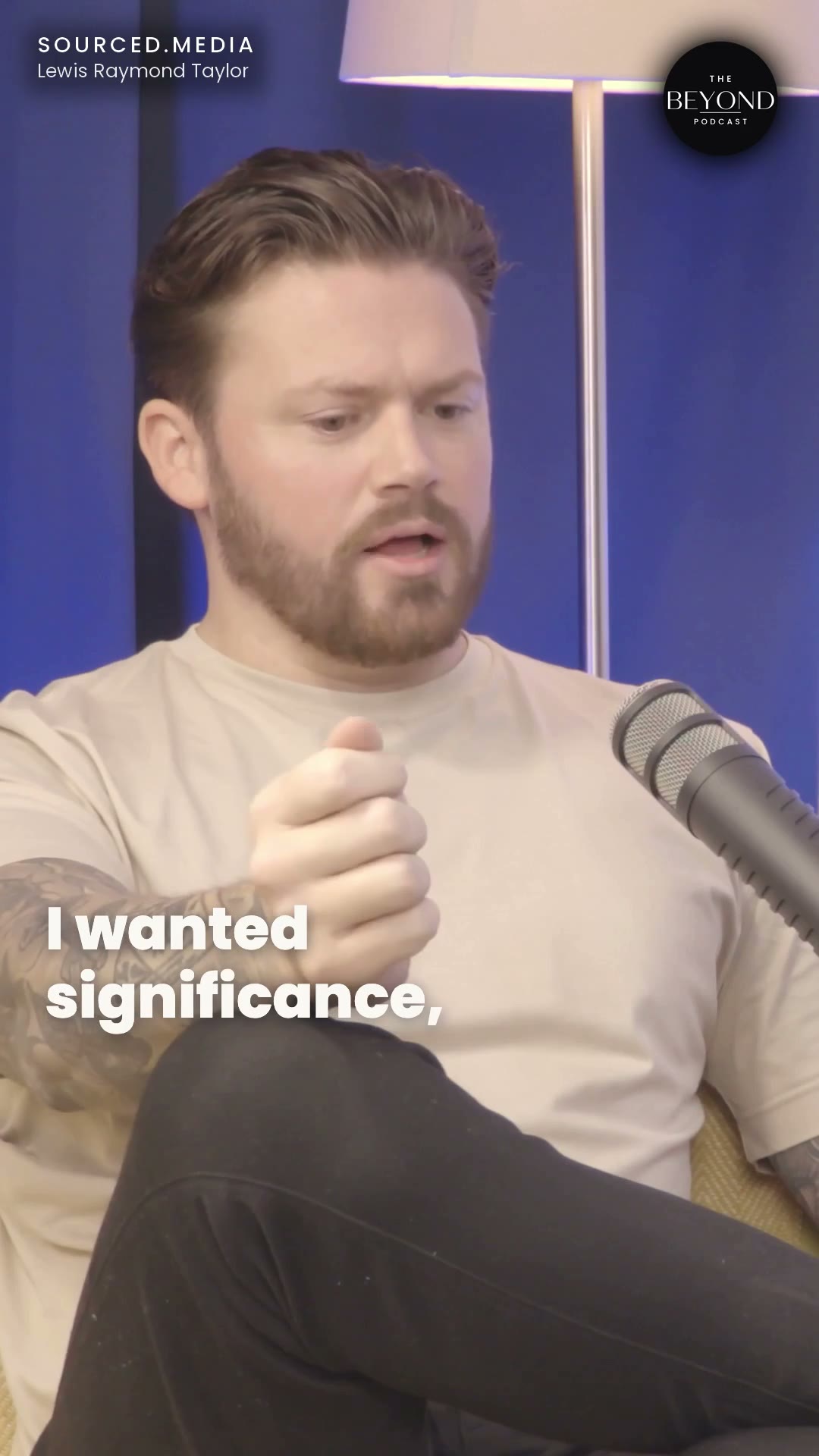
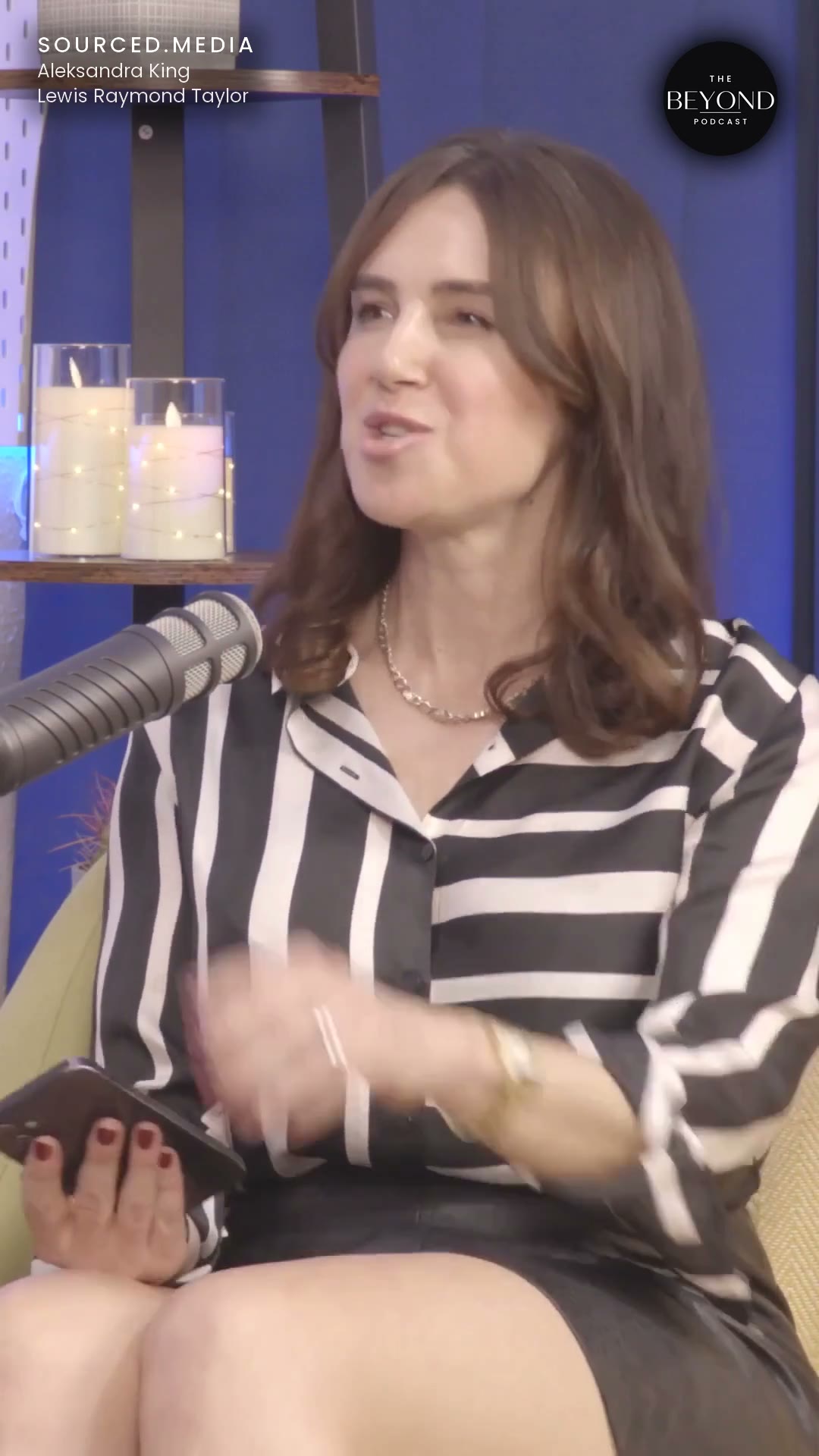
Lewis Raymond Taylor: Because there's an element of chaos that I'm attracted to, and this actually brings you back to the question you asked me earlier: why were you fighting? I wanted significance, and I felt that through the power of violence I could get an element of significance. But also, I realise now, it was a search for feeling, because that adrenaline becomes a sensation. And though that was more of a physiological reaction in my body, it was still something. Lewis Raymond Taylor: And that's why a lot of people with an antisocial personality disorder will use drink and drugs, because they're just trying to stimulate themselves. So I think fighting was a way of doing that, but chaos and sabotage also gave me an element of feeling and adrenaline, and, yeah, you got a rise out of it.
Why was prison never his rock bottom?
King keeps returning to the idea of a rock bottom, and Taylor keeps declining it. He went to prison three times, first at 18 in a young offenders institution where inmates ranked each other by the seriousness of their crimes. He says he enjoyed it, drawn by the chaos and the extremes. Riding to jail in a prison van, handcuffed in a tiny cubicle, he looked at people walking to work and felt glad not to be them.
I didn't see the problem.
The assault that sent him back was the one he describes in most detail. At 25, after a man of 40 shouted at him in a taxi queue, he hit him. The man struck his head on the ground and spent three days in a coma. Taylor says he felt justified at the time, regretted mainly that a camera had caught it, and waited to be arrested after putting his coat over the man.
He links that night to his father, who drank, called him a buffoon, told him he would never amount to anything and hit him. He frames his own case as the meeting of a predisposition with an environment that brought it out. He later tried restorative justice, which the man chose not to take part in. He was sentenced to 18 months, half of the three years he would have faced, for pleading guilty at the scene.
I didn't see that as my rock bottom.
From the recording
What changed when a friend wrote "Nothing changes"?
The turning point came from an unlikely place. Calling friends from prison to hear what people were saying about him, Taylor learned that one of them had posted two photographs. One was taken outside the courtroom on the day he was sentenced, the other outside the same courtroom seven years earlier. The caption read "Nothing changes", and because it came from a friend who was, in his words, just as bad as him, he listened.
Back in his cell he caught his reflection in the scratched piece of metal that serves as a prison mirror. He says he saw himself for the first time. He had been refusing responsibility and blaming everything and everyone around him. The realisation that followed is the line the episode keeps returning to, that he was the problem but also the solution, and that he could become someone else entirely.
I could change and I wanted to change.
From that moment, he says, the help he had been ignoring was suddenly visible. There were maths and English programmes, a rehabilitation programme and the prison gym, and he signed up. On his first day in the classroom, at 25, he screwed up the paper and refused to look at the board. Then a tutor called Susie sat beside him and asked what the matter was.
Nobody had asked him that before, and his answer surprised him, that he did not understand. He came to see that the belief he was stupid had come from his father. When Susie gave him the value of pi to learn, he memorised it overnight. He later recited it to 500 decimal places, with the other tutors called in to test him. Asked whether he could go to university, she told him of course he could.
It was a level of belief that no one had had in me before, including myself, but I got it when she said it.
He went from prison to six months in rehab, then to an access course at 26, where he gained a distinction in every module. A business degree followed, which he left for his own business. He says he later completed a PhD in Transformational Education. He now wants to change how education is delivered, through an alternative degree he has been building.
From the recording
Watch the full episode
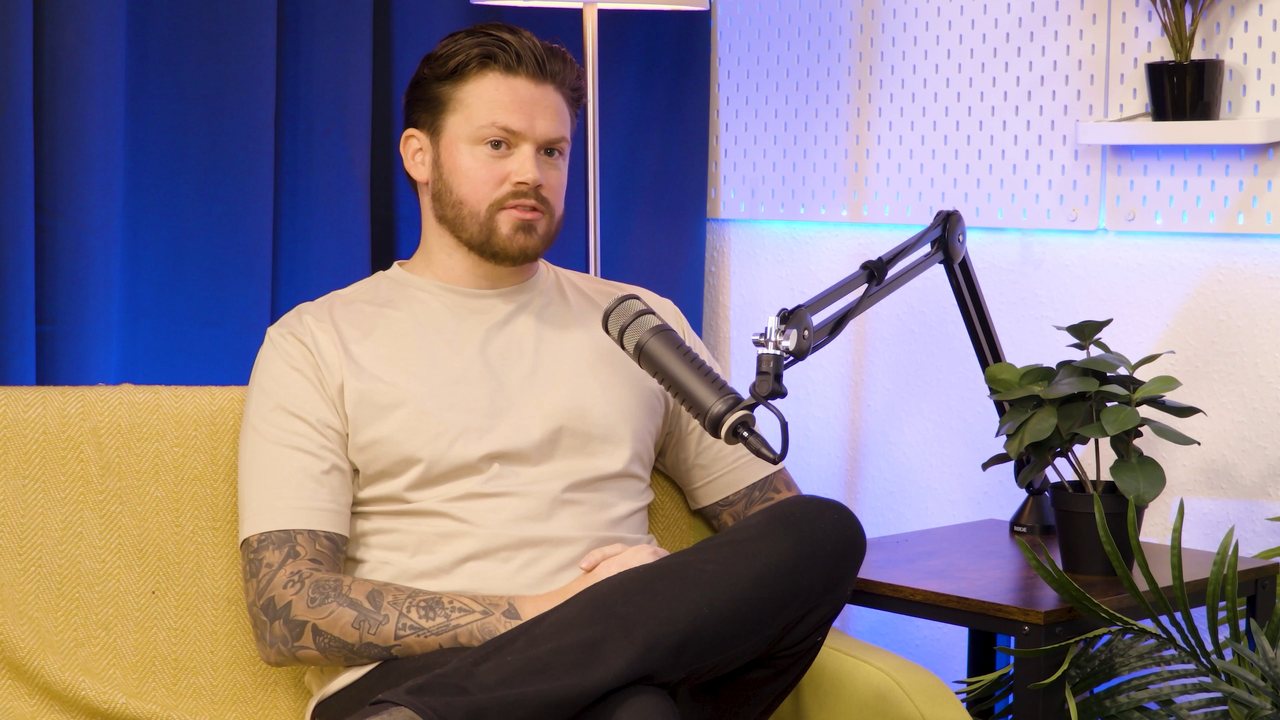
Watch the full episode on YouTube (opens in a new tab): Lewis Raymond Taylor on The BEYOND Podcast · the episode page on the show’s site (opens in a new tab)
How does a flat emotional range work in business?
King asks how his personality has helped him build a business, and Taylor answers with the logic of compensation. A deaf person, he suggests, may see better and a blind person may hear better. In the same way, a mind that is less emotionally reactive has had to become more cognitively aware. He describes winning a client as seeing a plan laid out in front of him, with every step visible and each new piece of information slotted into place.
Because I'm less emotionally reactive, I become more cognitively aware.
Strategy alone is not the advantage, he says, because some people simply have it and others learn it. What he believes sets him apart is that fear, insecurity and doubt do not stop him acting on the plan. For most people, in his view, they slow every step or stop it altogether. He finds anxiety about scenarios that have not happened almost bizarre, and asks himself instead what the logical outcome will be.
Because a lot of people know what they need to do, but they don't do what they know.
King describes herself as driven entirely by emotion and as someone who plans 10 or 15 outcomes for every situation. She argues the other side, and the exchange becomes a friendly contest between her care and his logic. He turns the questioning back on her more than once, coaching the interviewer on her perfectionism, and he insists it is not meant as an attack.
From the recording
Why has success still not brought him fulfilment?
For all the advantages he claims, Taylor is frank about what they cost him. He compares his ambition to climbing a mountain that never has a top, because he keeps piling more snow on it. No result, he says, ever leaves him content. King asks why he is not celebrating what he has achieved, and his answer is the most revealing in the episode. His drive for significance, fame and success, he says, is a substitute for wanting to feel loved. Every layer of success confirms that it will not give him what he wants.
I know that I want to feel loved and fulfilled.
He lets the programme run, he explains, because it is moving his life in a better direction, while knowing that it will not take him where he ultimately wants to go. He has tried breathwork, healers, plant medicines and many kinds of therapy in search of that feeling, and he says it flickers every now and again. He would like, if he could, to be the first person to cure psychopathy.
I don't know if I'll ever be able to really, truly feel love.
He closes on the work he does for others, which he admits can sound like a contradiction. Part of it, he says, is a selfish wish to look back one day and feel proud. Part is a real concern for people in the place he once was, held on a cognitive level rather than felt. King ends by apologising for having arrived afraid of the word psychopath, and he accepts the apology.
Just because there's no emotion attached to it doesn't make it any less profound.
About Lewis Raymond Taylor
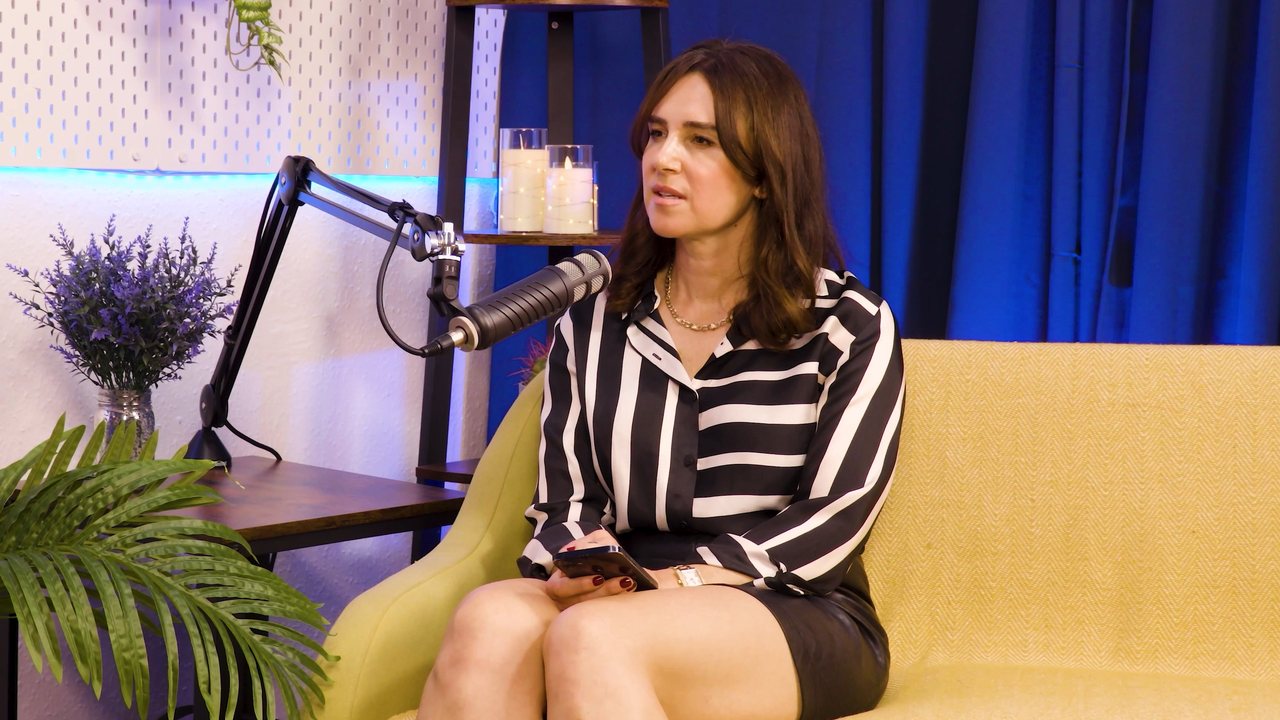
Lewis Raymond Taylor is a coach and the chief executive of The Coaching Masters, and the subject of the documentary The Psychopath Life Coach. He went to prison three times, the last for grievous bodily harm, and says the clinical diagnosis behind the psychopath label is antisocial personality disorder.
After prison he took maths and English courses, spent six months in rehab and completed an access course before leaving a business degree for his own business. He speaks about psychopathy, rehabilitation after prison and coaching.
Website: instagram.com/lewisraymondtaylor (opens in a new tab)
The BEYOND Podcast and Aleksandra King
The BEYOND Podcast is a video interview podcast hosted and produced by Aleksandra King. The full episode is on YouTube, and the show's own site carries the episode page.
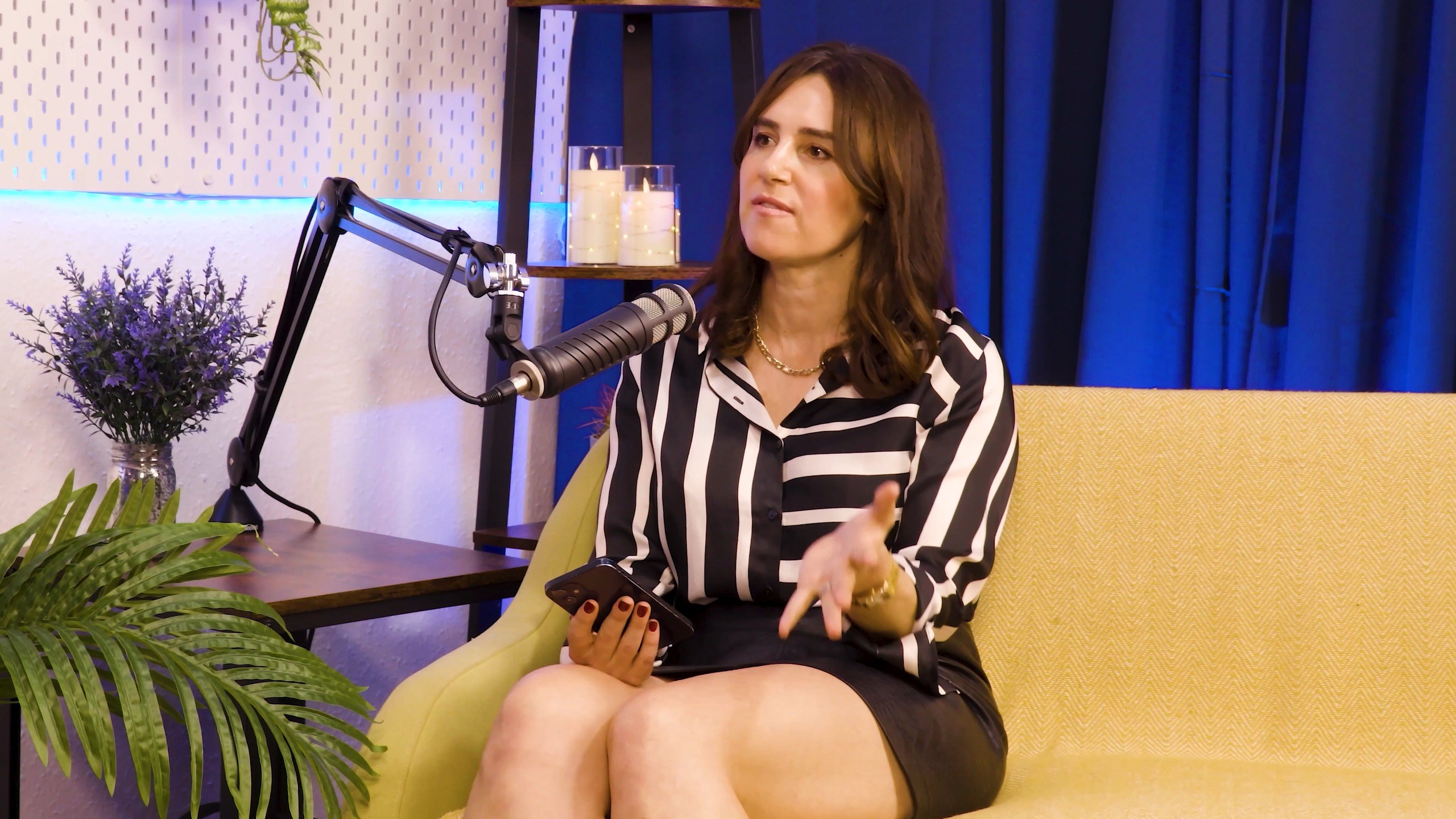
King approaches the conversation as someone who had never met anyone who had been to prison, and she says so. She asks the questions a wary listener would ask, about cats, love, children and remorse. She also argues back when his logic meets her own way of caring, which draws out the costs of his approach as well as its advantages.
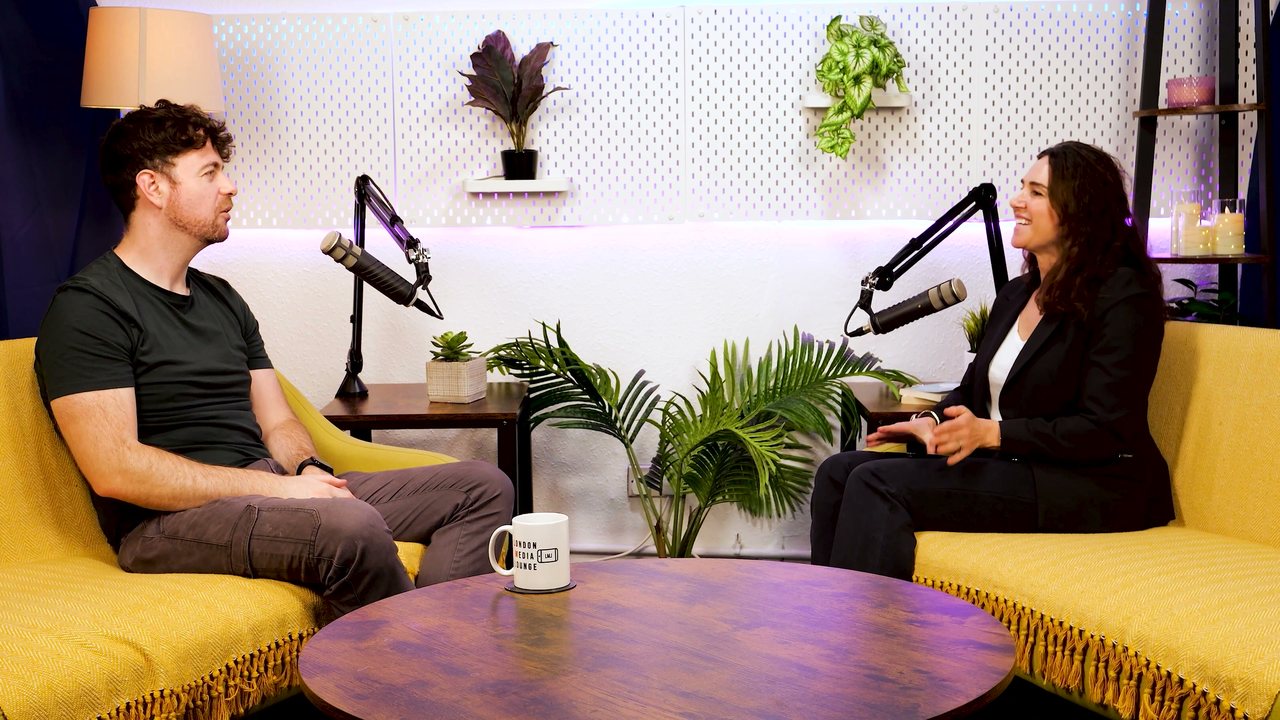
Aleksandra King, host and producer of The BEYOND Podcast and co-author, with Elliott King (opens in a new tab), of Marketing Wins (opens in a new tab).
Cite this page “Interview with a psychopath: Lewis Raymond Taylor on prison, change and life without a rock bottom”. Lewis Raymond Taylor, chief executive of The Coaching Masters, in conversation with Aleksandra King, The BEYOND Podcast, 17 December 2025. Sourced.media. https://sourced.media/the-beyond-podcast/lewis-raymond-taylor/story/ (permanent identifier https://sourced.media/id/C_PAGA5JBA90)
 Aleksandra KingHost