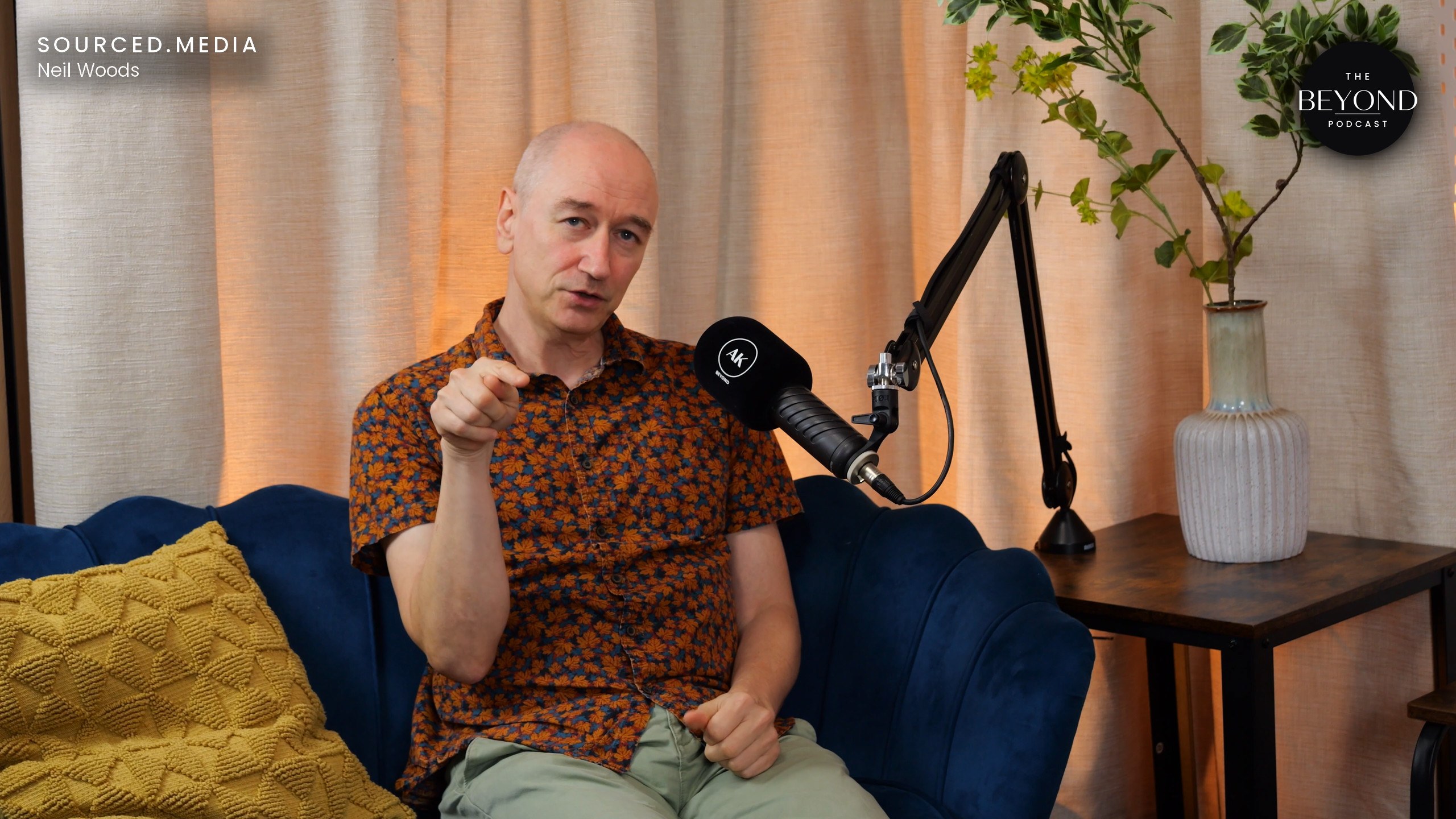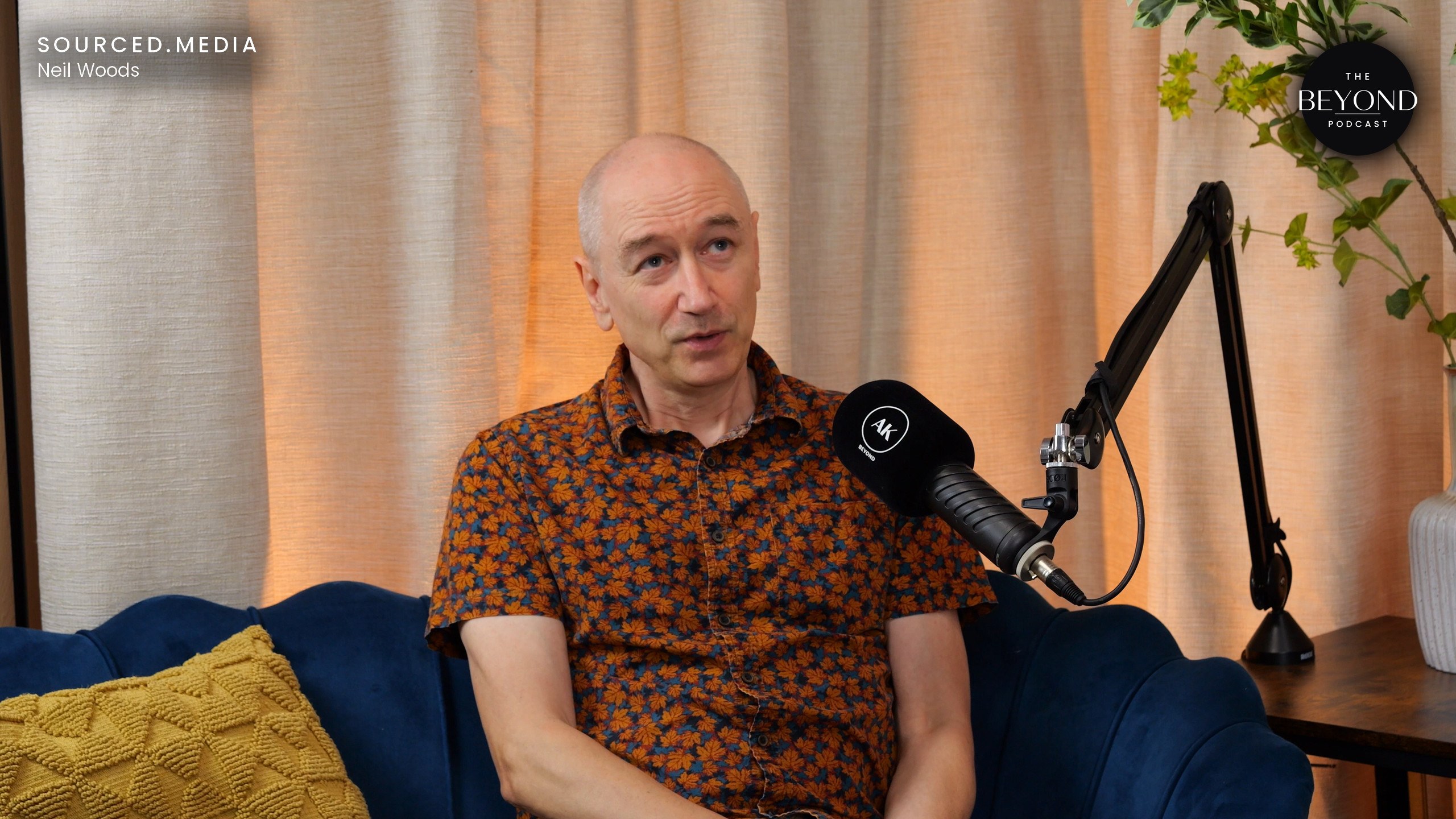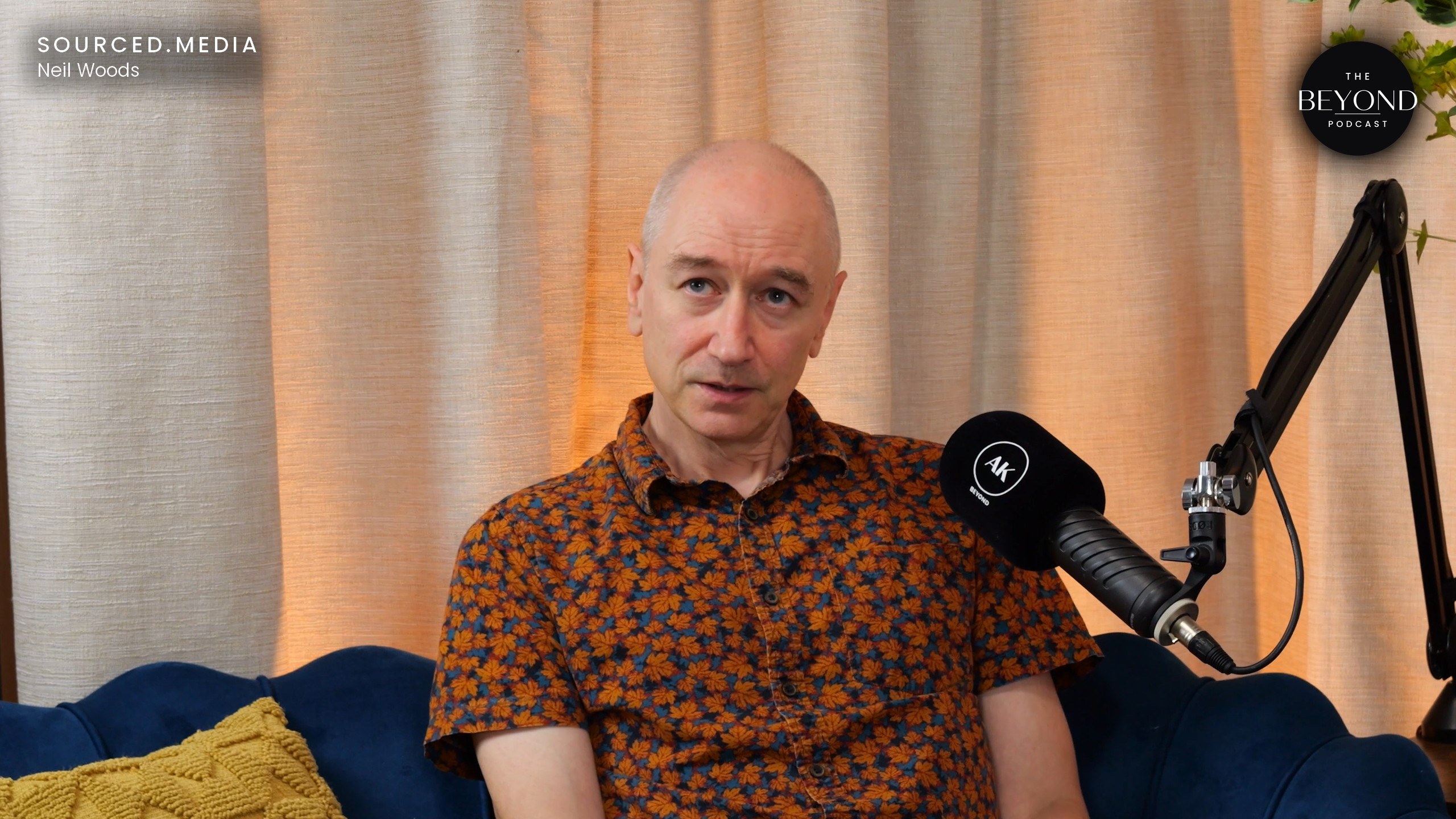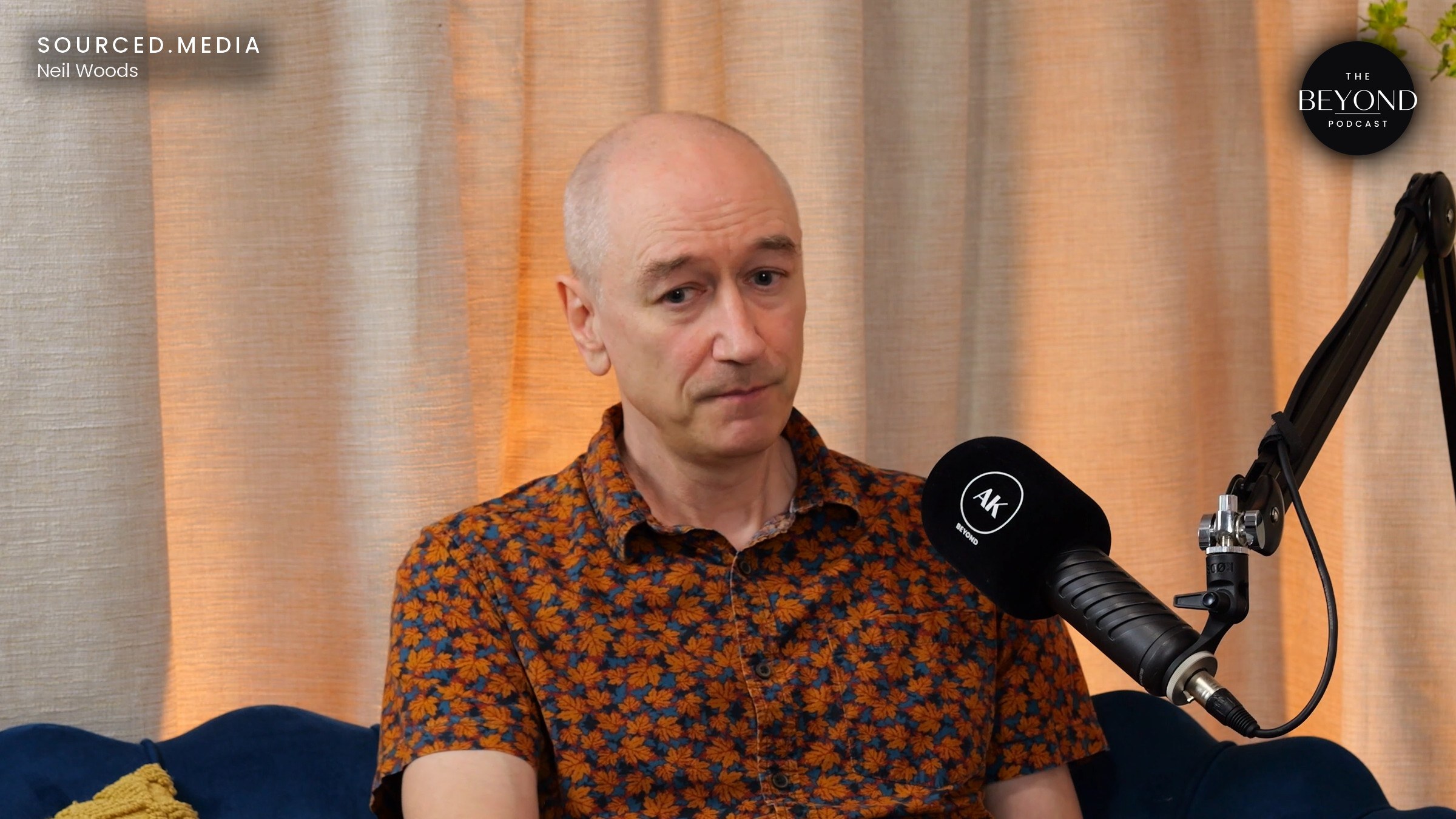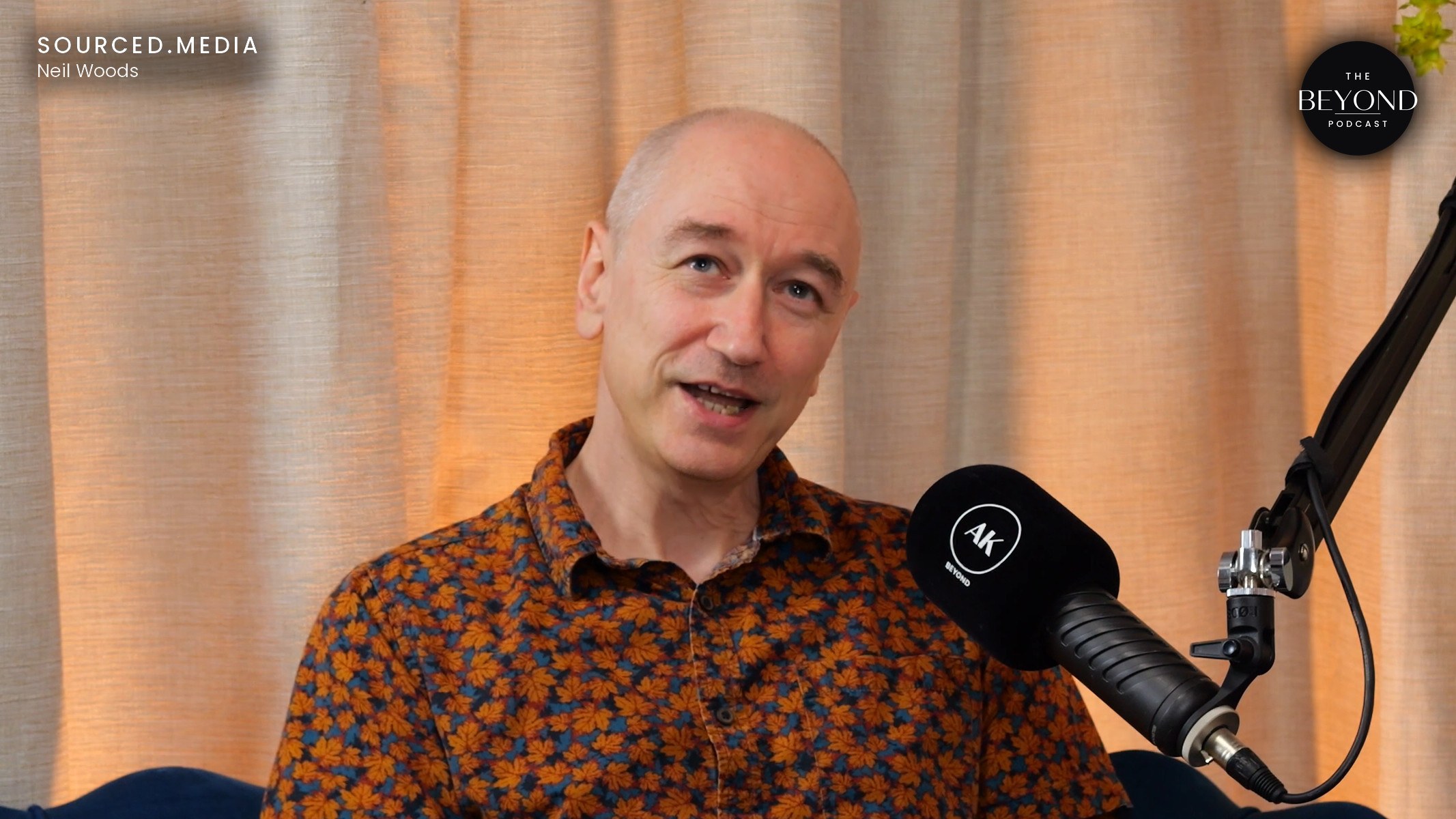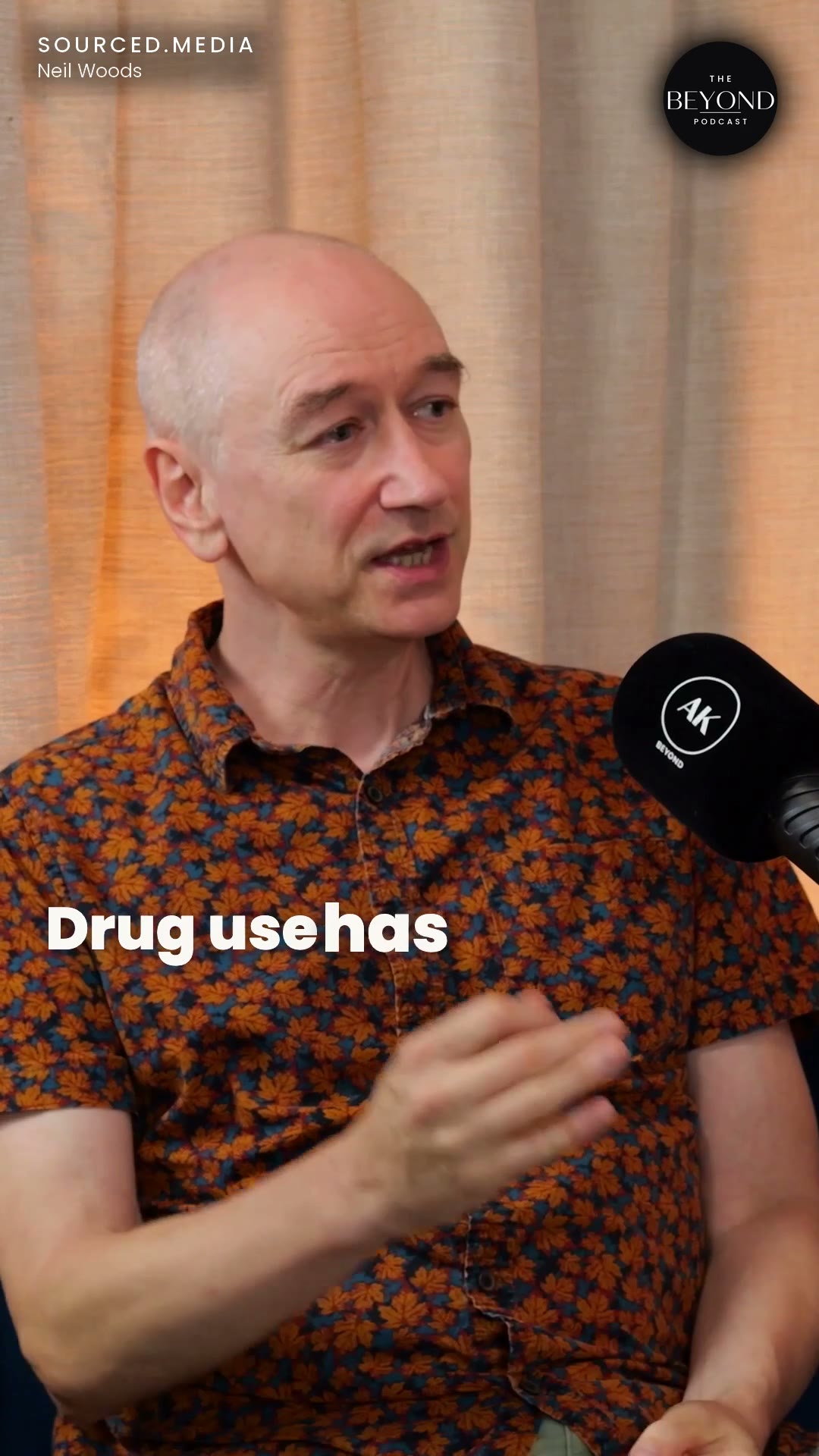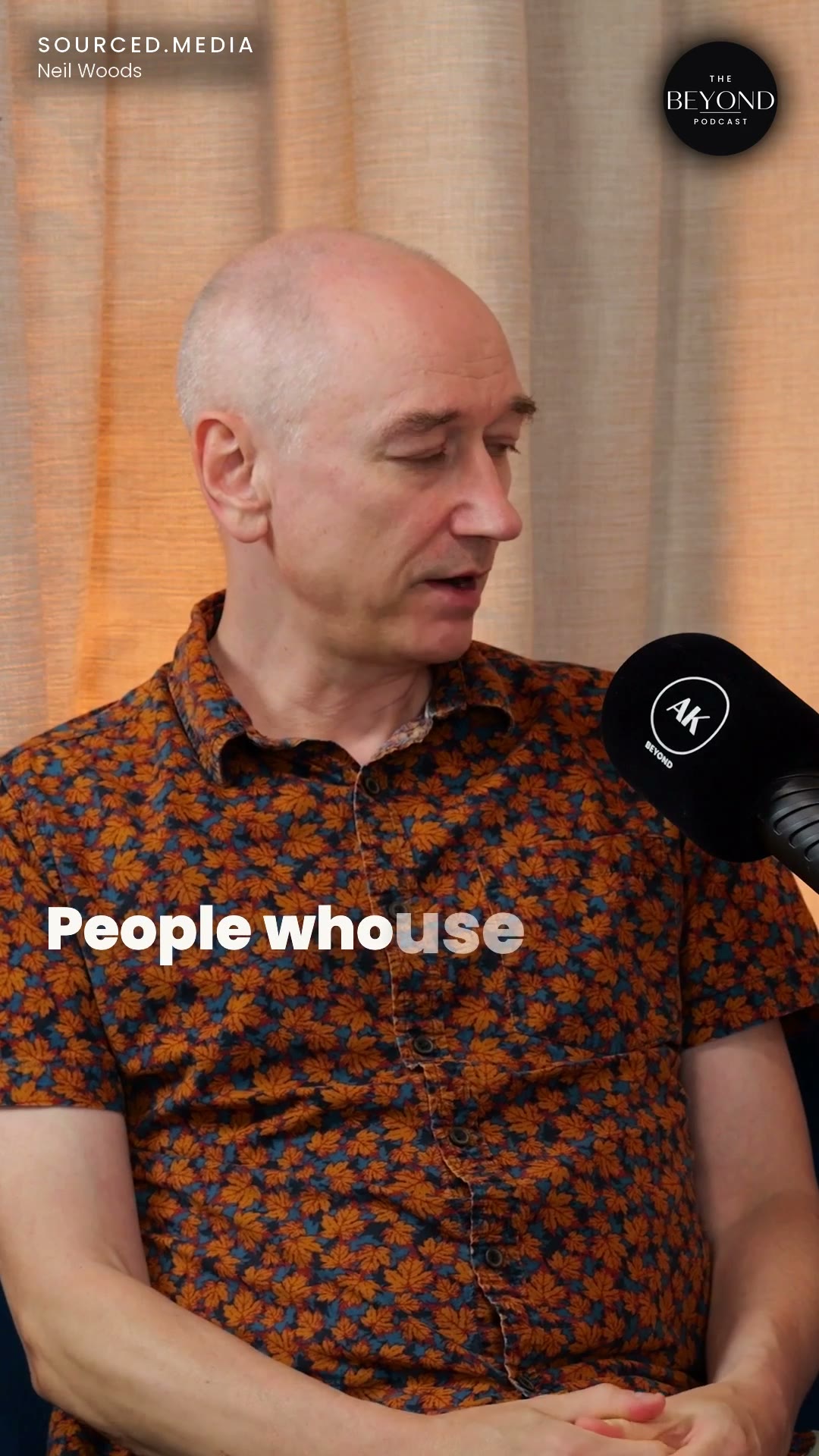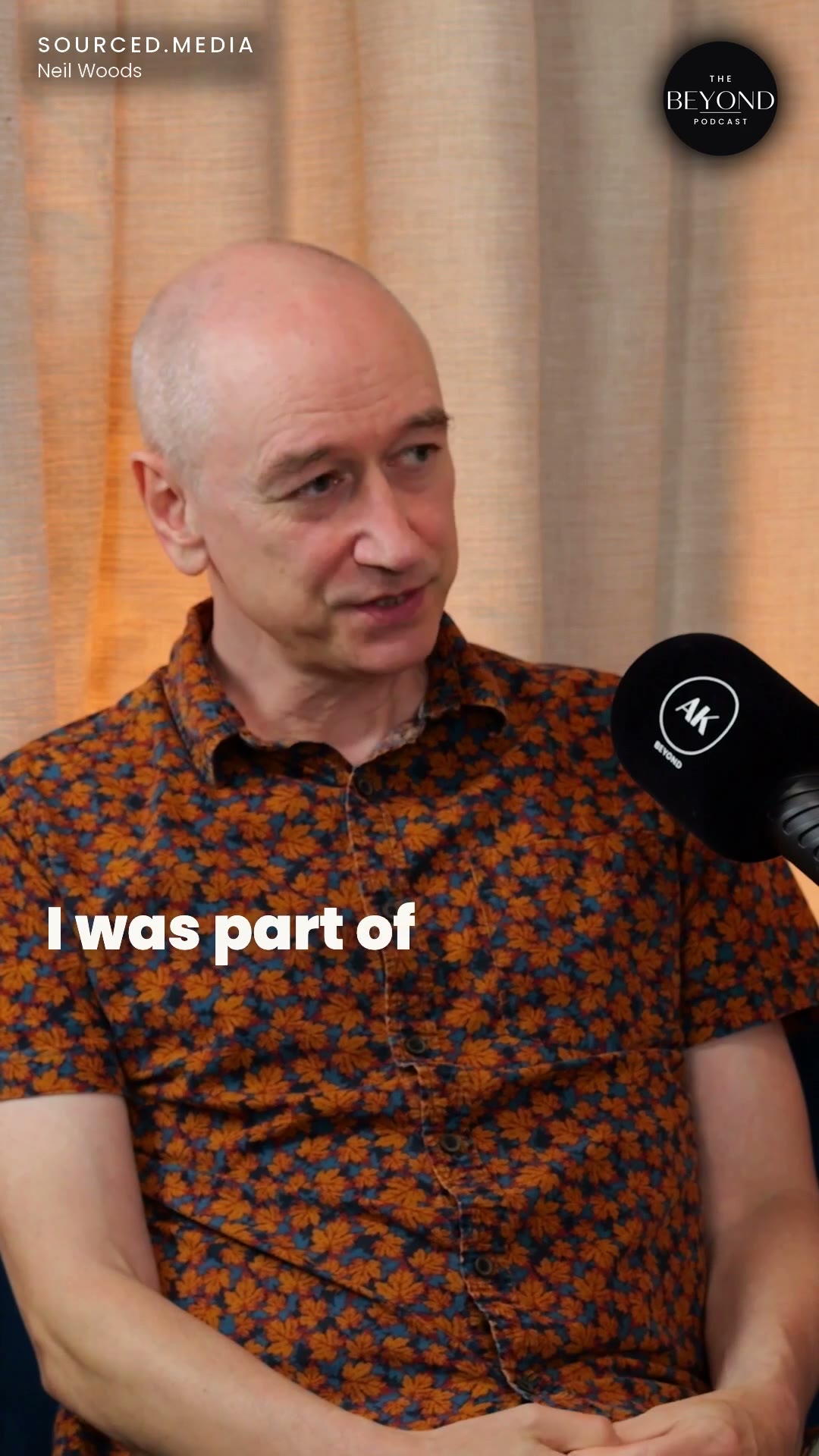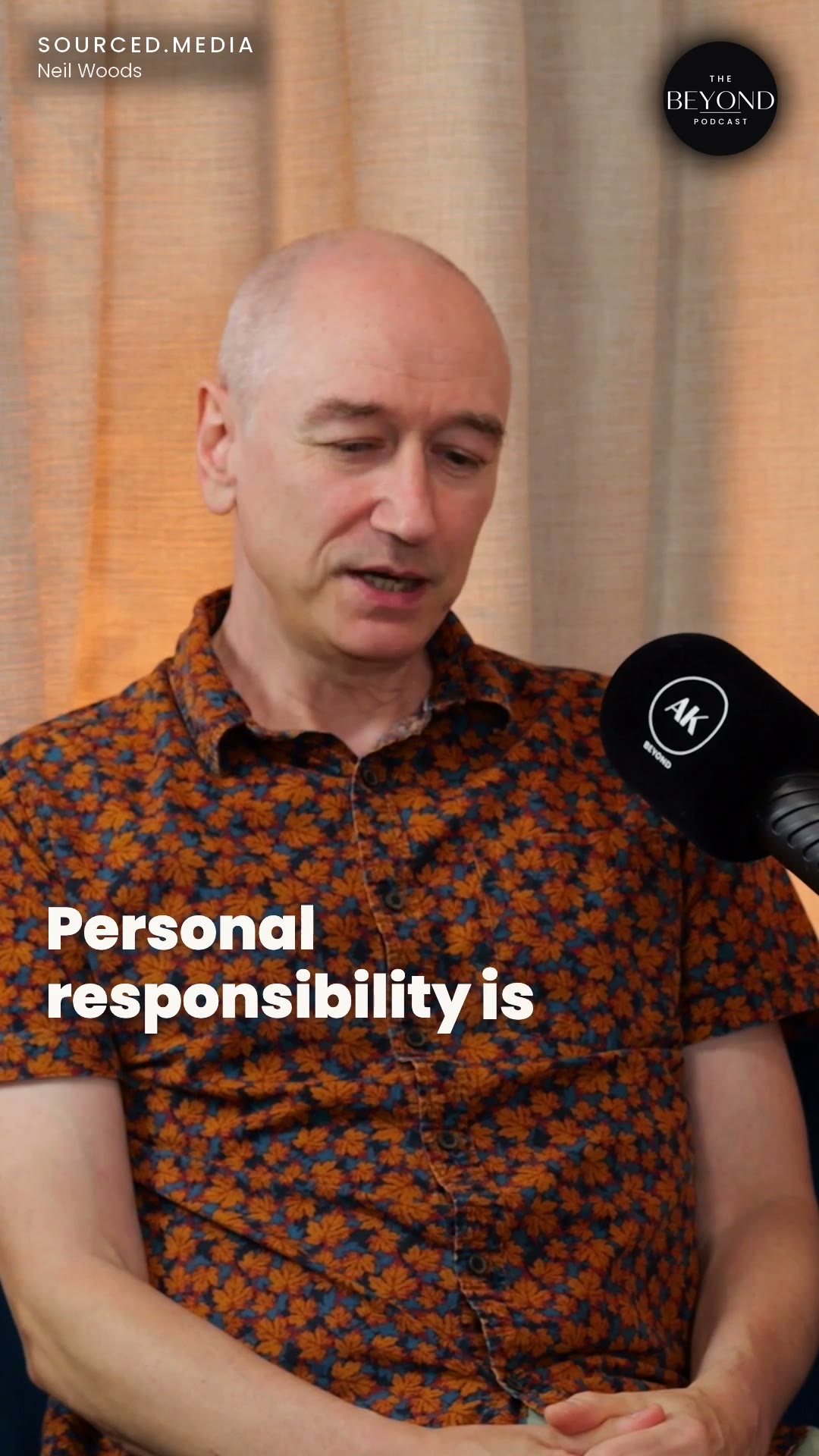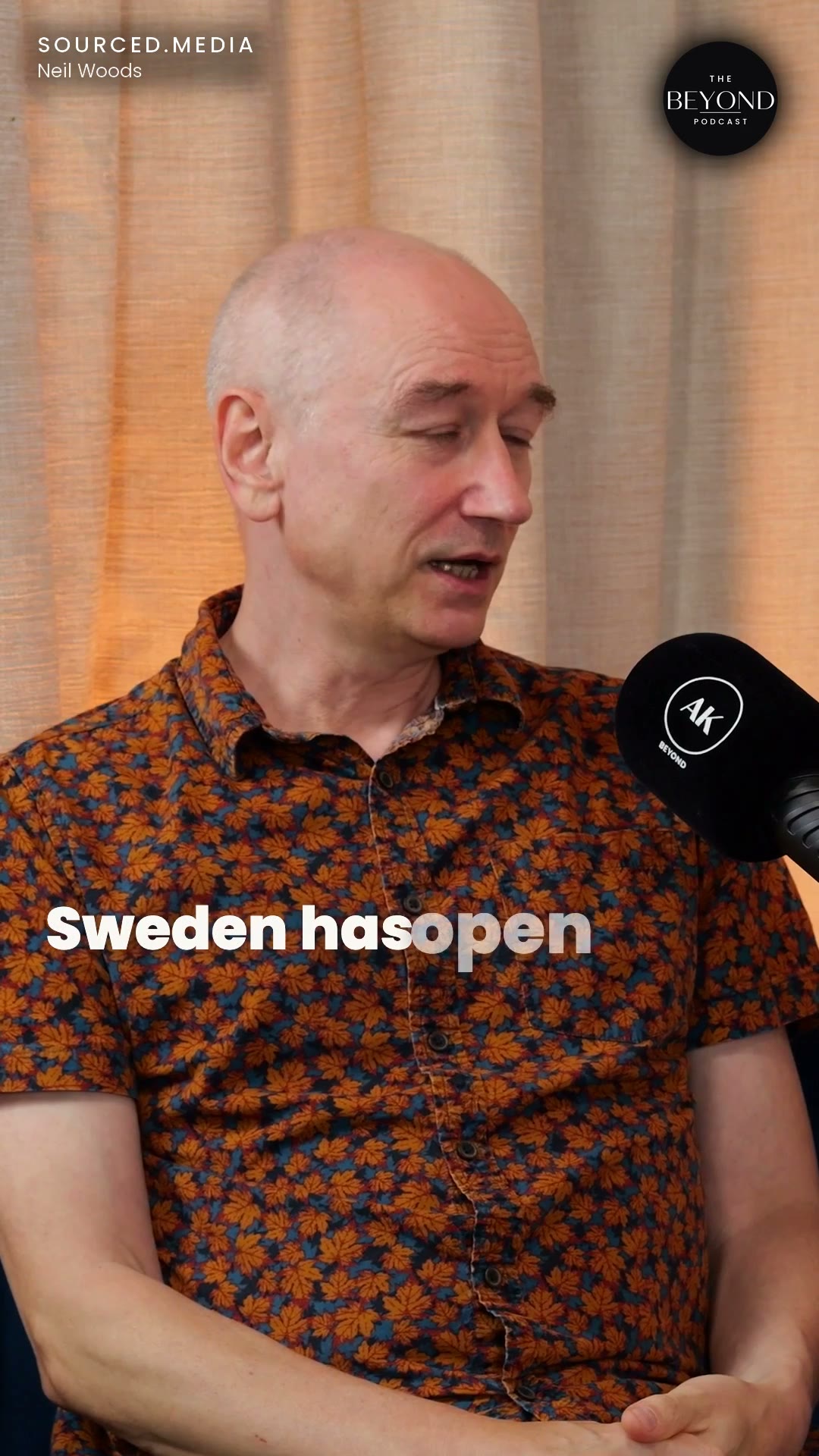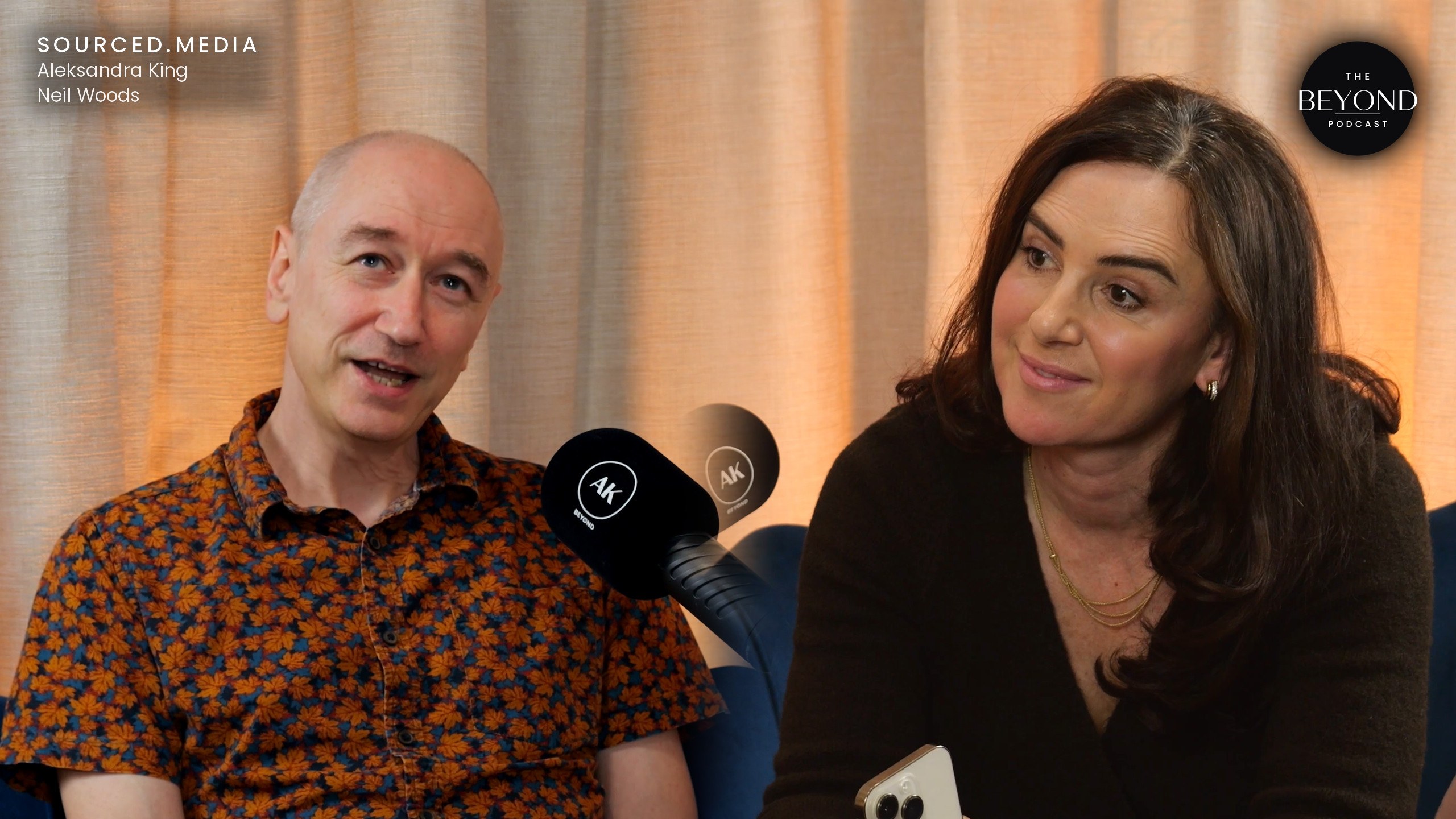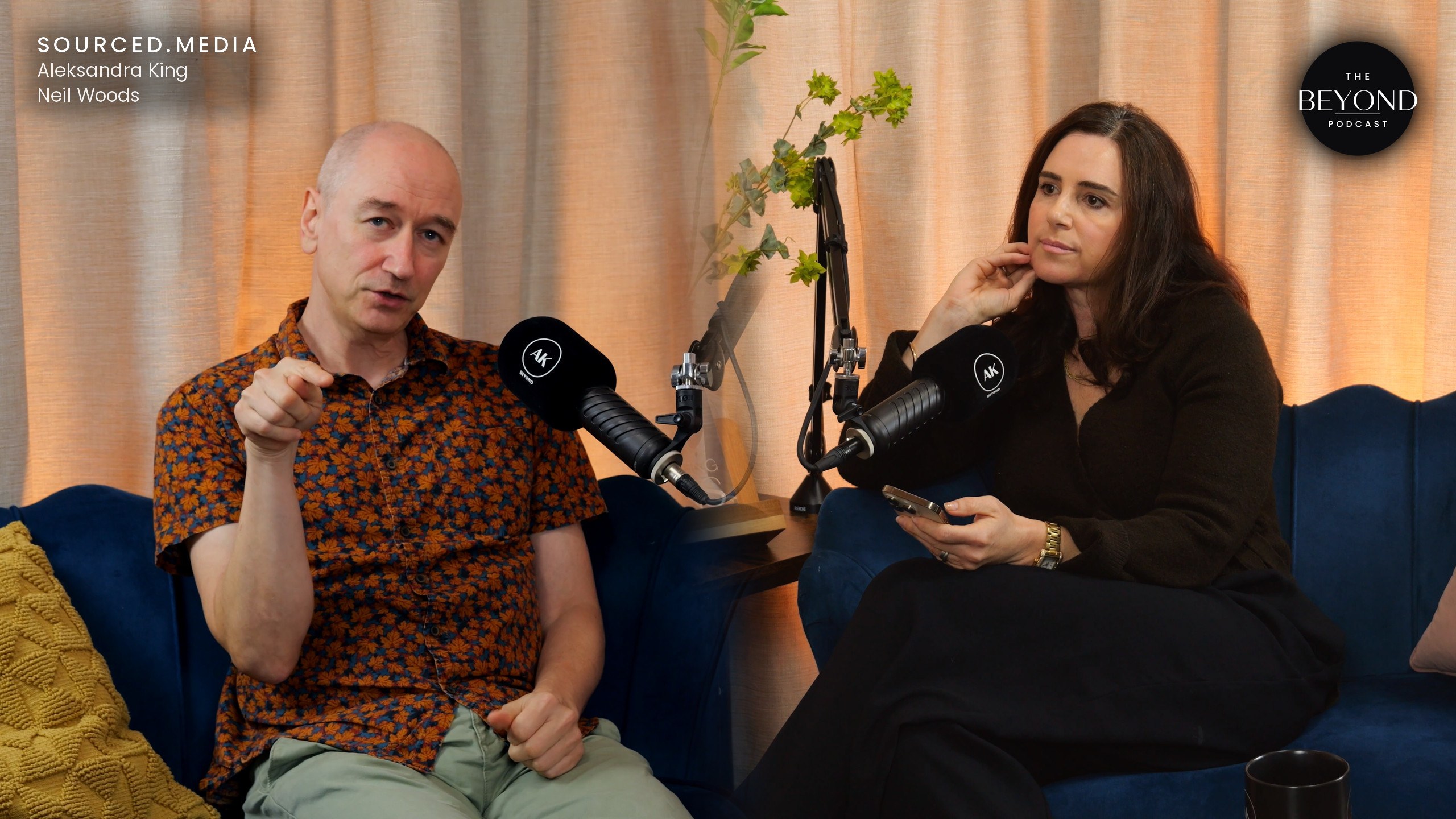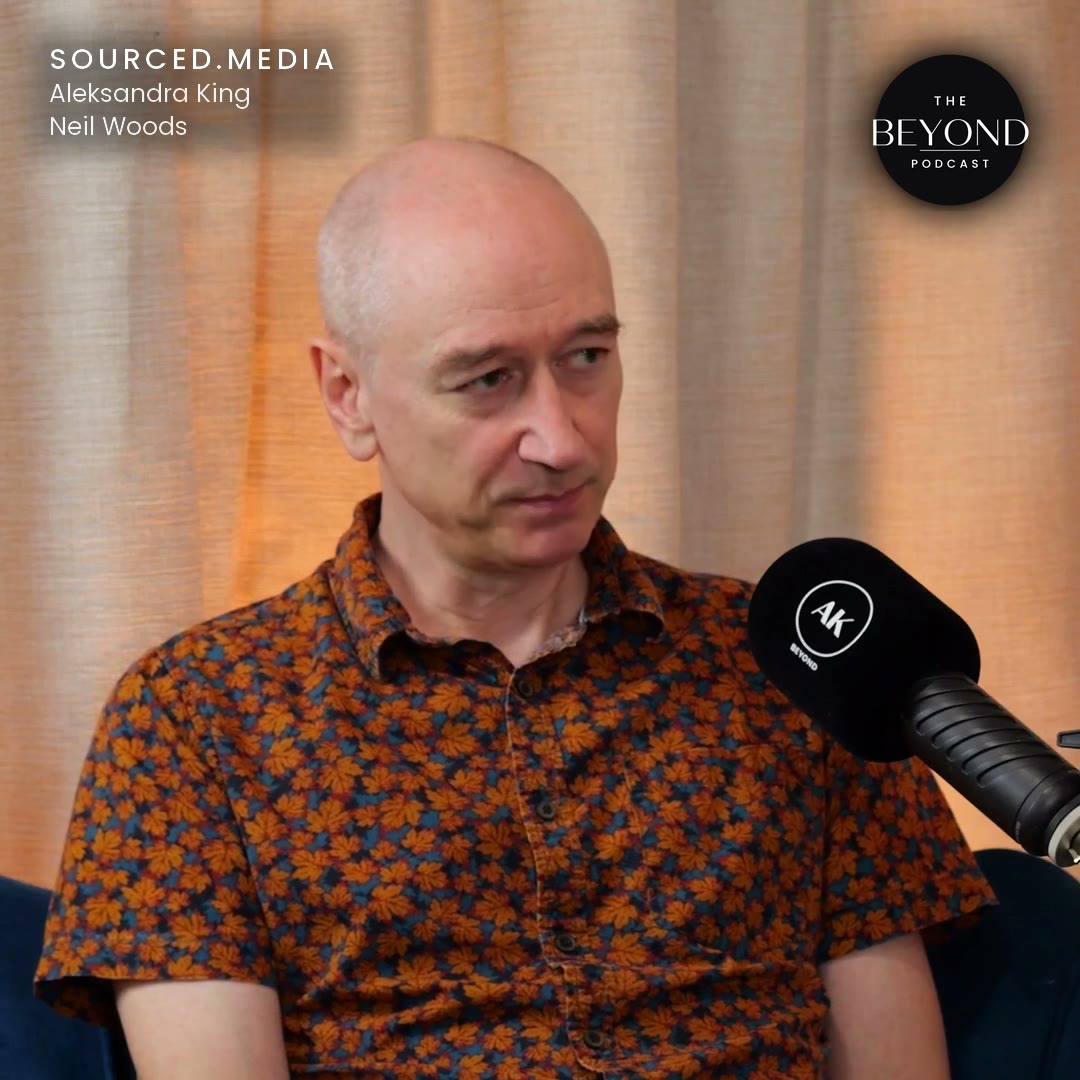
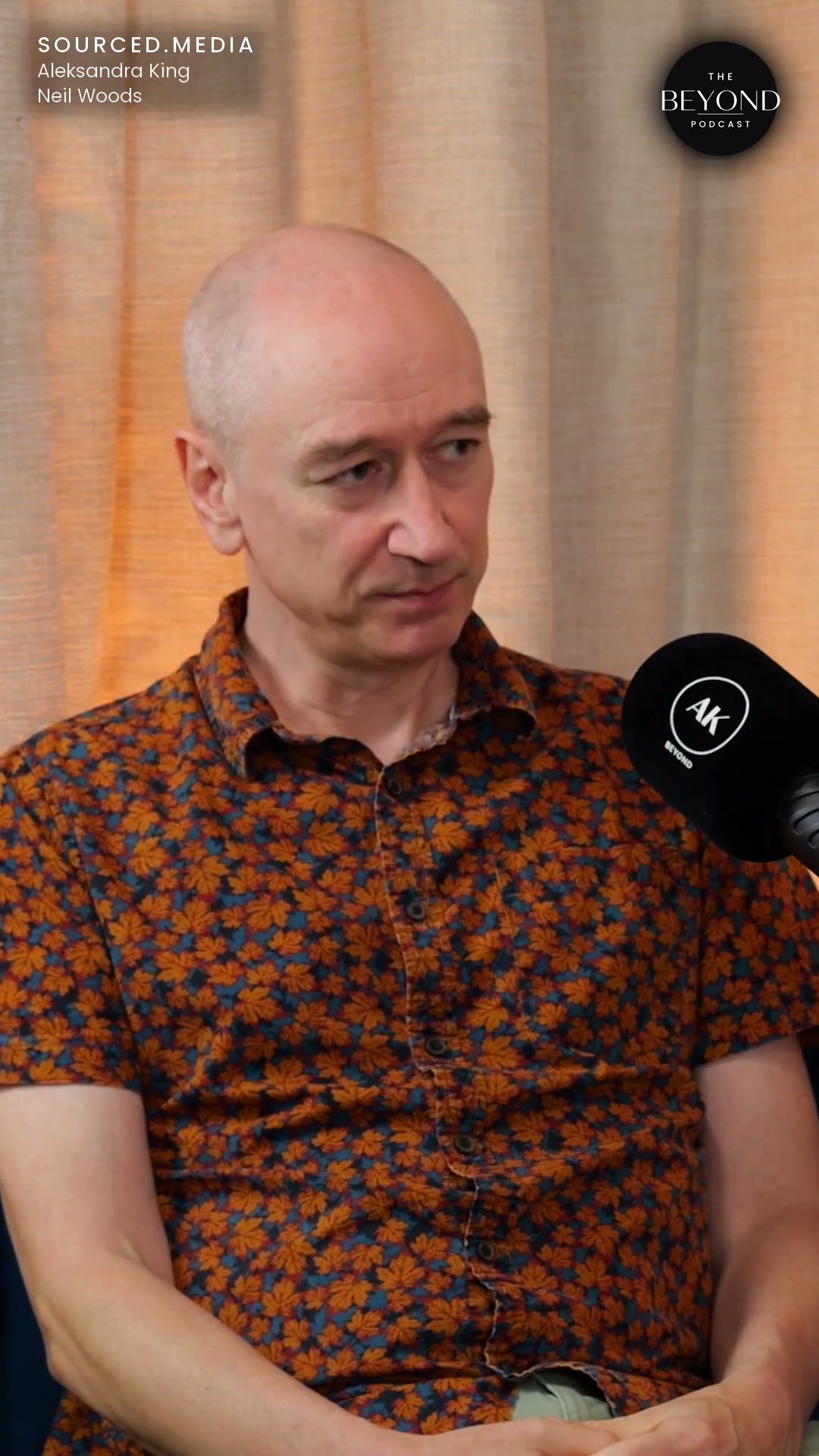
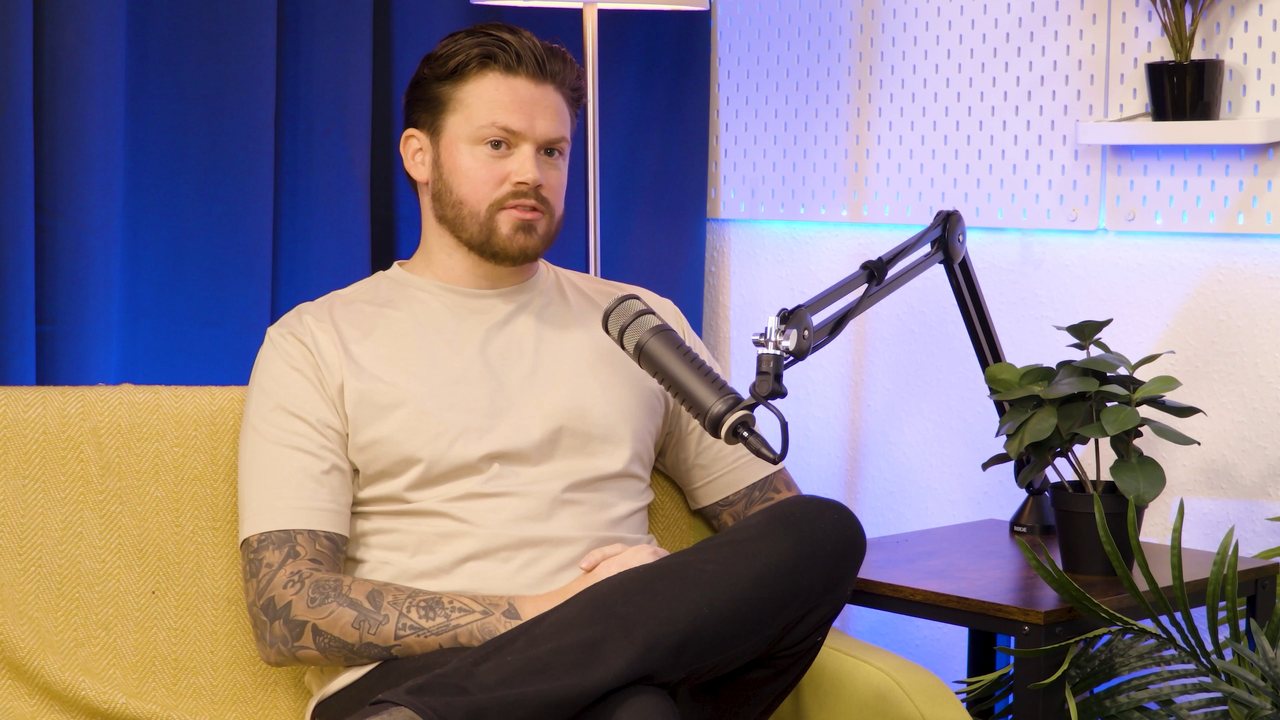
Neil Woods, former undercover police officer and author of Good Cop, Bad War
Story
Neil Woods: the undercover officer who weaponised empathy, and why he says the drug war makes everyone less safe
Neil Woods, former undercover police officer and author of Good Cop, Bad War
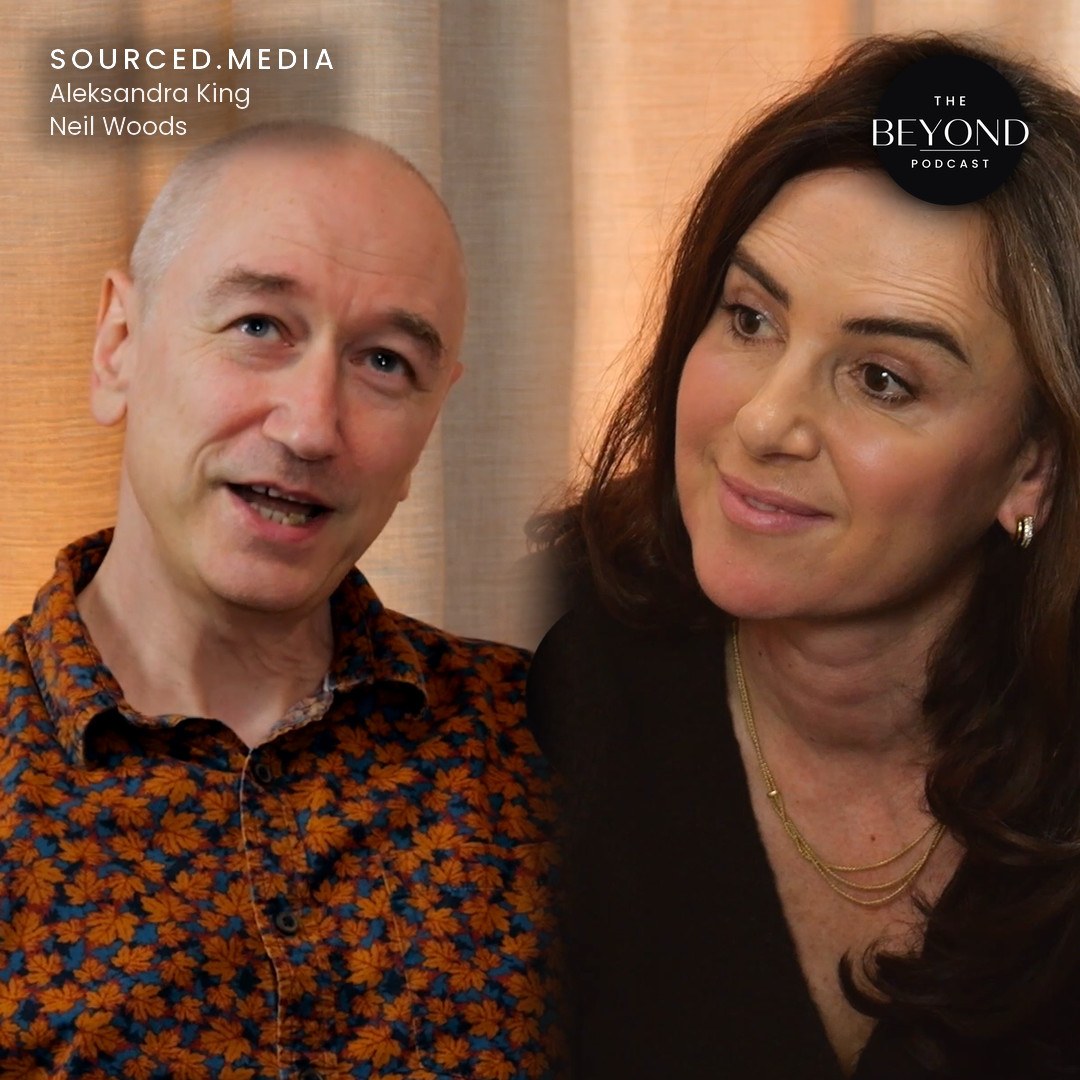
Neil Woods spent the best part of thirteen years buying heroin and crack cocaine undercover for drug squads around the country. In conversation with Aleksandra King on The BEYOND Podcast, he explains how he learned to manipulate the people he lived among, what it cost him, and why he now argues that prohibition is the engine of the violence he was sent to stop.
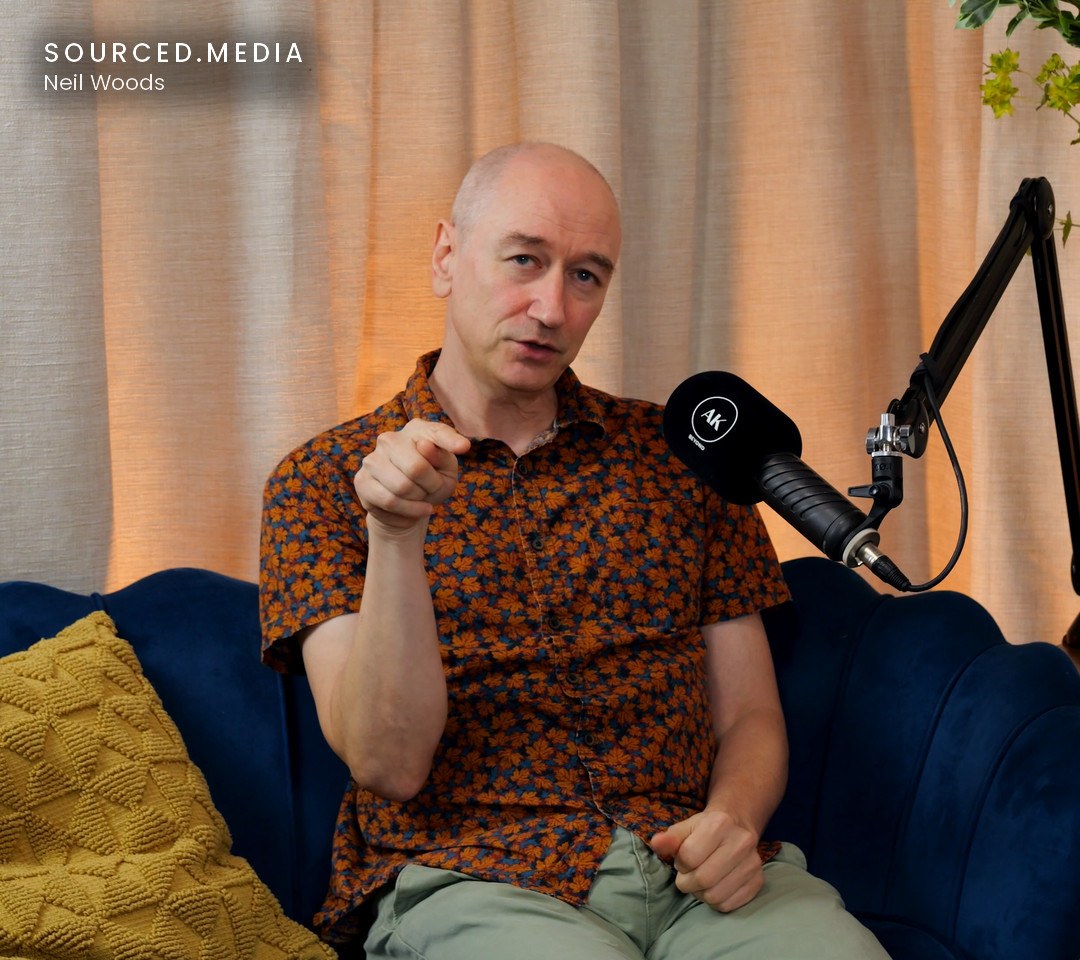
 Neil WoodsFormer undercover police officer and author of Good Cop, Bad WarLaw Enforcement Action Partnership UK
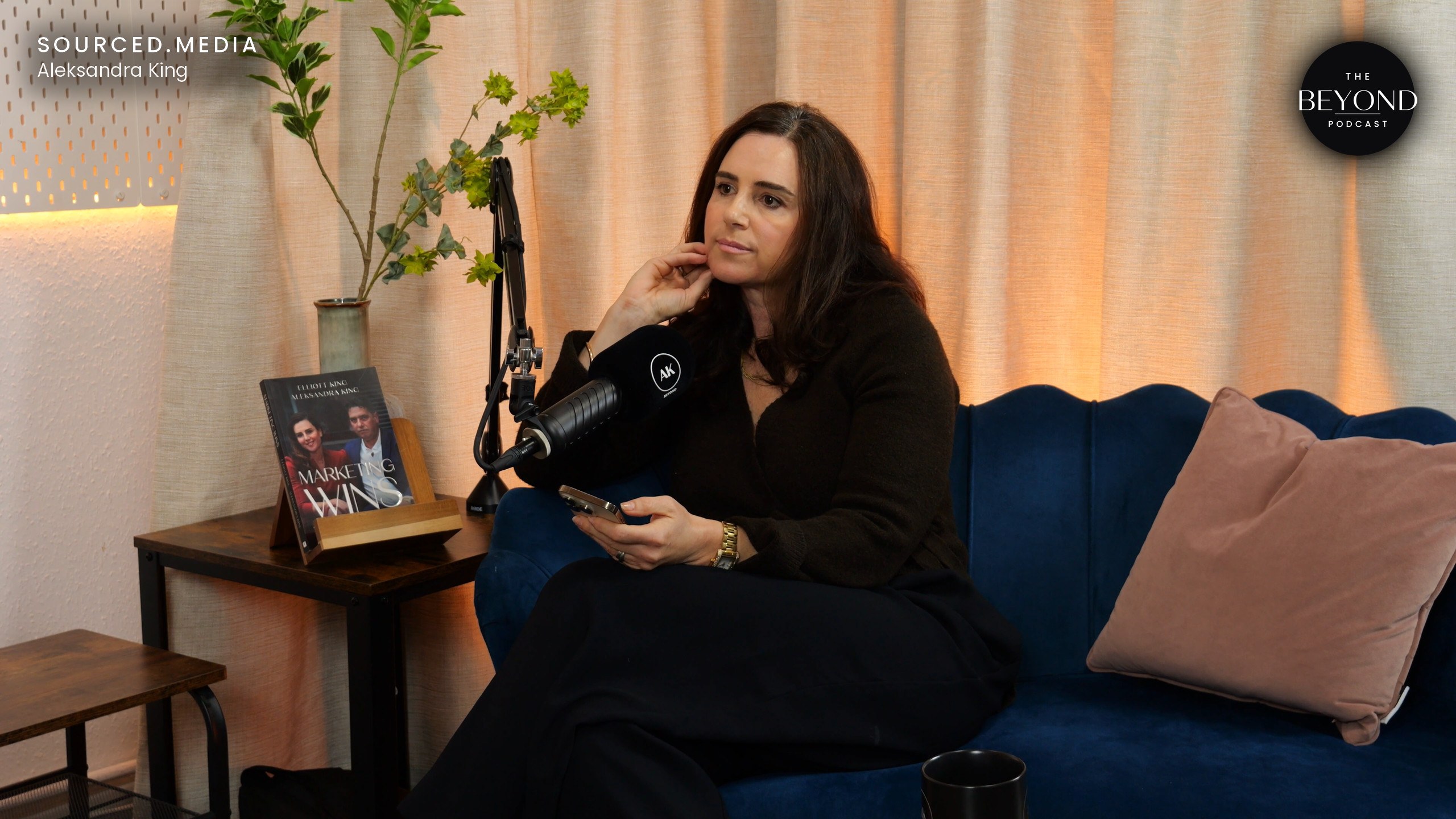
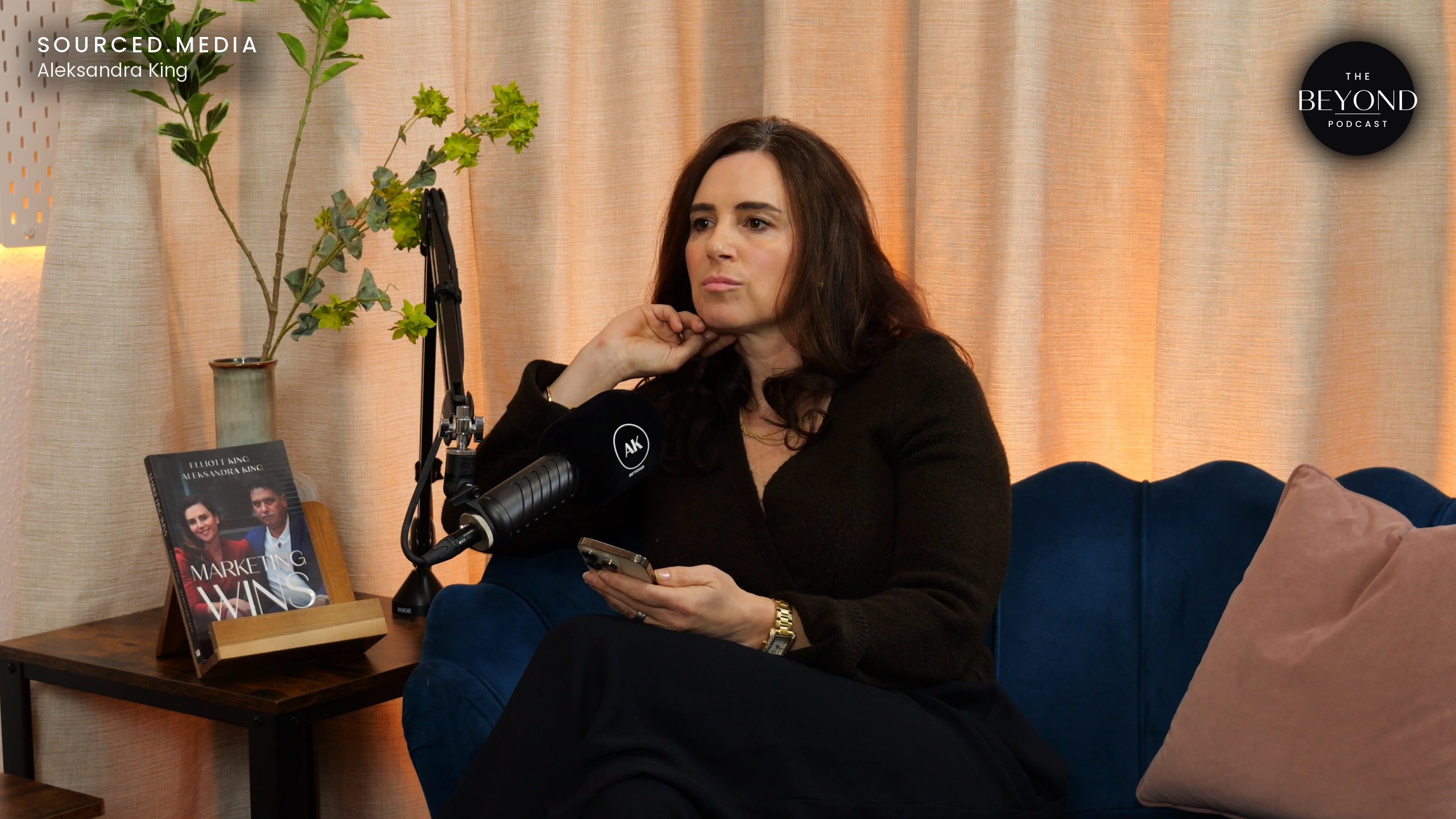
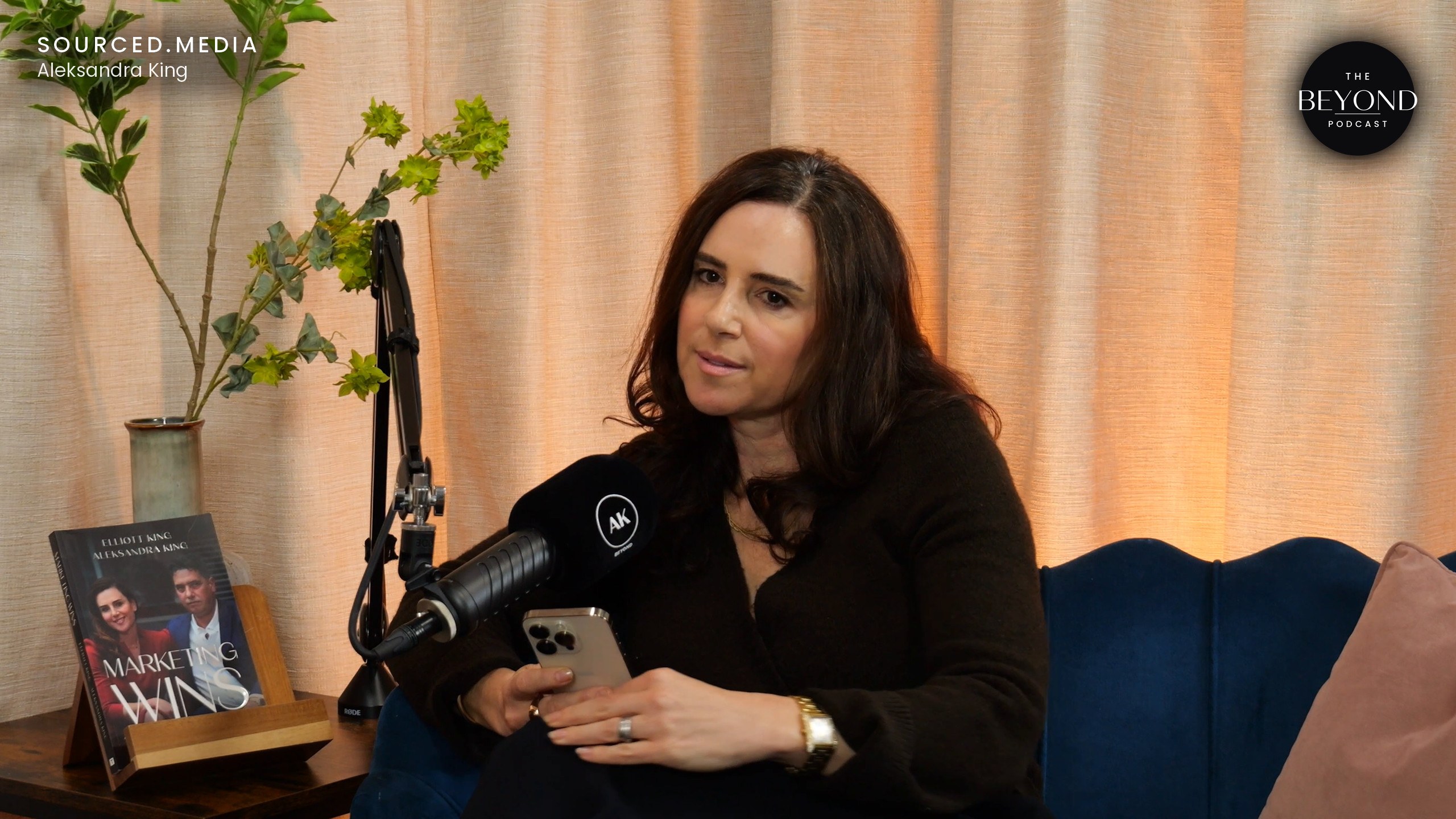
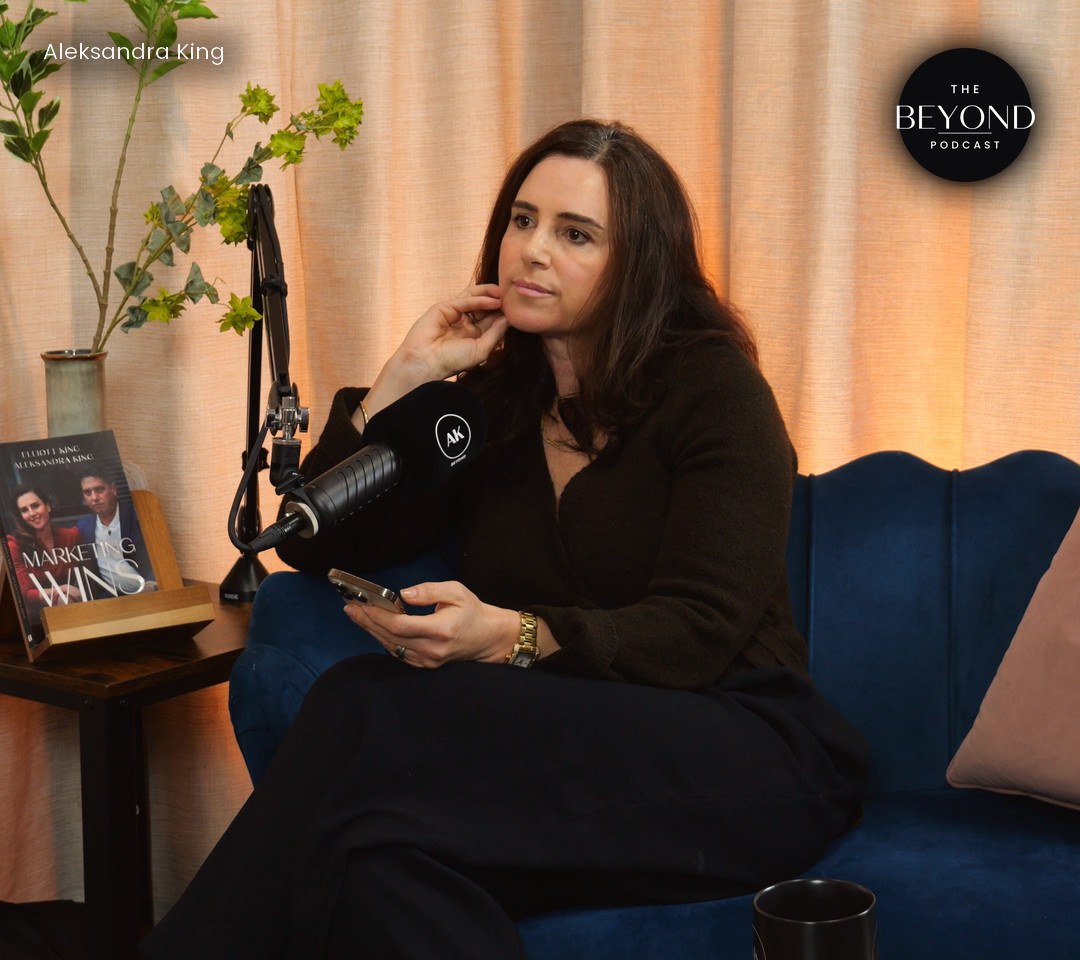
 Aleksandra KingPodcast Host and Producer, The BEYOND Podcast
- Source
- The BEYOND Podcast, hosted by Aleksandra King, with guest Neil Woods
- Full episode
Takeaways
- Weaponised empathyHe learned to listen to the people around him on the streets, then used what they told him to manipulate them and to keep himself safe.
- Self-medication, not a chemical hookIn his account most people with a problematic heroin or crack habit are treating childhood trauma, and the drug works as a painkiller for emotional pain.
- Moral injuryHe carries complex PTSD from repeated brushes with death and the moral injury of harming vulnerable people he believed his work would protect.
- Two hoursSeven months undercover against the Burger Bar Boys produced evidence against 90 people, and the drug supply in the town was interrupted for two hours.
- Control, not prohibitionHe argues for legal regulation drug by drug, from heroin on prescription as Switzerland has done since 1994 to milder stimulants, as the way to protect children.
- Drug money is capitalThe profits of the illicit market are reinvested in other organised crime, from corruption of whole governments to deforestation and illegal mining.
Neil Woods, former undercover police officer and author of Good Cop, Bad War, in drug policy reform, told podcast host Aleksandra King on The BEYOND Podcast about undercover drugs policing and the case for drug law reform. Neil Woods, the guest on this episode of The BEYOND Podcast, was 23 when a detective on a drug squad attachment asked whether he fancied having a go at buying some crack cocaine. He had no training and no cover story, and on his first doorstep a dealer asked him who he was, a question he found he could not answer.
That accident of policy, a moral panic about crack in 1993 that poured money into drugs policing, became most of a career. Operations of six or seven months followed, then loans to drug squads around the country, then the role of troubleshooter sent in when other undercover operations had failed.
What makes the conversation more than a catalogue of near misses is how carefully he takes his own work apart. He explains the technique he now calls weaponising empathy, the moral injury he carries, and the evidence that turned a believer in the drug war into one of its sharpest critics. King challenges him at every turn on responsibility, intention and the dealers she would rather see locked away.
How does a young officer with no training end up buying crack?
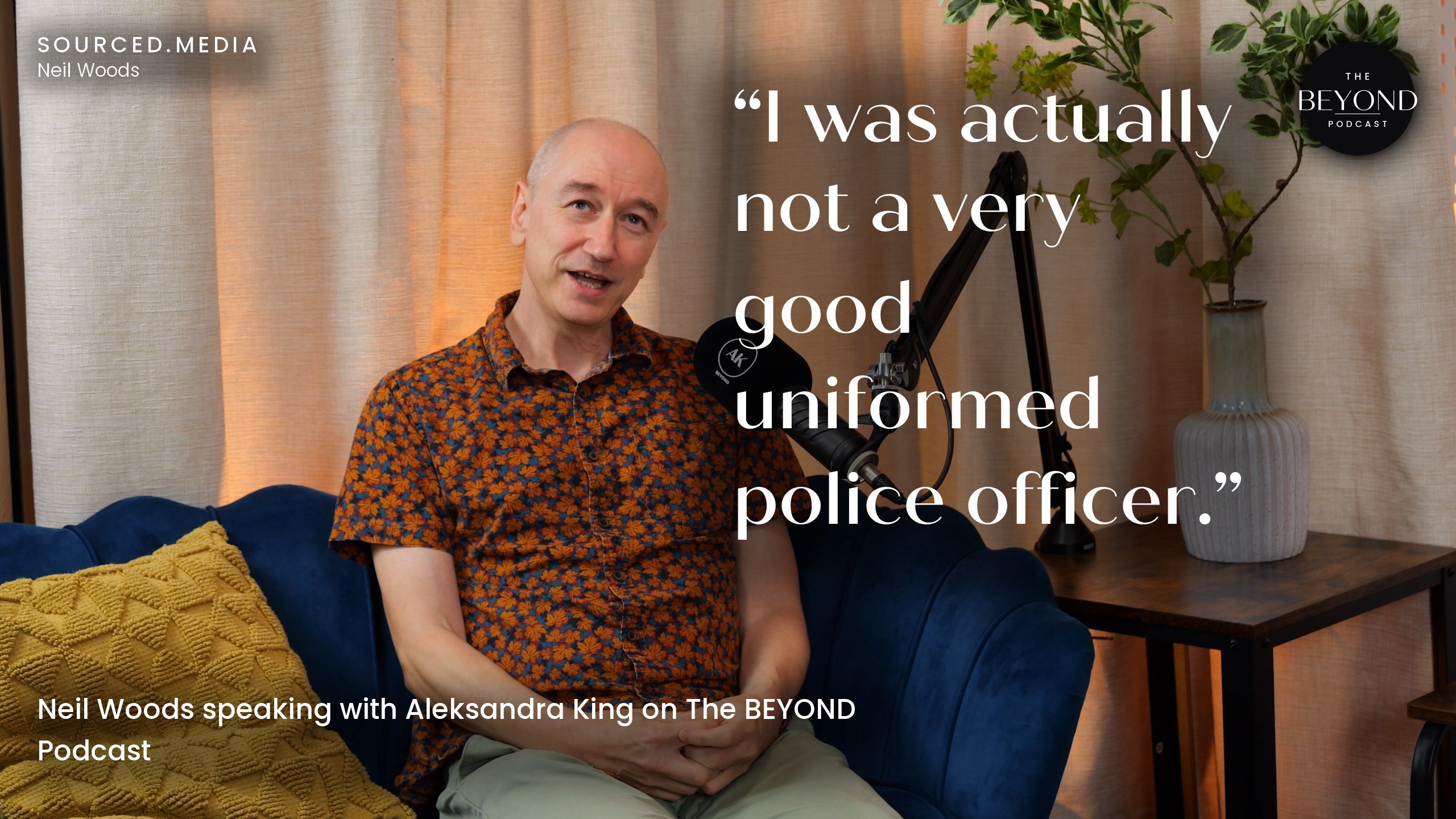
Woods admits he was not a good uniformed officer. He joined at 19, found himself young, naive and sheltered beside his peers, and saw out his probation mainly to prove to himself that he could. An attachment to the drug squad came by accident, at a time when the government was investing heavily in the war on drugs.
I was actually not a very good uniformed police officer.
 Neil Woods
His first buy came with a £20 note, an observation point and no cover story. He told the dealer he was a student, which the dealer found funny enough to sell to him anyway. The first time was easy because nobody expected a police officer on the doorstep; once that dealer went to prison, everyone knew the tactic. The work grew harder from then on.
The aim soon became to climb the pyramid towards regional dealers. The way up ran through user-dealers, people selling to pay for their own habit, whom he describes as the foot soldiers organised crime exploits. Woods posed as a travelling thief and wheeler-dealer, trading stolen goods and counterfeit clothing, but he is clear about what really did the work.
What does it mean to weaponise empathy?
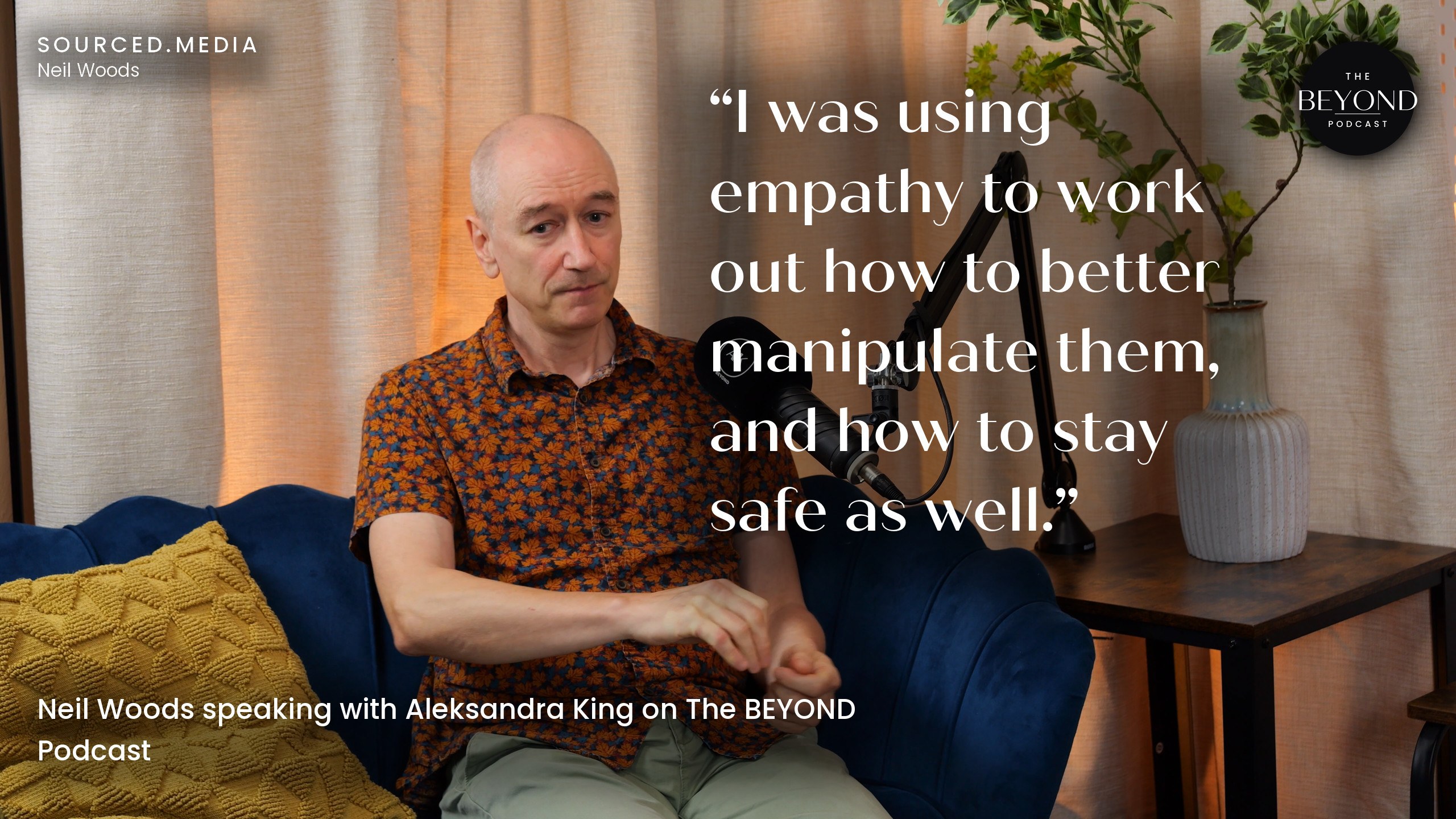
He went into the work with a head full of stigma, a product of growing up with Nancy Reagan telling him to just say no. Survival meant understanding the people he lived among, and understanding meant listening. Over the years the listening became a method, which he now calls weaponising empathy, because he was not doing it to care for anyone.
I was using empathy to work out how to better manipulate them, and how to stay safe as well.
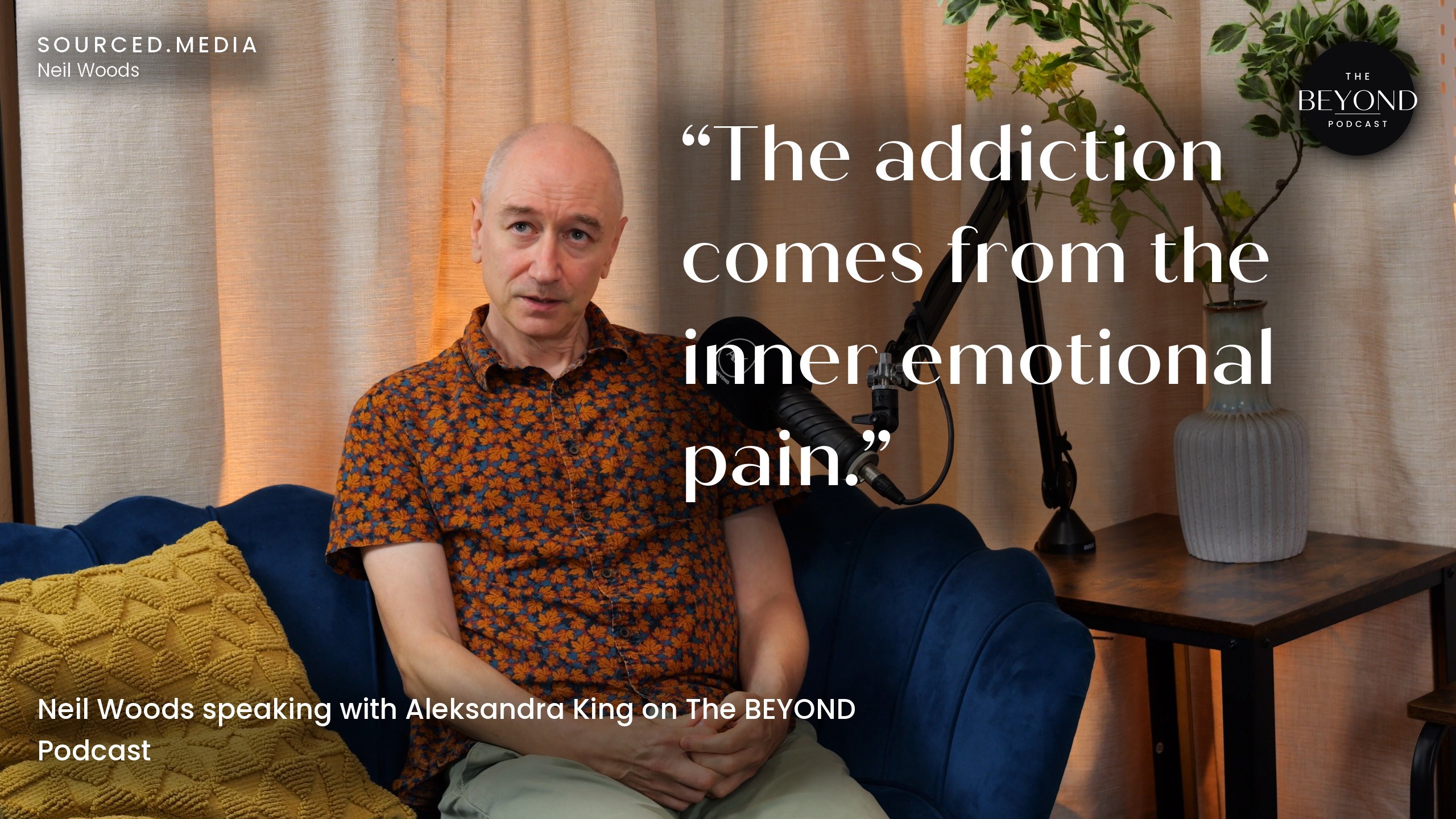
The opening move was a blunt question, "What's brought you here then?", asked as one person in trouble to another. The answers changed how he understood addiction. In his account, people who use heroin or crack problematically are almost all self-medicating for childhood trauma, and the idea of a purely chemical hook does not survive the evidence.
The addiction comes from the inner emotional pain.
He quotes United Nations figures to make the point that most people who use heroin never develop a problem with it. He recalls a young woman who could stop for weeks at a time, until the memories of the abuse she suffered as a child came back.
What does moral injury do to someone who was doing their job?
Woods lives with complex PTSD from what he describes as multiple near-death experiences, and with what he calls moral injury, the grim brother of PTSD. Vulnerable people he had come to know well went to prison alongside the gangsters, and for years he justified it to himself as the price of a safer society.
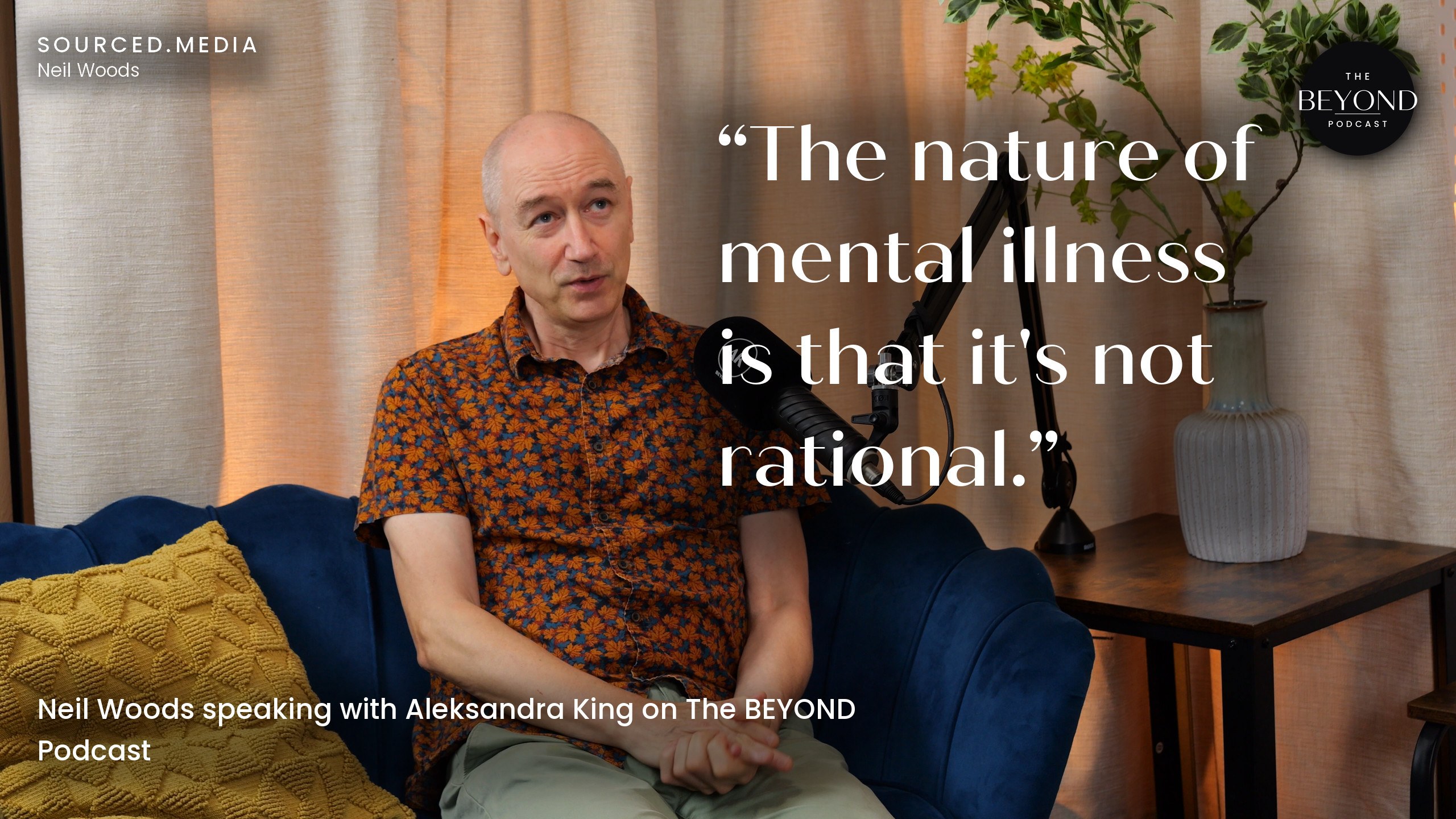
King challenges him twice on this. Intentions matter, she argues, and adults make their own choices about what they do. Woods accepts that he can rationalise his past, and explains why that does not settle it.
The nature of mental illness is that it's not rational.
On responsibility he gives ground on the principle but not on the people. Someone abused as a child needs help, he argues, rather than persecution by the state. Drug prohibition persecutes them under a law built on a moral judgment rather than an understanding of their lives.
What did he see in Nottingham's red light area?
The story he tells to police audiences begins as a joke. Walking to meet a dealer along the edge of Nottingham's red light area in the early afternoon, dressed in clothes he had left to grow rank overnight, he passed a young woman calling out sex for sale. She looked him up and down and lowered her price.
His team laughed when he told them, as every audience since has laughed. The point of the story is what he remembers from that day and what he does not.
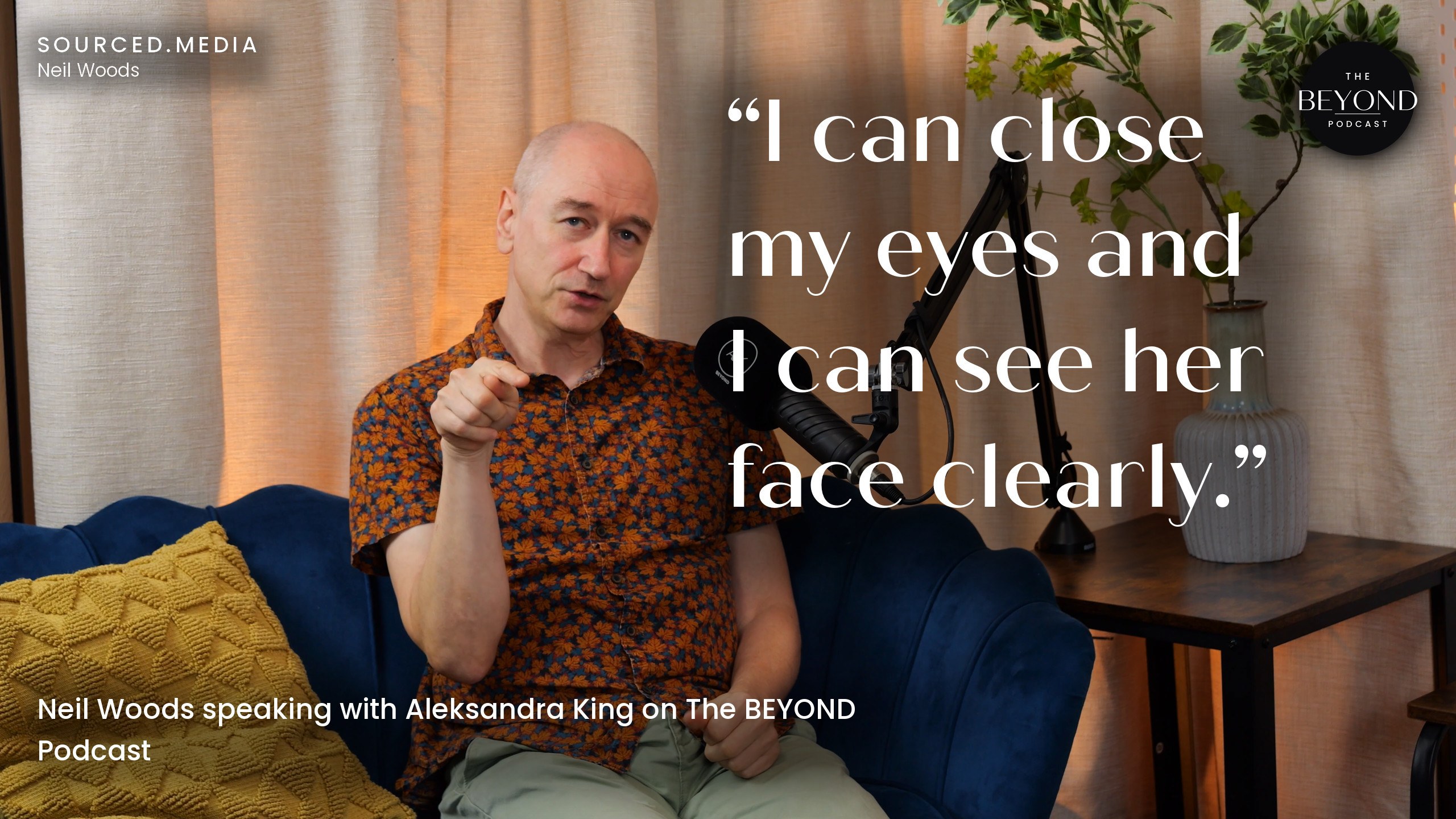
I can close my eyes and I can see her face clearly.
She looked no older than about 21 and was clutching a can of strong lager to fend off heroin withdrawal, the withdrawal that had put her on the street. He represented the resources of the state, he says, and he walked past her to buy from yet another dealer. Until the end of the 1960s, he adds, the British system would have sent her to a doctor for a safe supply.
From the recording
Transcript
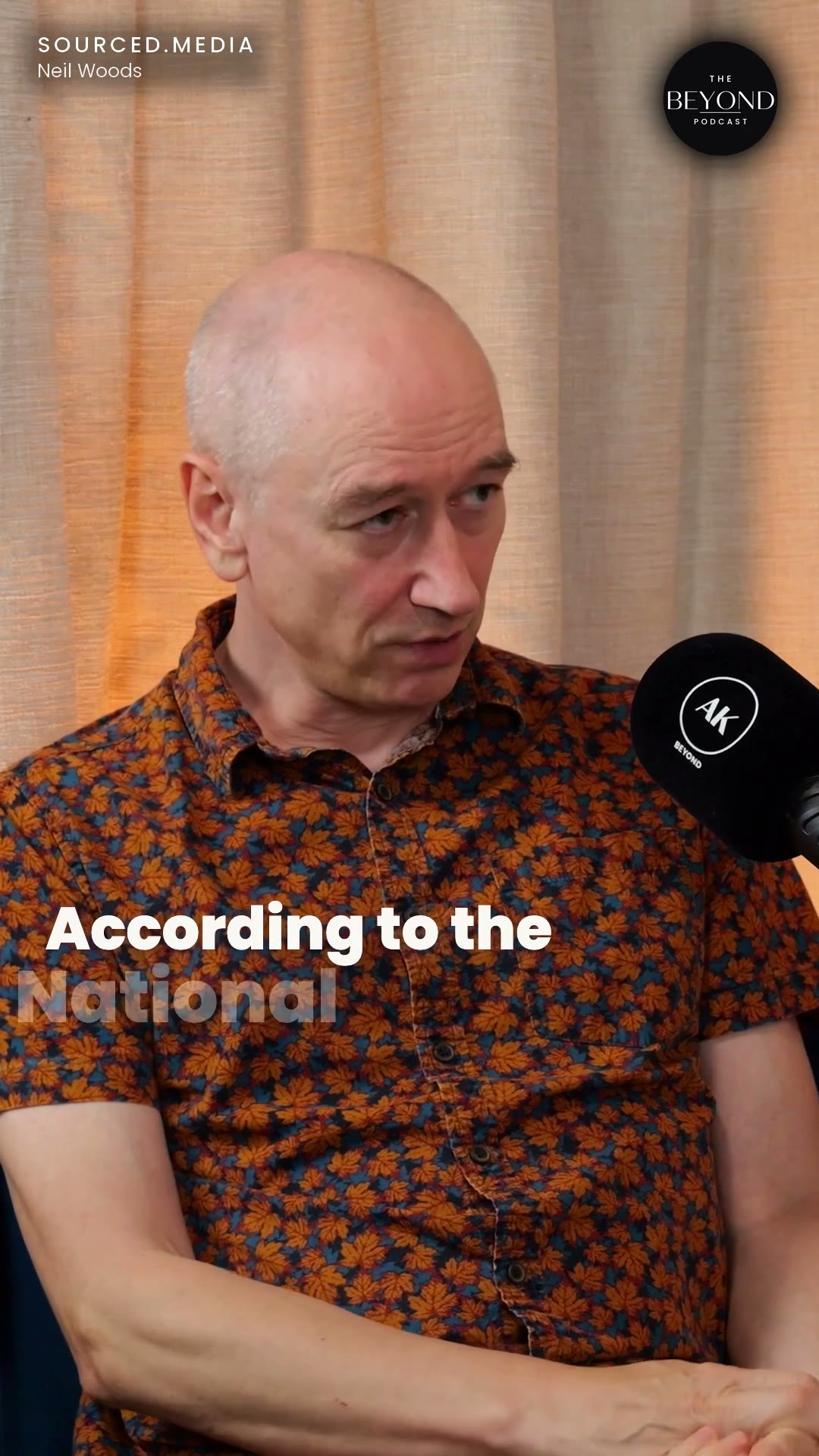
Neil Woods: It is supply and demand. If you take the drug markets altogether, it's the fourth or fifth biggest business in the world. It's bigger than textiles. And the value of that business is unregulated and untaxed. According to the National Crime Agency and many other crime monitoring agencies, they make the point regularly in their strategic assessments that the value from the illicit drug market is routinely reinvested into other forms of organised criminality. In other words, this enormous value of this illicit market is a cancer in our society. Neil Woods: It infests other business. It is reinvested. But it also means that organised crime are able to commit other crimes, because we all know that if you want to start a business, you need investment, you need capital.
Why does he say prohibition creates the violence?
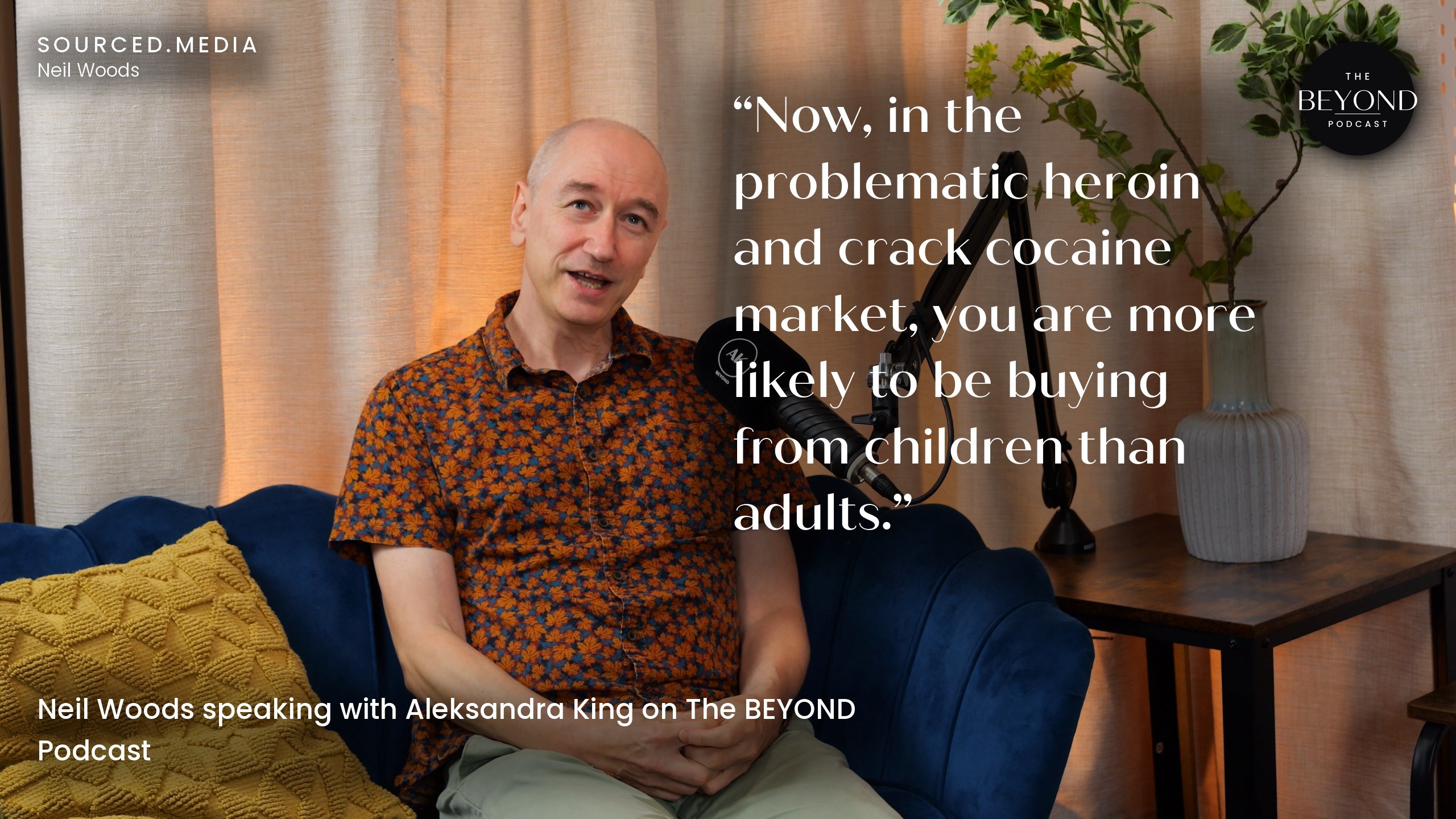
King presses him on the dealers themselves, and his answer is a child. In Leicester in 2001 he bought heroin from a boy for the first time. Over six or seven months he watched the boy turn from a cheeky, friendly child into someone who smashed Woods' head into a lamppost to show who was boss.
Now, in the problematic heroin and crack cocaine market, you are more likely to be buying from children than adults.
That exploitation, he argues, exists only because the trade is illegal and has been handed to the worst elements of society. Switzerland took control of its heroin market in 1994 using British evidence, he notes, and has neither the deaths nor the children dealing. He cites more than 5,500 drug deaths in the UK last year, the highest in Europe.
He is careful about how regulation would work. Each drug needs its own rules, cannabis with an age limit set by the evidence and heroin on prescription rather than methadone, because methadone only treats withdrawal while heroin treats the trauma. Prohibition, he argues, also pushes markets towards the strongest versions of every drug, where a milder form would usually be preferred.
How does drug money reach the rainforest?
Woods describes the illicit drug market as one of the largest businesses in the world, unregulated and untaxed. Crime agencies, he says, regularly report that its profits are reinvested in other organised crime, which makes the drug trade the capital behind much else.
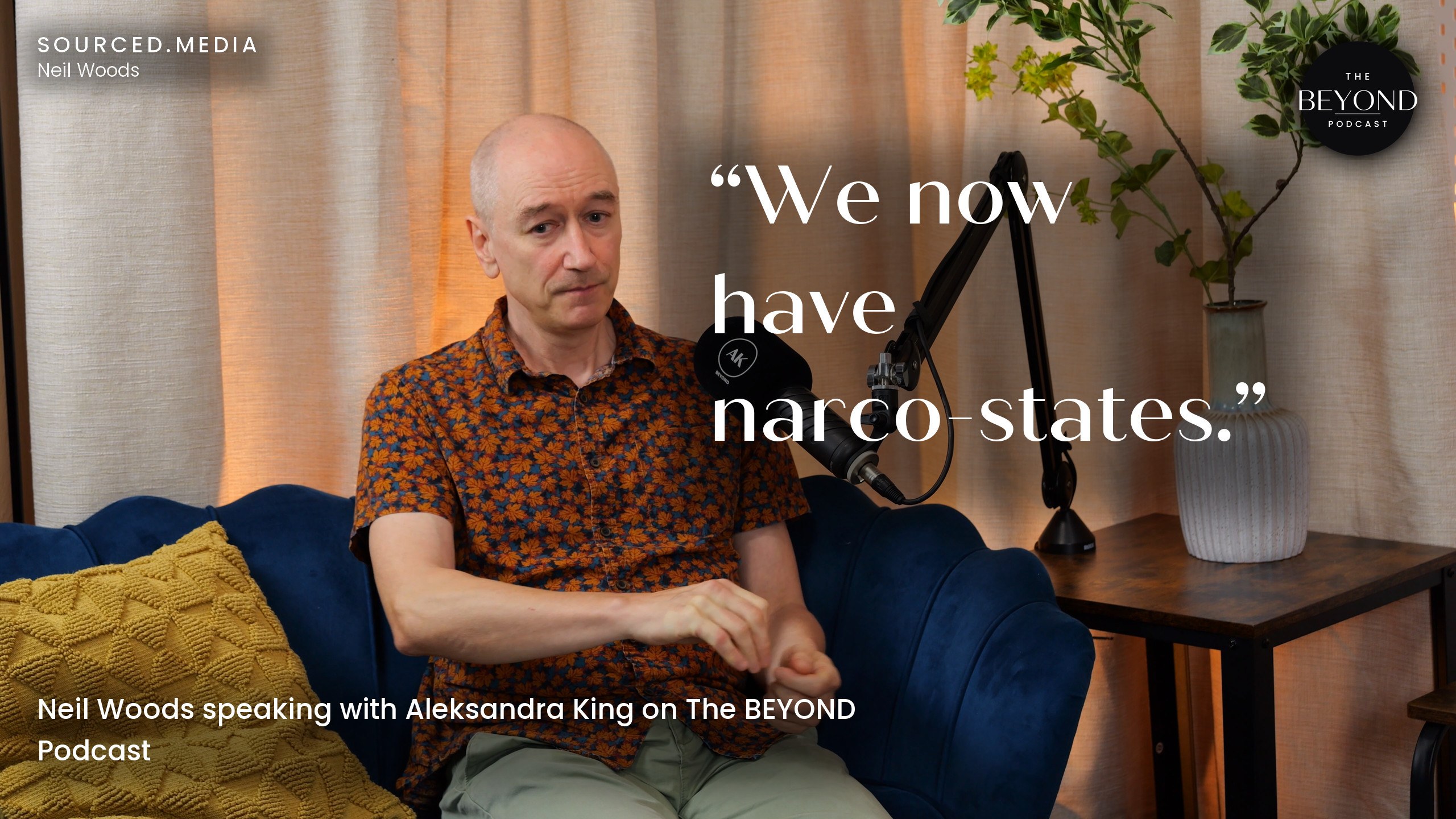
We now have narco-states.
Corruption, in his account, used to mean an individual officer or customs official and now reaches entire governments, from Honduras to much of West Africa and now Ecuador. With the state captured, deforestation, illegal mining and land grabbing follow. He argues that taking legal control of cocaine is the most urgent piece of drug policy for that reason, even though it is the hardest drug to regulate.
Watch the full episode
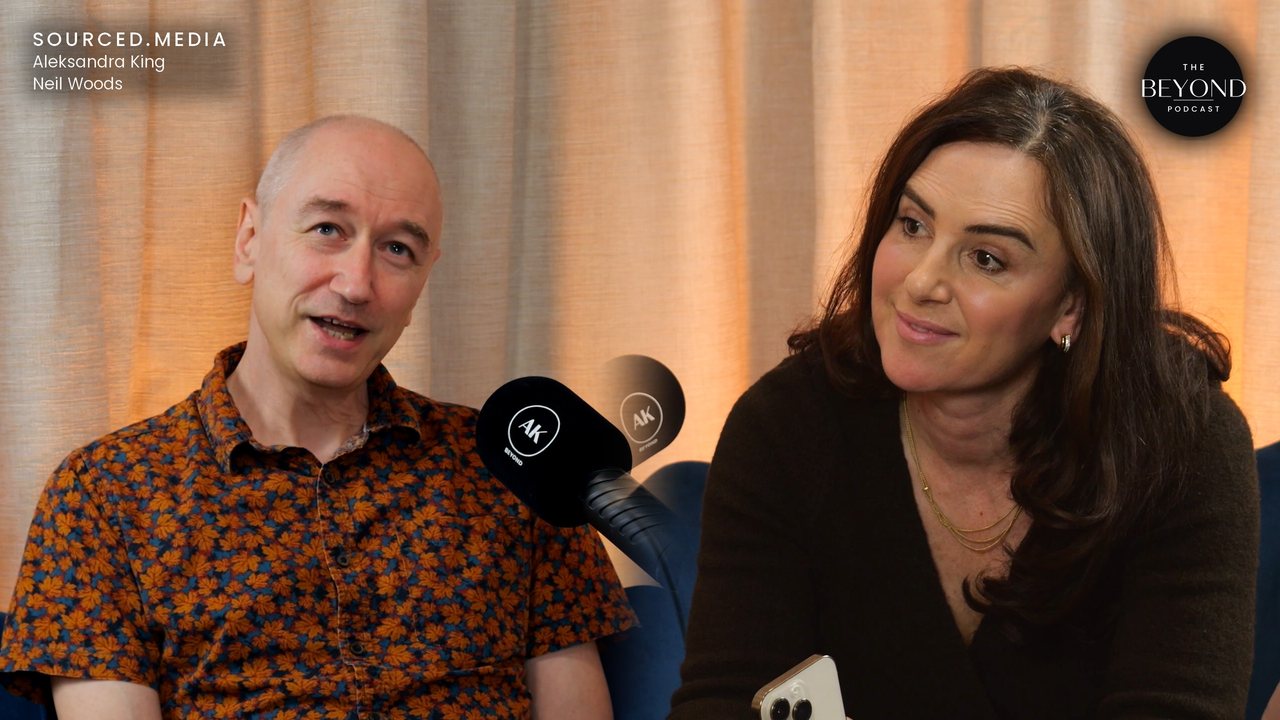
Watch the full episode on YouTube (opens in a new tab): Neil Woods on The BEYOND Podcast · the episode page on the show’s site (opens in a new tab)
Why would tougher policing make things worse?
King admits the instinct to go after the dealing bosses and remove them altogether. Woods answers that the doubling down has been tried for decades, and points to Sweden as the European example.
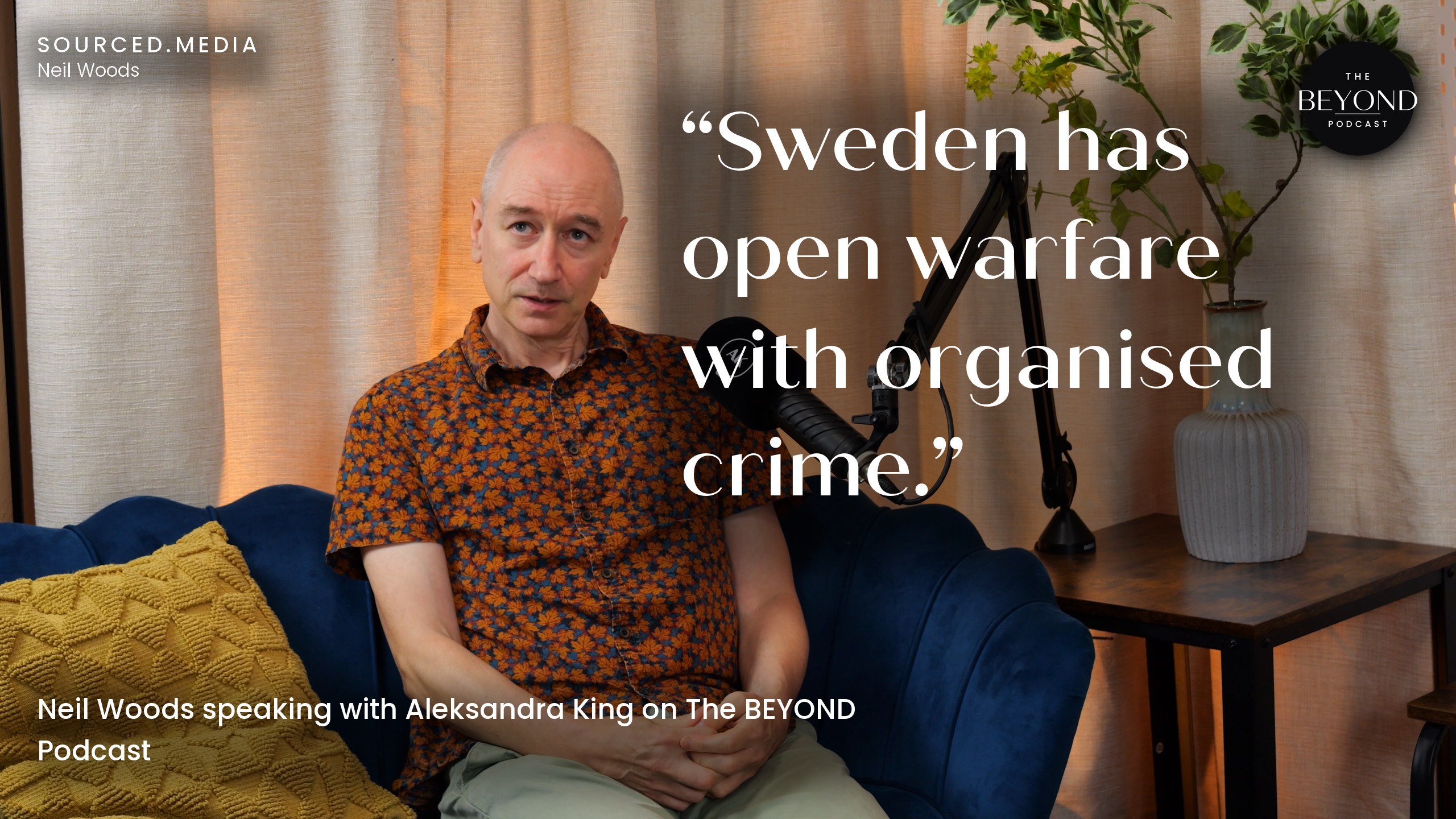
Sweden has open warfare with organised crime.
Sweden arrests far more people for drugs than its neighbours, he says, and has open warfare with organised crime, with around 150 explosions in a year in a country of 10 million. He calls the mechanism the kingpin effect: arrest the dealer who controls an area and others fight over the demand he leaves behind, because policing never shrinks the market itself.
From the recording
What did seven months against the Burger Bar Boys achieve?
The closest he came to dying was in a Leicester car park in 2001, when a dealer's friend pressed him against a security fence, found the camera behind a button and said so. Woods drowned the moment in a torrent of abuse, walked slowly away, and bought the crack on camera when the dealer came after him. Later he outran a car that tried to pin him against a roundabout railing. The car, his intelligence officer told him afterwards, was known to carry a gun.
By then he had stopped undercover work once, after a man he had manipulated became suicidal. He was drawn back for an operation against the Burger Bar Boys in Birmingham because two earlier attempts had failed, and because the main target was implicated in seven murders.
We managed to interrupt the drug supply for a full 2 hours.
Seven months of work produced evidence against six gangsters and 90 other people, and the violence went up afterwards. He now speaks to police around the world, and cites the United Nations World Drug Report's conclusion that police operations are more likely to increase violence than reduce it. This year, he says, he is the best he has been in perhaps 17 years, and he writes and speaks because the knowledge he gained carries a duty to share it.
About Neil Woods
Neil Woods is a former undercover police officer and the author of Good Cop, Bad War. Over the best part of thirteen years he bought heroin and crack cocaine undercover for drug squads around the country, latterly through the East Midlands Special Operations Unit.
His publisher's biography names him as chair of LEAP UK, the Law Enforcement Action Partnership in the UK, which campaigns for drug law reform. He has published two books and speaks to police and other audiences about drug policy.
The BEYOND Podcast and Aleksandra King
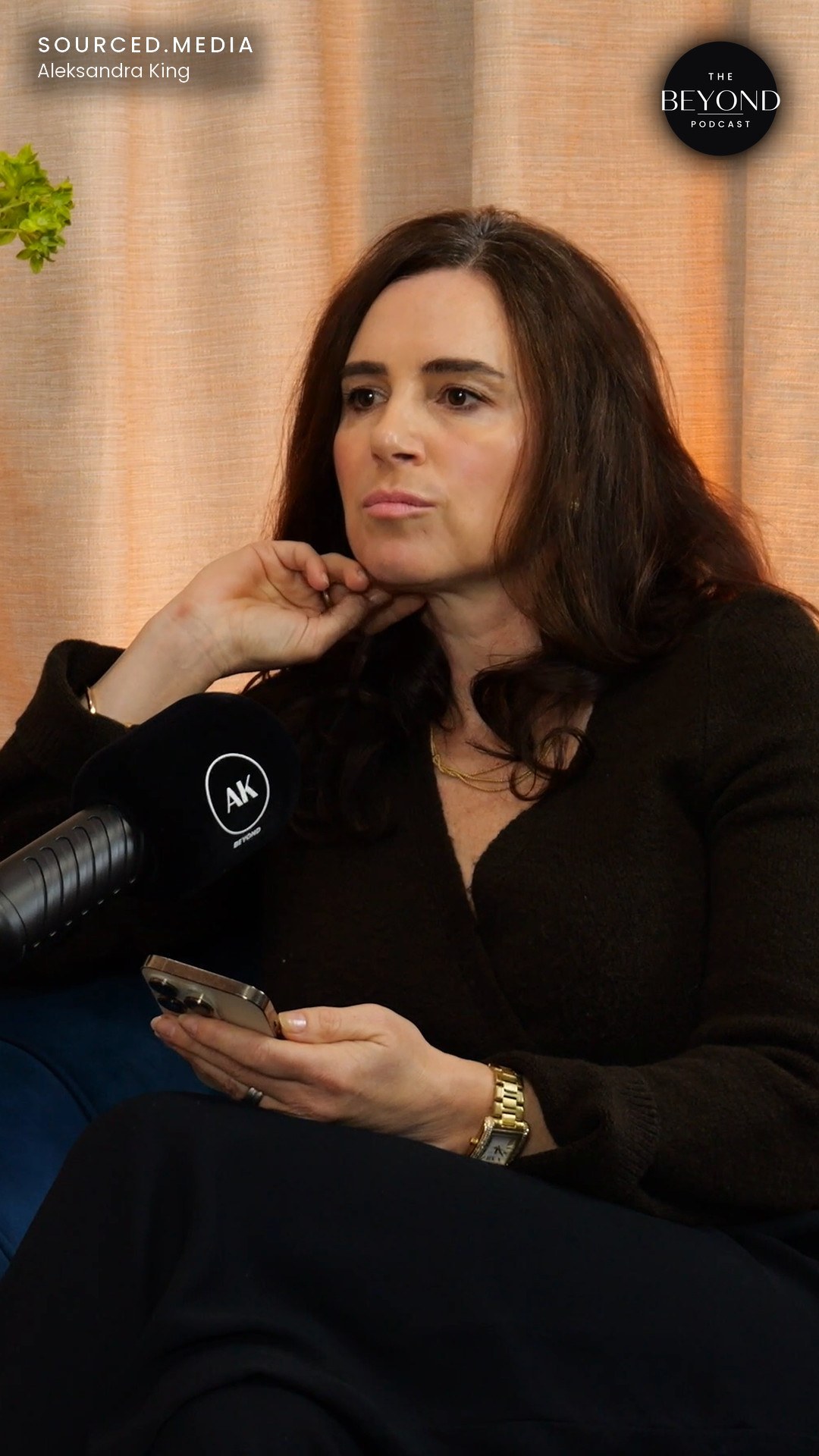
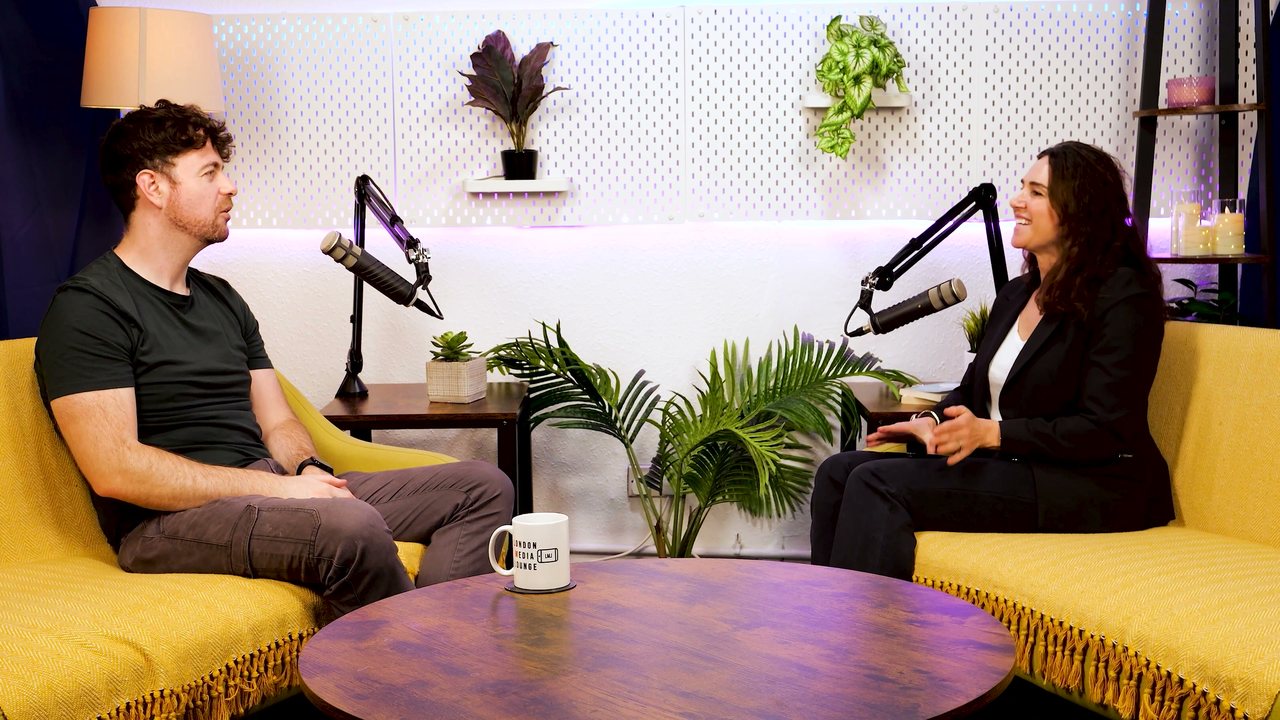
The BEYOND Podcast is a video interview podcast hosted and produced by Aleksandra King. The full episode is on YouTube, and the show's own site carries the episode page.
King's method in this episode is to challenge. She asks whether he was addicted to the work, argues that intentions matter and that adults are responsible for their choices, and keeps returning to the dealers she would rather see removed. Her pressure draws out the most detailed parts of his case.
LEAP UK is the Law Enforcement Action Partnership in the UK, a group of law enforcement professionals, past and present, who press for drug law reform.
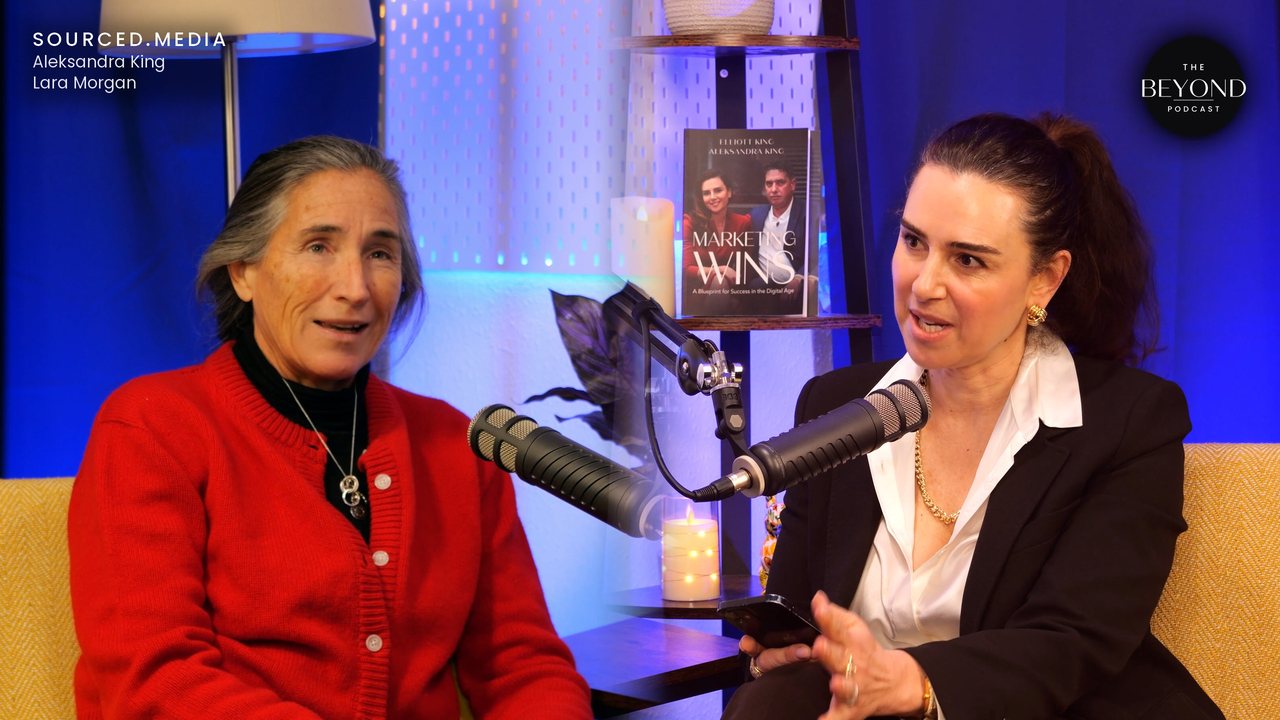
Aleksandra King, host and producer of The BEYOND Podcast and co-author, with Elliott King (opens in a new tab), of Marketing Wins (opens in a new tab).
Cite this page “Neil Woods: the undercover officer who weaponised empathy, and why he says the drug war makes everyone less safe”. Neil Woods, former undercover police officer and author of Good Cop, Bad War, in conversation with Aleksandra King, The BEYOND Podcast, 5 November 2026. Sourced.media. https://sourced.media/the-beyond-podcast/neil-woods/story/ (permanent identifier https://sourced.media/id/C_QXWN661QXZ)

 Neil WoodsGuest
 Aleksandra KingHost