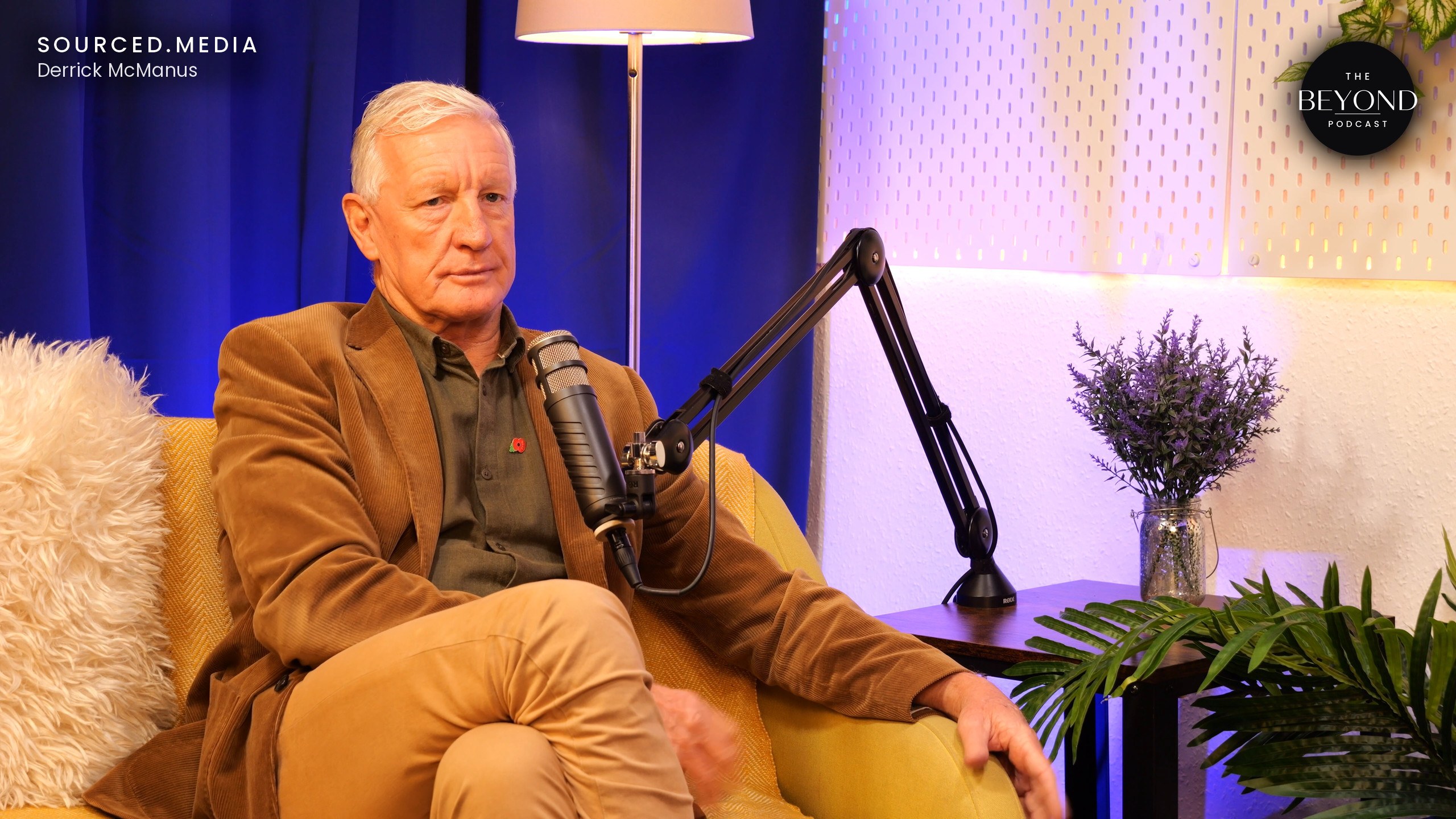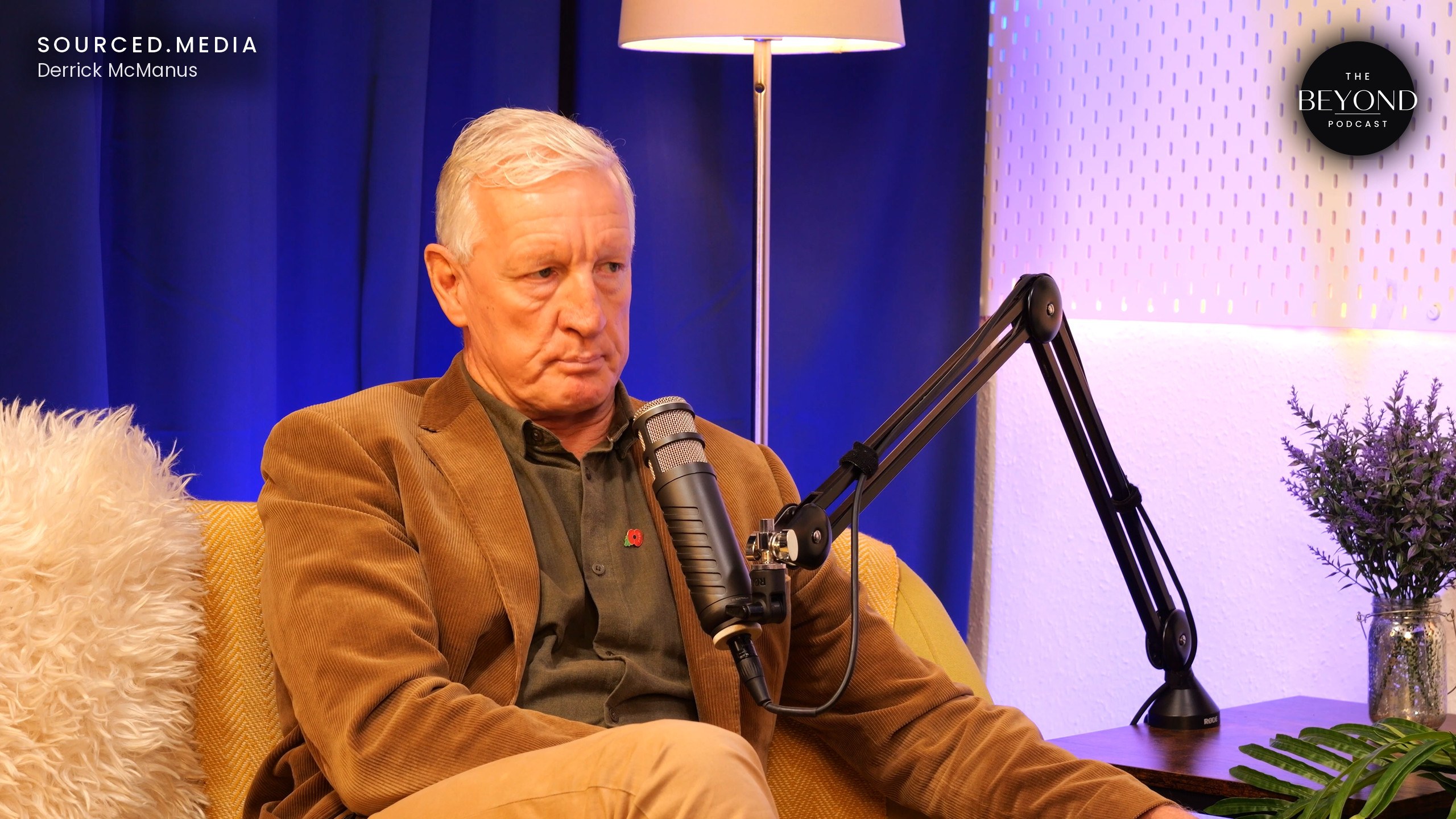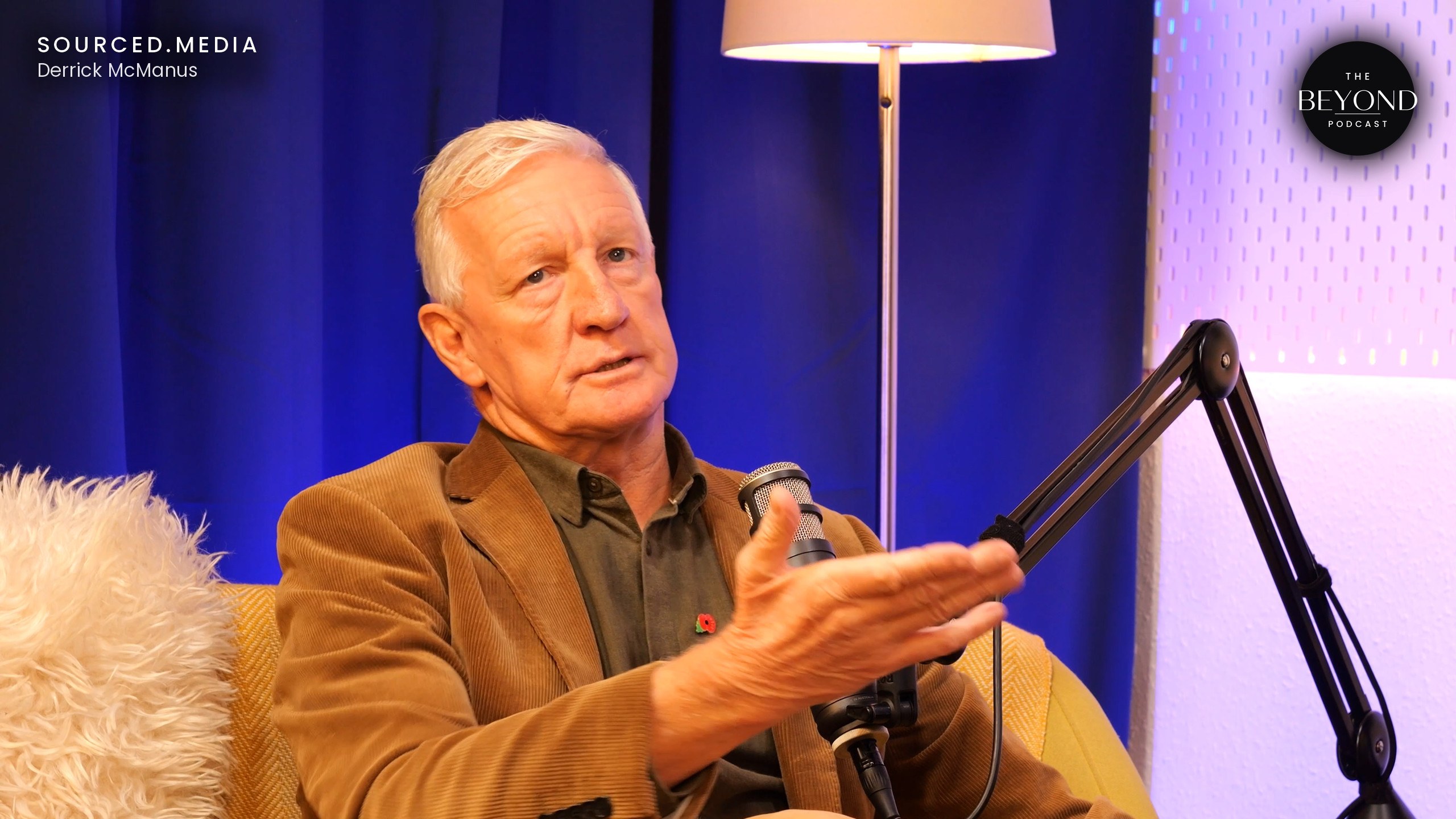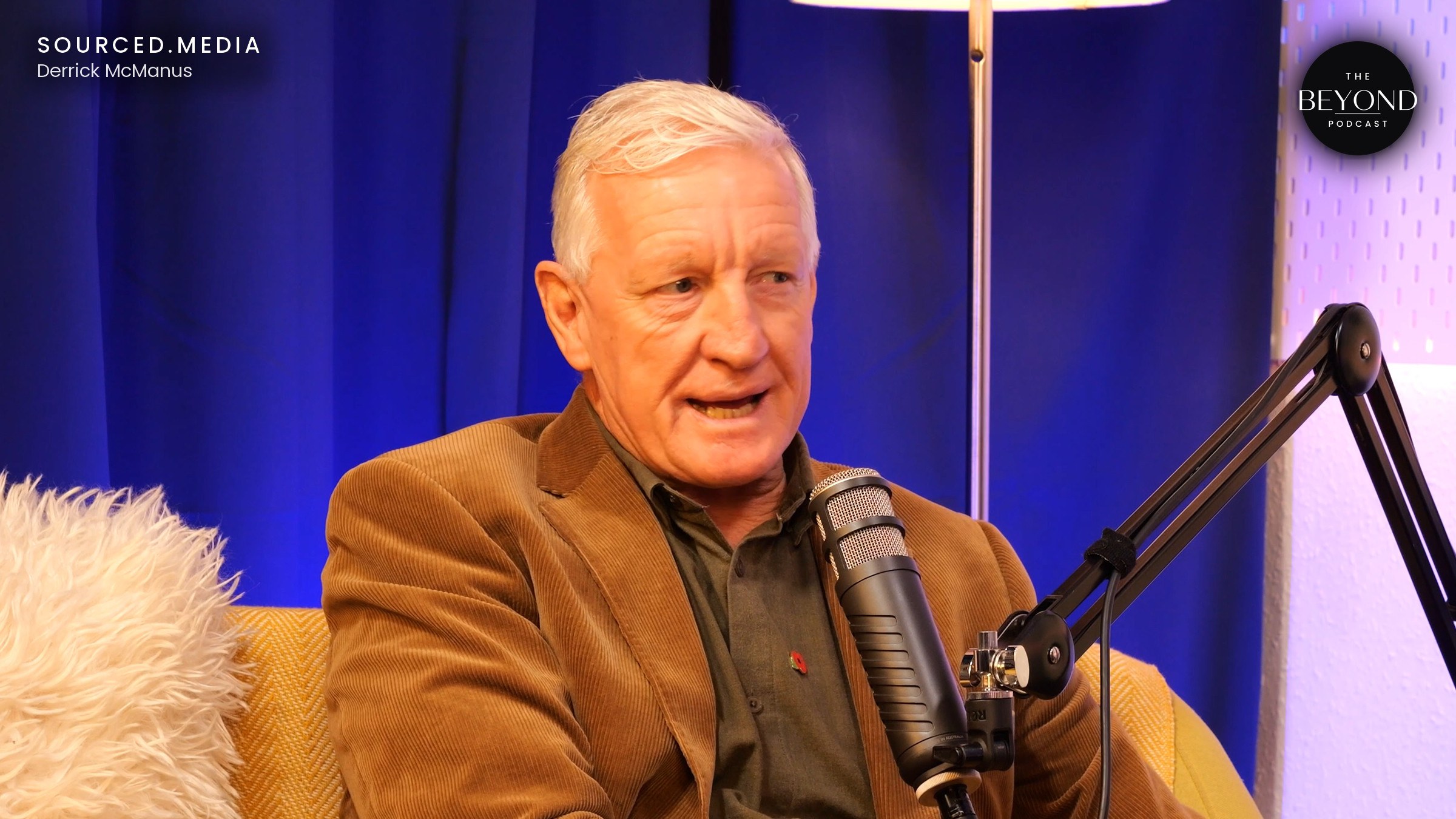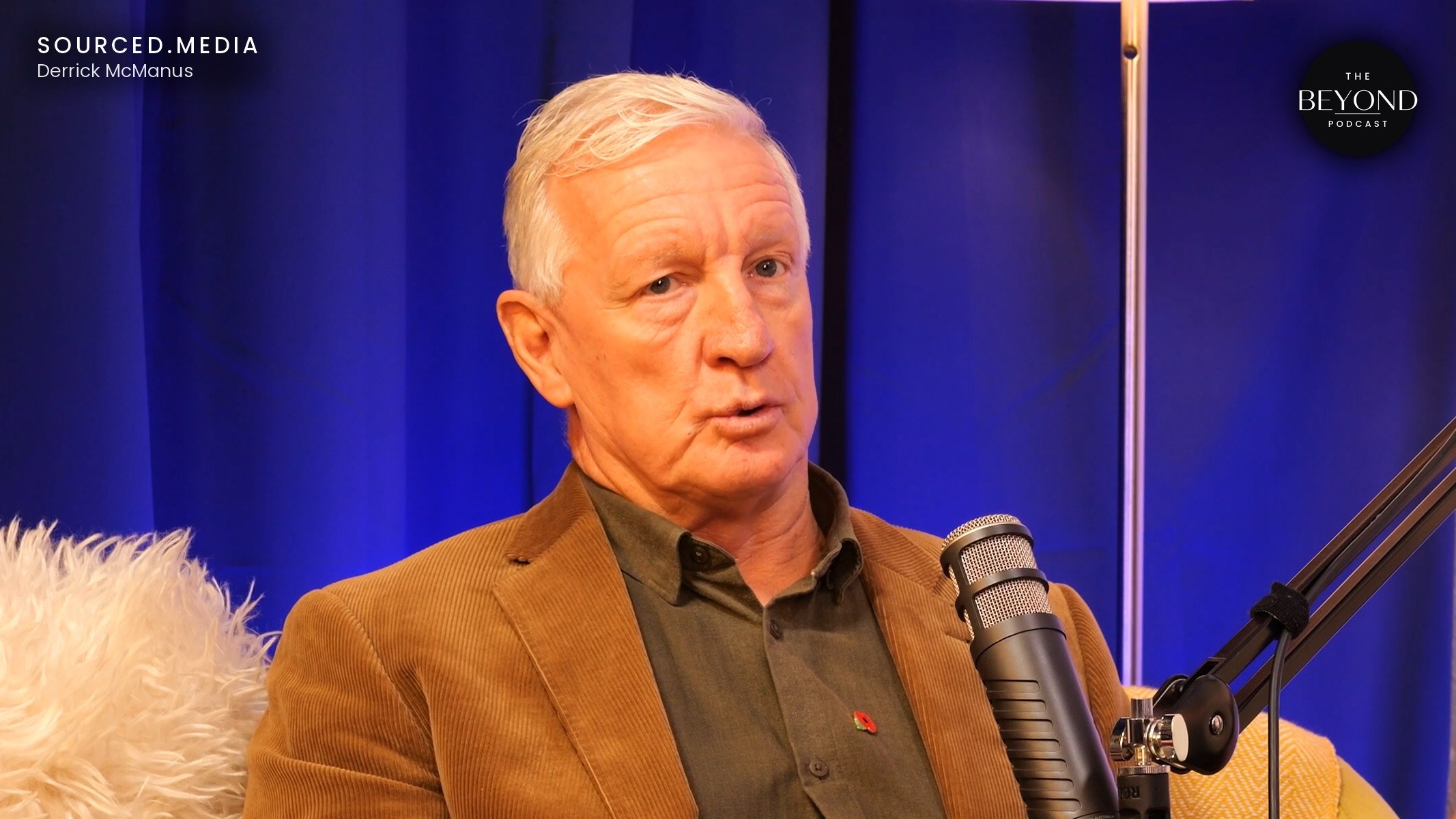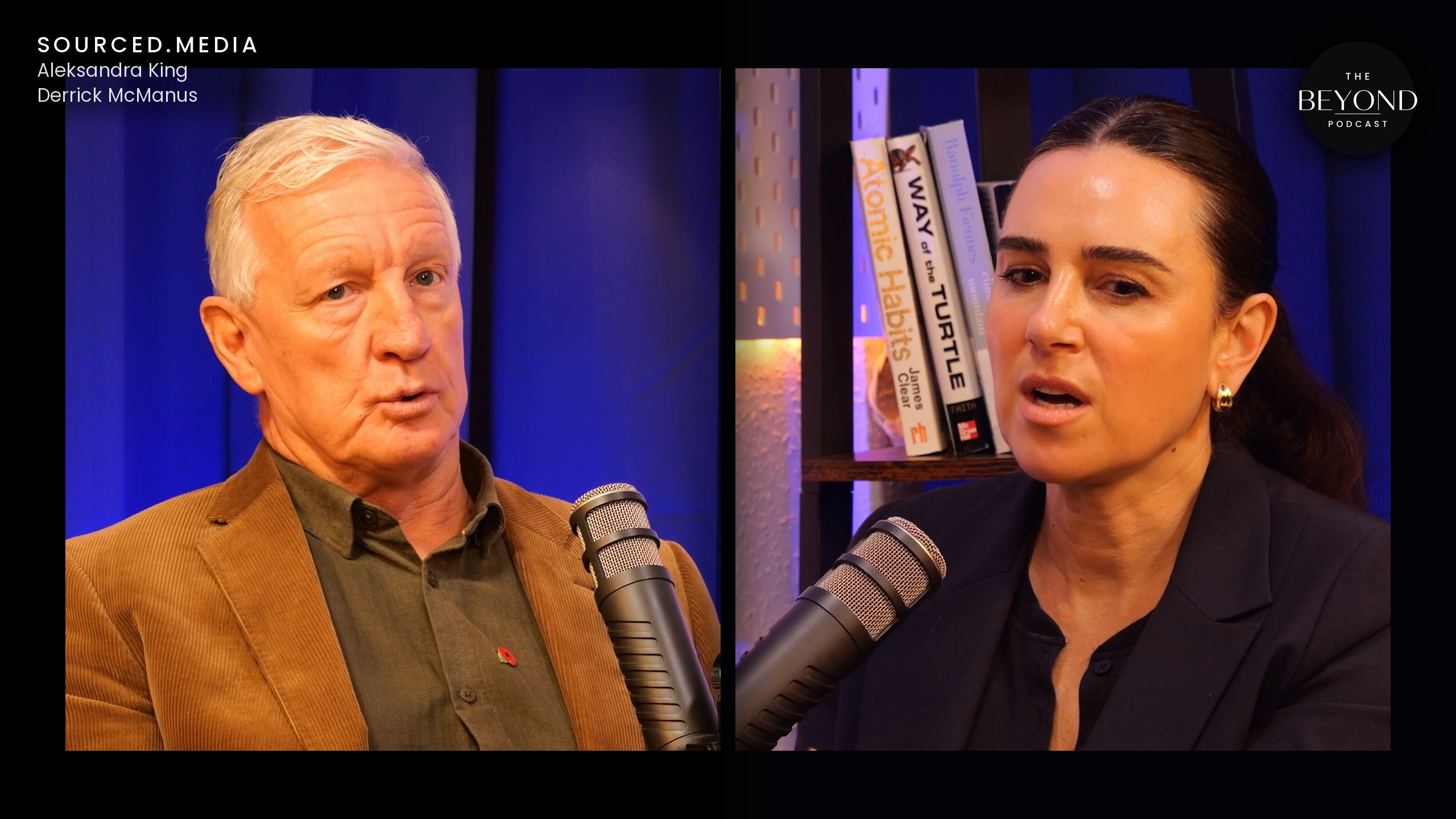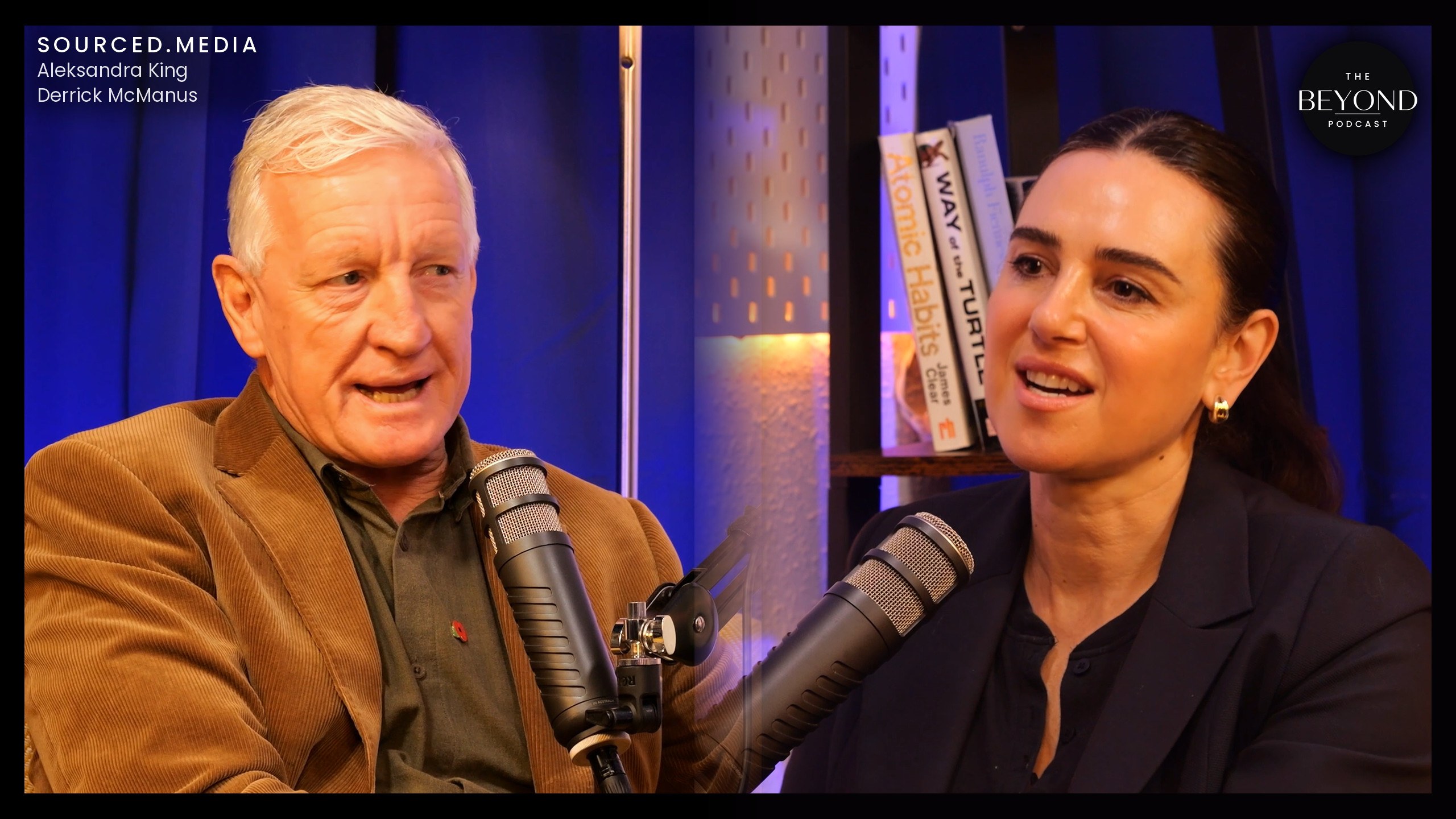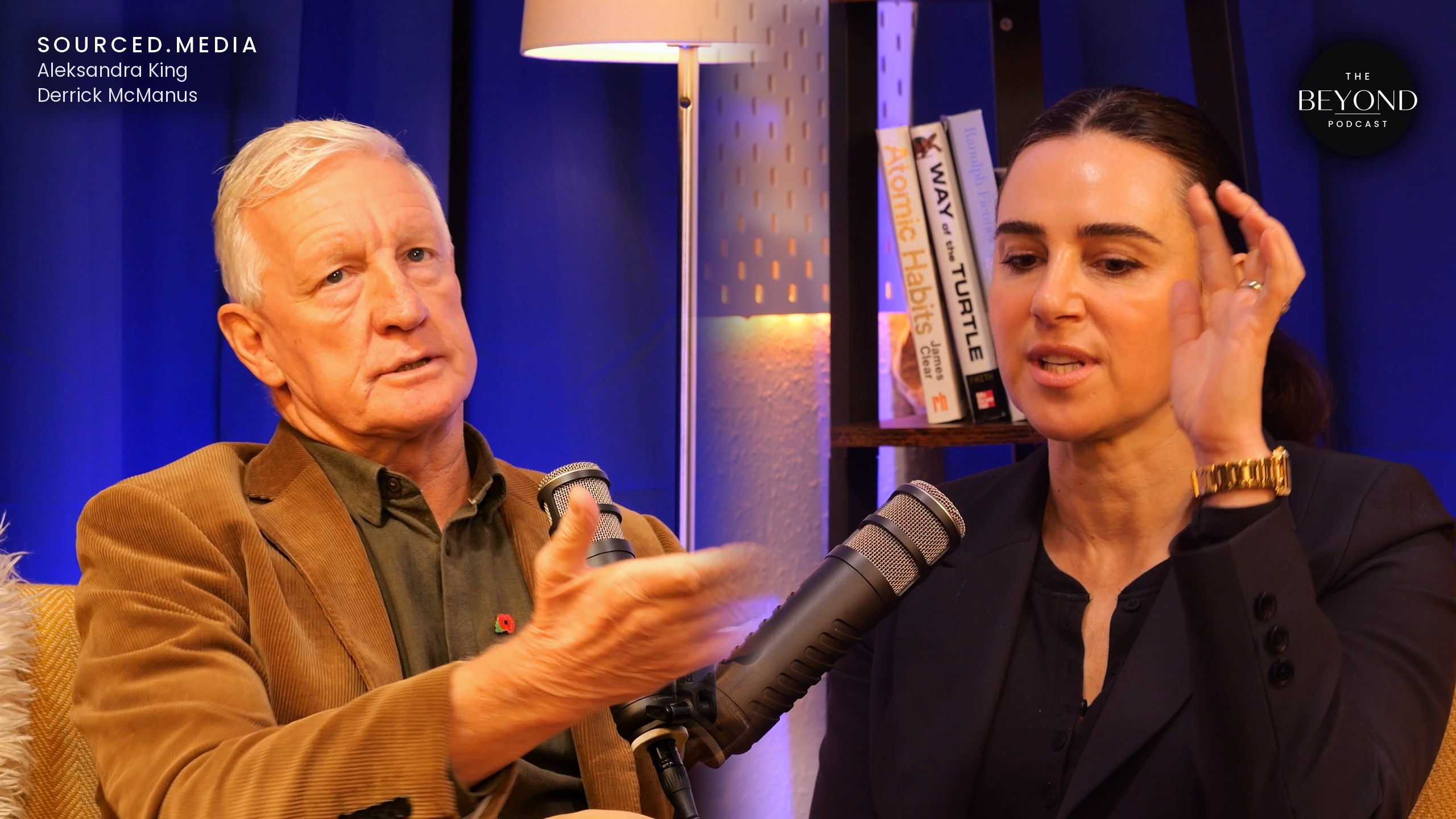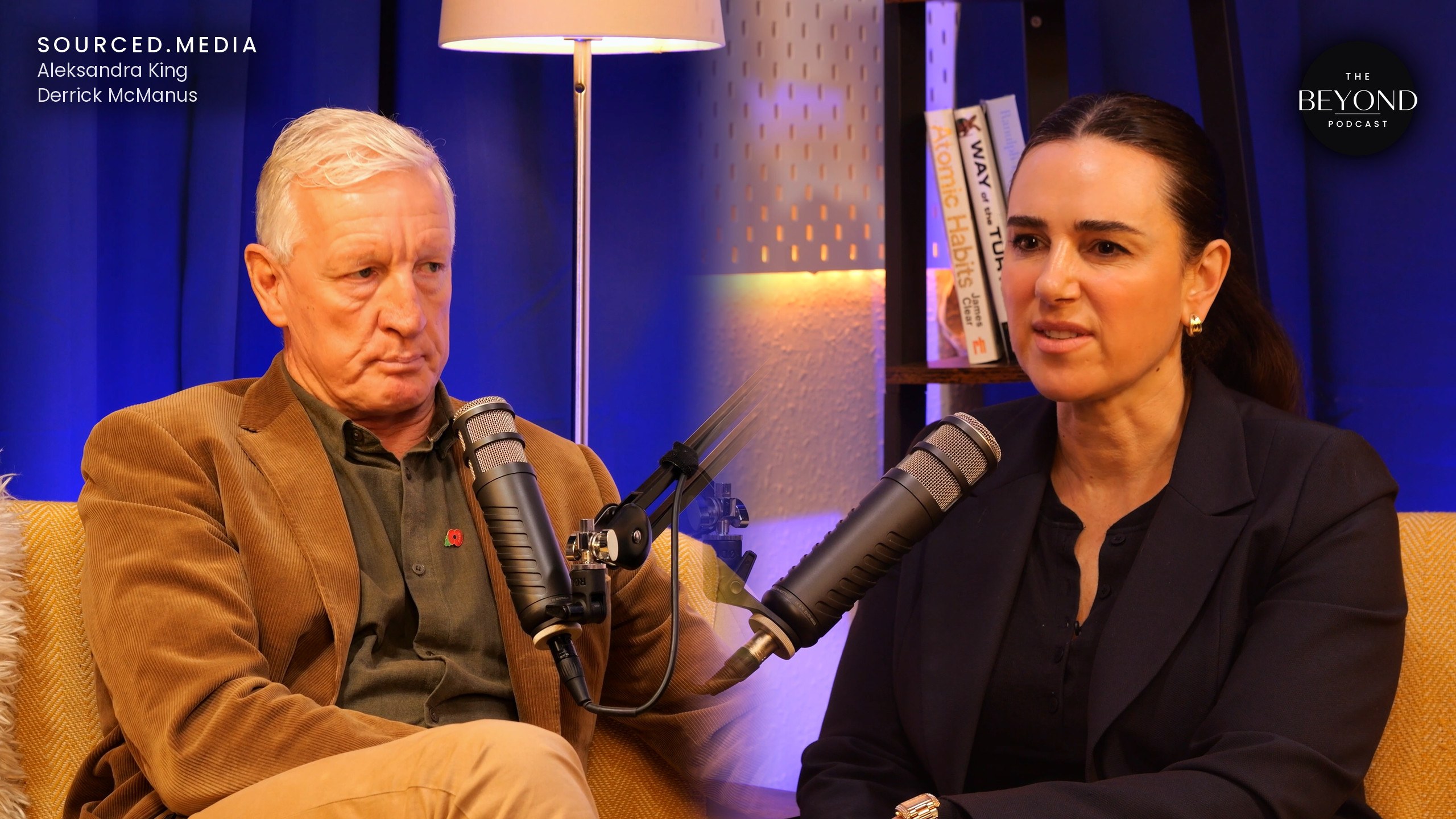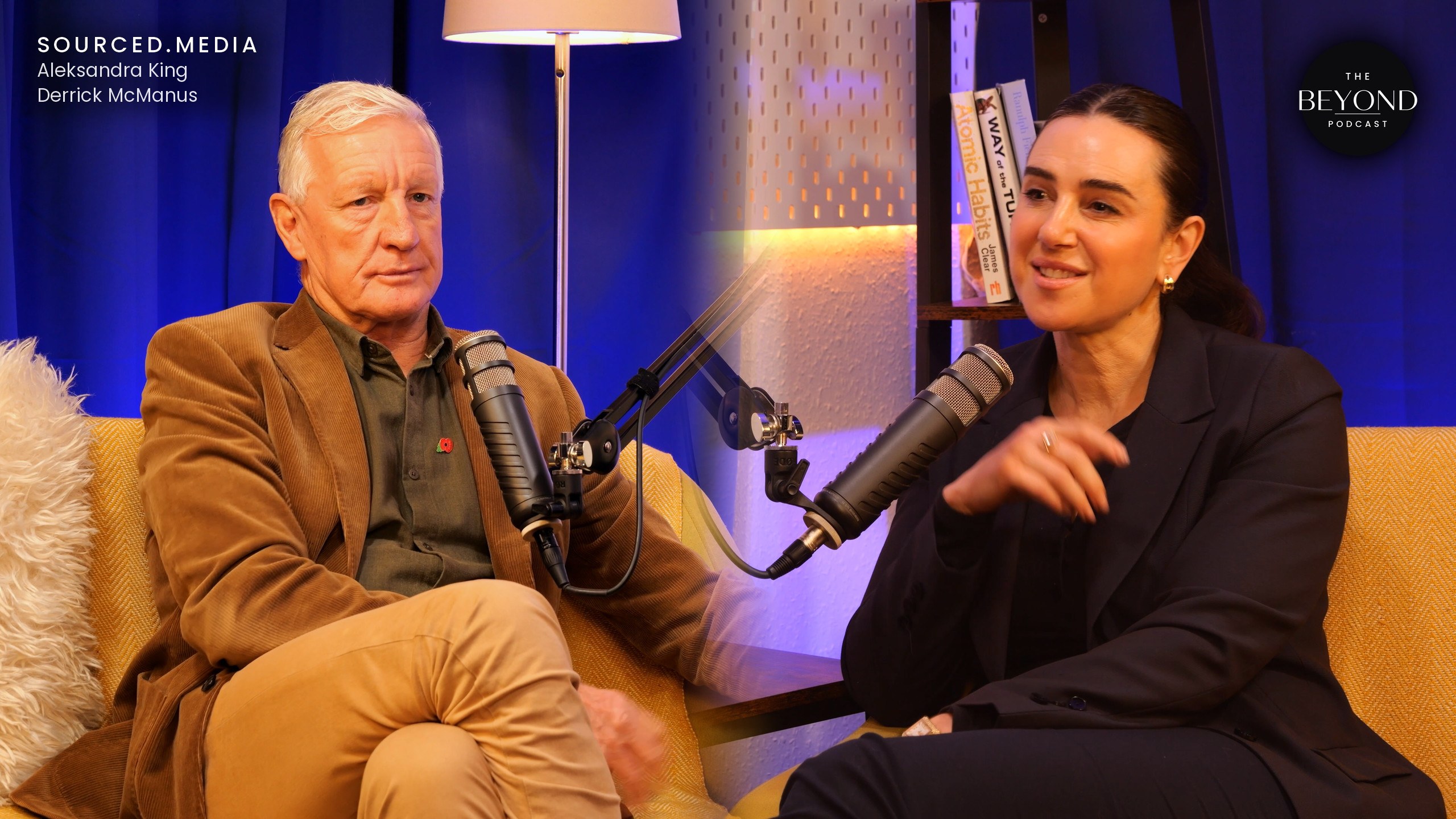
Derrick McManus, former STAR Group officer and founder of Human Durability
Story
Derrick McManus: shot 14 times, three hours on the ground, and the method he says kept him alive
Derrick McManus, former STAR Group officer and founder of Human Durability
Shot 14 times at a farmhouse door in 1994, the STAR Group officer lay bleeding for three hours while the gunman fired around 2,000 rounds. He says he relaxed. In conversation with Aleksandra King on The BEYOND Podcast, he explains why that was training rather than bravery.
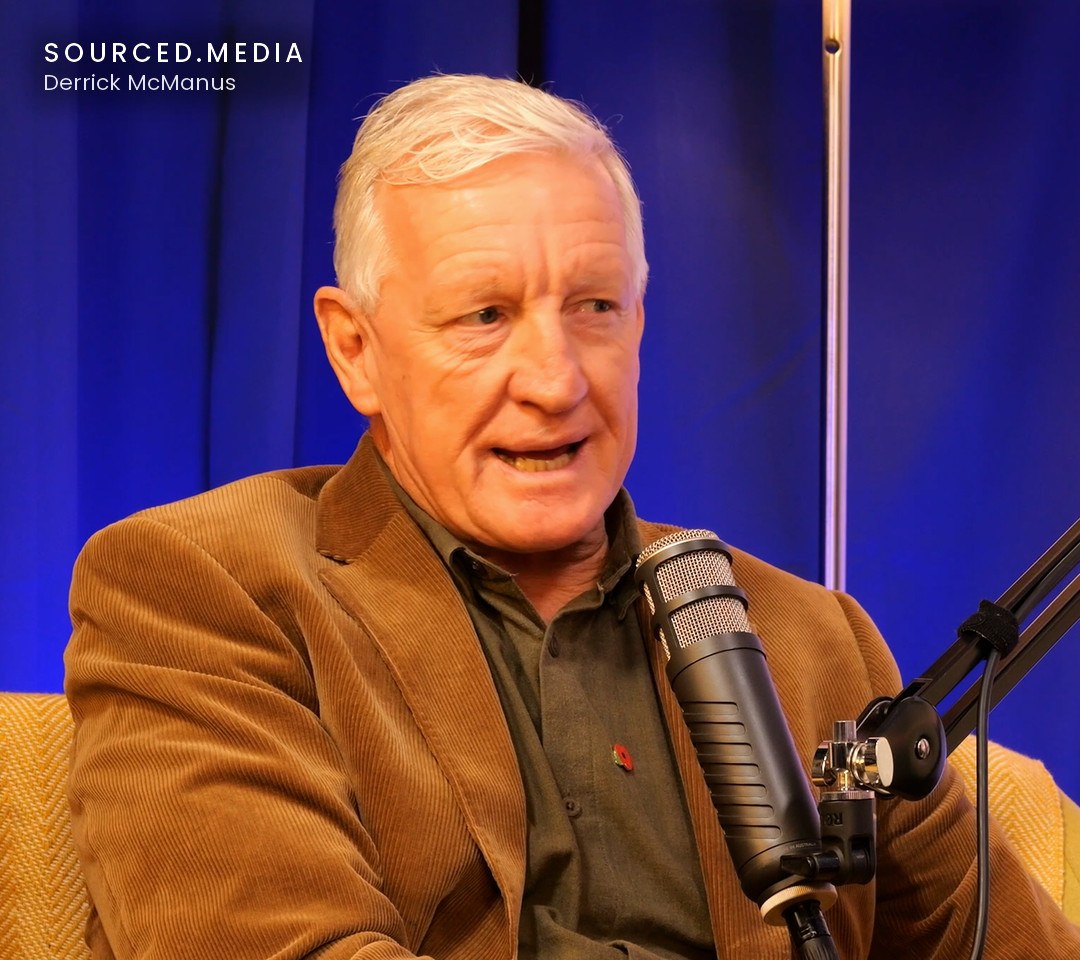
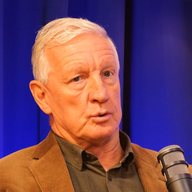 Derrick McManusFormer South Australian Police STAR Group officer and founder of Human Durability
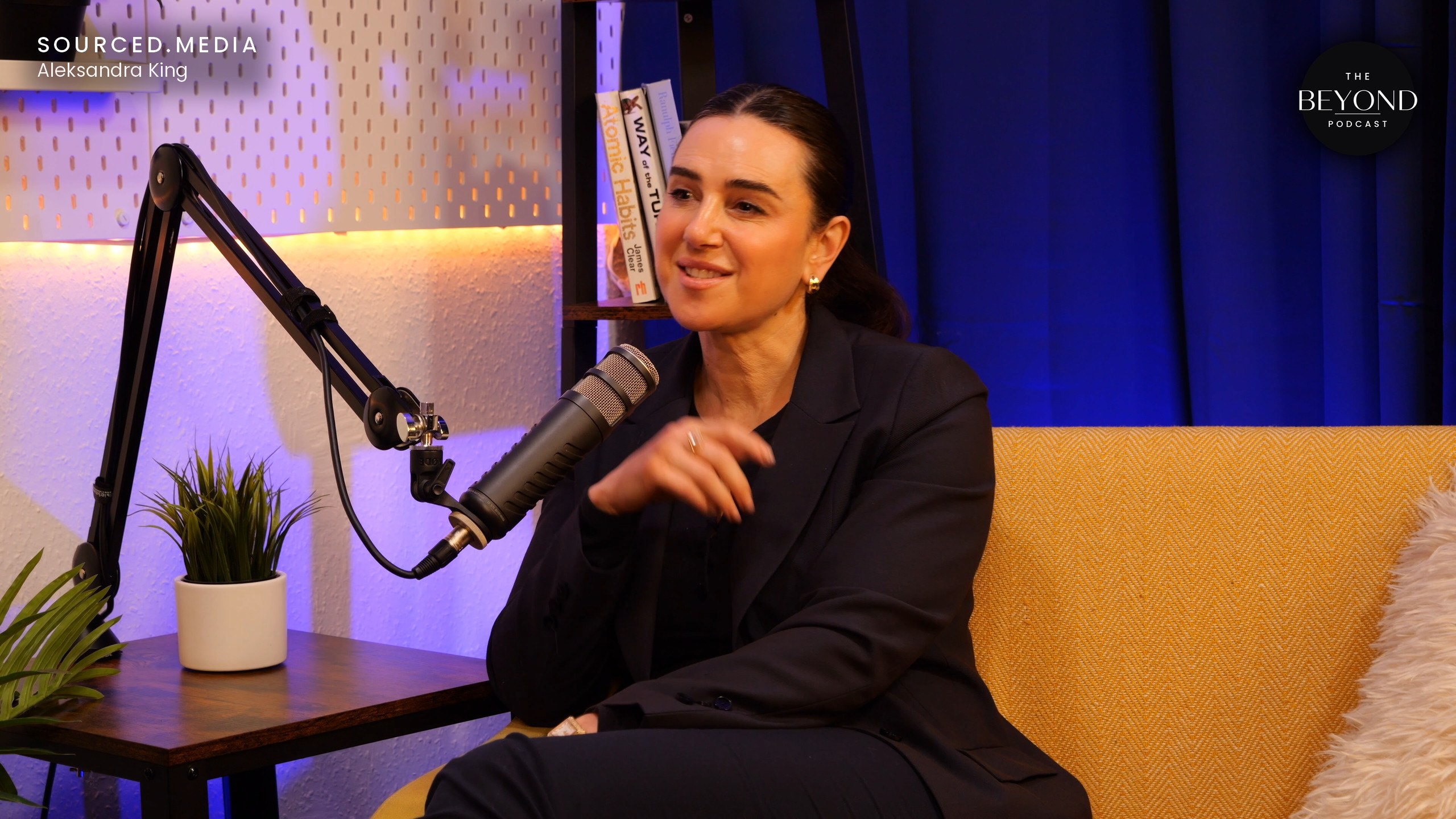
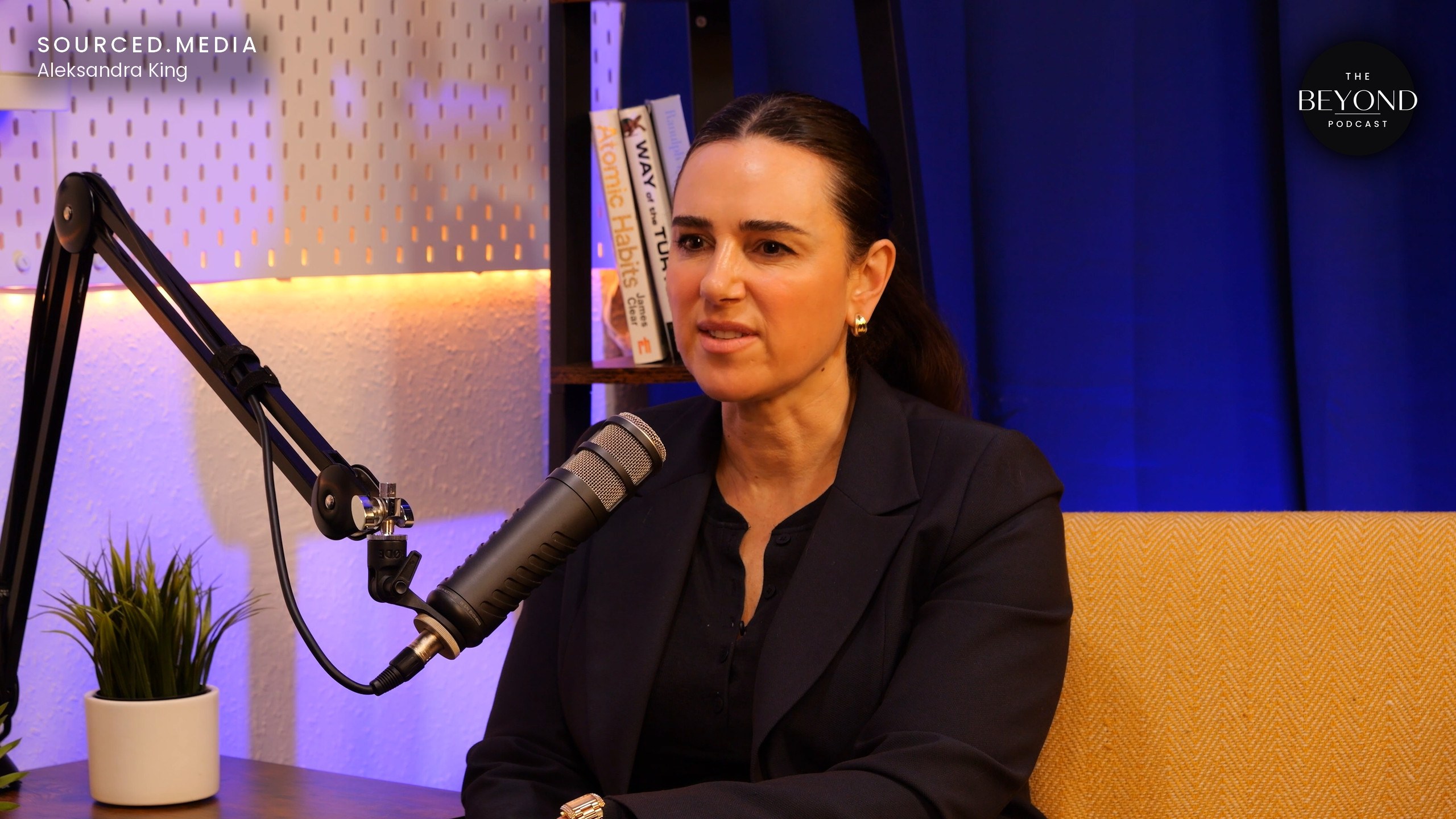
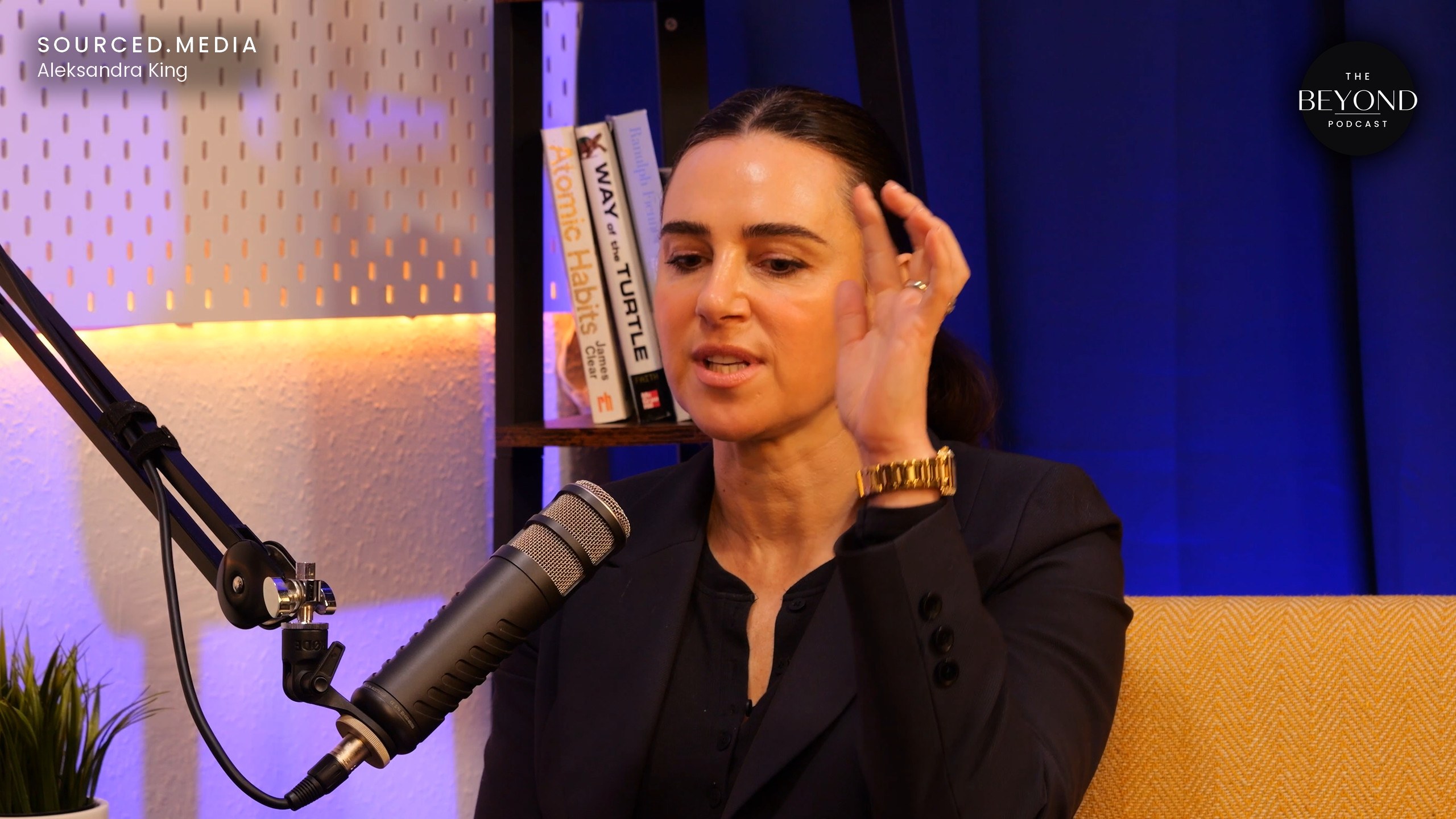
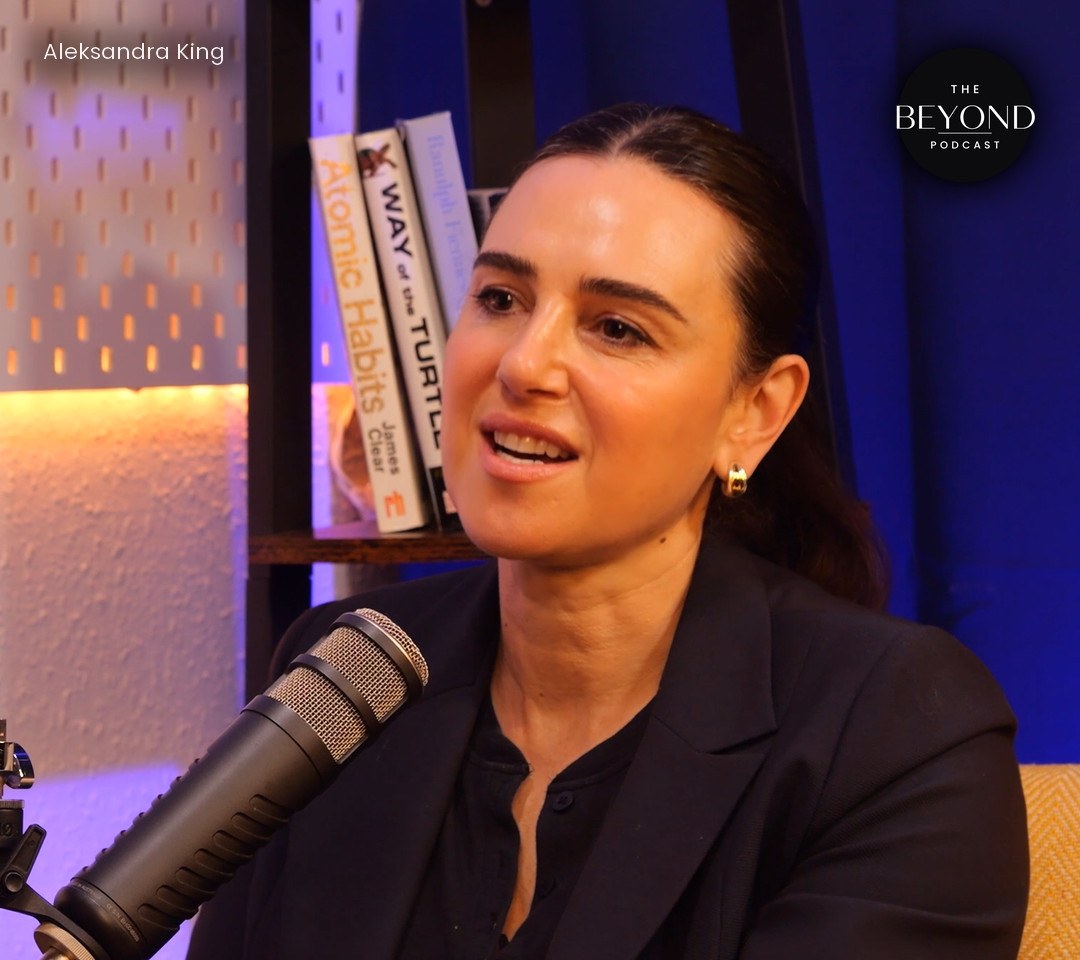
 Aleksandra KingPodcast Host and Producer, The BEYOND Podcast
- Source
- The BEYOND Podcast, hosted by Aleksandra King, with guest Derrick McManus
Takeaways
- Risk managers, not risk takersThe unit went in excited because it was trained for the work, and nervousness, he argues, guarantees performance below what the situation demands.
- Thinking outside the squareAs he fell he was berating himself for falling, then reasoned from small round holes and the sound of gunfire that he was being shot, without the thought interrupting the task.
- Control panic, control shockSlowing the heart rate and the breathing sends blood back to the prefrontal cortex, where planning and creativity happen. That is what let him call out that he could still shoot.
- Sustained optimal performance, not peakSpecial forces train to operate at 100% all of the time, but with two severed arteries that pace would have killed him within minutes, so he slowed everything down.
- Do the therapy firstFive years before the shooting he sat down with his wife for an open, honest, confronting conversation, and agreed that anything better than death is a bonus.
- Have something better to move towardsThe optimism that kept him fighting came from the idea of wheelchair basketball, a Paralympic team and a gold medal, rather than a belief that he would get his old life back.
Derrick McManus, former STAR Group officer and founder of Human Durability, in motivational speaking, told podcast host Aleksandra King on The BEYOND Podcast about fear, resilience and surviving a police siege. Derrick McManus, the guest on this episode of The BEYOND Podcast, was playing police basketball when the call came. On 3 May 1994 his STAR Group section had a high-risk arrest in the Barossa Valley, an hour from the city, and the offender was a man he had dealt with twice before. Most people, he tells Aleksandra King on The BEYOND Podcast, assume the reaction was fear. It was the opposite, excellent news and more work.
By the middle of the afternoon he was on his back beside a fence, with a forearm broken in two places, two bullets through his flak vest into his stomach, two more through his left thigh, and most of his right Achilles tendon gone. The man inside the house kept firing, through the bricks above his head, for the next three hours. A doctor later told him he had been 30 seconds from death.
What makes the conversation more than a survival story is what McManus says he was doing during those hours. He was not being brave, he insists. He was controlling panic and shock, slowing his heart rate and his breathing, getting blood back into the prefrontal cortex, and building a reason to keep fighting out of wheelchair basketball. He now teaches the process, through Human Durability, as sustained optimal performance, and he argues it works as well for a bullied schoolchild as it does for the SAS.
Why was a high-risk arrest good news?
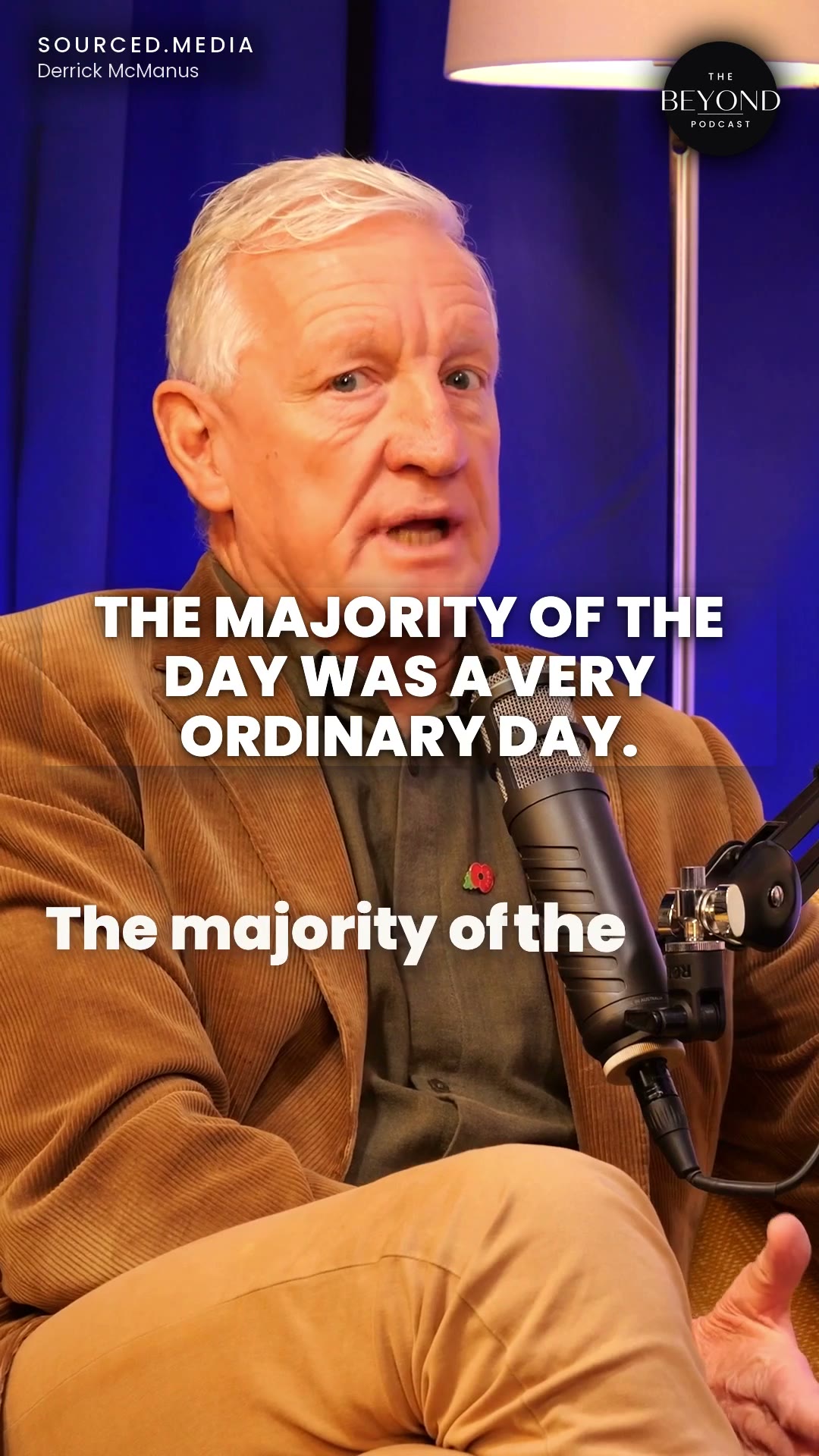
For McManus the day began like any other. His cousin was finishing a veranda at the back of the house, and his wife had promised tea and scones under it when he got home. McManus was out playing police basketball, because the unit paid its officers to stay fit, when his boss rang with a high-risk arrest in the Barossa Valley. The offender was Grosser, a man the unit had raided before after he said any police officer who came to his house would be shot.
We were trained for this, and this is the work we love to do.
 Derrick McManus
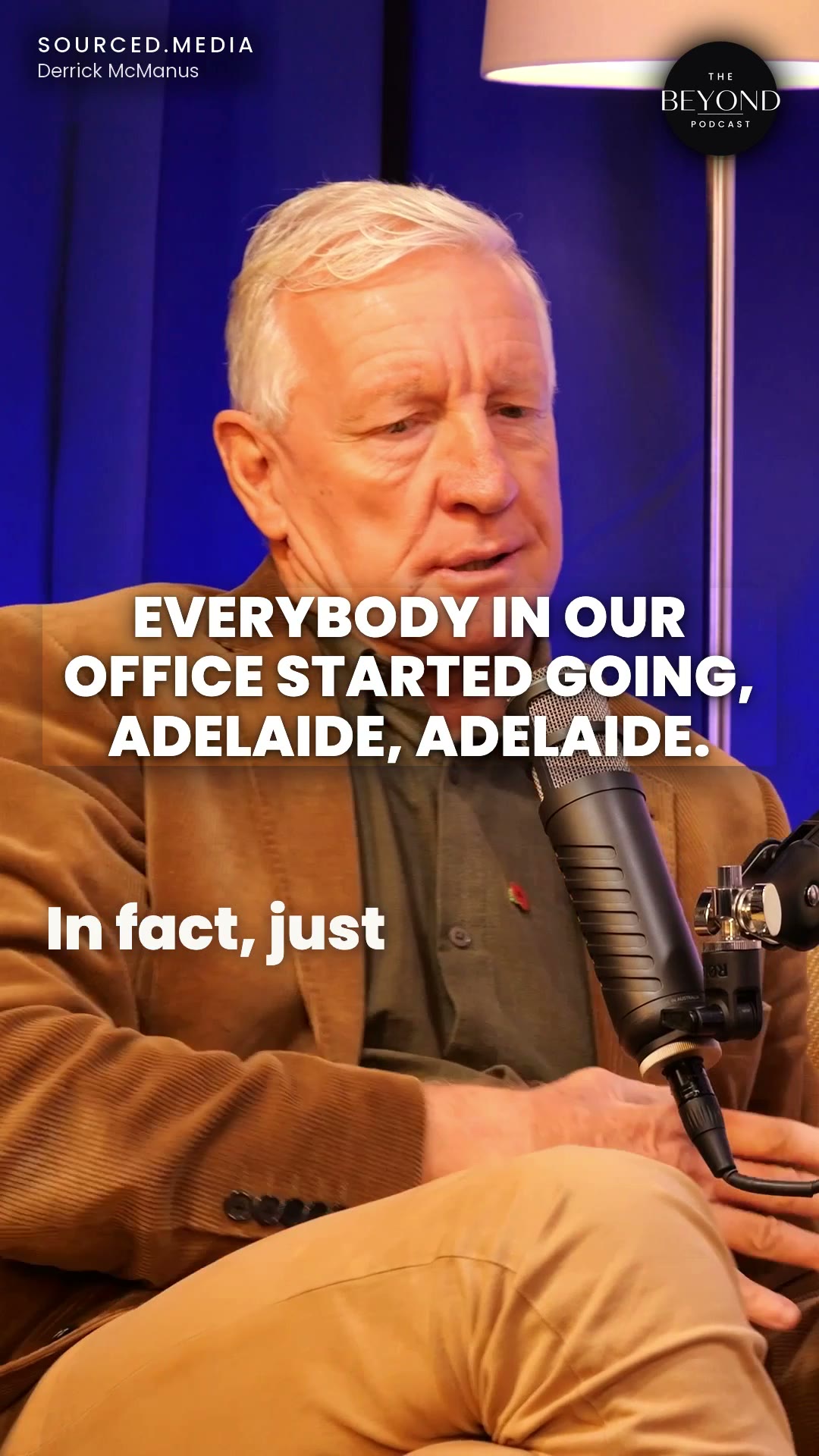
He offers an office anecdote as proof that the appetite was general rather than his alone. A news briefing said a hijacked plane in Indonesia would be flown to either Perth or Adelaide, and everybody in the STAR Group meal room started calling for Adelaide. Then he stops himself, because he does not want that mistaken for recklessness.
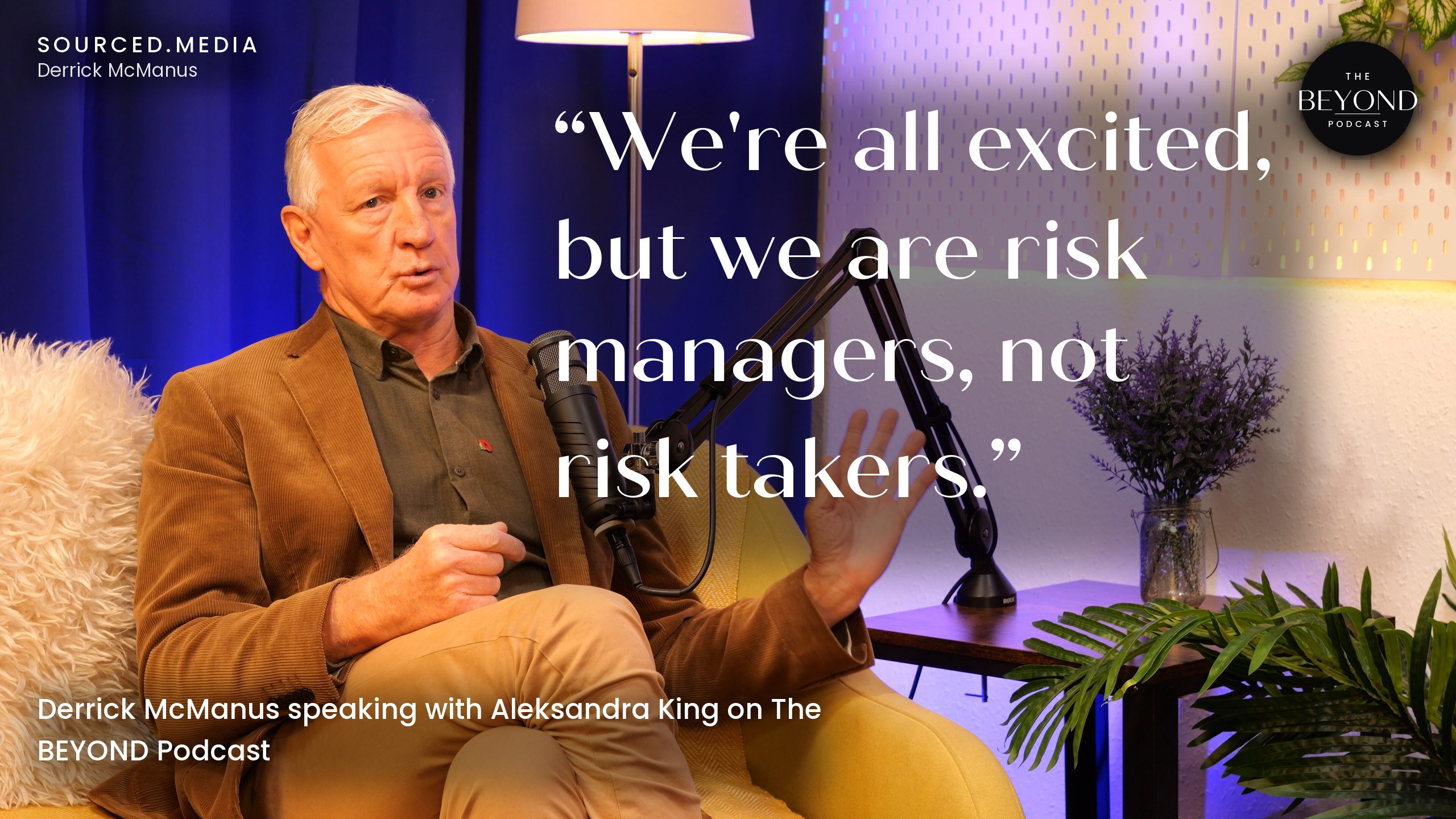
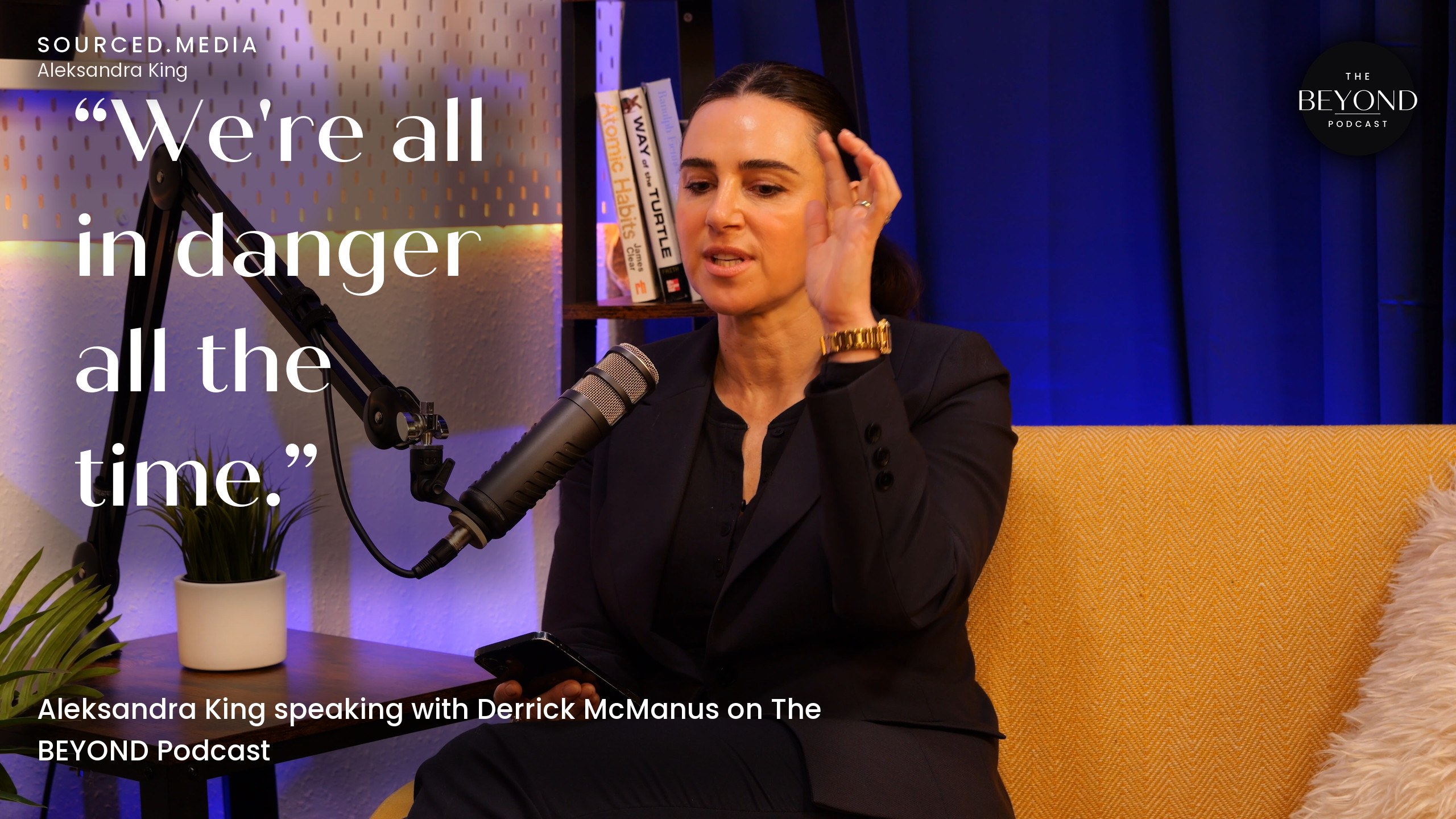
We're all excited, but we are risk managers, not risk takers.
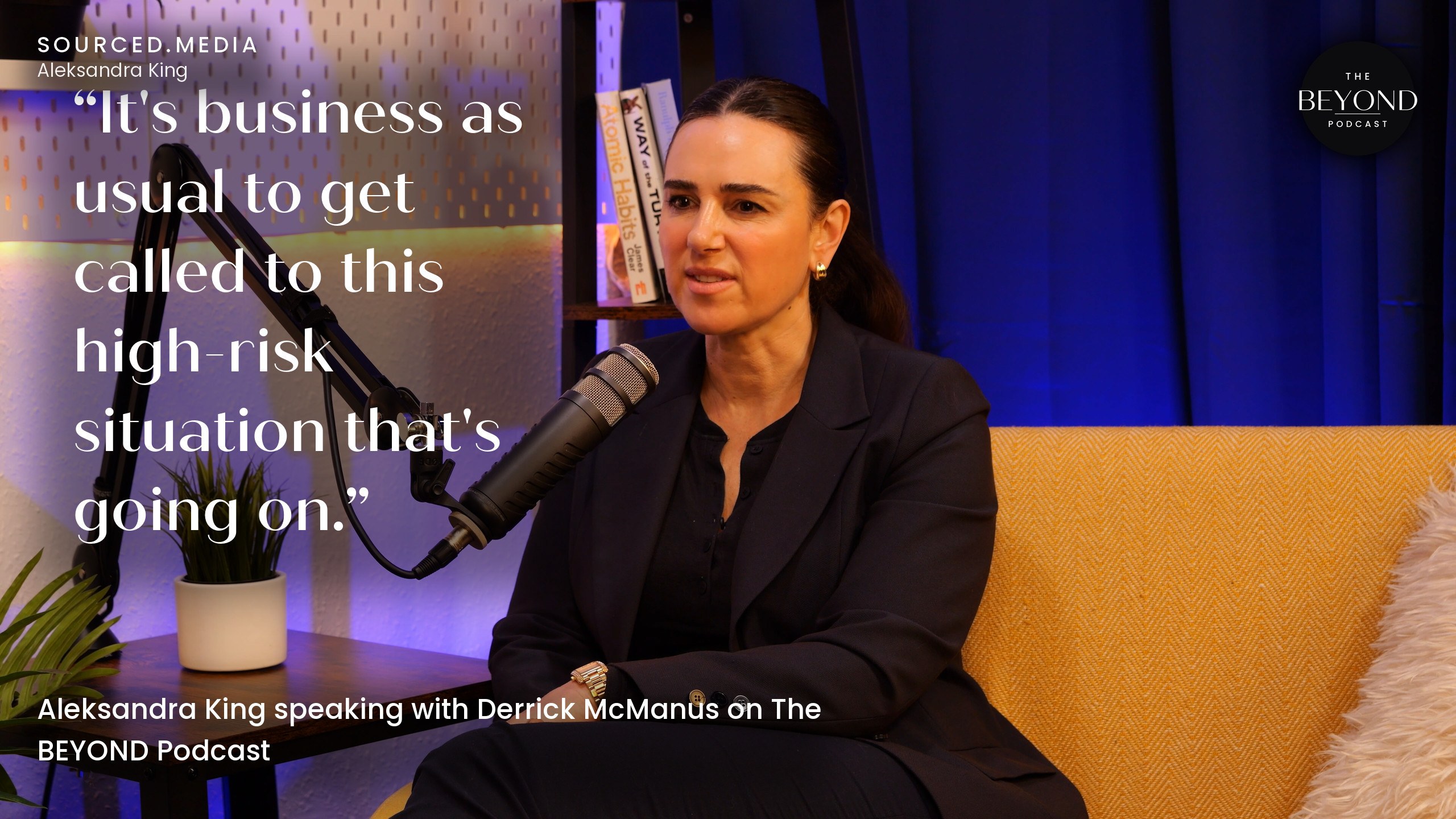
The distinction is the operating principle of the whole episode. The team briefed twice, put a sniper into the bush, drove in through a gap in the fence rather than the locked front gate, and took a videographer because Grosser complained about every visit and it was his word against theirs. On his account it was the first arrest in South Australia caught on video.
What does it feel like to be shot?
Nothing, at first. Sent five steps down the side of the house to check a glass sliding door, McManus kept his shadow off the windows and reached out to test whether the door was open. The sun turned the glass into a mirror, so he could not see in. Grosser, standing in the hallway with a loaded rifle, could see out. The next thing McManus knew, he was falling, and angry with himself for it.
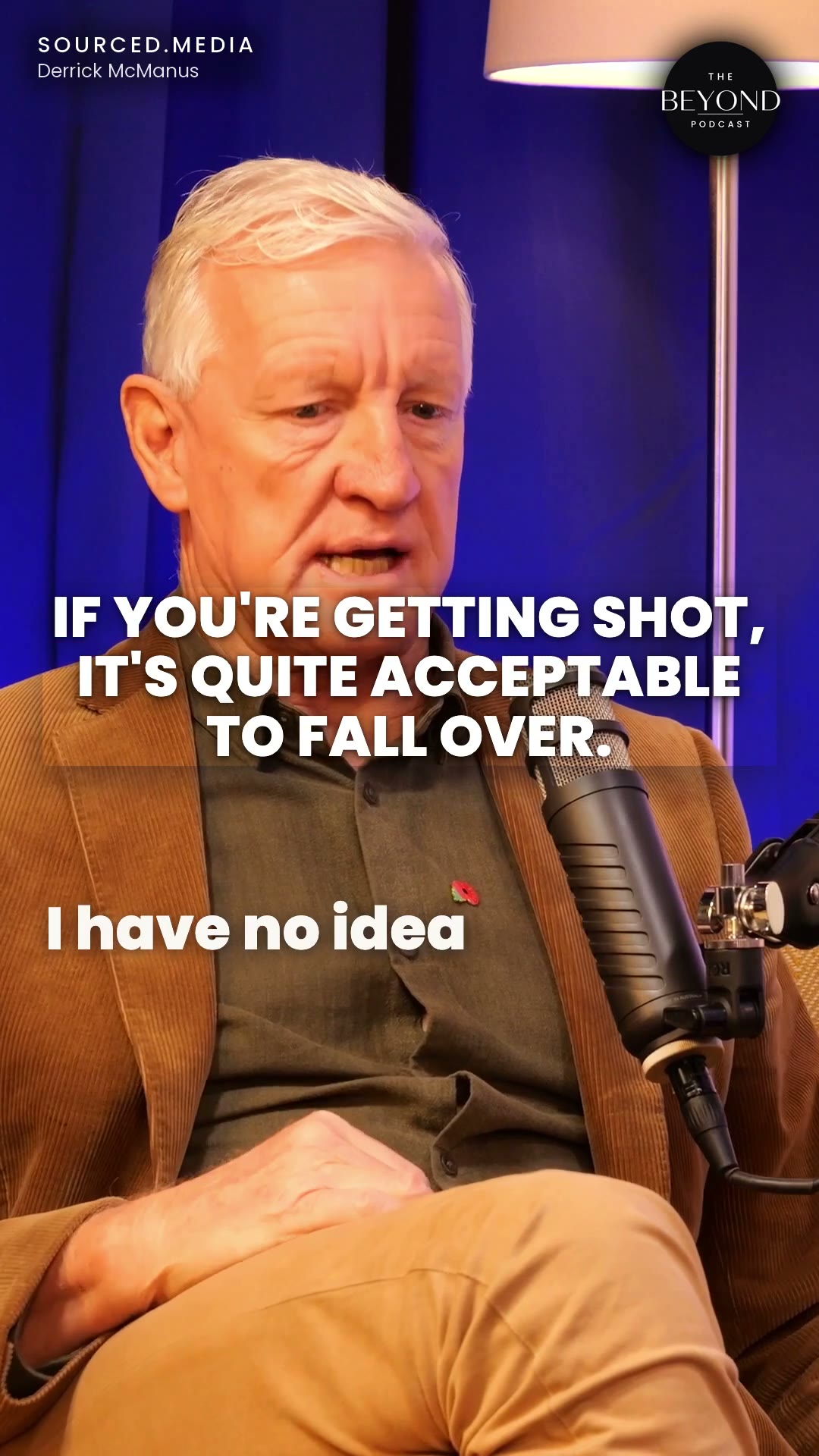
Derrick, don't be too hard on yourself, because if you're getting shot, it's quite acceptable to fall over.
He tells it as a joke against himself, but the point underneath it is serious and he makes it twice. Highly trained people are allowed thoughts outside the square while still doing everything the job requires. The stray thought never interrupted the work.
The two bullets he did feel came while he was on the ground, into his left thigh. He describes a sledgehammer, then a shockwave travelling up through his body and back down to the point of impact, and says the pair of them seemed to take 30 seconds to arrive. He lost about 30% of the muscle in that thigh. He itemises the rest of the injuries later, without drama. His forearm was broken in two places with a severed radial artery, shrapnel went through the ulnar artery in his right wrist, two bullets went through the flak vest into his stomach and one through his right Achilles tendon, and a round was stopped by the ceramic plate over his heart and lungs.
From the recording
How do you return fire when you cannot see the gunman?
Lying with his feet towards the shooter, he knew he had to fire back, and knew his feet would rise as he lifted a torso weighed down with vest and equipment. The thought that arrived was that he had better not shoot himself in the foot, because the guys at work would never let him forget it. He intended to fire six or seven rounds, and the video analysis afterwards counted 13.
It's only when I fire back that he stops, and that was my whole intention.
He could not see Grosser, so he fired towards the sound, hit a brick beside the man's head and missed the head itself, he says, by millimetres. Then he rolled to his right, towards a wall he knew would hide him, got to his feet and staggered around the corner calling to his mates that he was hit.
Asked how anyone manages that, he widens the answer beyond himself.
The normal person, when they hear gunfire, will run away. Police officers will go: what's going on, how can I get closer?
Training, he says, and probably personality too. Its purpose is narrow, to do something to negate the threat.
What is sustained optimal performance?
The philosophy he now teaches was named, on his account, against a wall at the side of that house. Leaning on a forearm broken in two places, he watched his hand fold back along his arm, thought of a scene from The Naked Gun, and told himself this was not a good day. Then he set his mind to staying alive.
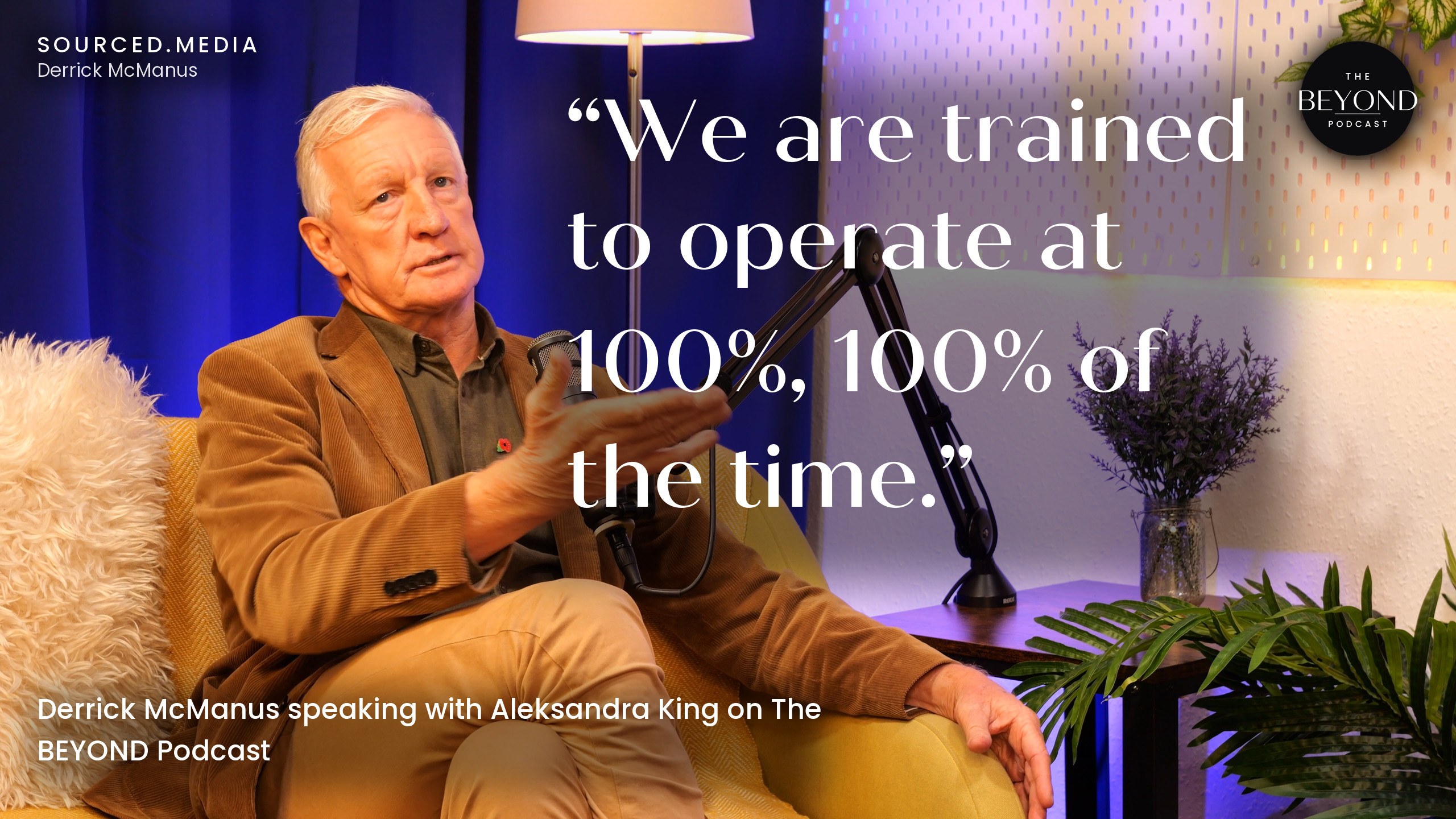
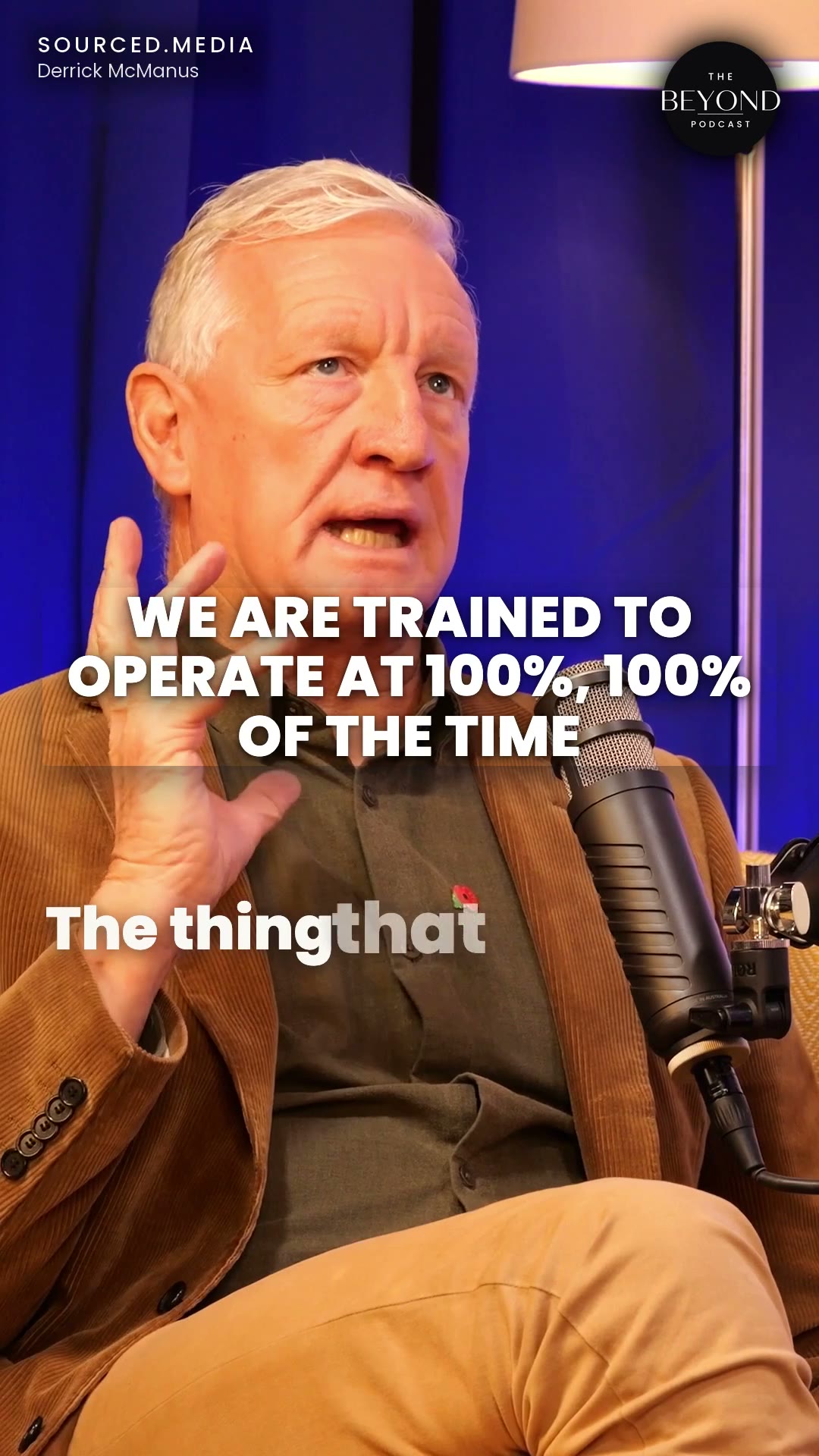
We are trained to operate at 100%, 100% of the time.
Peak performance was the one thing he could not afford. Pushing, rushing, a racing heart and pumping blood would, with two severed arteries, have killed him within minutes. So he did the opposite. He controlled panic and shock, slowed his heart rate and his breathing, and thought logically about what to do next. He credits his training as a recovery and tactical diver, where black water and a finite air supply teach the same discipline.
The physiology matters to him because of what it makes possible. Shock sends blood to the arms and the legs and drains it from the prefrontal cortex, which is where planning, processing and creativity happen. Get the blood back, and the thinking returns. His evidence is what he did next, once he had worked out from the flat trajectory of the brick dust that Grosser was firing from the attic and could not see him.
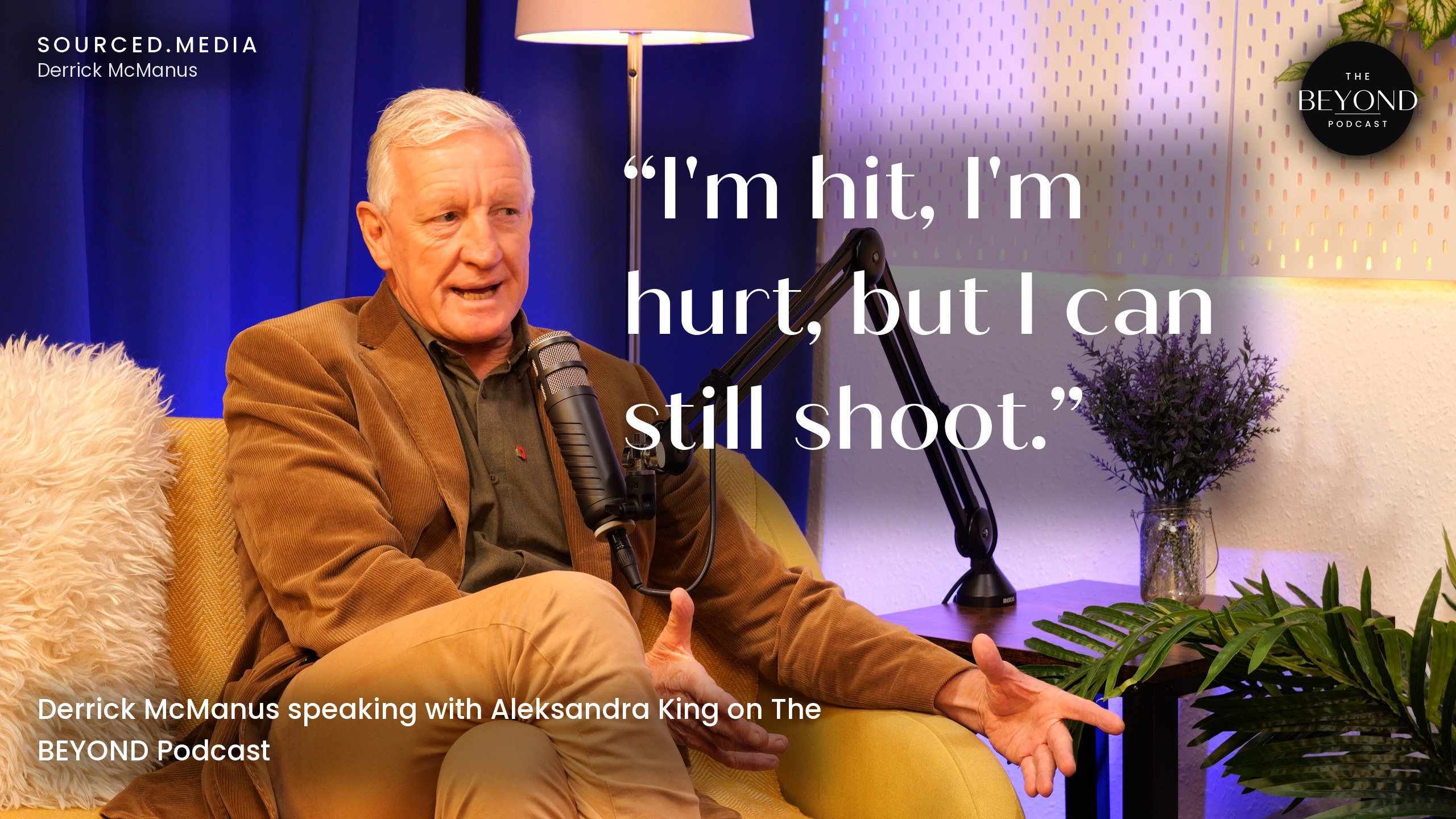
I'm hit, I'm hurt, but I can still shoot.
He does not know whether the gunman heard. It was meant to intimidate, and it made him feel better. Aleksandra King calls it mind control on an elite level; he prefers mindset and mind management, because the mind is something to be managed.
Transcript
Derrick McManus: I've just been shot, and my hand is folding back along my forearm; this is not working out well for me. But I never disregard the seriousness. It's at this point that I really need to set my mind on making sure that I'm going to be okay. I've come up with a philosophy of sustained optimal performance. The thing that kept me calm at that time is that in STAR Group, in any special forces, we are trained to operate at 100%, 100% of the time. Derrick McManus: If I had tried to sustain that peak performance at that time, I would have been pushing myself, I would have been rushing, I would have been trying to do more than I was capable of. My heart would have been racing, my blood would have been pumping, and because of two severed arteries, I would have been dead within minutes. But I knew that I needed to control panic, control shock, slow down my heart rate, slow down my breathing. By doing that, I was able to logically think through what I needed to do to sustain that optimal performance.
Listen
Derrick McManus: Shot 14 Times in a Police Siege
The player loads when pressed.
Why did he do his therapy five years before the shooting?
Aleksandra King steers him away from the scene to a conversation that preceded it. When McManus joined STAR Group, five years before he was shot, he sat down with his wife for what he calls an open, honest, confronting conversation. He might be shot and injured, he might be shot and killed, and his first question was about her life rather than his. Would she want to marry again? Whatever she chose, he would support it.
If I don't die, anything better than death is a bonus.
That included the wheelchair, because if a spinal injury left him in one for the rest of his life, he told her then, he would find a way to enjoy life as long as he could interact with his children. Saying it beforehand was the point, since said afterwards, from the chair, it would sound like a platitude. They also agreed what she would tell the children about the man who chose the job knowing the risk.
He then draws a line around it, telling King that people like her would never need such conversations because they are not going to be facing weapons. She refuses the exemption he offers her.
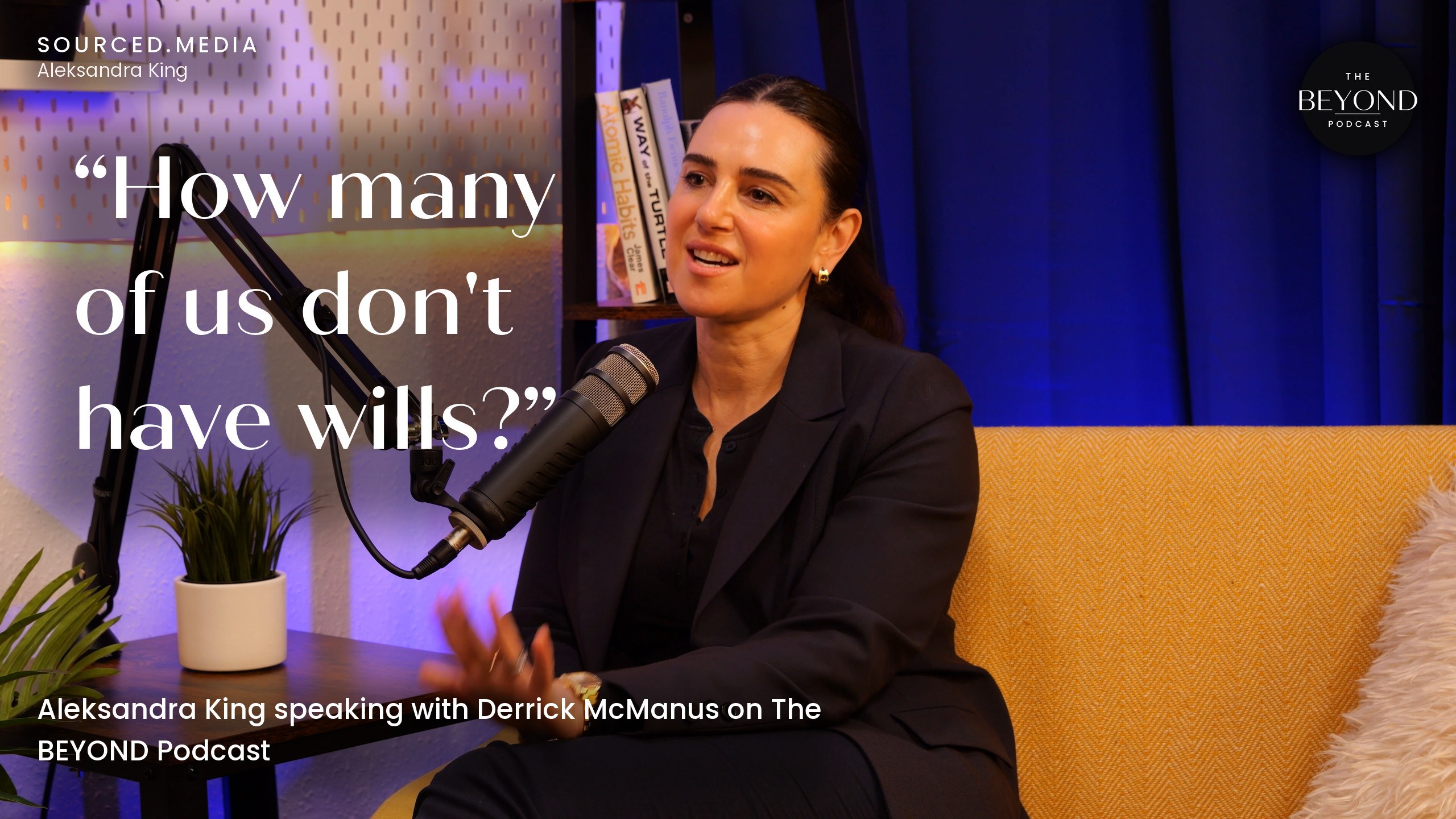
How many of us don't have wills? We don't talk about these things. We don't prepare for them.
 Aleksandra King
He takes the point and rebuilds the teaching on her premise. Anybody can be hit by a bus. His whiteboard exercise asks people what challenges and changes they can see in the next 12 months to 5 years, how those will make them feel, what resources they have to deal with them, and what triggers tell them it is time to reach for those resources. It is, he says, simply how he prepared himself, set out so that others can start.
From the recording
Can optimism keep you alive?
On the ground, bleeding, he accepted that he might spend the rest of his life in a wheelchair, and then asked himself how he would make that interesting. He played basketball, and had made the national police team. Basketball plus a wheelchair made wheelchair basketball. His ego, which he calls the special forces ego and encourages people to embrace, took it further. If he was that good, he might make the Paralympic team, which travels the world, and might come home with a gold medal as a result of getting shot.
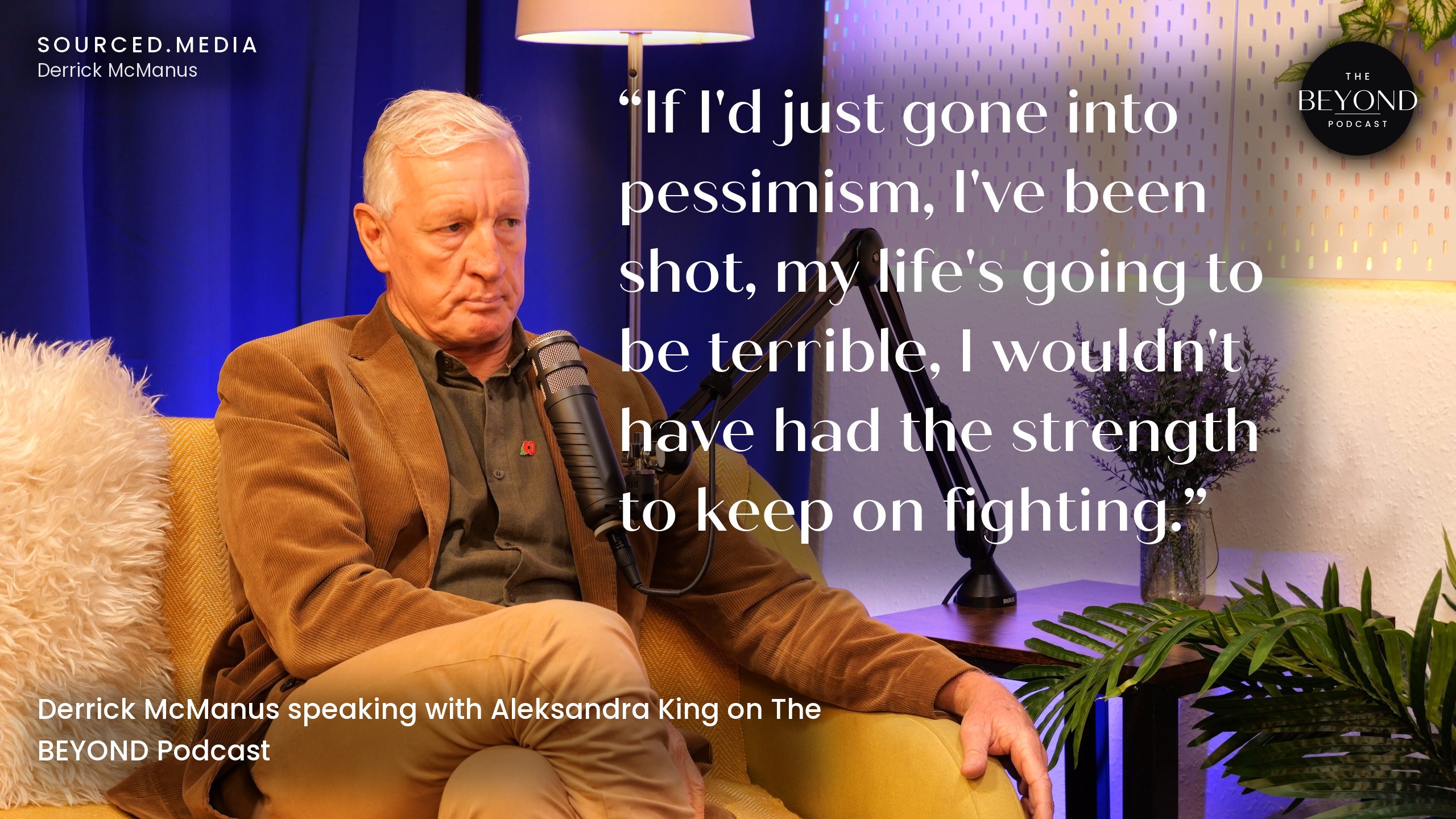
If I'd just gone into pessimism, I've been shot, my life's going to be terrible, I wouldn't have had the strength to keep on fighting.
The reflection came later, he says, and mostly because people kept asking him questions he had to go deeper to answer. He is precise about the kind of strength he means, which is mental rather than physical, and about what the optimism was not. He did not believe he would get his old life back. At that moment he thought that life was gone.
We may not be able to get perfection, but what can be better than where we are now?
That is the general form of the idea, and the one he offers to other people. He offers a direction rather than a promise of recovery, something better than the present, however modest the increment.
Watch the full episode
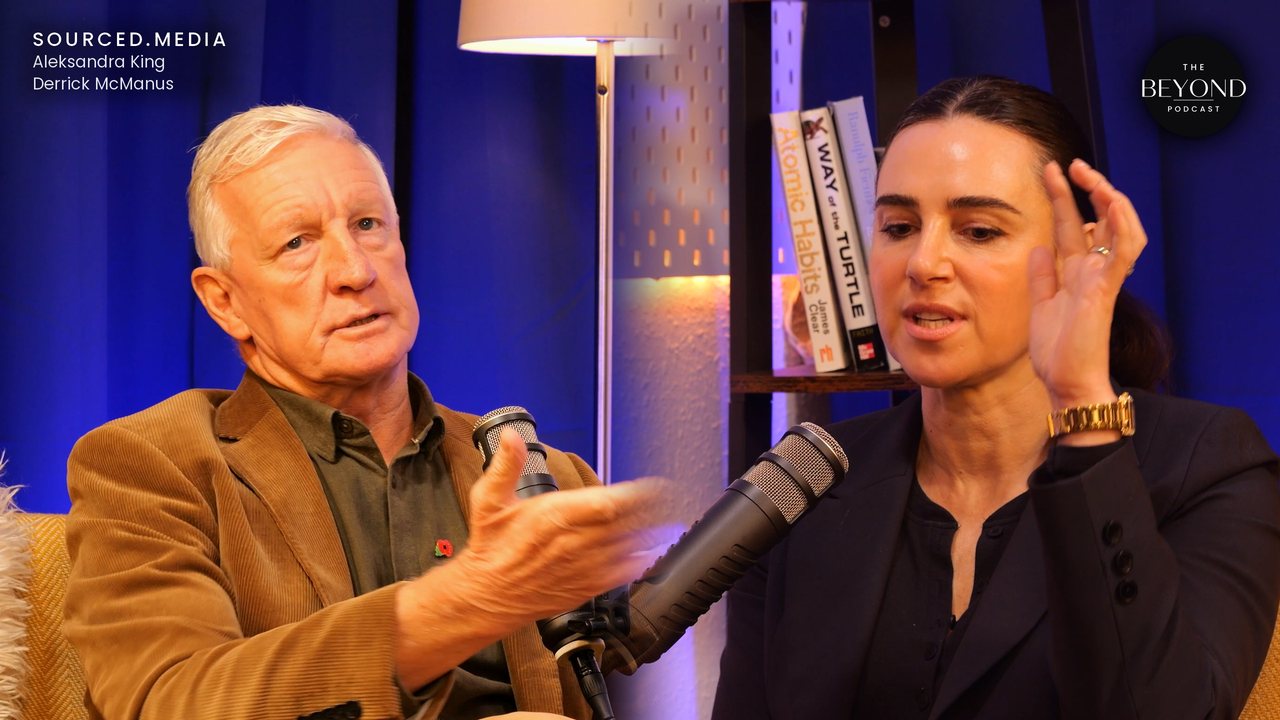
Watch the full episode on YouTube (opens in a new tab): Derrick McManus on The BEYOND Podcast · the episode page on the show’s site (opens in a new tab)
What happened when his vision went white?
After two and three-quarter hours his legs and arms had shut down and the pistol had fallen out of his hand. Then his vision went, not to grey or black as he expected, but to a pristine white, and he found himself wondering whether this was what religion means by the white light. He is not, by his own account, a religious person. He treated it as information, a sign that not enough oxygen was reaching his brain.
I could die within moments, or sustain optimal performance and last as long as I can.
This was the crux, and it is the point where he says he fought hardest, moving what little he still could and speaking aloud to himself.
Derrick, don't give up. Derrick, keep on fighting.
Within 30 seconds to two minutes, two rifle shots came from outside the house, fired back towards it. Then came adrenaline, because his mates were on their way. They came in under fire, because the shooter heard the truck and fired faster, and carried him out to a doctor whose team stood in the direct line of fire for 10 minutes to stabilise him. Without that, the doctor told him, he would have died. His first surgery ran 6 hours and used 24 units of blood, which is why he calls blood donors heroes. He woke in critical care, and he says he was happy, because anything better than death is a bonus.
Grosser stayed in the attic for another 38 hours, reloading magazines in the silences that McManus found harder than the shooting. Police, judging that he was alone in the house, risked nobody else and used tactics that made him surrender after 41 hours in all. McManus calls it the longest siege in Australia; that is carried here as his account rather than as an independently verified fact.
From the recording
Does he still think about the man who shot him?
Grosser was sentenced to 22 years, served his time, and walks free in Adelaide. McManus knows exactly where he is, an irony he enjoys. As a victim of crime he was not entitled to know, but as a serving police officer until 2018 he was told for operational safety. Asked how he feels about it, he divides his mind into percentages. Most of it is comfortable, partly because of a distance he describes as a privilege. In his view the man shot a cop walking down the side of his house, and the cop happened to be Derrick McManus. What remains is vigilance.
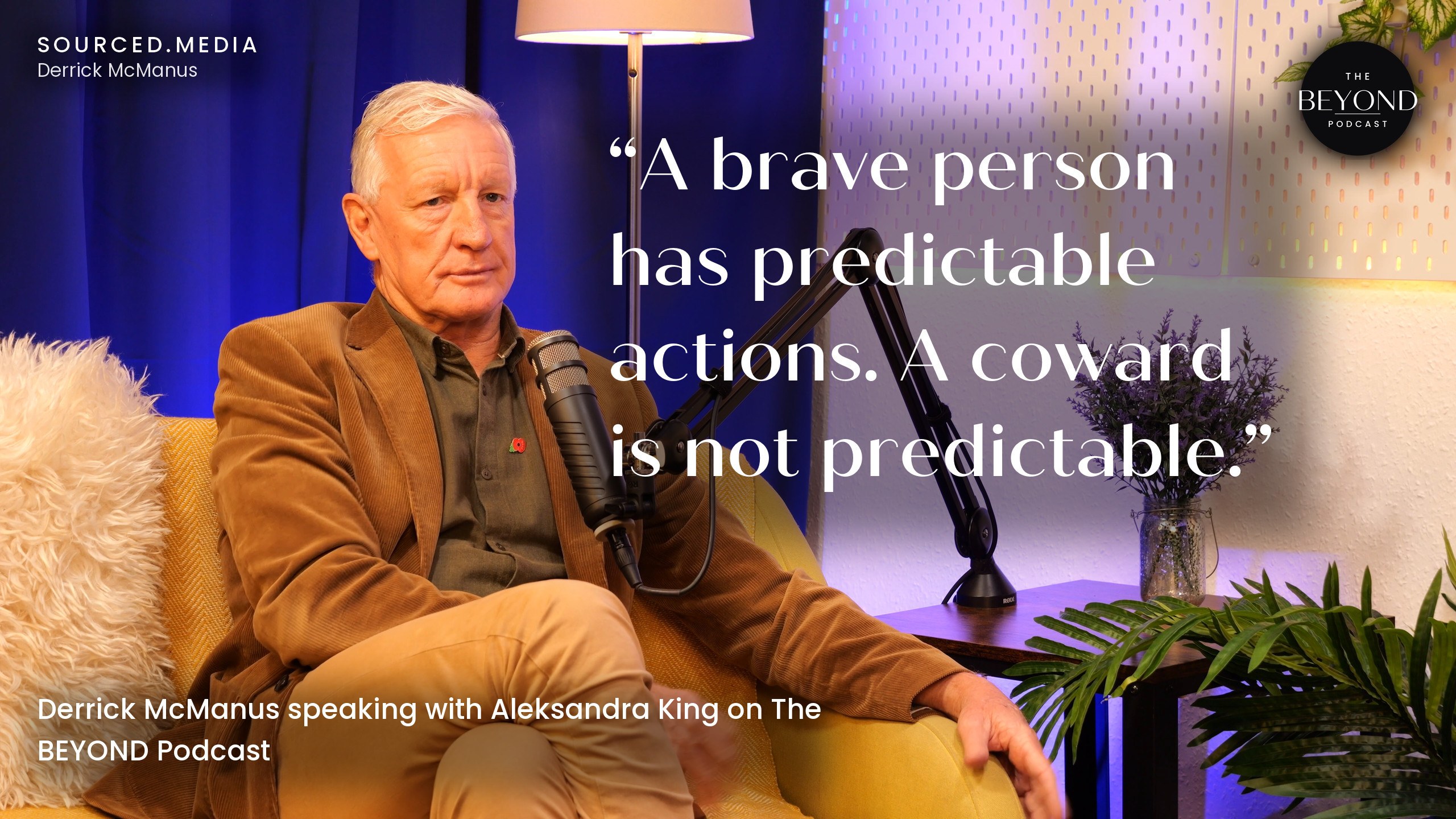
A brave person has predictable actions. A coward is not predictable.
His concern is for his children rather than for himself. The family does not hide on social media, and he expects that if the man met them he would want to put his side of the story to their faces. So he sat down with them and talked through how they might feel and what they could do. They return the favour, he says, pulling him back into line when his own mind runs out of control.
I have sat down and discussed this with my children, if this happens, this is how you might feel, this is how you might be able to respond, these are the things that you can do.
Which is the argument of the whole conversation. He uses the process every day, for everyday things. He teaches it to schoolchildren facing bullying and maths homework, to chief executives, and, he says, to the SAS, whom he is due to address in February.
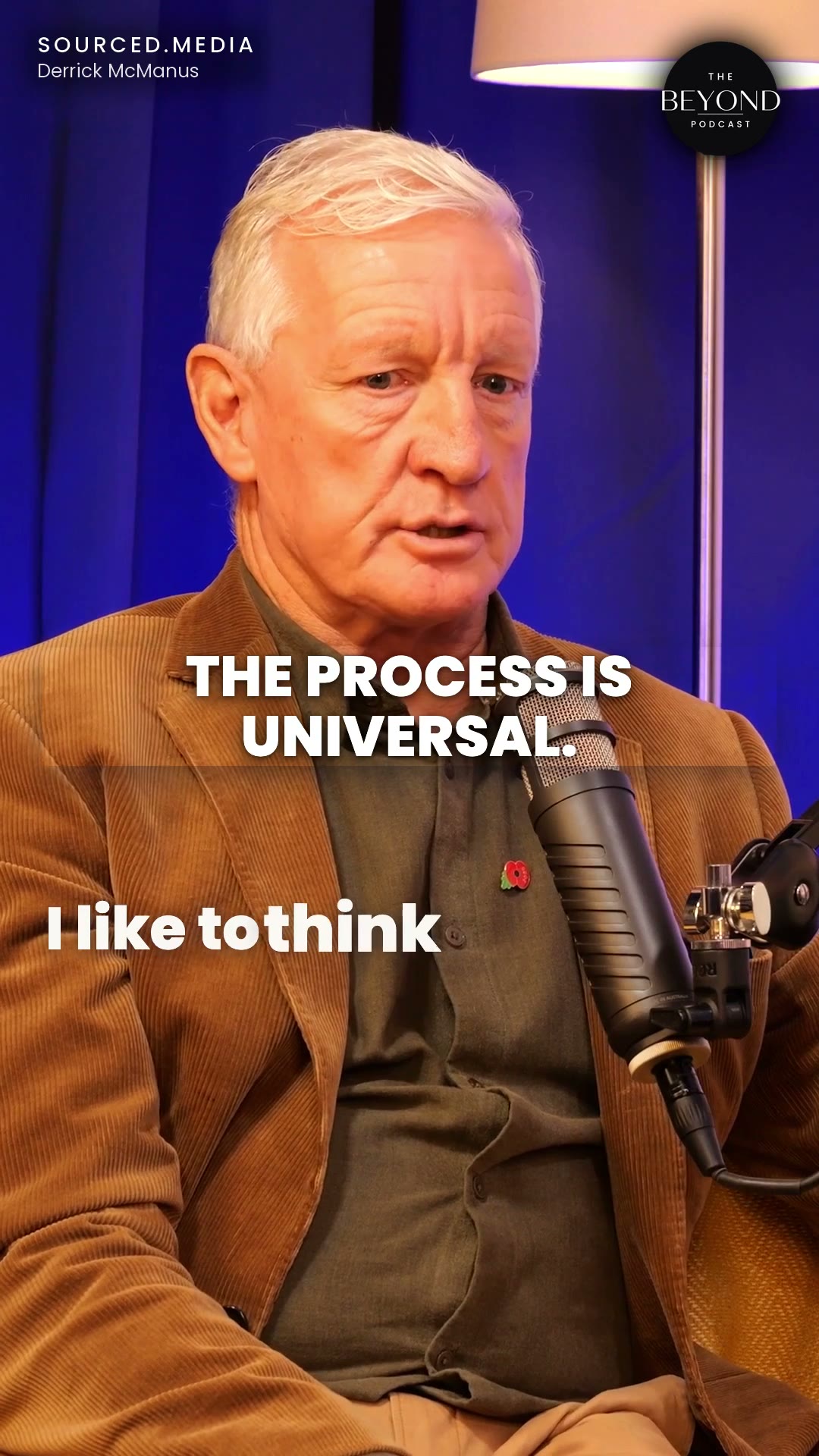
The process is universal. And it's about going beyond resilience, and it's about sustaining optimal performance.
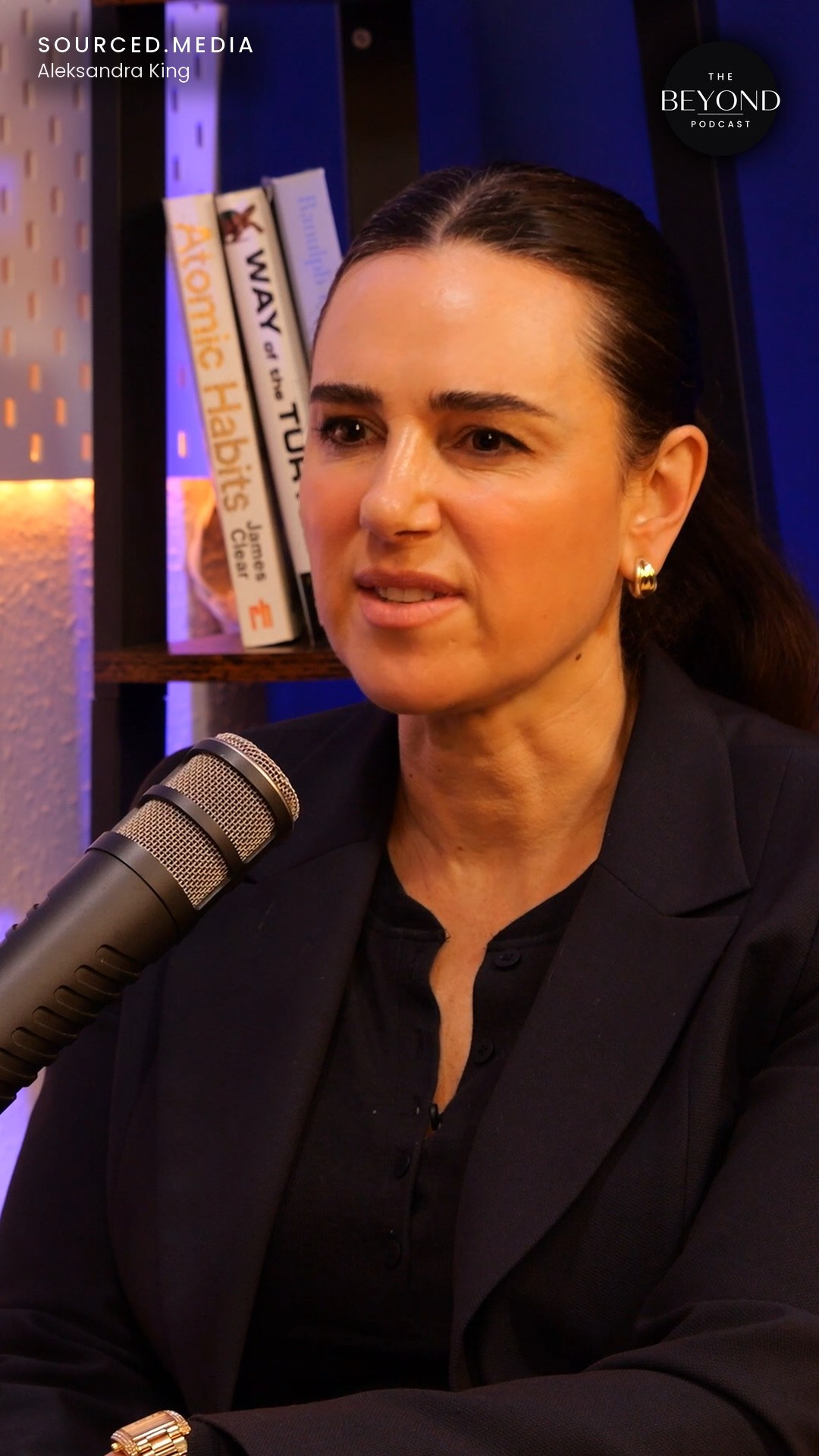
About Derrick McManus
Derrick McManus is a former South Australian Police STAR Group officer and the founder of Human Durability, a resilience training organisation. On 3 May 1994 he was shot 14 times during a high-risk arrest at Nuriootpa and lay for three hours under fire before his team recovered him. He returned to full operational policing, including STAR Group, and remained a police officer until 2018.
A former recovery and tactical diver who played for the national police basketball team, he now speaks to schools, to chief executives and, he says, to the SAS about mind management and sustained optimal performance. His affiliation with Human Durability is self-stated in the record and awaits the subject's own verification.
Human Durability is the resilience training organisation McManus founded, and the vehicle for the work he describes here, including the whiteboard model, the talks to schools and chief executives, and the phrase he uses for all of it, sustained optimal performance.
The BEYOND Podcast and Aleksandra King
The BEYOND Podcast is a video interview podcast hosted and produced by Aleksandra King. The full episode is on YouTube and Spotify, and the show's own site carries the episode page.
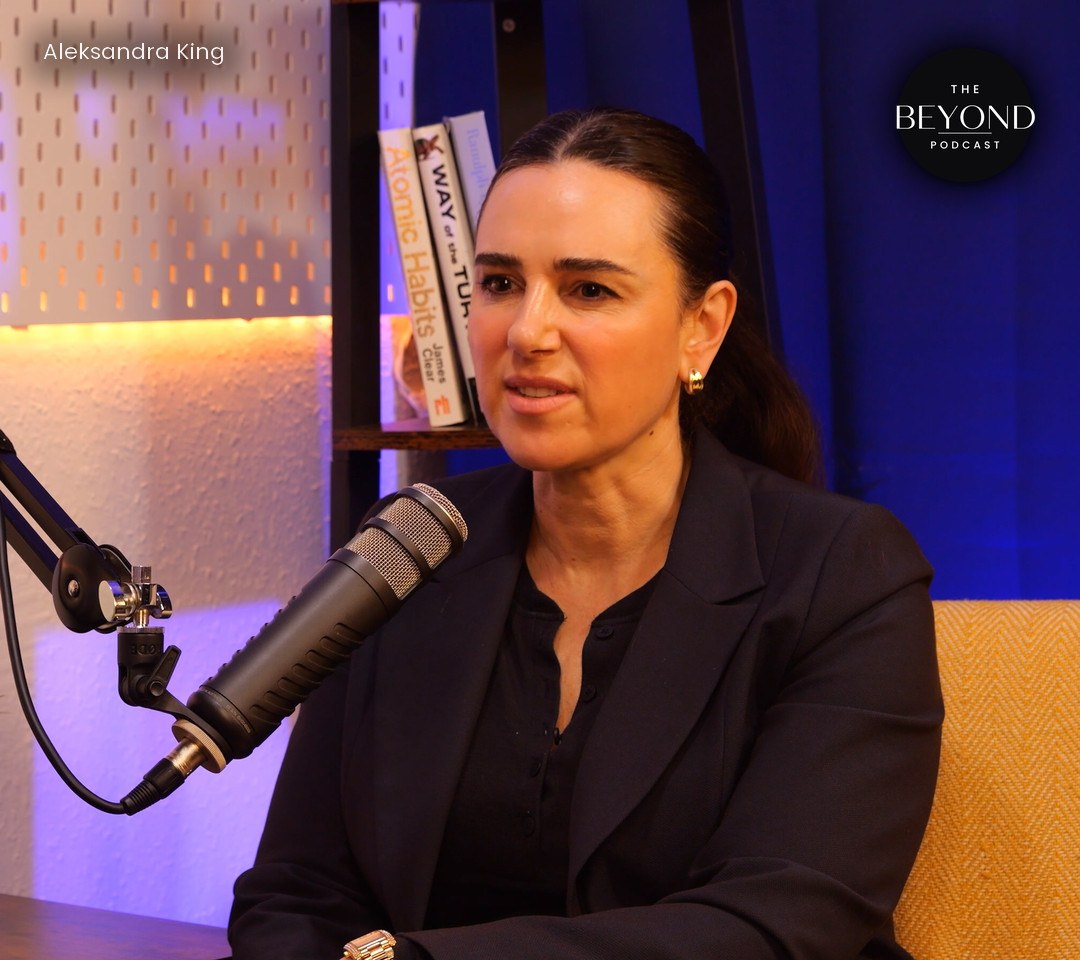
King's method is to slow the story down, and the episode is at its best where she does, with the equipment, the shadow on the window, the thirty seconds between two bullets, and the wife's tea and scones under a veranda that was finished that day. She also supplies the turn the conversation needed, refusing the idea that people outside armed policing are exempt from preparing for the worst, and McManus rebuilds his teaching on her premise.
Aleksandra King, host and producer of The BEYOND Podcast and co-author, with Elliott King (opens in a new tab), of Marketing Wins (opens in a new tab).
Cite this page “Derrick McManus: shot 14 times, three hours on the ground, and the method he says kept him alive”. Derrick McManus, former STAR Group officer and founder of Human Durability, in conversation with Aleksandra King, The BEYOND Podcast, 21 May 2026. Sourced.media. https://sourced.media/the-beyond-podcast/derrick-mcmanus/story/ (permanent identifier https://sourced.media/id/C_NGZNF7V8RE)
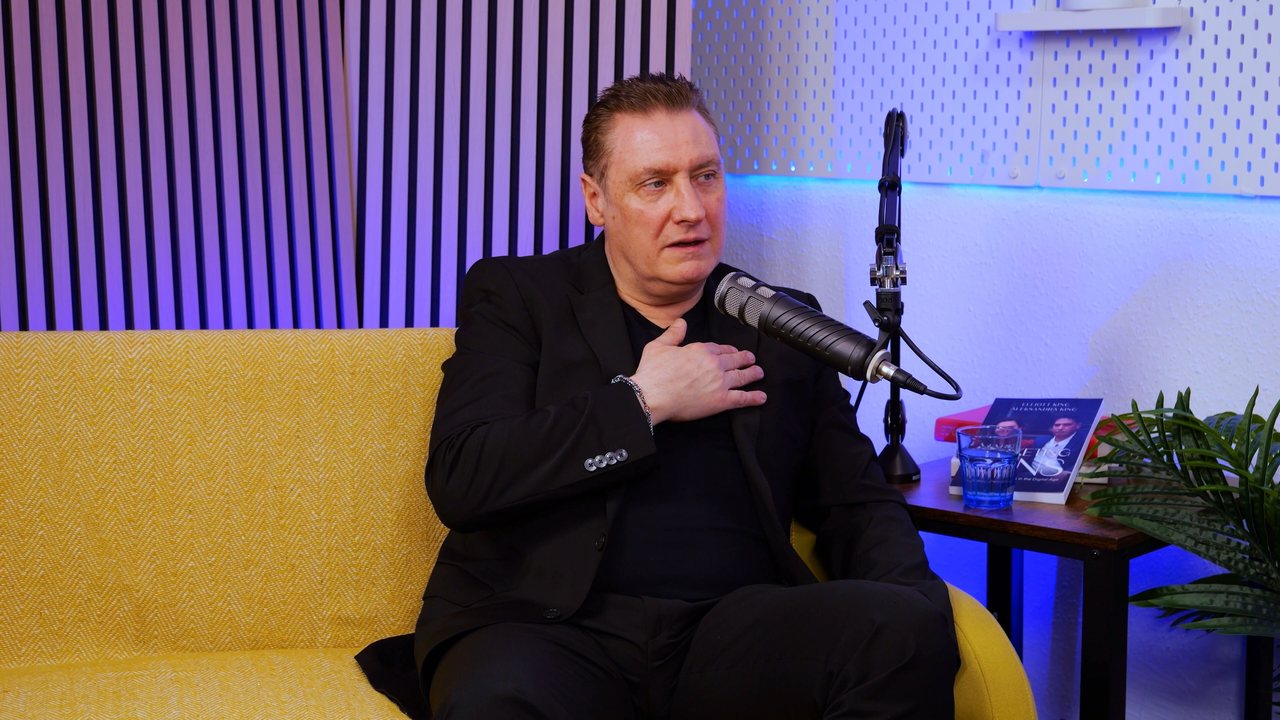
 Human Durability