Video interview show
Insights of The BEYOND Podcast
Every insight of The BEYOND Podcast, hosted by Aleksandra King.
52 insights
In the order they were said
Where does success in business come from?
Lara Morgan says she does not think of herself as successful and credits an international upbringing and parents determined to teach her that hard work pays off.
The BEYOND Podcast · Season 3, episode 11
What is it like growing up when a parent goes bankrupt?
Lara Morgan says her father took a long time to go bankrupt and that her parents, determined to try to keep her in education, sent her to private school.
The BEYOND Podcast · Season 3, episode 11
Did Lara Morgan go to university?
Lara Morgan says her father's bankruptcy left no money for sports science at Loughborough, so she went to work, paying rent to her parents two weeks after her A levels.
The BEYOND Podcast · Season 3, episode 11
What makes a good salesperson?
Lara Morgan says sales is a relationship in which the seller listens, puts themselves in the other person's shoes to understand their goals and aims, and helps smooth their path.
The BEYOND Podcast · Season 3, episode 11
Why invest in a product people say they don't need?
Lara Morgan says the world does not need more bags and needs better ones that last longer, and likens Scentered to Henry Ford pushing water uphill with the motor car.
The BEYOND Podcast · Season 3, episode 11
Why do people lose resilience and determination?
Lara Morgan says people will have no resilience, persistence or determination without seeing and gaining a return on their invested effort.
The BEYOND Podcast · Season 3, episode 11
Why is it important to set ambitious goals?
Lara Morgan says people have to have goals and asks why anyone would have average ones, since aiming for the moon might land them on the stars.
The BEYOND Podcast · Season 3, episode 11
What makes a new product worth bringing to market?
Lara Morgan says anything she brings to market has to be better and different, with a sustainability element, because the world does not need more stuff.
The BEYOND Podcast · Season 3, episode 11
What did Lara Morgan sell first?
Lara Morgan says there were no jobs in 1991, so she made one selling sewing kits and shower caps, and took them to the Dorchester on her grandmother's advice.
The BEYOND Podcast · Season 3, episode 11
How many sales calls a day did Lara Morgan make?
Lara Morgan says she set herself a target of 100 calls before her morning drink, which might mean 100 rejections, and the business did £108,000 in its first year.
The BEYOND Podcast · Season 3, episode 11
Where did Lara Morgan start her business?
Lara Morgan says her business started in a granny flat in Bedford and the homes that followed, up to a manor, were stepping stones.
The BEYOND Podcast · Season 3, episode 11
Why is business momentum so hard to maintain?
Lara Morgan says KitBrix has momentum after its best year yet, and that momentum is not a pure sport, because a QC issue, an unwell colleague or an accident will still arrive.
The BEYOND Podcast · Season 3, episode 11
How many quotes should you get before making a decision?
Lara Morgan says her approach to everything is to ask, get three quotes, meet three styles and then make good decisions, sometimes combining what she learns from all three.
The BEYOND Podcast · Season 3, episode 11
Why should you ask experienced entrepreneurs for help?
Lara Morgan says grey-haired entrepreneurs should celebrate the success of those who interview them and make introductions, and that those who do not ask do not get.
The BEYOND Podcast · Season 3, episode 11
How do you involve your team in a five-year plan?
Lara Morgan says walking the wall, a planning exercise learnt at Stanford, puts a five-year goal in writing and is done with the team, because team is everything.
The BEYOND Podcast · Season 3, episode 11
What to do when a buyer says your price is too high?
Lara Morgan says she sent Savlon to a buyer who called her prices high, with a note that she could help with the beating but not the price.
The BEYOND Podcast · Season 3, episode 11
Should you put yourself out there in business?
Aleksandra King says that in the UK specifically there is an idea that people shouldn't put themselves out there too much.
The BEYOND Podcast · Season 3, episode 11
How do you reward yourself when money is tight?
Lara Morgan says people should celebrate by rewarding themselves and can start small; in her early days, when money was tight, her reward was a leg wax.
The BEYOND Podcast · Season 3, episode 11
How do you stay calm in a life-threatening situation?
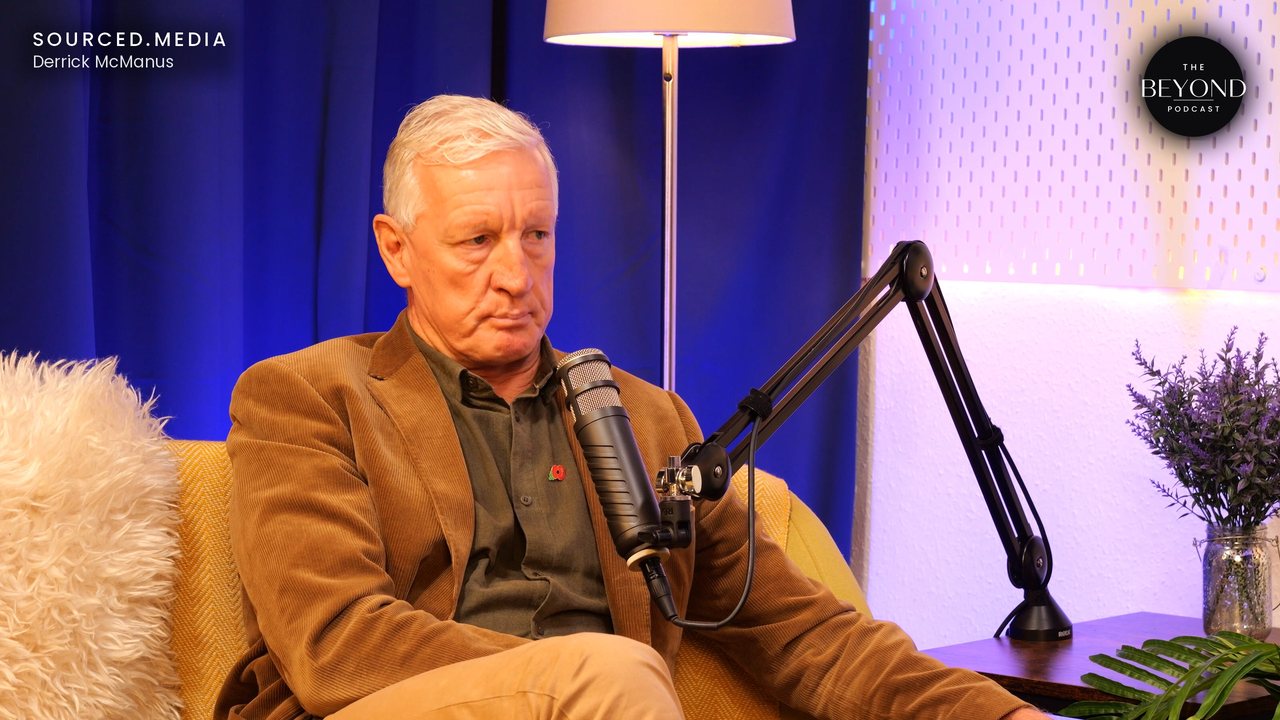
Derrick McManus says he relaxed in the moment while lying wounded on the ground, reasoning that anything better than death is a bonus.
The BEYOND Podcast · Season 3, episode 9
What is the difference between risk managers and risk takers?
Derrick McManus says his team are risk managers, not risk takers; they treat the danger seriously and go in confident, knowing their skills, training and tactics.
The BEYOND Podcast · Season 3, episode 9
How do you think clearly under extreme stress?
Derrick McManus says that controlling his body and getting blood back into the prefrontal cortex let him think creatively while lying hurt on the ground under continuous fire.
The BEYOND Podcast · Season 3, episode 9
What do you say to yourself when you think you are dying?
Derrick McManus says he could either die within moments or sustain optimal performance, and at that point he fought his hardest, telling himself out loud to keep fighting.
The BEYOND Podcast · Season 3, episode 9
Are police officers scared before a high-risk arrest?
Derrick McManus says a high-risk arrest call was far from scary for his police team, who were trained for that work and loved it.
The BEYOND Podcast · Season 3, episode 9
Does being nervous affect performance in high-risk situations?
Derrick McManus says he and his STAR Group colleagues train for high-risk work and want to use those skills; anyone who goes in nervous performs below the level needed.
The BEYOND Podcast · Season 3, episode 9
What goes through your mind when you get shot?
Derrick McManus says the highly trained are allowed thoughts outside the square while still doing everything needed, and recalls telling himself, while being shot, that falling over was quite…
The BEYOND Podcast · Season 3, episode 9
How does training help you keep functioning under fire?
Derrick McManus says deep training let him carry on with the job while a passing thought ran, and that the gunman only stopped when Derrick McManus fired back.
The BEYOND Podcast · Season 3, episode 9
Why do police officers run towards gunfire?
Derrick McManus says police officers move towards gunfire while the ordinary person runs from it, which he puts down to training and probably to personality as well.
The BEYOND Podcast · Season 3, episode 9
What is sustained optimal performance?
Derrick McManus says STAR Group trains its people to operate at 100% all the time, yet with two severed arteries, sustained optimal performance meant slowing his heart rate and breathing.
The BEYOND Podcast · Season 3, episode 9
How does optimism help you keep fighting after trauma?
Derrick McManus says a thought that first sounded strange built his optimism; had he gone into pessimism, he would not have had the strength to keep fighting.
The BEYOND Podcast · Season 3, episode 9
How do you stay optimistic when life will never be the same?
Derrick McManus says optimism is having something better to aim for than the present, even when perfection may be out of reach and the old life cannot be recovered.
The BEYOND Podcast · Season 3, episode 9
Are most people prepared for death?
Aleksandra King says people are not prepared for death, asking how many have no wills and have not talked about what could happen if they died.
The BEYOND Podcast · Season 3, episode 9
How do you prepare your children for a threat?
Derrick McManus says his greater concern is for his children, so he has talked them through how they might feel and respond if the man who shot him meets them.
The BEYOND Podcast · Season 3, episode 9
What does it mean to go beyond resilience?
Derrick McManus says his process is universal, applying as much to bullied schoolchildren and CEOs as to the SAS, and that it goes beyond resilience to sustaining optimal performance.
The BEYOND Podcast · Season 3, episode 9
Can you predict what a coward will do?
Derrick McManus says the man who shot him is a coward who is probably never a threat to him, but a coward is not predictable, so Derrick McManus stays vigilant.
The BEYOND Podcast · Season 3, episode 9
Why am I scared of public speaking or being on camera?
Dr Grant Murrell says fear of speaking on stage or on camera is fear of looking silly, and his answer is to make the moment about legacy rather than himself.
The BEYOND Podcast · Season 3, episode 18
How can a mistake become a signature sound?
Dr Grant Murrell says a guitarist asked for a wiring mistake to be put back after a repair, because the accident of being a little different made his signature sound.
The BEYOND Podcast · Season 3, episode 18
How do you stand out in the age of AI?
Dr Grant Murrell says AI makes information easy to get anywhere, so standing out means being a specialist; whoever modelled another person and competed with them would always come second.
The BEYOND Podcast · Season 3, episode 18
Why do people need a sense of purpose?
Dr Grant Murrell says no one does anything unless there is a sense of purpose to it, a theory about commitment he talks about with the people he coaches.
The BEYOND Podcast · Season 3, episode 18
What would you do if money didn't exist?
Dr Grant Murrell says he would be doing pretty much what he does now even if there was no money in the world, and that it is his purpose in life.
The BEYOND Podcast · Season 3, episode 18
What should you do when everything you touch goes wrong?
Dr Grant Murrell says he takes a day off when he can feel the energy is wrong, because anything he touches on such a day goes wrong.
The BEYOND Podcast · Season 3, episode 18
How do you share an opportunity without being pushy?
Dr Grant Murrell says that when he shares an opportunity with a friend, the choice is theirs and he asks them to do their own due diligence.
The BEYOND Podcast · Season 3, episode 18
Should you sell something you don't believe in?
Dr Grant Murrell says most people are in sales one way or another and that nobody should ever sell anything they do not fully agree with.
The BEYOND Podcast · Season 3, episode 18
Does helping other people come back to you?
Dr Grant Murrell says the help he gives comes around again, perhaps from someone else, and some of his greatest success came through introductions from people he went to help.
The BEYOND Podcast · Season 3, episode 18
How do you decide which ideas to pursue?
Dr Grant Murrell says he asks where an idea could go, reverse-engineers the process if it could go where he wants, and otherwise introduces somebody who may be interested.
The BEYOND Podcast · Season 3, episode 18
Is it normal for high performers to procrastinate?
Dr Grant Murrell says people know they excel in some areas and not others, may procrastinate elsewhere, and that is acceptable to an extent because some very high performers procrastinate.
The BEYOND Podcast · Season 3, episode 18
What does it mean when you keep hitting obstacles?
Dr Grant Murrell says what he fixed would normally break again, and he now meets a barrier more peacefully, taking it as a sign that something better may be waiting.
The BEYOND Podcast · Season 3, episode 18
Dr Grant Murrell says looking at people shows him where they are, where they need to go and where they need to tread carefully, like a human sat-nav.
The BEYOND Podcast · Season 3, episode 18
How can you tell if someone really knows their subject?
Dr Grant Murrell says he tends to agree that the calmest person has the most power, and after a deep, thoughtful question they do not need to prove too much.
The BEYOND Podcast · Season 3, episode 18
Why do the most experienced people talk the least?
Dr Grant Murrell says a director who wrote about four lines at a conference had all he needed, his cup already full, and such quiet tells him people are listening.
The BEYOND Podcast · Season 3, episode 18
Do some people really have no values?
Dr Grant Murrell says there are alternatives for people who say there is nothing else they can do, and that everyone has values, just different ones.
The BEYOND Podcast · Season 3, episode 18
How do you break a big goal into smaller steps?
Dr Grant Murrell says the trick is to take a big goal and chunk it down into stages, so that the person pursuing it never fails.
The BEYOND Podcast · Season 3, episode 18
Can you be successful and still feel trapped?
Dr Grant Murrell says everyone can free themselves by making the decision and working on themselves, citing a client trapped at what was, for most people, the top of their game.
The BEYOND Podcast · Season 3, episode 18

Cite this page Insights of The BEYOND Podcast, hosted by Aleksandra King. Sourced.media, updated 25 September 2026. https://sourced.media/shows/the-beyond-podcast/insights/
Episodes
See all 3 episodesLara Morgan on The BEYOND Podcast
The BEYOND Podcast · Season 3, episode 11 · 17 June 2026
Derrick McManus on The BEYOND Podcast
The BEYOND Podcast · Season 3, episode 9 · 21 May 2026
Dr Grant Murrell on The BEYOND Podcast
The BEYOND Podcast · Season 3, episode 18
People
See all 4 peopleOrganisations
See all 3 organisations Human Durability
Photos
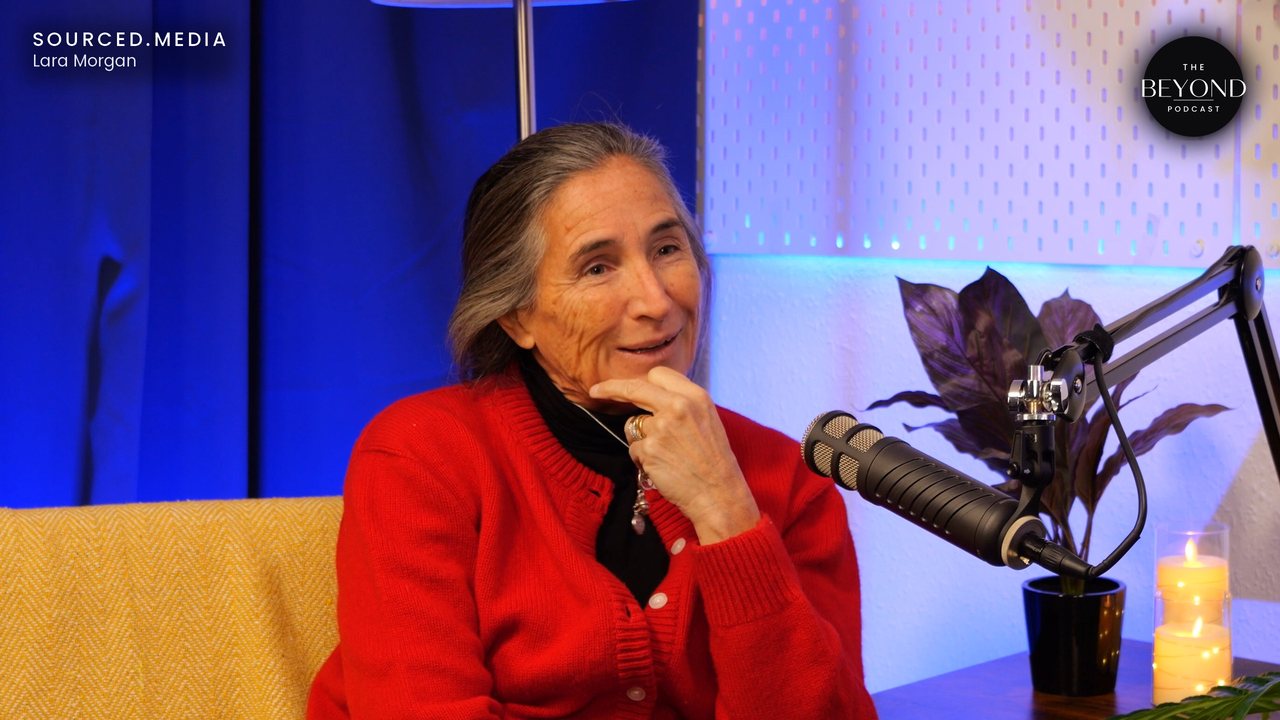
See all 29 photos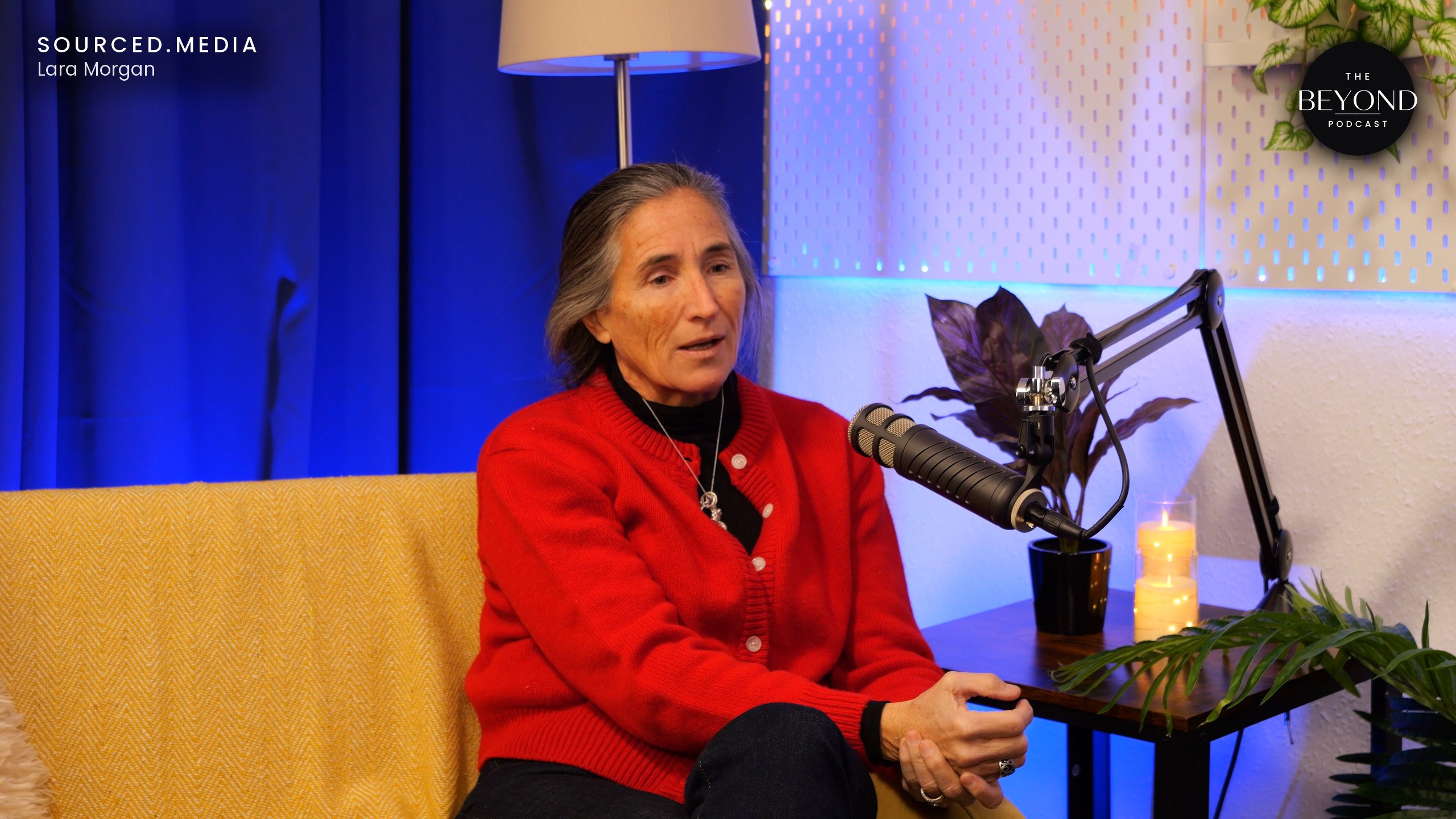 Lara Morgan, founder of Pacific Direct, on The BEYOND Podcast
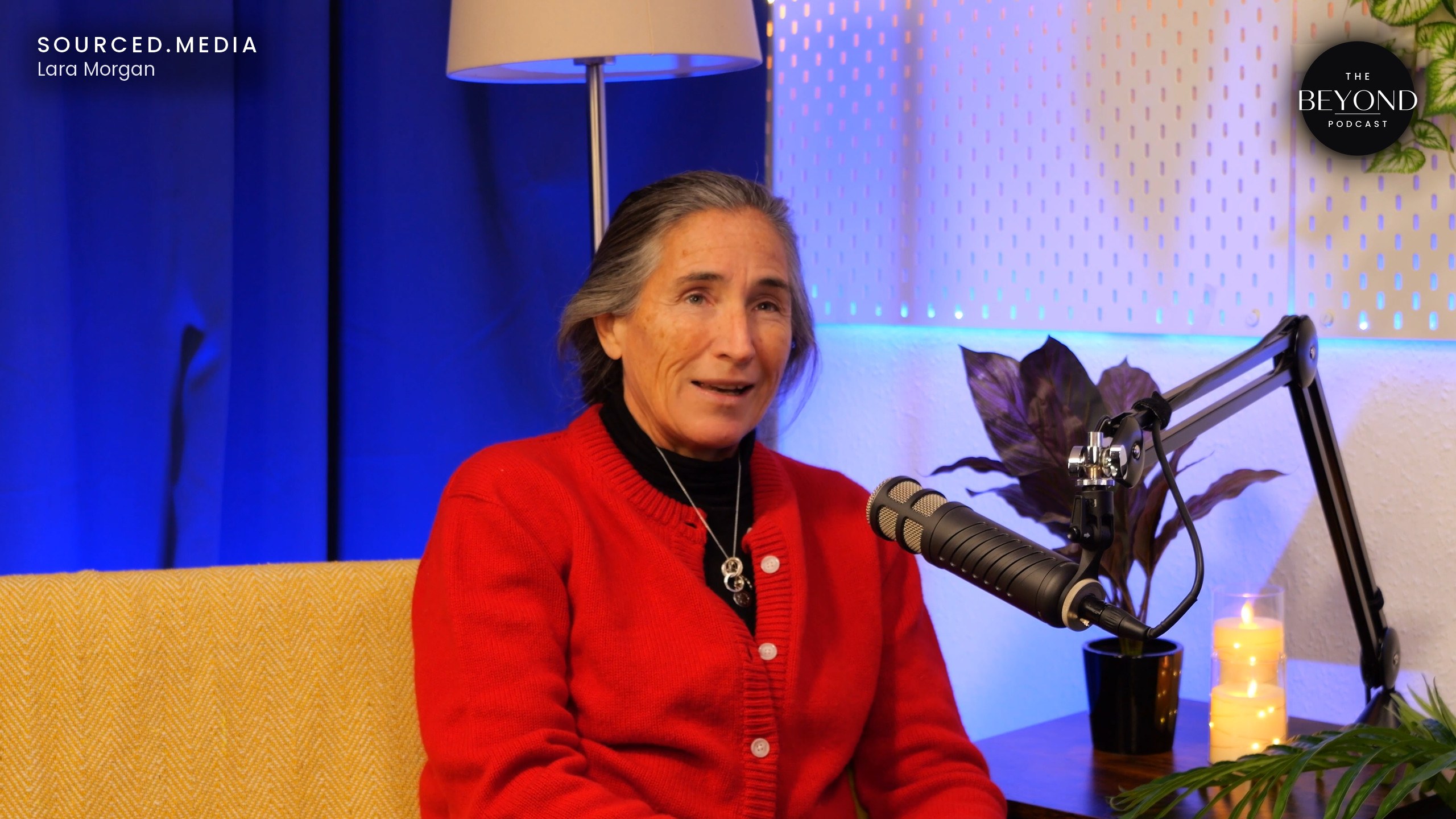 Lara Morgan, founder of Pacific Direct, on The BEYOND Podcast
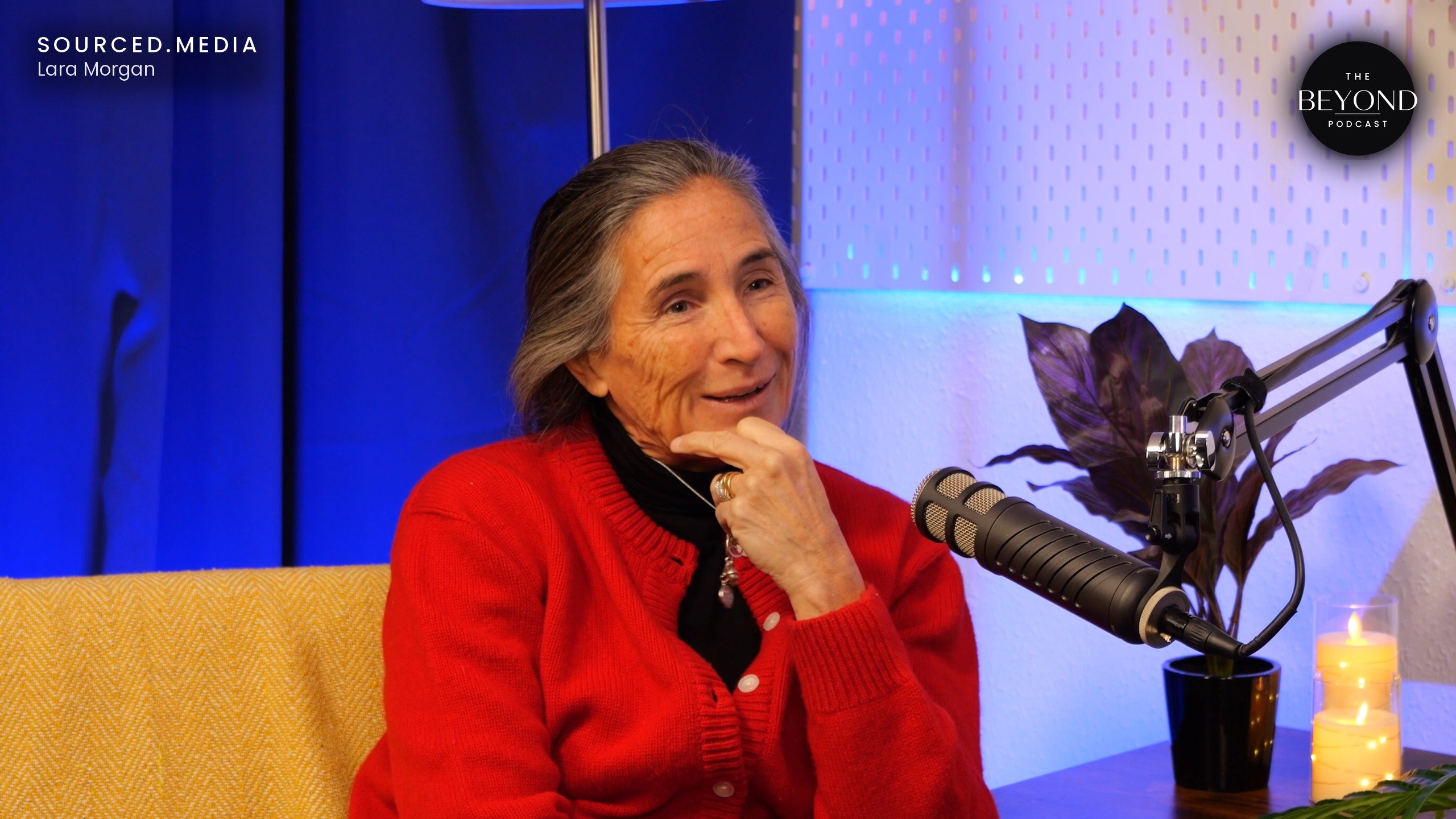 Lara Morgan, founder of Pacific Direct, on The BEYOND Podcast
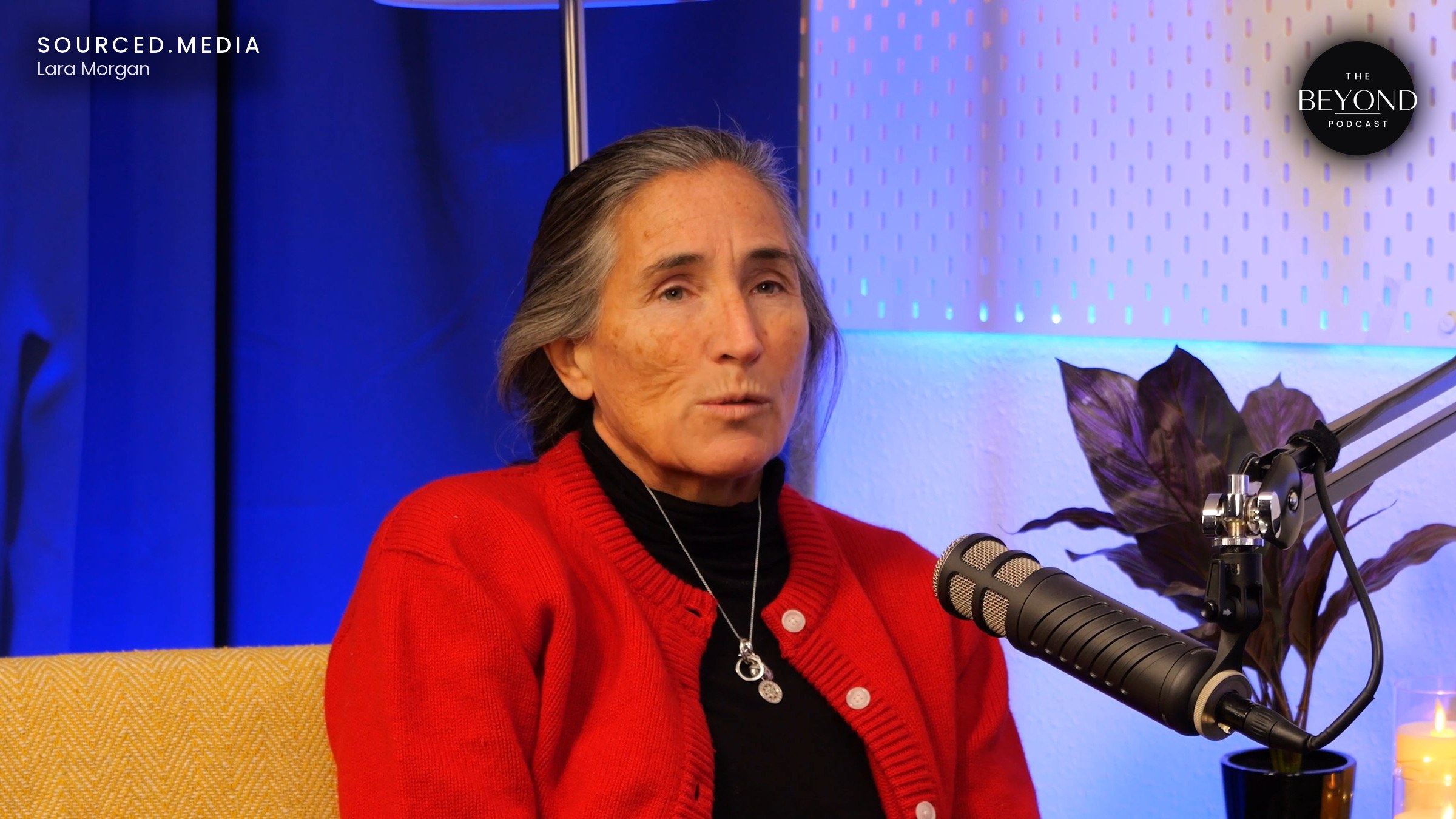 Lara Morgan, founder of Pacific Direct, on The BEYOND Podcast
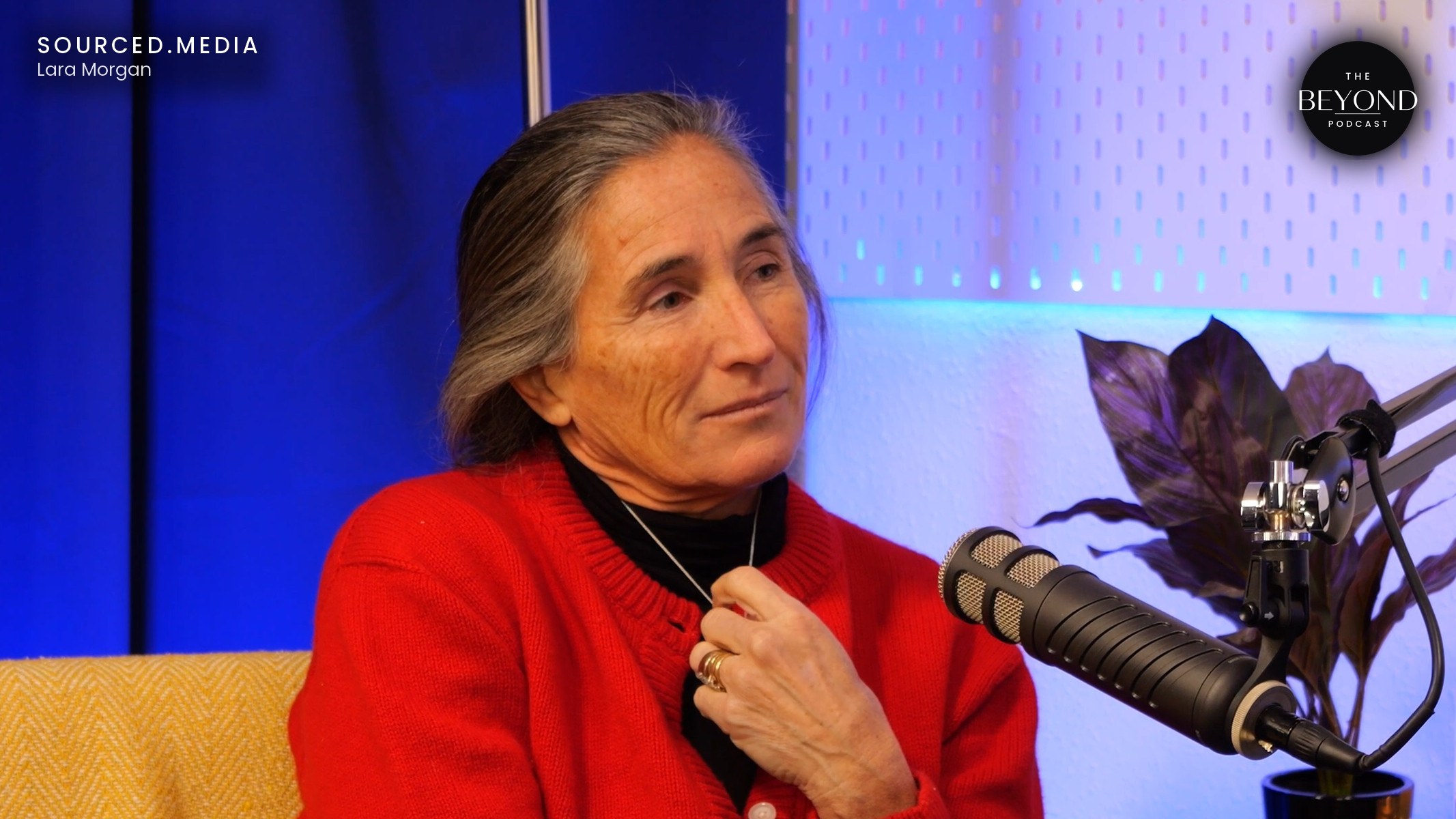 Lara Morgan, founder of Pacific Direct, on The BEYOND Podcast
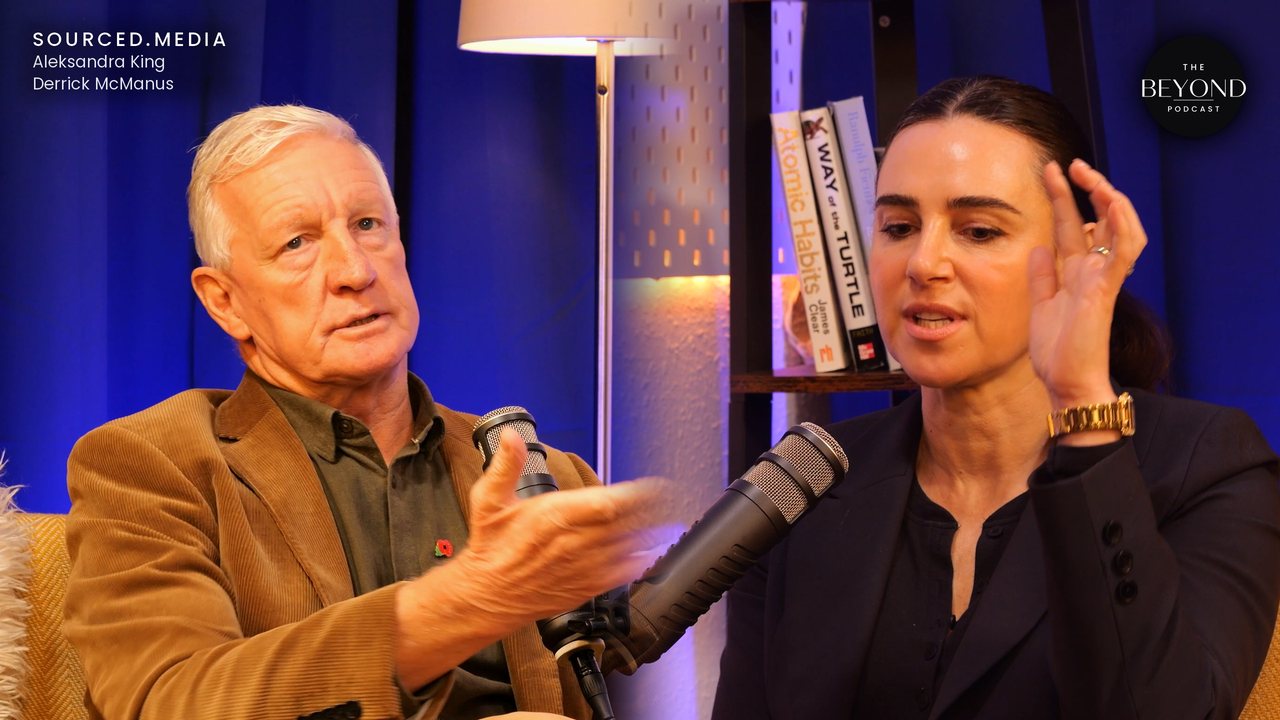
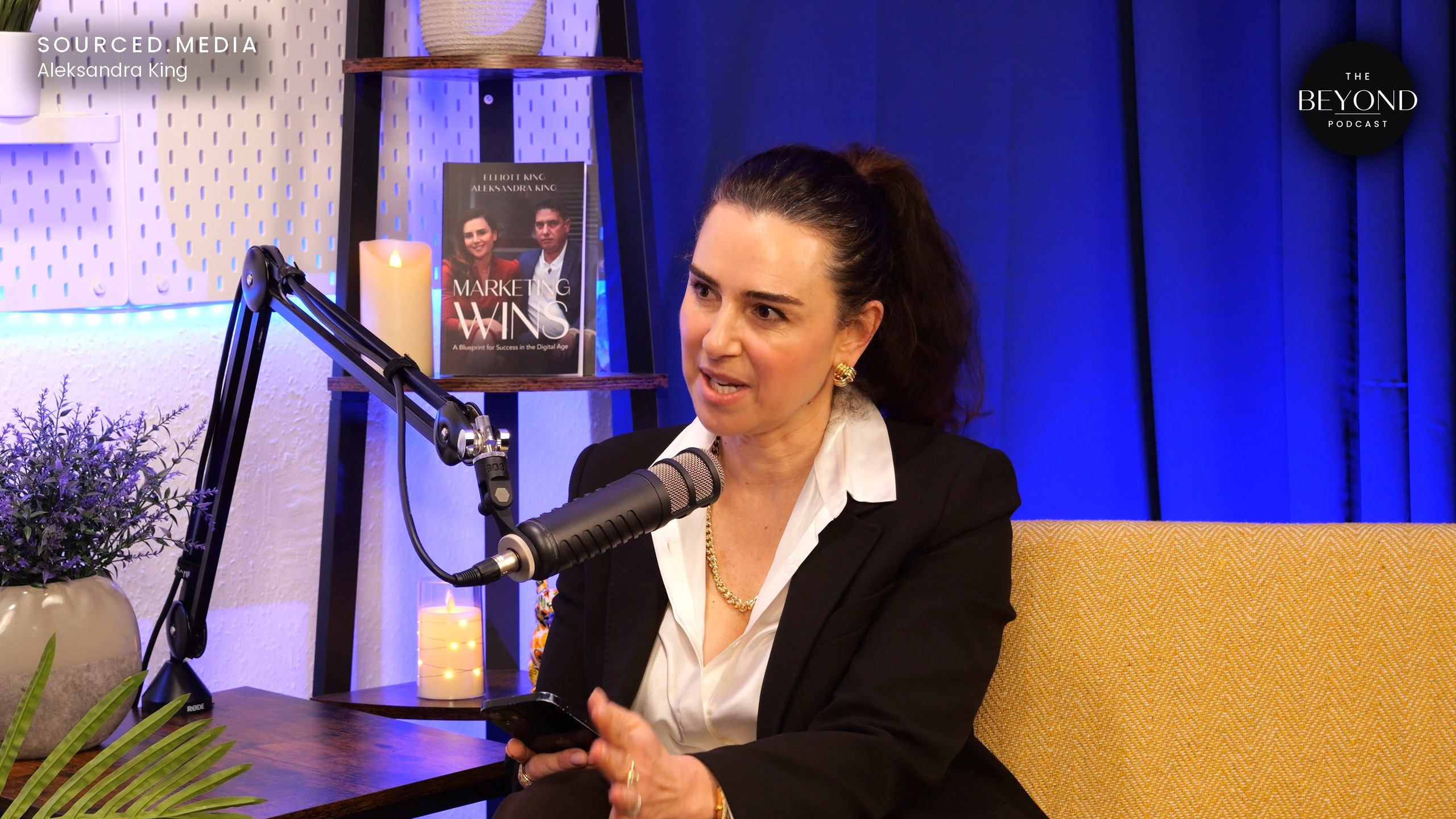 Aleksandra King, host of The BEYOND Podcast, with Lara Morgan
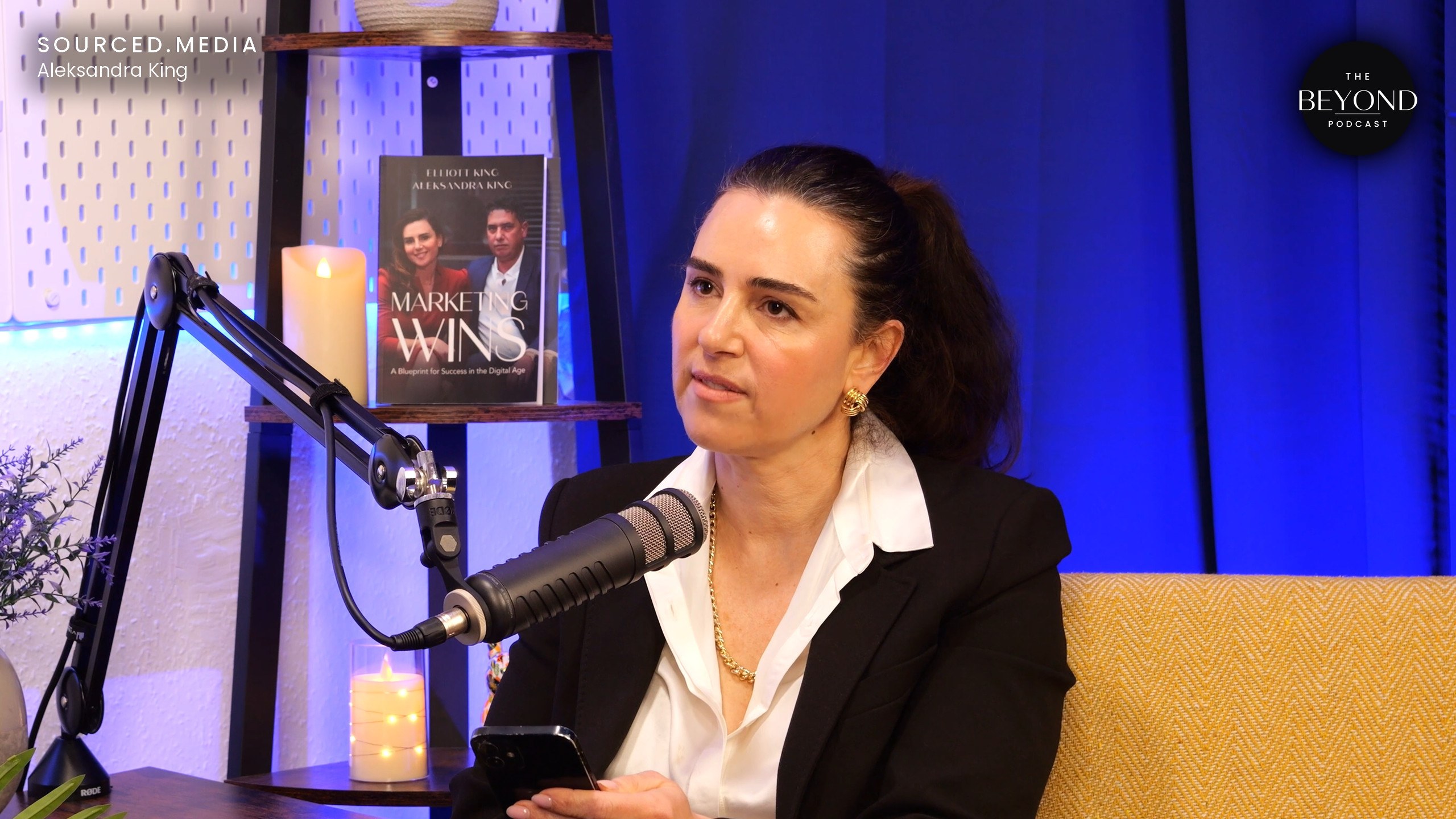 Aleksandra King, host of The BEYOND Podcast, with Lara Morgan
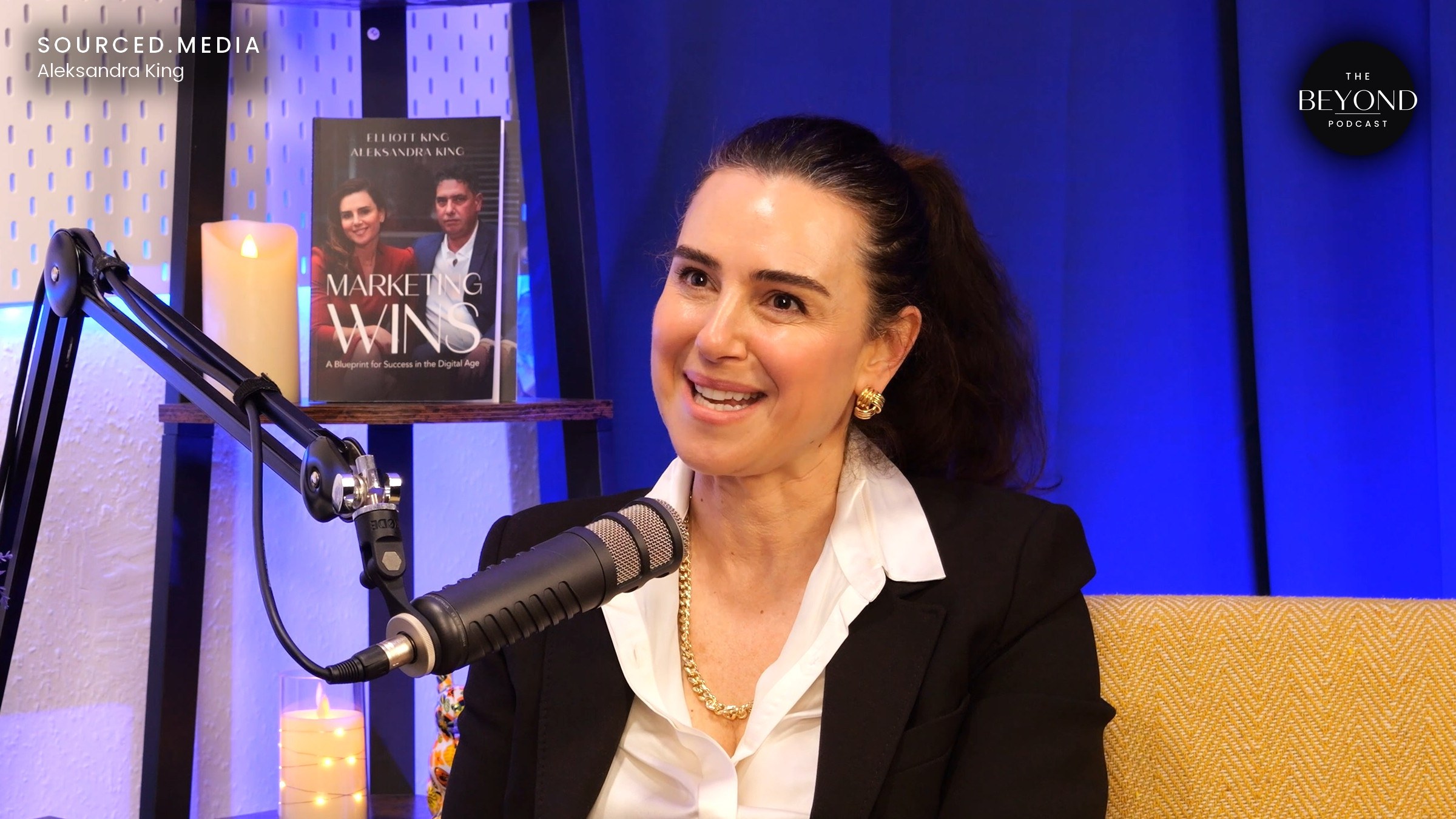 Aleksandra King, host of The BEYOND Podcast, with Lara Morgan
Short videos
See all 5 short videos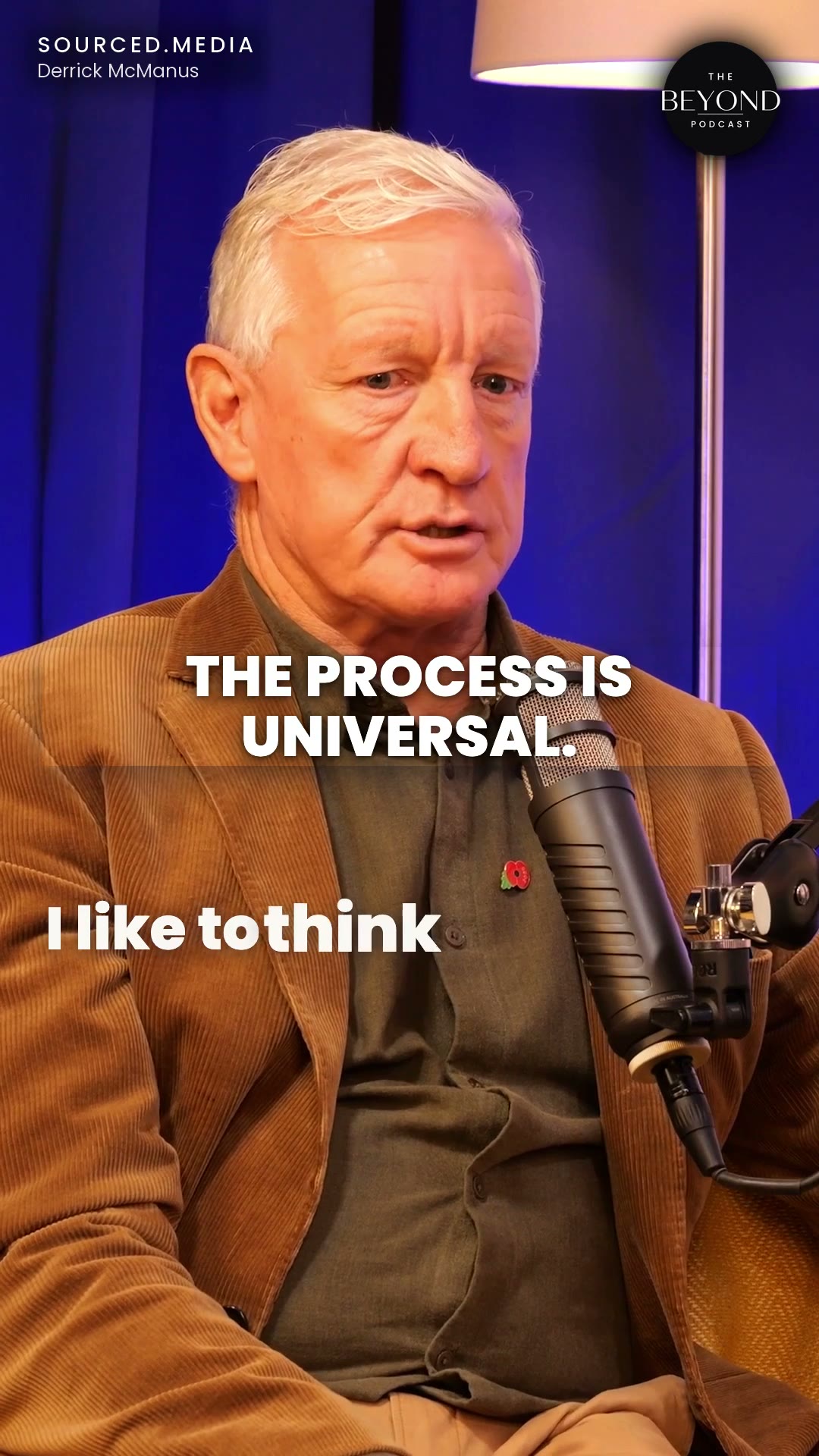 0:33The process is universal. · Derrick McManus, former STAR Group officer and founder of Human Durability
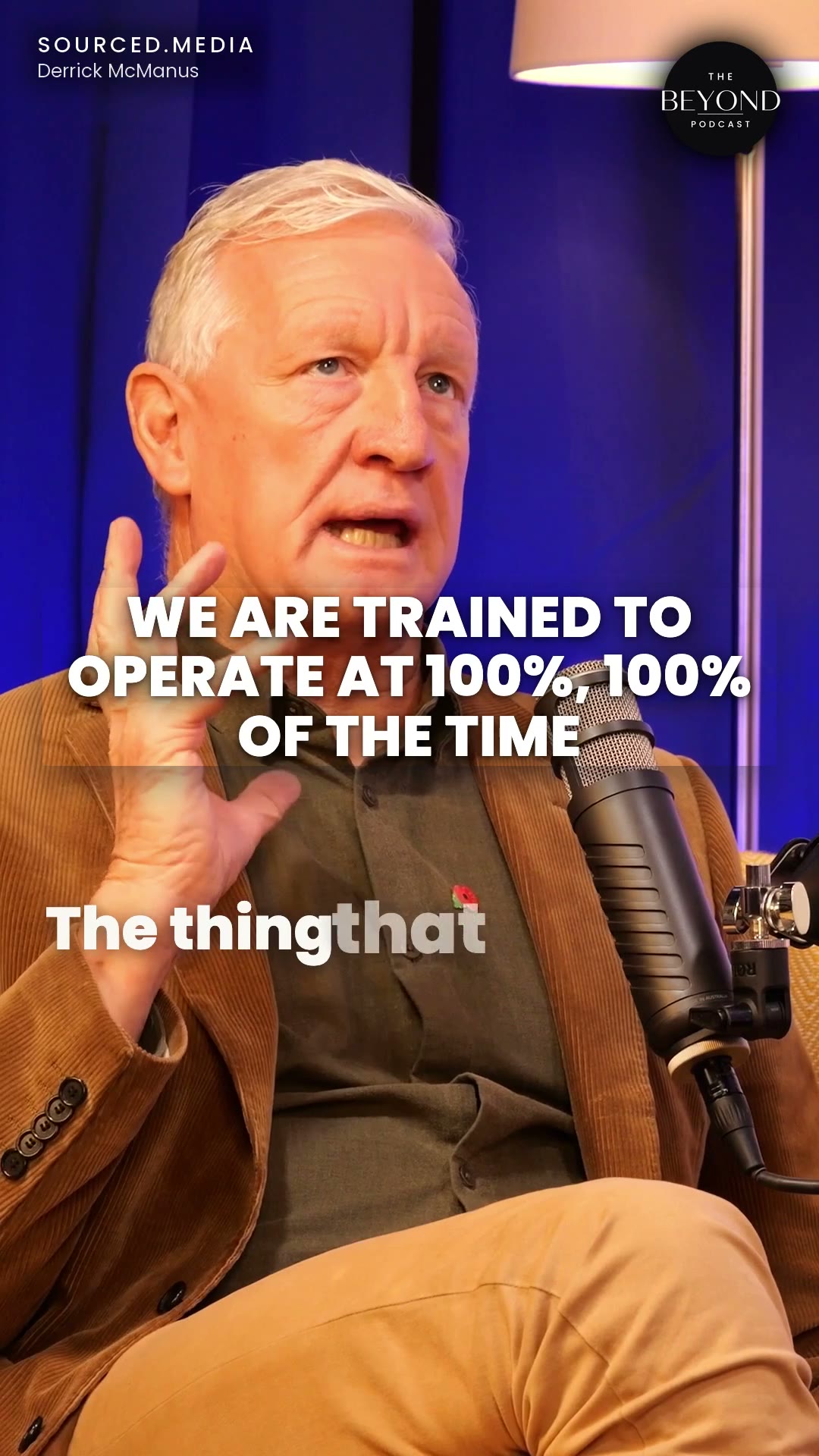 0:46We are trained to operate at 100%, 100% of the time: Derrick McManus, former STAR Group officer and founder of Human Durability
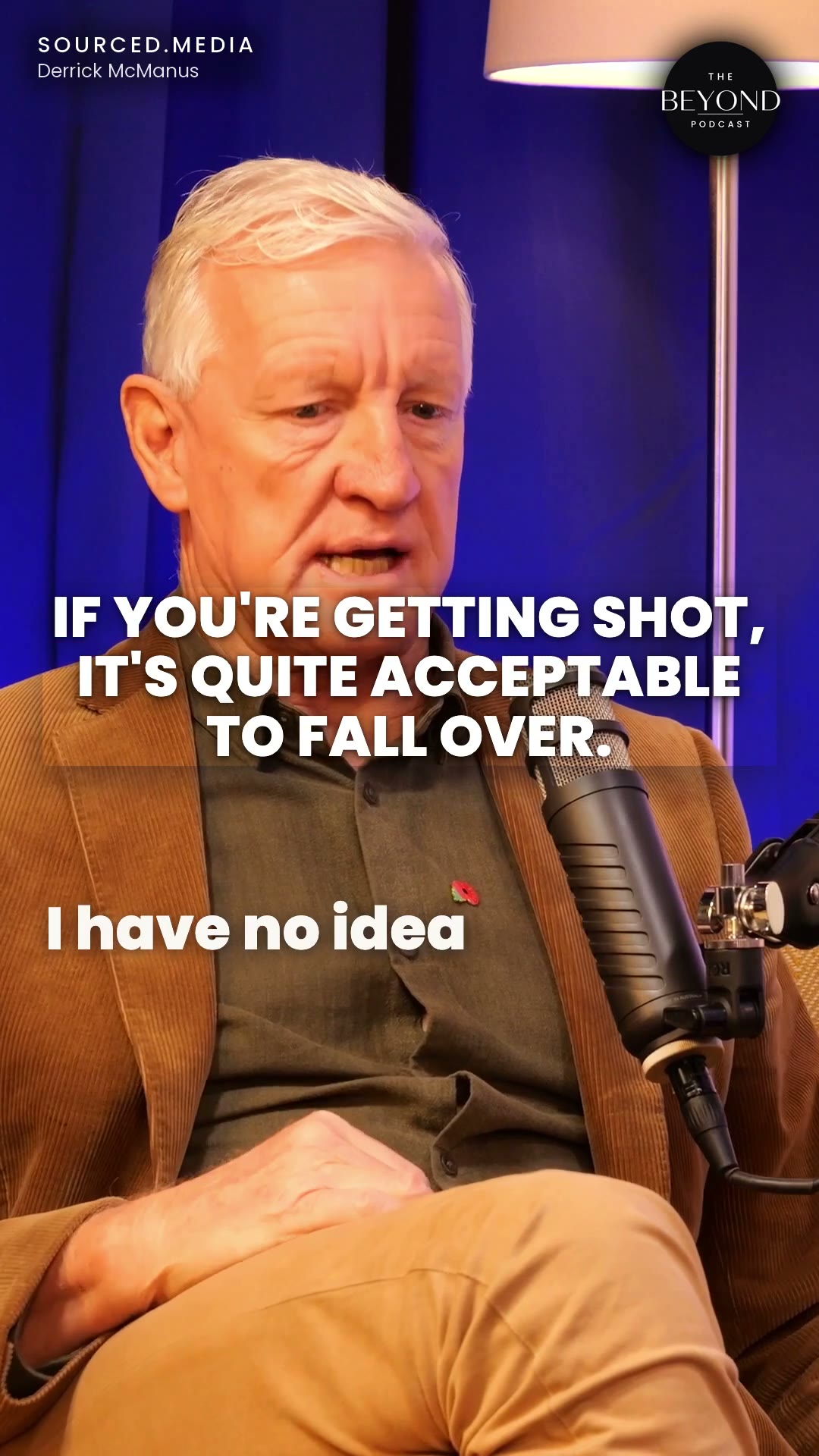 0:29If you're getting shot, it's quite acceptable to fall over. · Derrick McManus, former STAR Group officer and founder of Human Durability
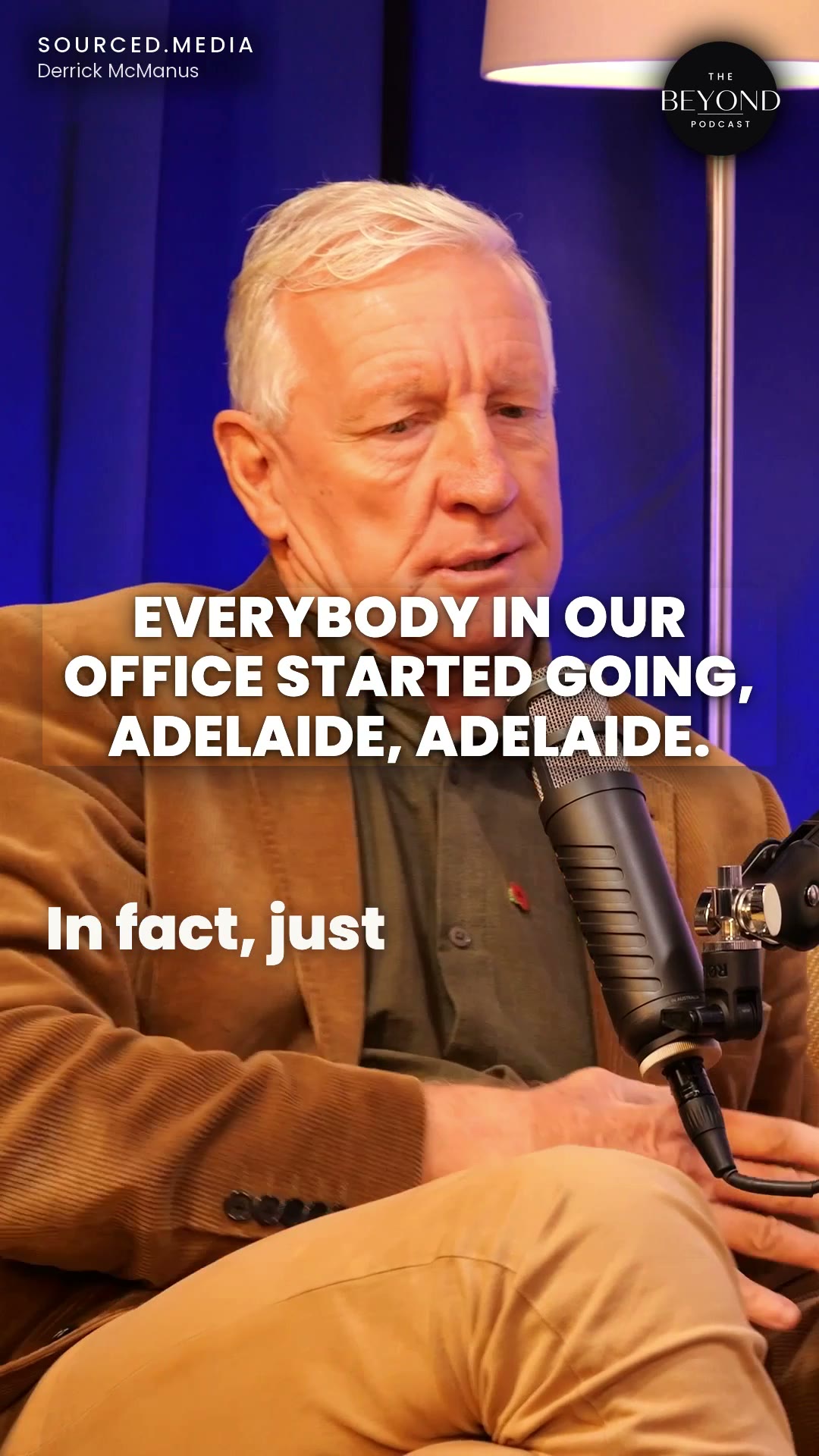 0:38Everybody in our office started going, Adelaide, Adelaide. · Derrick McManus, former STAR Group officer and founder of Human Durability
 0:56The majority of the day was a very ordinary day. · Derrick McManus, former STAR Group officer and founder of Human Durability
Group photos
See all 5 group photos
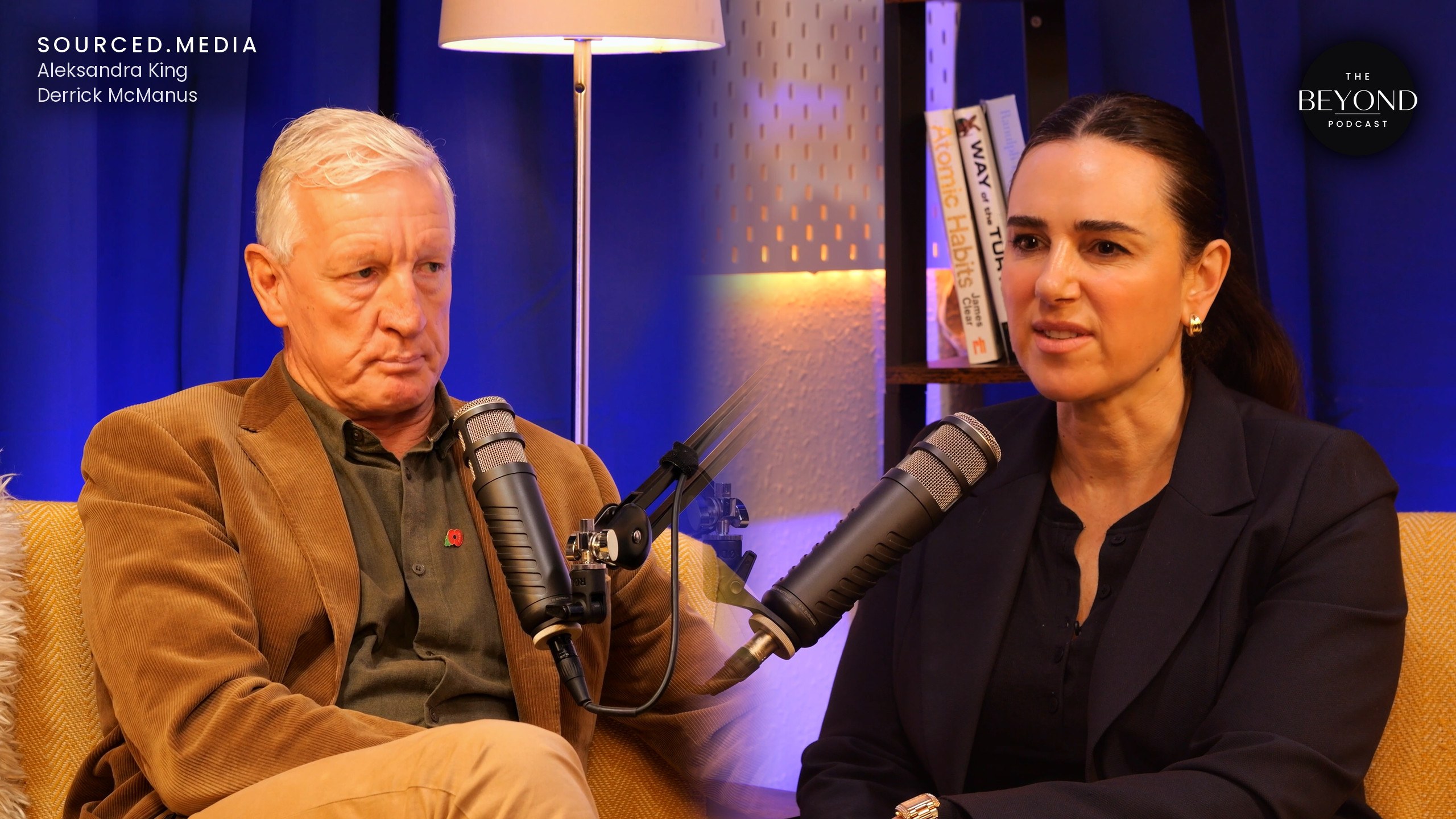
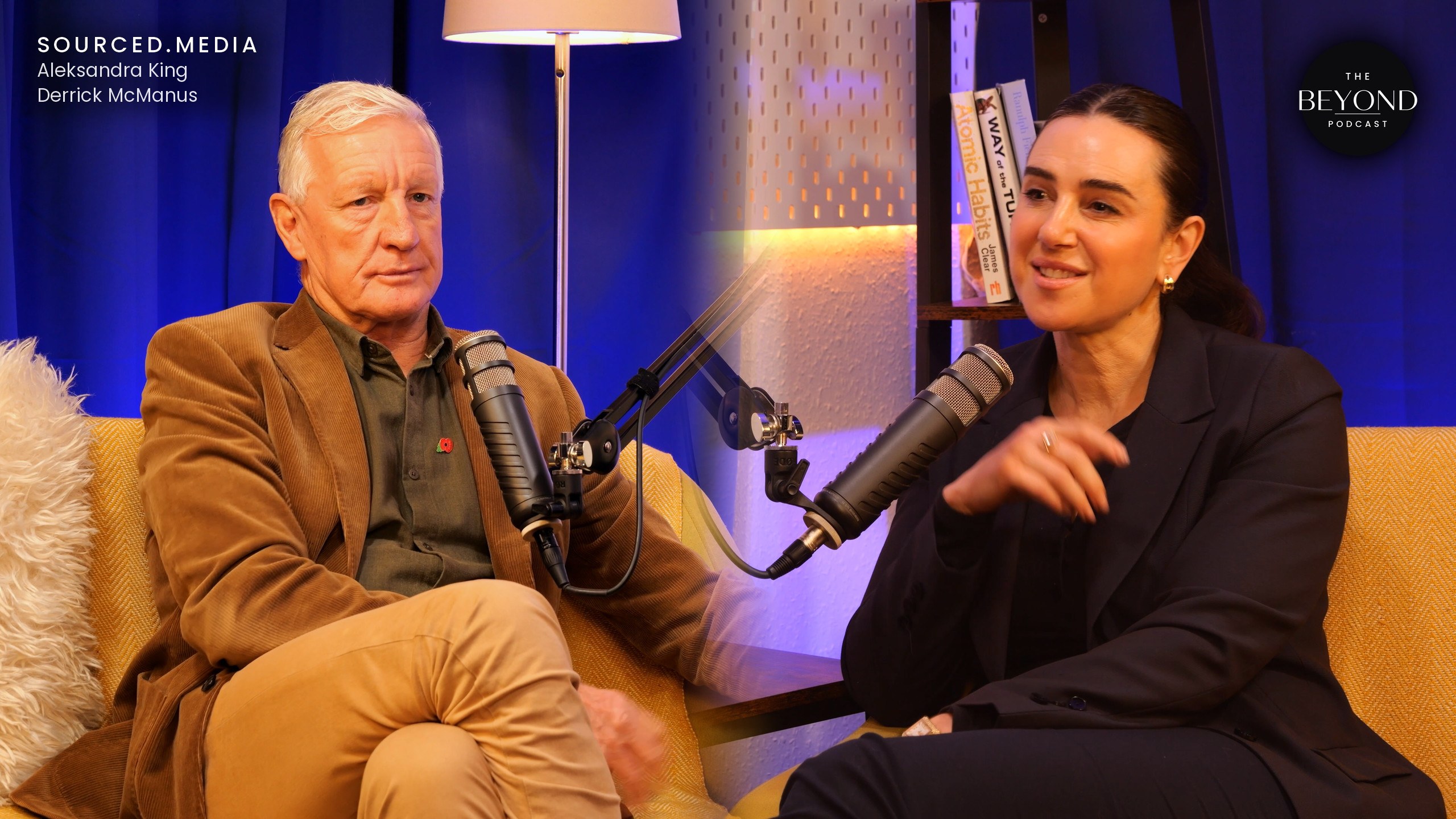
Videos
See all 2 videos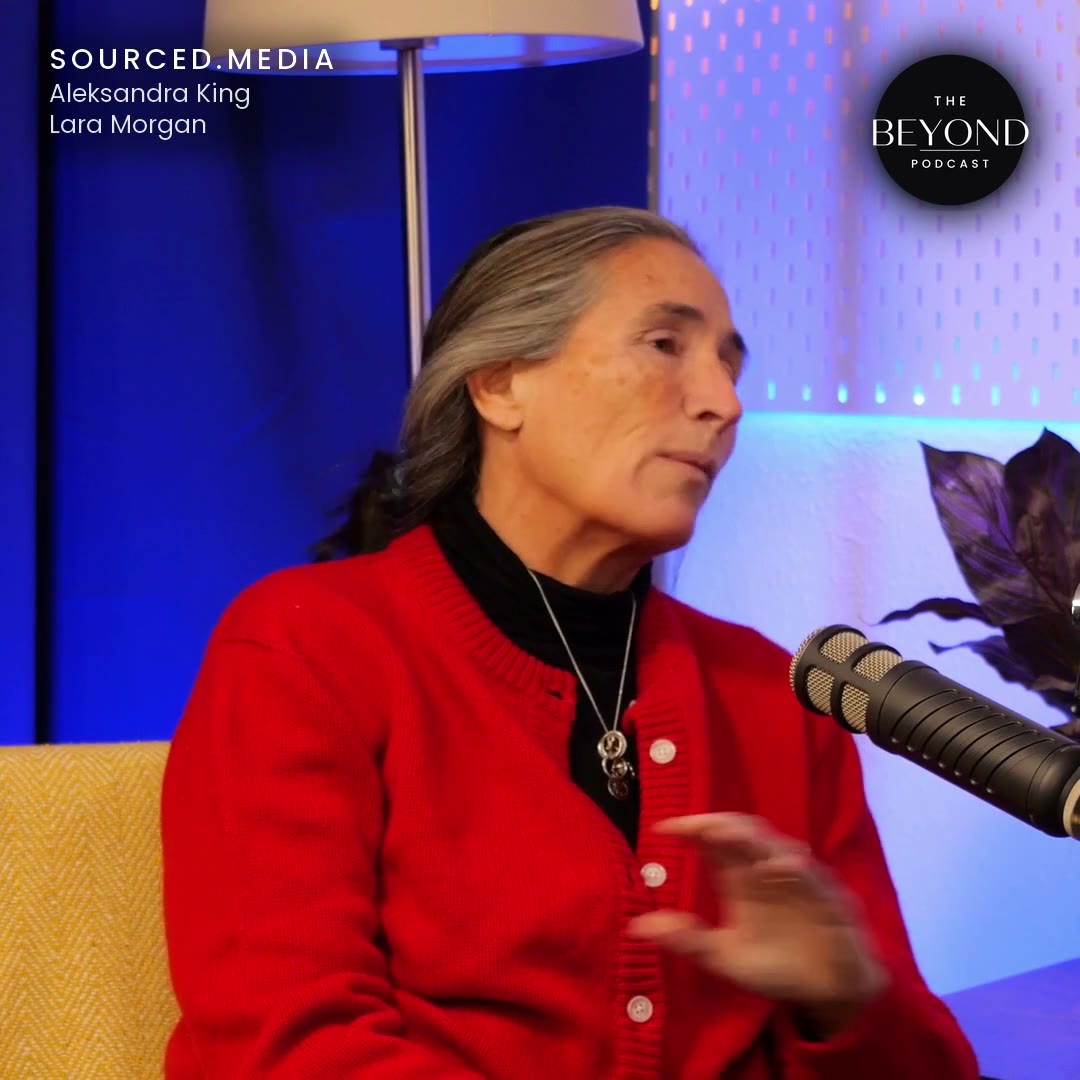
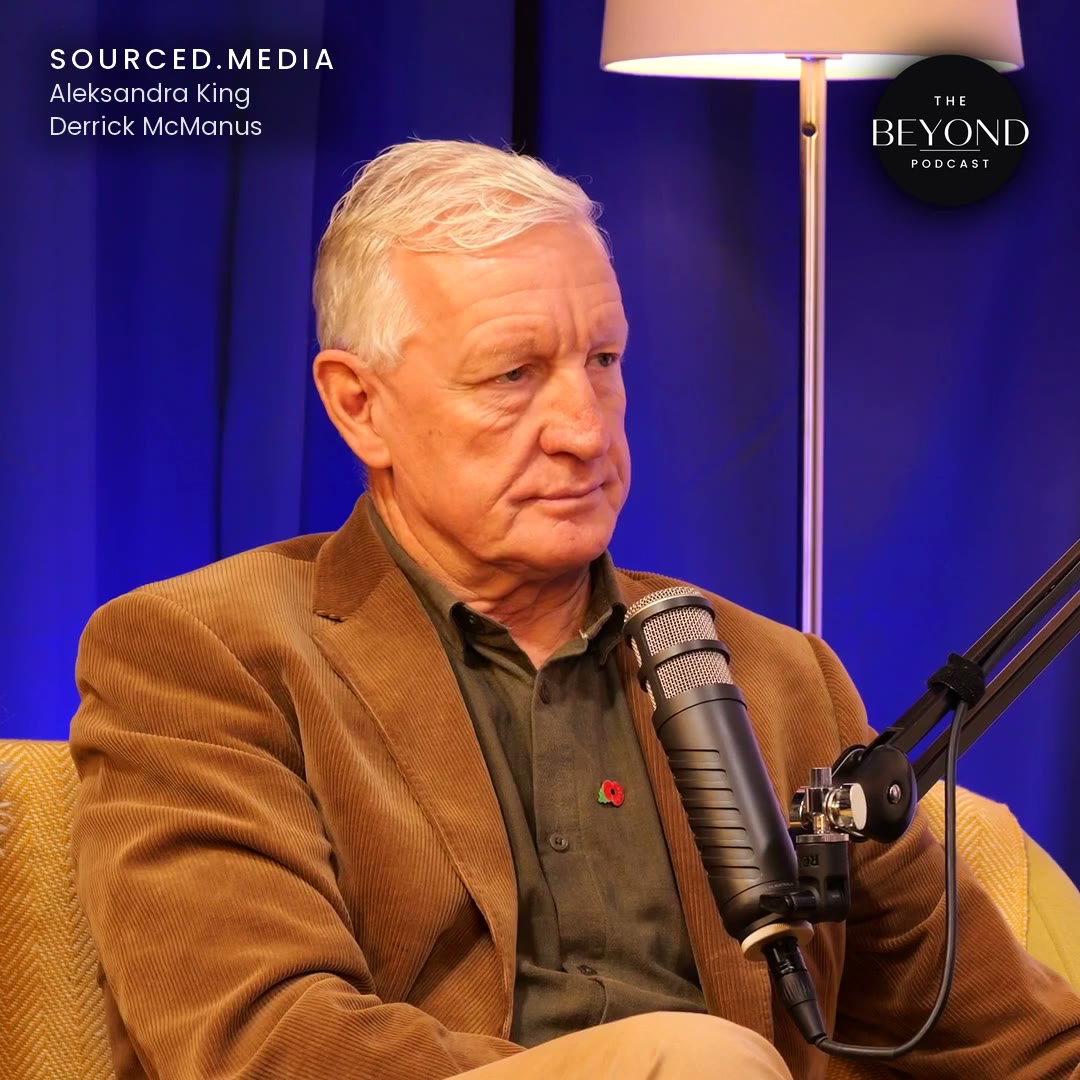
Quote images
See all 9 quote images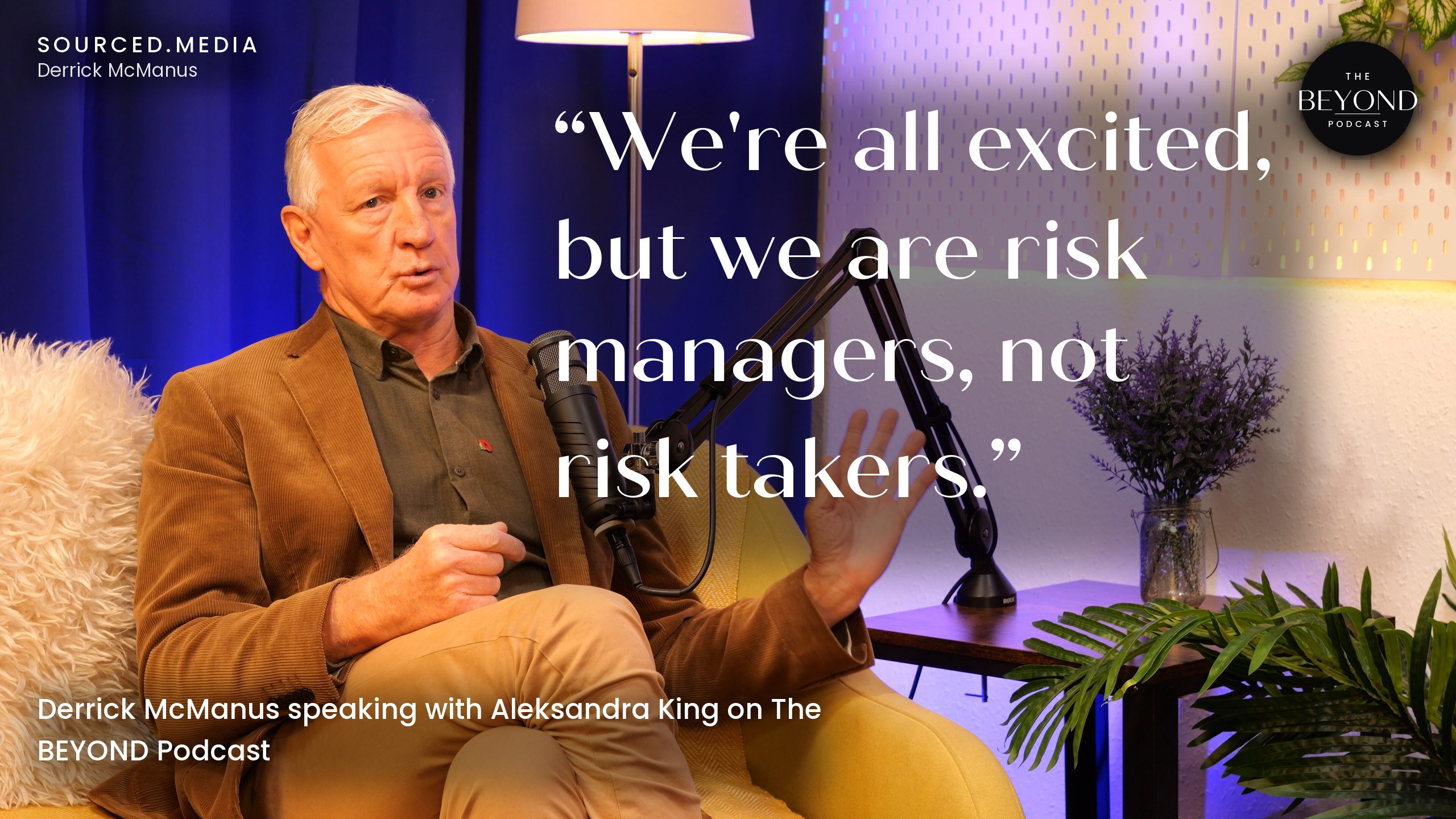 “We're all excited, but we are risk managers, not risk takers.” Derrick McManus, former STAR Group officer and founder of Human Durability
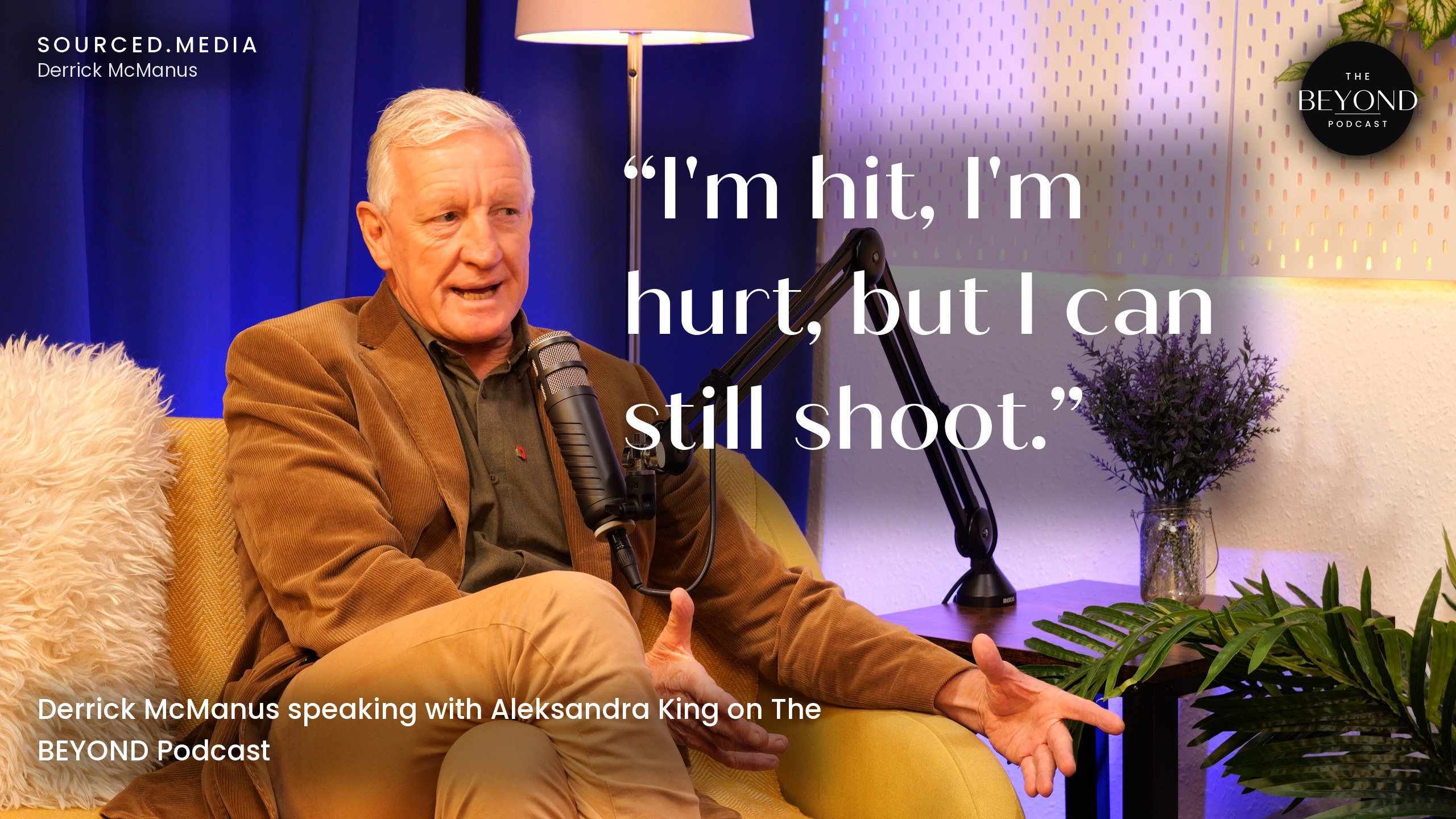 “I'm hit, I'm hurt, but I can still shoot.” Derrick McManus, former STAR Group officer and founder of Human Durability
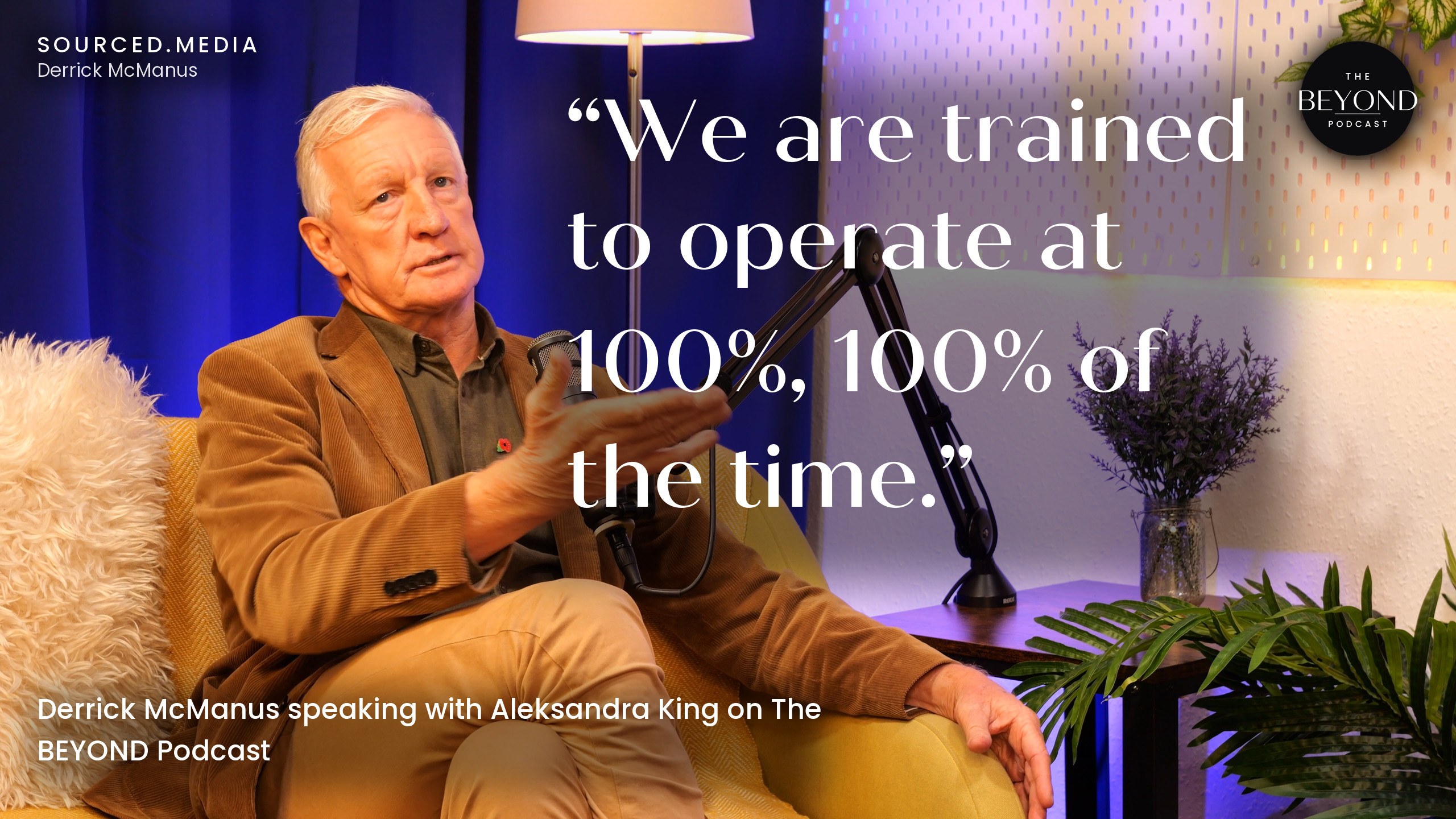 “We are trained to operate at 100%, 100% of the time.” Derrick McManus, former STAR Group officer and founder of Human Durability
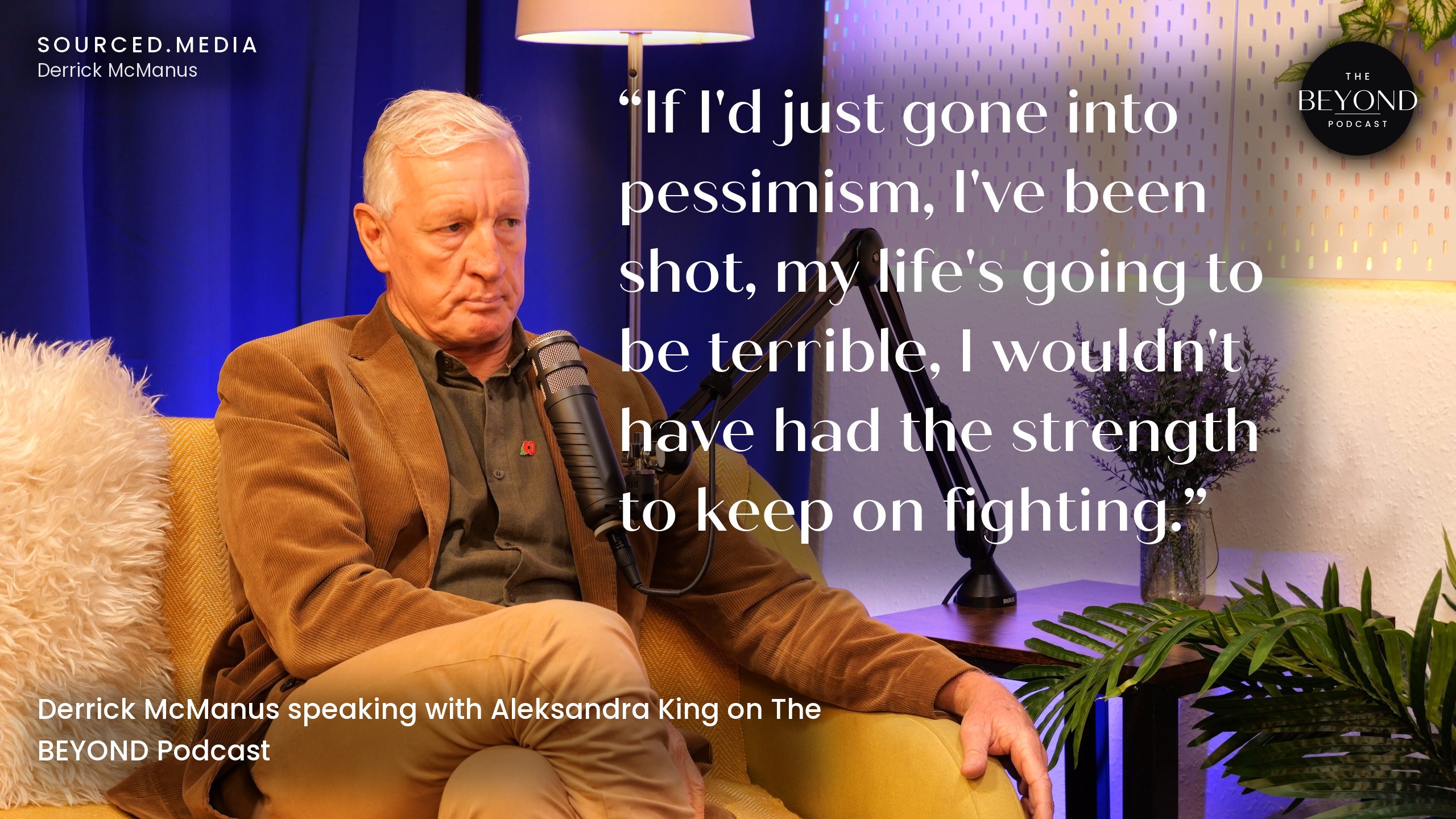 “If I'd just gone into pessimism, I've been shot, my life's going to be terrible, I wouldn't have had the strength to keep on fighting.” Derrick McManus, former STAR Group officer and founder of Human Durability
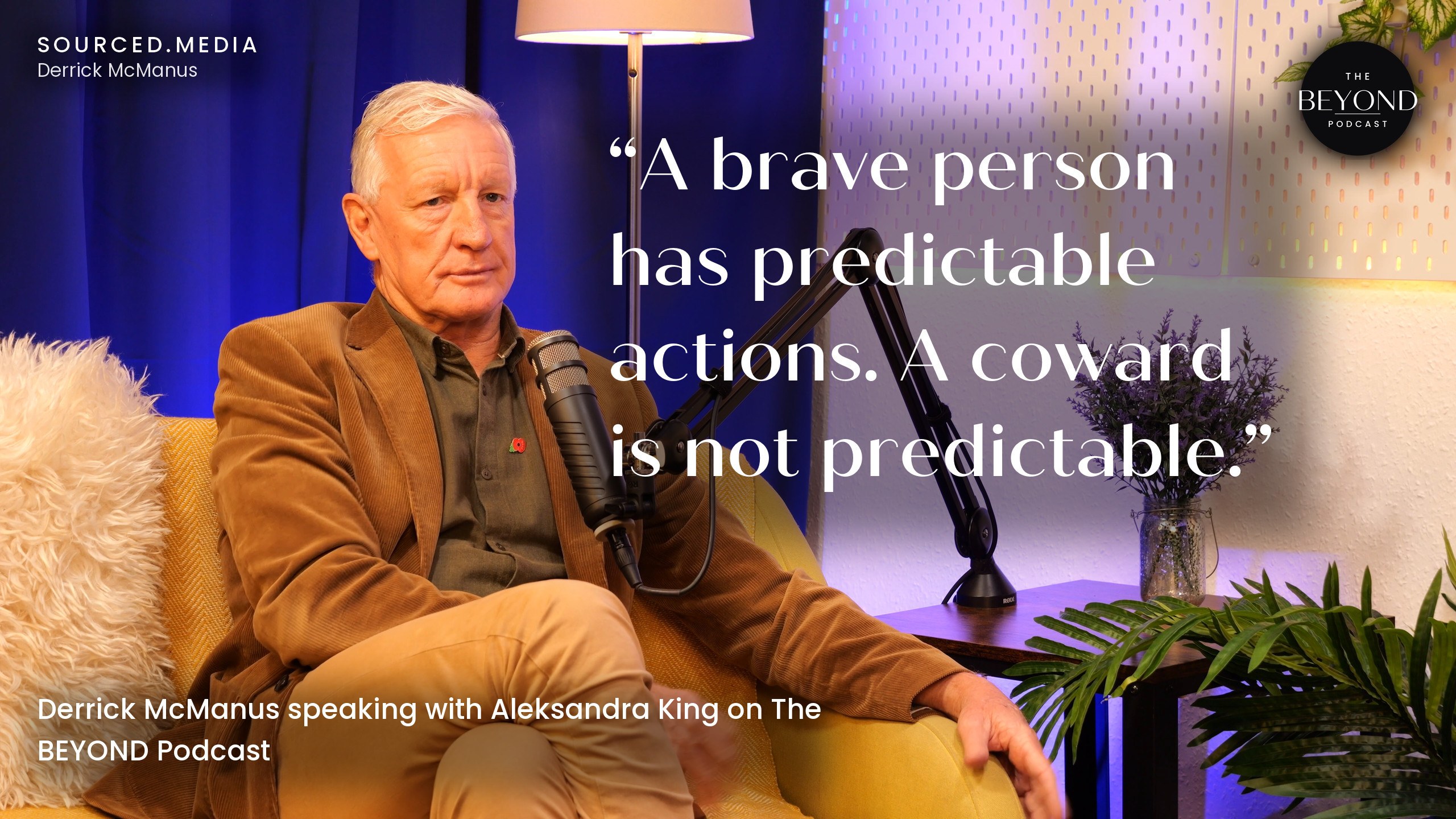 “A brave person has predictable actions. A coward is not predictable.” Derrick McManus, former STAR Group officer and founder of Human Durability
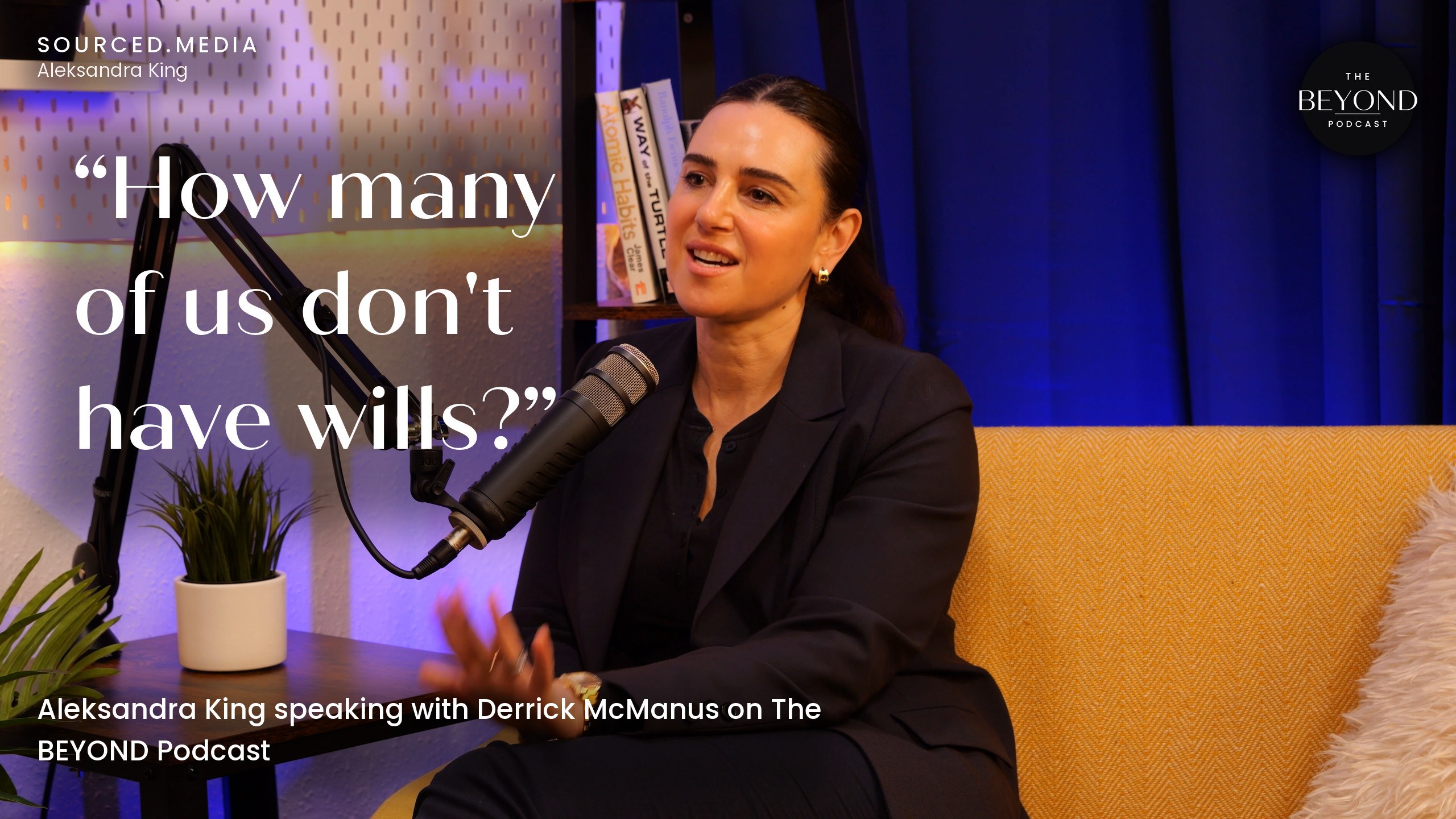 “How many of us don't have wills?” Aleksandra King, host of The BEYOND Podcast
 “We're all in danger all the time.” Aleksandra King, host of The BEYOND Podcast
 “It's business as usual to get called to this high-risk situation that's going on.” Aleksandra King, host of The BEYOND Podcast
Audio
Listen
Lara Morgan: Building Pacific Direct to a £20M Exit
The player loads when pressed.
- 13:55
Lara Morgan, in conversation with Aleksandra King on The BEYOND Podcast
- 14:53
Derrick McManus, in conversation with Aleksandra King on The BEYOND Podcast