Video interview show
Insights of The BEYOND Podcast
Every insight of The BEYOND Podcast, hosted by Aleksandra King.
161 insights
In the order they were said
How do undercover officers blend in with drug users?
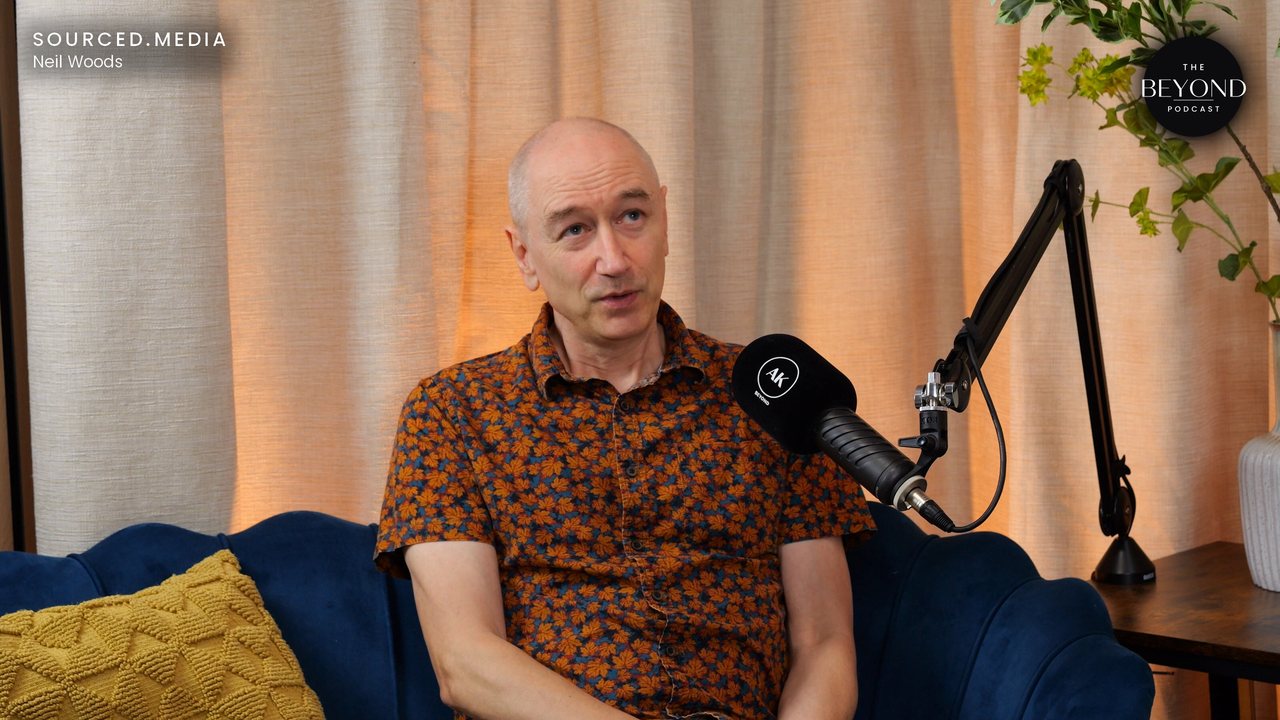
Neil Woods says he dressed down to present as somebody using drugs problematically, scruffy and perhaps living in squats, and at other times as savvy enough to look after himself.
The BEYOND Podcast · Season 4, episode 2
Why do people become addicted to heroin?
Neil Woods says heroin addiction comes from inner emotional pain, with the drug acting as an effective painkiller for the hurt left by childhood neglect or abuse.
The BEYOND Podcast · Season 4, episode 2
Why did Neil Woods stop believing his own justifications?
Neil Woods says he took risks enthusiastically but grew steadily more uncomfortable as he realised he was causing harm and that his own justifications rested on lies.
The BEYOND Podcast · Season 4, episode 2
Should drug users be punished or helped?
Neil Woods says many people lack the luxury of personal responsibility because of situations not of their own making, and drug prohibition persecutes people who need help.
The BEYOND Podcast · Season 4, episode 2
What did Neil Woods see in Nottingham's red light area?
Neil Woods says he was walking to meet a dealer along the edge of Nottingham's red light area when he heard a voice offering sex for sale.
The BEYOND Podcast · Season 4, episode 2
Has drug prohibition reduced drug use?
Neil Woods says drug use has grown faster than the population every year since Prohibition began, and that drugs have never been more available, dangerous or varied.
The BEYOND Podcast · Season 4, episode 2
How does drug money fund other organised crime?
Neil Woods says the value from the illicit drug market is routinely reinvested into other organised criminality, giving organised crime the capital to commit further crimes.
The BEYOND Podcast · Season 4, episode 2
Can legal control stop drug trade ecological harm?
Neil Woods says taking legal control of the drug trade causing the most ecological harm in Latin America is the only way to prevent that harm.
The BEYOND Podcast · Season 4, episode 2
Why does prohibition make drugs stronger?
Neil Woods says prohibition tends to leave only the strongest versions of drugs available, and that access to a milder version of a drug is a useful step.
The BEYOND Podcast · Season 4, episode 2
Do undercover drug operations clean up a town?
Neil Woods says that after seven months undercover he had caught everybody in the town and expected the operation to sweep it clean.
The BEYOND Podcast · Season 4, episode 2
Why did the UK ramp up drug policing?
Neil Woods says the UK government poured resources into the war on drugs in 1993 after a tabloid driven moral panic about crack cocaine.
The BEYOND Podcast · Season 4, episode 2
How did undercover police reach higher-level drug dealers?
Neil Woods says user-dealers who dealt to fund their own habit were the key figures in heroin and crack markets, and befriending them produced introductions upwards.
The BEYOND Podcast · Season 4, episode 2
Why does Switzerland prescribe heroin to people who use it?
Neil Woods says Switzerland took control of its heroin market in 1994 and does not have children dealing heroin, while his country has the highest drug deaths in Europe.
The BEYOND Podcast · Season 4, episode 2
Why does Sweden have so much drug gang violence?
Neil Woods says Sweden has open warfare with organised crime because police constantly disrupt the drug market, and however tough they are they never shrink that market.
The BEYOND Podcast · Season 4, episode 2
How does undercover police work lead to PTSD?
Neil Woods says he built a reputation among drug squad detectives for fearlessness under high risk, and that probably by 2001 he was already developing PTSD.
The BEYOND Podcast · Season 4, episode 2
Why did Neil Woods stop undercover drugs work?
Neil Woods says he had already stopped undercover work after a man he manipulated became suicidal, and was then manipulated himself into the Burger Bar Boys operation.
The BEYOND Podcast · Season 4, episode 2
Is addiction caused by a chemical hook?
Neil Woods says people using heroin or crack problematically are self-medicating for childhood trauma, certainly two thirds of them, and the chemical hook account of addiction has been debunked.
The BEYOND Podcast · Season 4, episode 2
Why did heroin use rise in the UK?
Neil Woods says the UK did not have a heroin problem under the British system, and that heroin use rose to 300,000 people after the American system was adopted.
The BEYOND Podcast · Season 4, episode 2
Which British woman first skied to the Magnetic North Pole?
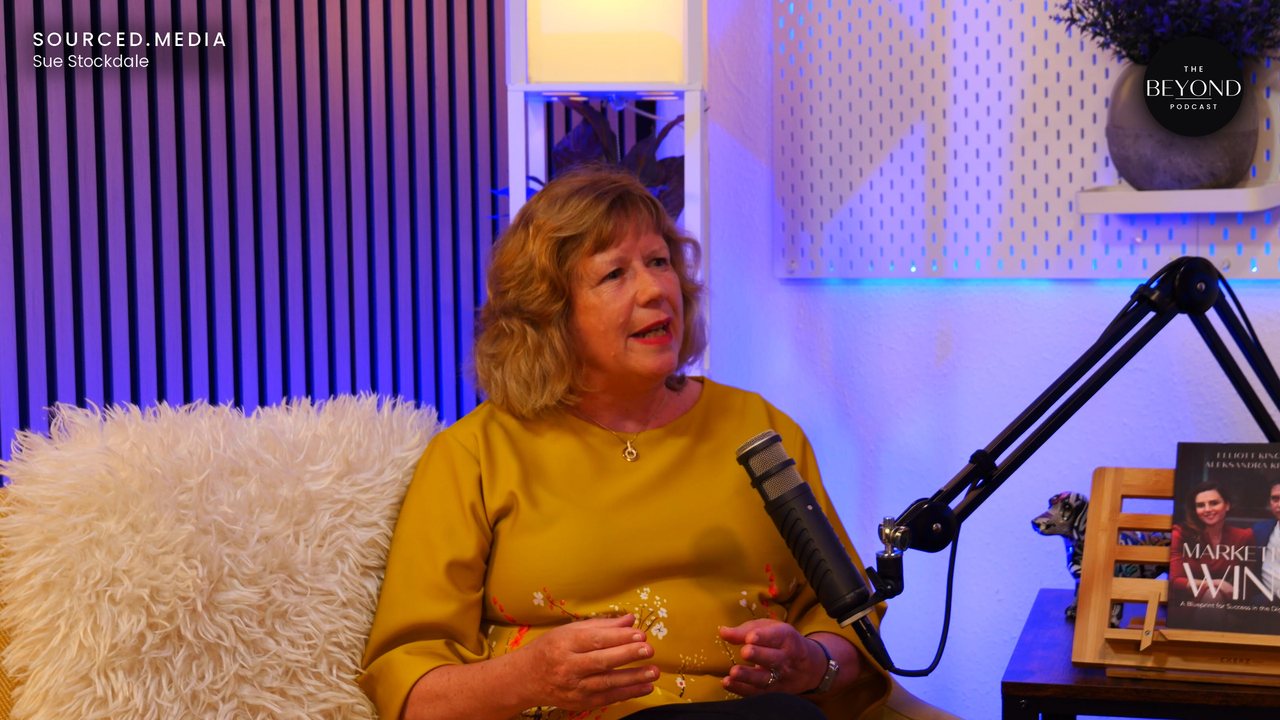
Sue Stockdale says she is a polar explorer, author and coach who skied to the Magnetic North Pole 30 years ago, the first British woman to do so.
The BEYOND Podcast · Season 3, episode 19
How did losing her mother shape Sue Stockdale?
Sue Stockdale says her mother's death when she was 14 made her grow up fast and resolve to use every minute of her life purposefully.
The BEYOND Podcast · Season 3, episode 19
What makes a good team member on a polar expedition?
Sue Stockdale says the selection for her expedition looked above all for the ability to work in a team, because teammates in the Arctic must trust one another.
The BEYOND Podcast · Season 3, episode 19
What was the 1996 Magnetic North Pole expedition for?
Sue Stockdale says the 1996 expedition was both an adventure open to people without experience and a scientific project tracking the magnetic pole for the University of Ottawa.
The BEYOND Podcast · Season 3, episode 19
What do you need to survive in the Arctic?
Sue Stockdale says she thinks survival in extreme cold depends less on clothing than on mental toughness, self-belief, trust in teammates and what people tell themselves.
The BEYOND Podcast · Season 3, episode 19
Why is routine important on a polar expedition?
Sue Stockdale says the expedition's leader, David Hempleman-Adams, taught the team that routine comes first in the Arctic, an hour of skiing and then a short break.
The BEYOND Podcast · Season 3, episode 19
What does 30 days of silence do to your mind?
Sue Stockdale says skiing in single file under layers of clothing left the team in silence for 30 days, and that catastrophising in that silence really affects performance.
The BEYOND Podcast · Season 3, episode 19
How does self-doubt affect performance?
Sue Stockdale says she doubted herself early on the expedition until she noticed her skiing slowing, and learned that positive self-talk was important.
The BEYOND Podcast · Season 3, episode 19
Why does Sue Stockdale say the Arctic wants you dead?
Sue Stockdale says she thinks the ten novices all looked out for each other, knowing they had to rely on one another where the environment wanted them dead.
The BEYOND Podcast · Season 3, episode 19
What is it like to reach the Magnetic North Pole?
Sue Stockdale says arriving after 30 days of skiing was a bit of an anticlimax, despite the great sense of having accomplished the team's goal.
The BEYOND Podcast · Season 3, episode 19
What happens after you achieve a huge goal?
Sue Stockdale says her confidence from the North Pole began to dissipate as the attention faded, and that helping somebody else was the way she chose to get it back.
The BEYOND Podcast · Season 3, episode 19
How did Sue Stockdale become a motivational speaker?
Sue Stockdale says she wondered whether her journey had a bigger purpose, inspiring others to reach their own North Pole, and set up as a motivational speaker.
The BEYOND Podcast · Season 3, episode 19
What is the next small step approach to resilience?
Sue Stockdale says resilience means taking the next small step, from seeing an advert to going through the tests, and learning from any step that does not work out.
The BEYOND Podcast · Season 3, episode 19
Why do people struggle to ask for help?
Sue Stockdale says people often have more support around them than they realise, and that when they believe nobody will help, they may simply never have asked.
The BEYOND Podcast · Season 3, episode 19
Why is asking for help a strength?
Sue Stockdale says asking for help is a strength because the person asked feels honoured, gains a stake in the outcome and adds their energy to the effort.
The BEYOND Podcast · Season 3, episode 19
How do you resolve conflict when there is nowhere to escape?
Sue Stockdale says her team, with nowhere to escape, sat with the discomfort of their conflict until a teammate offered to take weight from her sledge.
The BEYOND Podcast · Season 3, episode 19
Is it a weakness to accept help?
Sue Stockdale says the conversation that resolved her team's conflict taught her a lasting lesson, that there is no shame in weaknesses or in letting someone help.
The BEYOND Podcast · Season 3, episode 19
Does understanding someone's view mean accepting it?
Sue Stockdale says people can tolerate far more discomfort than they realise, and tells the leaders she works with that understanding a view does not mean accepting it.
The BEYOND Podcast · Season 3, episode 19
Where does success in business come from?
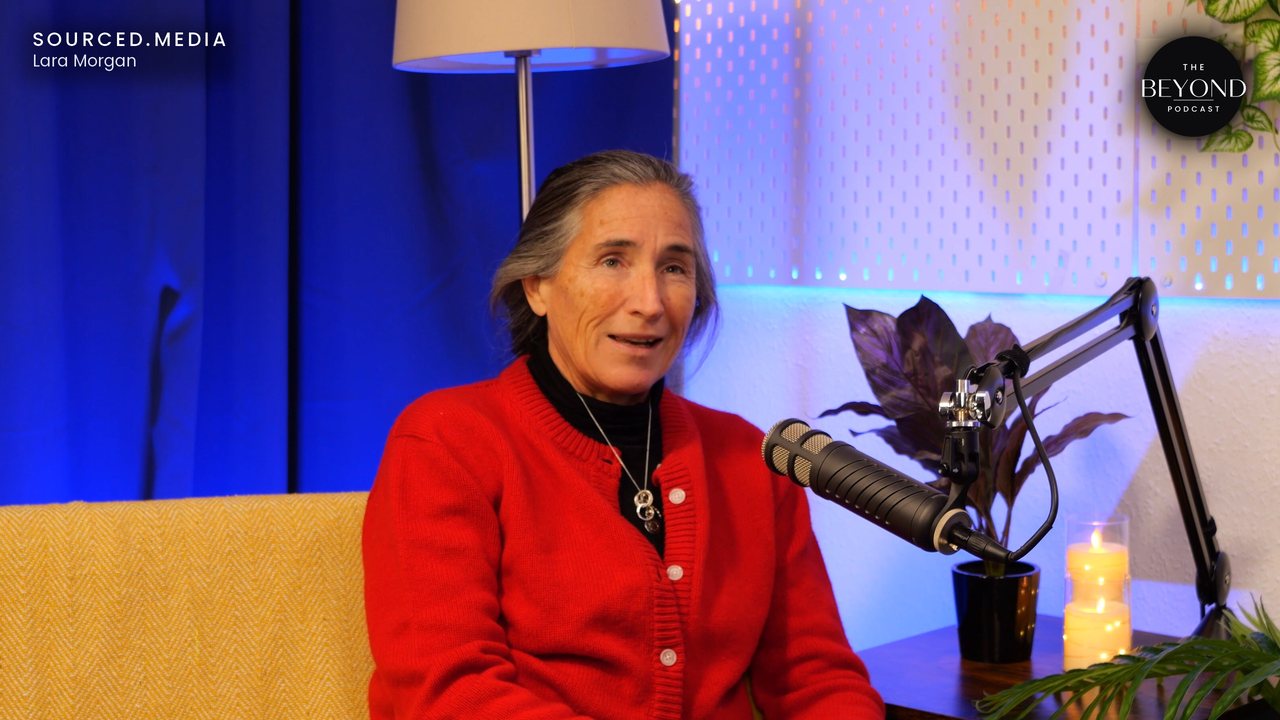
Lara Morgan says she does not think of herself as successful and credits an international upbringing and parents determined to teach her that hard work pays off.
The BEYOND Podcast · Season 3, episode 11
What is it like growing up when a parent goes bankrupt?
Lara Morgan says her father took a long time to go bankrupt and that her parents, determined to try to keep her in education, sent her to private school.
The BEYOND Podcast · Season 3, episode 11
Did Lara Morgan go to university?
Lara Morgan says her father's bankruptcy left no money for sports science at Loughborough, so she went to work, paying rent to her parents two weeks after her A levels.
The BEYOND Podcast · Season 3, episode 11
What makes a good salesperson?
Lara Morgan says sales is a relationship in which the seller listens, puts themselves in the other person's shoes to understand their goals and aims, and helps smooth their path.
The BEYOND Podcast · Season 3, episode 11
Why invest in a product people say they don't need?
Lara Morgan says the world does not need more bags and needs better ones that last longer, and likens Scentered to Henry Ford pushing water uphill with the motor car.
The BEYOND Podcast · Season 3, episode 11
Why do people lose resilience and determination?
Lara Morgan says people will have no resilience, persistence or determination without seeing and gaining a return on their invested effort.
The BEYOND Podcast · Season 3, episode 11
Why is it important to set ambitious goals?
Lara Morgan says people have to have goals and asks why anyone would have average ones, since aiming for the moon might land them on the stars.
The BEYOND Podcast · Season 3, episode 11
What makes a new product worth bringing to market?
Lara Morgan says anything she brings to market has to be better and different, with a sustainability element, because the world does not need more stuff.
The BEYOND Podcast · Season 3, episode 11
What did Lara Morgan sell first?
Lara Morgan says there were no jobs in 1991, so she made one selling sewing kits and shower caps, and took them to the Dorchester on her grandmother's advice.
The BEYOND Podcast · Season 3, episode 11
How many sales calls a day did Lara Morgan make?
Lara Morgan says she set herself a target of 100 calls before her morning drink, which might mean 100 rejections, and the business did £108,000 in its first year.
The BEYOND Podcast · Season 3, episode 11
Where did Lara Morgan start her business?
Lara Morgan says her business started in a granny flat in Bedford and the homes that followed, up to a manor, were stepping stones.
The BEYOND Podcast · Season 3, episode 11
Why is business momentum so hard to maintain?
Lara Morgan says KitBrix has momentum after its best year yet, and that momentum is not a pure sport, because a QC issue, an unwell colleague or an accident will still arrive.
The BEYOND Podcast · Season 3, episode 11
How many quotes should you get before making a decision?
Lara Morgan says her approach to everything is to ask, get three quotes, meet three styles and then make good decisions, sometimes combining what she learns from all three.
The BEYOND Podcast · Season 3, episode 11
Why should you ask experienced entrepreneurs for help?
Lara Morgan says grey-haired entrepreneurs should celebrate the success of those who interview them and make introductions, and that those who do not ask do not get.
The BEYOND Podcast · Season 3, episode 11
How do you involve your team in a five-year plan?
Lara Morgan says walking the wall, a planning exercise learnt at Stanford, puts a five-year goal in writing and is done with the team, because team is everything.
The BEYOND Podcast · Season 3, episode 11
What to do when a buyer says your price is too high?
Lara Morgan says she sent Savlon to a buyer who called her prices high, with a note that she could help with the beating but not the price.
The BEYOND Podcast · Season 3, episode 11
Should you put yourself out there in business?
Aleksandra King says that in the UK specifically there is an idea that people shouldn't put themselves out there too much.
The BEYOND Podcast · Season 3, episode 11
How do you reward yourself when money is tight?
Lara Morgan says people should celebrate by rewarding themselves and can start small; in her early days, when money was tight, her reward was a leg wax.
The BEYOND Podcast · Season 3, episode 11
How do you stay calm in a life-threatening situation?
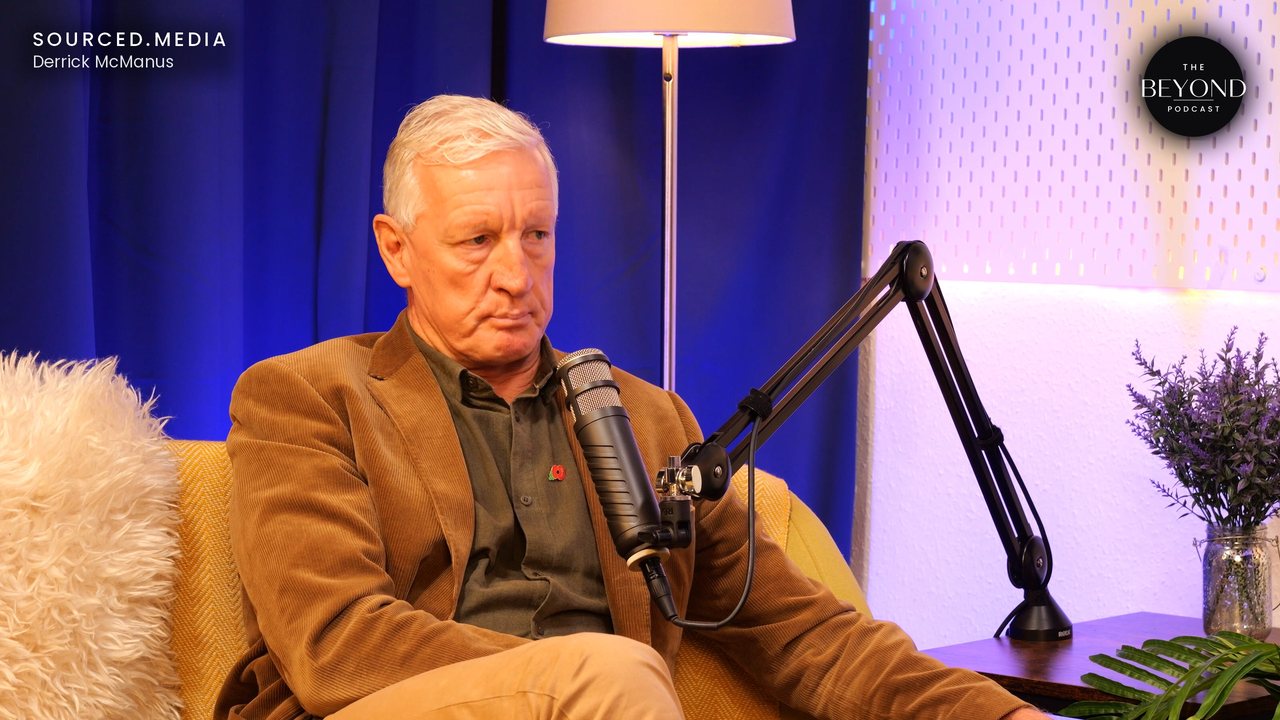
Derrick McManus says he relaxed in the moment while lying wounded on the ground, reasoning that anything better than death is a bonus.
The BEYOND Podcast · Season 3, episode 9
What is the difference between risk managers and risk takers?
Derrick McManus says his team are risk managers, not risk takers; they treat the danger seriously and go in confident, knowing their skills, training and tactics.
The BEYOND Podcast · Season 3, episode 9
How do you think clearly under extreme stress?
Derrick McManus says that controlling his body and getting blood back into the prefrontal cortex let him think creatively while lying hurt on the ground under continuous fire.
The BEYOND Podcast · Season 3, episode 9
What do you say to yourself when you think you are dying?
Derrick McManus says he could either die within moments or sustain optimal performance, and at that point he fought his hardest, telling himself out loud to keep fighting.
The BEYOND Podcast · Season 3, episode 9
Are police officers scared before a high-risk arrest?
Derrick McManus says a high-risk arrest call was far from scary for his police team, who were trained for that work and loved it.
The BEYOND Podcast · Season 3, episode 9
Does being nervous affect performance in high-risk situations?
Derrick McManus says he and his STAR Group colleagues train for high-risk work and want to use those skills; anyone who goes in nervous performs below the level needed.
The BEYOND Podcast · Season 3, episode 9
What goes through your mind when you get shot?
Derrick McManus says the highly trained are allowed thoughts outside the square while still doing everything needed, and recalls telling himself, while being shot, that falling over was quite…
The BEYOND Podcast · Season 3, episode 9
How does training help you keep functioning under fire?
Derrick McManus says deep training let him carry on with the job while a passing thought ran, and that the gunman only stopped when Derrick McManus fired back.
The BEYOND Podcast · Season 3, episode 9
Why do police officers run towards gunfire?
Derrick McManus says police officers move towards gunfire while the ordinary person runs from it, which he puts down to training and probably to personality as well.
The BEYOND Podcast · Season 3, episode 9
What is sustained optimal performance?
Derrick McManus says STAR Group trains its people to operate at 100% all the time, yet with two severed arteries, sustained optimal performance meant slowing his heart rate and breathing.
The BEYOND Podcast · Season 3, episode 9
How does optimism help you keep fighting after trauma?
Derrick McManus says a thought that first sounded strange built his optimism; had he gone into pessimism, he would not have had the strength to keep fighting.
The BEYOND Podcast · Season 3, episode 9
How do you stay optimistic when life will never be the same?
Derrick McManus says optimism is having something better to aim for than the present, even when perfection may be out of reach and the old life cannot be recovered.
The BEYOND Podcast · Season 3, episode 9
Are most people prepared for death?
Aleksandra King says people are not prepared for death, asking how many have no wills and have not talked about what could happen if they died.
The BEYOND Podcast · Season 3, episode 9
How do you prepare your children for a threat?
Derrick McManus says his greater concern is for his children, so he has talked them through how they might feel and respond if the man who shot him meets them.
The BEYOND Podcast · Season 3, episode 9
What does it mean to go beyond resilience?
Derrick McManus says his process is universal, applying as much to bullied schoolchildren and CEOs as to the SAS, and that it goes beyond resilience to sustaining optimal performance.
The BEYOND Podcast · Season 3, episode 9
Can you predict what a coward will do?
Derrick McManus says the man who shot him is a coward who is probably never a threat to him, but a coward is not predictable, so Derrick McManus stays vigilant.
The BEYOND Podcast · Season 3, episode 9
How did Joshua Fletcher's panic attacks begin?
Joshua Fletcher says dissociation and panic after prolonged stress in his young 20s made him agoraphobic, and that this was the first step on his path to being a therapist.
The BEYOND Podcast
What does a panic attack actually feel like?
Joshua Fletcher says a panic attack makes a person doubt their safety, because the threat response fires at full strength in a situation that usually doesn't merit it.
The BEYOND Podcast
When does everyday anxiety become an anxiety disorder?
Joshua Fletcher says everyday anxiety usually switches off once its cause has passed, while an anxiety disorder is like an endless loop because it doesn't have a resolution.
The BEYOND Podcast
Joshua Fletcher says everyone has anxiety because everyone has a threat response, whether a person reacts with fight, flight, freeze or fawn.
The BEYOND Podcast
What is the stress jug analogy?
Joshua Fletcher says the stress jug is a borrowed analogy for how daily pressures and older burdens can fill up and create disordered anxiety.
The BEYOND Podcast
What does the amygdala actually do?
Joshua Fletcher says the amygdala creates doubt that makes people look for danger, so anxiety is part of the reason humans are here and not just a bad thing.
The BEYOND Podcast
What is rumination and how do you stop ruminating?
Joshua Fletcher says ruminating is engaging with a what-if thought as though it were true, and that people still have agency over where they put their attention.
The BEYOND Podcast
Does fighting anxiety make it worse?
Joshua Fletcher says treating anxiety as something to fix is counterproductive, because it teaches the amygdala that anxiety is still a threat.
The BEYOND Podcast
What should you do during a panic attack?
Joshua Fletcher says real progress with anxiety occurs when a person gets the credit for anxiety passing, because they then realise they are the coping technique.
The BEYOND Podcast
What is mindfulness actually for?
Joshua Fletcher says mindfulness is not a way to clear the head and be calm; it is observing the present without judgement, which shows that thoughts are just thoughts.
The BEYOND Podcast
How does exposure therapy rewire the brain?
Joshua Fletcher says exposure therapy means practising being anxious and staying put, so the amygdala rewires when it sees that nothing bad happens.
The BEYOND Podcast
Why does avoiding things make anxiety worse?
Joshua Fletcher says avoiding the tube teaches the brain that the tube is dangerous, when it is not dangerous, just uncomfortable.
The BEYOND Podcast
Is anxiety a personality flaw?
Joshua Fletcher says anxiety is common and human and not a flaw in a person, and that the brain is neuroplastic and can be rewired.
The BEYOND Podcast
Is self-optimisation culture fuelling anxiety?
Joshua Fletcher says the wider conversation about mental health and wellness has brought a commodification, in which quick fixes and cures are often sold through fear.
The BEYOND Podcast
Why does wellness culture make people anxious?
Joshua Fletcher says self-optimisation culture infantilises adults by selling what they already know, and that with anxious people he sometimes focuses on what they are doing right.
The BEYOND Podcast
What is Joshua Fletcher's podcast called?
Joshua Fletcher says his podcast Disordered, made with another therapy colleague, covers lived experience of anxiety and evidence-based approaches to anxiety disorders.
The BEYOND Podcast
What is it like to be a psychopath?
Lewis Raymond Taylor says he has no visceral reaction to emotion, only cognitive emotions, and compares asking about it to asking a blind person why they cannot see.
The BEYOND Podcast · Season 2, episode 15
Lewis Raymond Taylor says he understands empathy cognitively but has little visceral reaction, so even a death brings only a brief flicker of feeling.
The BEYOND Podcast · Season 2, episode 15
Why is the documentary called The Psychopath Life Coach?
Lewis Raymond Taylor says he accepted the documentary's psychopath title on logic, because sensational titles get watched and it gives him a platform to educate.
The BEYOND Podcast · Season 2, episode 15
Does Lewis Raymond Taylor regret going public as a psychopath?
Lewis Raymond Taylor says having a son made him uncomfortable, probably for the first time, about how his thoughts might be perceived, though he does not regret speaking openly.
The BEYOND Podcast · Season 2, episode 15
Are all psychopaths dangerous?
Lewis Raymond Taylor says psychopathy is a spectrum, that the dangerous extreme seen in serial killer documentaries is a tiny part of it, and that he lives by learned values.
The BEYOND Podcast · Season 2, episode 15
Why was Lewis Raymond Taylor drawn to violence?
Lewis Raymond Taylor says his violence was a search for significance and for feeling, and that many people with antisocial personality disorder use drink and drugs to stimulate themselves.
The BEYOND Podcast · Season 2, episode 15
Can a psychopath learn empathy?
Lewis Raymond Taylor says most of the psychopathy checklist is behavioural, and that he has learned to access empathy cognitively, though the biological traits remain.
The BEYOND Podcast · Season 2, episode 15
How many people are psychopaths?
Lewis Raymond Taylor says 1 per cent of the population are psychopaths, most of them never diagnosed, and that his own diagnosis hit home mainly when he was coaching others.
The BEYOND Podcast · Season 2, episode 15
Why did prison not feel like rock bottom to Lewis Raymond Taylor?
Lewis Raymond Taylor says prison was no rock bottom for him because he saw no problem in his life and wanted to avoid a mundane one.
The BEYOND Podcast · Season 2, episode 15
What made Lewis Raymond Taylor decide to change?
Lewis Raymond Taylor says his turning point came when a friend captioned his court photograph nothing changes, and he saw he could not keep returning to prison.
The BEYOND Podcast · Season 2, episode 15
Lewis Raymond Taylor says change began when he stopped blaming everyone around him and accepted that he was both the problem and the solution.
The BEYOND Podcast · Season 2, episode 15
Is psychopathy a real diagnosis?
Lewis Raymond Taylor says psychopathy is a label for the extreme end of the antisocial personality disorder spectrum, the condition his psychiatric assessment found before sentencing.
The BEYOND Podcast · Season 2, episode 15
Is psychopathy an advantage in business?
Lewis Raymond Taylor says being less emotionally reactive has made him more cognitively aware, which may give him a strategic advantage in business.
The BEYOND Podcast · Season 2, episode 15
Lewis Raymond Taylor says he thinks in maps, seeing every step towards a goal such as winning a client and fitting each new piece of information into the plan.
The BEYOND Podcast · Season 2, episode 15
Why does success not fulfil Lewis Raymond Taylor?
Lewis Raymond Taylor says his drive for significance, fame and success stands in for wanting to feel loved, and that success will not give him what he needs.
The BEYOND Podcast · Season 2, episode 15
Lewis Raymond Taylor says he does not know whether he will ever truly feel love, though after deep work and many therapies it flickers now and again.
The BEYOND Podcast · Season 2, episode 15
Can a psychopath care about other people?
Lewis Raymond Taylor says he genuinely cares about people on a cognitive level, partly from a selfish wish to be proud and partly because he was once where they are.
The BEYOND Podcast · Season 2, episode 15
What happened to Andrew Jenkins from The Traitors in his car crash?
Andrew Jenkins says the emergency services told the people in his car that he was dead, and that he spent four weeks in a coma.
The BEYOND Podcast · Season 2, episode 12
How long did Andrew Jenkins let his trauma define him?
Andrew Jenkins says he let his trauma define him for probably 24 years and has only come to terms with it in the last couple of years.
The BEYOND Podcast · Season 2, episode 12
Was Andrew Jenkins told he would never walk again?
Andrew Jenkins says that when doctors told him after his coma that he would never walk again, he guaranteed he would walk in the hospital, and did.
The BEYOND Podcast · Season 2, episode 12
How does Andrew Jenkins say you keep going when life is tough?
Andrew Jenkins says life is tough, but taking one small step every day and keeping going mounted up, for him, to walking again.
The BEYOND Podcast · Season 2, episode 12
Why did Andrew Jenkins walk 1,200 km across four countries?
Andrew Jenkins says he walked 1,200 kilometres across four countries, from Ardross Castle to Cardiff Castle, for everybody battling demons or feeling not good enough.
The BEYOND Podcast · Season 2, episode 12
Why was Andrew Jenkins miserable despite a six-figure salary?
Andrew Jenkins says he had a six-figure salary, a nice house and a good car, everything he was told would make him happy, and was still miserable.
The BEYOND Podcast · Season 2, episode 12
Is being vulnerable a weakness or a strength?
Andrew Jenkins says he used to think being vulnerable was weakness, but now sees it as brave, courageous and a strength.
The BEYOND Podcast · Season 2, episode 12
Why did Andrew Jenkins leave his job after The Traitors?
Andrew Jenkins says he wasn't really doing any new business, so he told his boss he had to leave because it did not sit right with him.
The BEYOND Podcast · Season 2, episode 12
What happens when men suppress their emotions?
Andrew Jenkins says emotions bottled up for decades come out as drugs, violence, anger or frustration, and that people have to lean into them rather than push them down.
The BEYOND Podcast · Season 2, episode 12
How did Andrew Jenkins get on The Traitors?
Andrew Jenkins says a casting director approached him on Instagram and that the only reason he did the show was to get a platform for his work.
The BEYOND Podcast · Season 2, episode 12
How did Andrew Jenkins feel about becoming a Traitor?
Andrew Jenkins says he spent probably 15 or 20 minutes deciding whether to become a Traitor, because as an honest person he did not want to manipulate people.
The BEYOND Podcast · Season 2, episode 12
What did Andrew Jenkins learn about human nature on The Traitors?
Andrew Jenkins says he could not believe the herd mentality he saw, with people too scared to go against everyone else following each other like sheep.
The BEYOND Podcast · Season 2, episode 12
What is The Traitors round table really like?
Andrew Jenkins says that at the round table six or seven people can be against a player at once, and that he has seen people crumble under the pressure.
The BEYOND Podcast · Season 2, episode 12
What did The Traitors teach Andrew Jenkins about what matters?
Andrew Jenkins says the people who love him do so whether he comes first, second or tenth, which matters more to him than £95,000.
The BEYOND Podcast · Season 2, episode 12
Why was Andrew Jenkins emotional when he left The Traitors?
Andrew Jenkins says he got upset on leaving because it was the first time in a long time that he felt proud of himself and his achievements.
The BEYOND Podcast · Season 2, episode 12
Can you grieve when nobody has died?
Andrew Jenkins says a counsellor he saw 15 years after his accident told him he was grieving the loss of his old self.
The BEYOND Podcast · Season 2, episode 12
Why should you check in on friends who are struggling?
Andrew Jenkins says anyone serious about wellbeing and mental health has to check in on people, since a simple text could be the difference for someone struggling.
The BEYOND Podcast · Season 2, episode 12
What does Andrew Jenkins advise anyone who is struggling?
Andrew Jenkins says his one piece of advice is to talk and open up to someone, not necessarily a professional, after bottling up his own feelings for years.
The BEYOND Podcast · Season 2, episode 12
Robin Dunbar says a person can have about 150 friends and family, which is Dunbar's number, the people they would once have sent Christmas cards to.
The BEYOND Podcast · Season 2, episode 4
How many friends does the average person have on Facebook?
Robin Dunbar says the average number of friends on Facebook is 149, according to the last census, which covered 61 million Facebook pages.
The BEYOND Podcast · Season 2, episode 4
What is the difference between a friend and an acquaintance?
Robin Dunbar says acquaintances are people one goes for a beer with after work but would never invite home.
The BEYOND Podcast · Season 2, episode 4
Is Dunbar's number the same for everyone?
Robin Dunbar says the average circle of friends and family is 150 but probably ranges from about 100 for introverts to about 250 for extroverts.
The BEYOND Podcast · Season 2, episode 4
How many close friends do most people have?
Robin Dunbar says friendships within the 150 fall into layers at very specific numbers, the innermost being five shoulders to cry on who form a support group.
The BEYOND Podcast · Season 2, episode 4
What are the layers of friendship?
Robin Dunbar says friendship circles widen to a sympathy group of 15, about 50 weekend barbecue friends, and the 150 who come to weddings and funerals.
The BEYOND Podcast · Season 2, episode 4
How often should you see your closest friends?
Robin Dunbar says people generally see their inner five at least once a week and the rest of their 150 at least once a year.
The BEYOND Podcast · Season 2, episode 4
Do men and women do friendship differently?
Robin Dunbar says boys have more diffuse, anonymous friendships in a clubby world, while girls have more intimate one-to-one relationships.
The BEYOND Podcast · Season 2, episode 4
How many hours does it take to make a close friend?
Robin Dunbar says turning a stranger into one of a person's closest 15 takes about 200 hours of face-to-face contact, and somebody else has to be dropped.
The BEYOND Podcast · Season 2, episode 4
What are the seven pillars of friendship?
Robin Dunbar says the seven pillars of friendship are culturally learned markers, such as humour, music, hobbies and moral and political views, by which people seek similar friends.
The BEYOND Podcast · Season 2, episode 4
What is the Jane Austen problem in friendship?
Robin Dunbar says everyone wants Mr Darcy as a partner or friend, but he can choose only one, leaving the rest with the boring curate.
The BEYOND Podcast · Season 2, episode 4
Can you predict how long a friendship will last?
Robin Dunbar says phone records from three countries show that how often a new friend is called in the first four to six weeks predicts how long the friendship lasts.
The BEYOND Podcast · Season 2, episode 4
Why does Shakespeare never have more than four speaking parts on stage?
Robin Dunbar says people who might be able to handle five mind states prefer fiction with five or four, and Shakespeare never puts more than four speaking parts on stage.
The BEYOND Podcast · Season 2, episode 4
Where does the word gossip come from?
Robin Dunbar says the word gossip comes from godsib, the peer group equivalent of godparents, and once meant passing time with neighbours over the garden fence.
The BEYOND Podcast · Season 2, episode 4
Why is gossip good for relationships?
Robin Dunbar says gossip in its positive sense helps manage relationships, because nobody can possibly follow everything happening to all 150 people in their network.
The BEYOND Podcast · Season 2, episode 4
What makes a friendship end for good?
Robin Dunbar says relationships break down terminally through either a loss of trust or overexploitation, such as one side always borrowing and never paying back.
The BEYOND Podcast · Season 2, episode 4
At what size does a group need a leader?
Robin Dunbar says a group bigger than about 50 needs a management structure such as a committee, because a democratic group of that size simply does not survive.
The BEYOND Podcast · Season 2, episode 4
Do introverts have fewer friends than extroverts?
Robin Dunbar says introverts keep smaller networks and invest more time in each friend, while extroverts rely on social confidence to handle more, weaker relationships.
The BEYOND Podcast · Season 2, episode 4
Why do families fall out after a parent dies?
Robin Dunbar says families often fall apart when the parents die and relatives argue over who gets what, and close family rifts are almost always catastrophic.
The BEYOND Podcast · Season 2, episode 4
Has modern life changed Dunbar's number?
Robin Dunbar says that where people once lived in villages of a couple of hundred, moving for study and work now pushes their 150 towards 1,500.
The BEYOND Podcast · Season 2, episode 4
How long does it take for a friendship to fade?
Robin Dunbar says that after about two years of not seeing each other, a good regular friend from the 15 layer becomes just an acquaintance.
The BEYOND Podcast · Season 2, episode 4
Why is singing such a powerful icebreaker?
Robin Dunbar says an hour of community singing leaves complete strangers feeling as if they have known each other since primary school.
The BEYOND Podcast · Season 2, episode 4
Why am I scared of public speaking or being on camera?
Dr Grant Murrell says fear of speaking on stage or on camera is fear of looking silly, and his answer is to make the moment about legacy rather than himself.
The BEYOND Podcast · Season 3, episode 18
How can a mistake become a signature sound?
Dr Grant Murrell says a guitarist asked for a wiring mistake to be put back after a repair, because the accident of being a little different made his signature sound.
The BEYOND Podcast · Season 3, episode 18
How do you stand out in the age of AI?
Dr Grant Murrell says AI makes information easy to get anywhere, so standing out means being a specialist; whoever modelled another person and competed with them would always come second.
The BEYOND Podcast · Season 3, episode 18
Why do people need a sense of purpose?
Dr Grant Murrell says no one does anything unless there is a sense of purpose to it, a theory about commitment he talks about with the people he coaches.
The BEYOND Podcast · Season 3, episode 18
What would you do if money didn't exist?
Dr Grant Murrell says he would be doing pretty much what he does now even if there was no money in the world, and that it is his purpose in life.
The BEYOND Podcast · Season 3, episode 18
What should you do when everything you touch goes wrong?
Dr Grant Murrell says he takes a day off when he can feel the energy is wrong, because anything he touches on such a day goes wrong.
The BEYOND Podcast · Season 3, episode 18
How do you share an opportunity without being pushy?
Dr Grant Murrell says that when he shares an opportunity with a friend, the choice is theirs and he asks them to do their own due diligence.
The BEYOND Podcast · Season 3, episode 18
Should you sell something you don't believe in?
Dr Grant Murrell says most people are in sales one way or another and that nobody should ever sell anything they do not fully agree with.
The BEYOND Podcast · Season 3, episode 18
Does helping other people come back to you?
Dr Grant Murrell says the help he gives comes around again, perhaps from someone else, and some of his greatest success came through introductions from people he went to help.
The BEYOND Podcast · Season 3, episode 18
How do you decide which ideas to pursue?
Dr Grant Murrell says he asks where an idea could go, reverse-engineers the process if it could go where he wants, and otherwise introduces somebody who may be interested.
The BEYOND Podcast · Season 3, episode 18
Is it normal for high performers to procrastinate?
Dr Grant Murrell says people know they excel in some areas and not others, may procrastinate elsewhere, and that is acceptable to an extent because some very high performers procrastinate.
The BEYOND Podcast · Season 3, episode 18
What does it mean when you keep hitting obstacles?
Dr Grant Murrell says what he fixed would normally break again, and he now meets a barrier more peacefully, taking it as a sign that something better may be waiting.
The BEYOND Podcast · Season 3, episode 18
Dr Grant Murrell says looking at people shows him where they are, where they need to go and where they need to tread carefully, like a human sat-nav.
The BEYOND Podcast · Season 3, episode 18
How can you tell if someone really knows their subject?
Dr Grant Murrell says he tends to agree that the calmest person has the most power, and after a deep, thoughtful question they do not need to prove too much.
The BEYOND Podcast · Season 3, episode 18
Why do the most experienced people talk the least?
Dr Grant Murrell says a director who wrote about four lines at a conference had all he needed, his cup already full, and such quiet tells him people are listening.
The BEYOND Podcast · Season 3, episode 18
Do some people really have no values?
Dr Grant Murrell says there are alternatives for people who say there is nothing else they can do, and that everyone has values, just different ones.
The BEYOND Podcast · Season 3, episode 18
How do you break a big goal into smaller steps?
Dr Grant Murrell says the trick is to take a big goal and chunk it down into stages, so that the person pursuing it never fails.
The BEYOND Podcast · Season 3, episode 18
Can you be successful and still feel trapped?
Dr Grant Murrell says everyone can free themselves by making the decision and working on themselves, citing a client trapped at what was, for most people, the top of their game.
The BEYOND Podcast · Season 3, episode 18



Cite this page Insights of The BEYOND Podcast, hosted by Aleksandra King. Sourced.media, updated 20 November 2026. https://sourced.media/the-beyond-podcast/insights/
Episodes
See all 9 episodesNeil Woods on The BEYOND Podcast
The BEYOND Podcast · Season 4, episode 2 · 5 November 2026
Sue Stockdale on The BEYOND Podcast
The BEYOND Podcast · Season 3, episode 19 · 10 October 2026
Lara Morgan on The BEYOND Podcast
The BEYOND Podcast · Season 3, episode 11 · 17 June 2026
Derrick McManus on The BEYOND Podcast
The BEYOND Podcast · Season 3, episode 9 · 21 May 2026
Joshua Fletcher on The BEYOND Podcast
The BEYOND Podcast · 28 January 2026
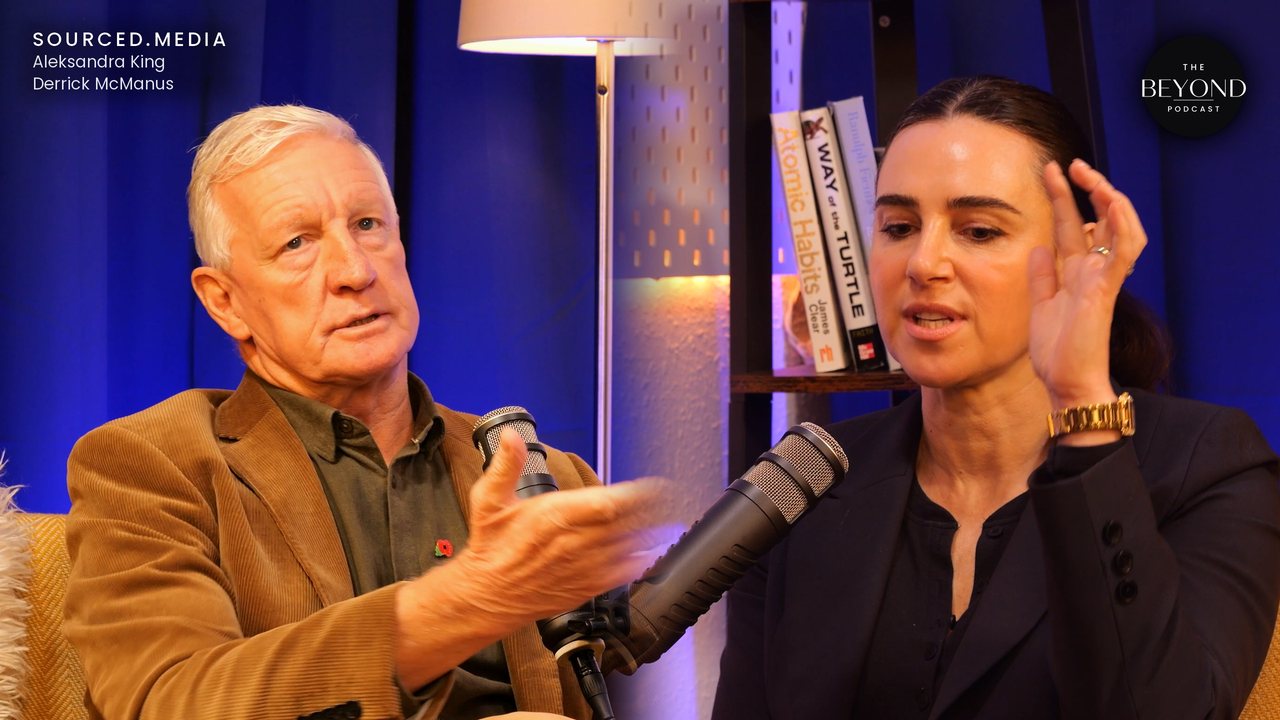
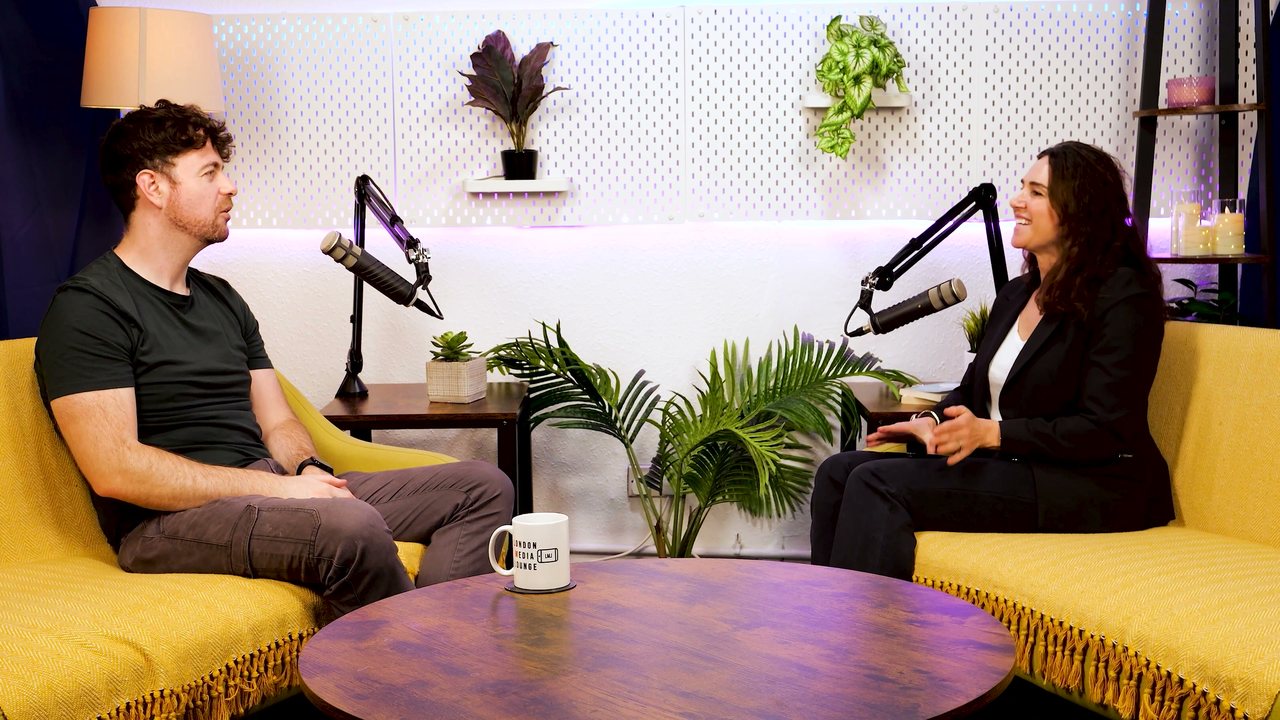
People
See all 10 people Neil WoodsGuest
 Aleksandra KingHost
 Lara MorganGuest
 Derrick McManusGuest
Organisations
See all 8 organisations Human Durability
Photos
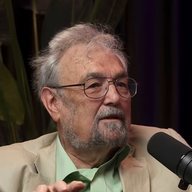
See all 73 photos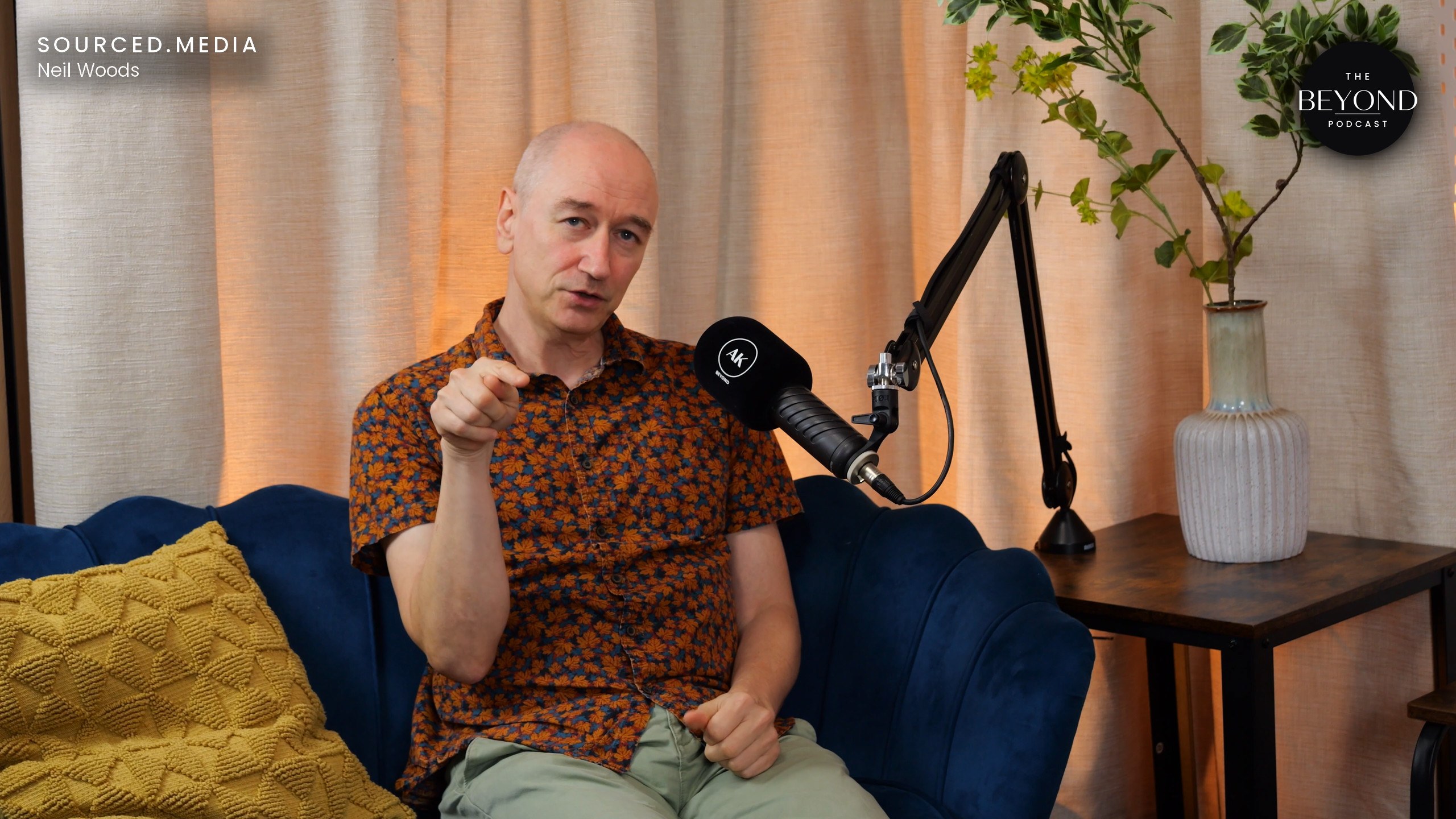 Neil Woods, former undercover police officer and author of Good Cop, Bad War, on The BEYOND Podcast
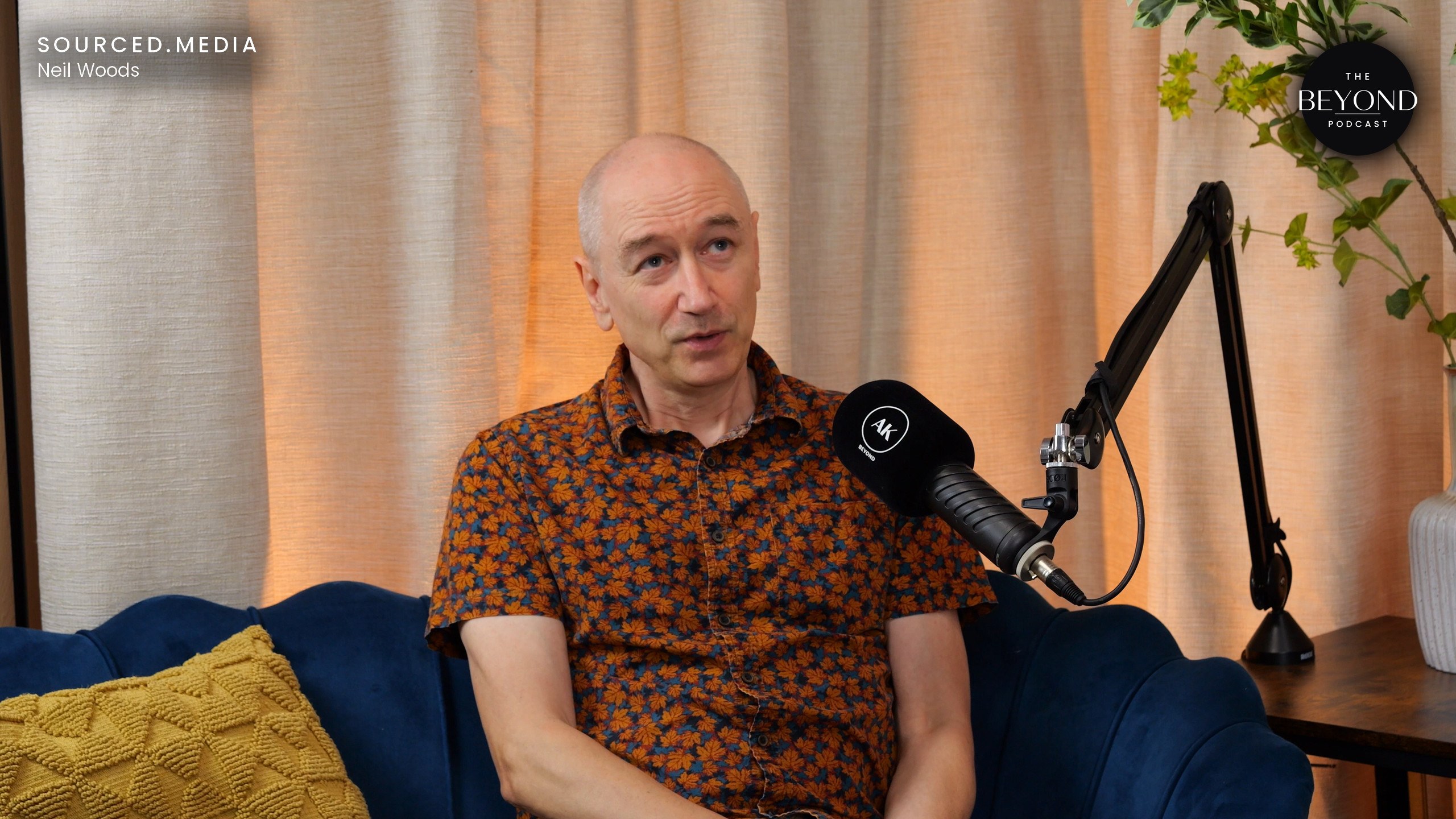 Neil Woods, former undercover police officer and author of Good Cop, Bad War, on The BEYOND Podcast
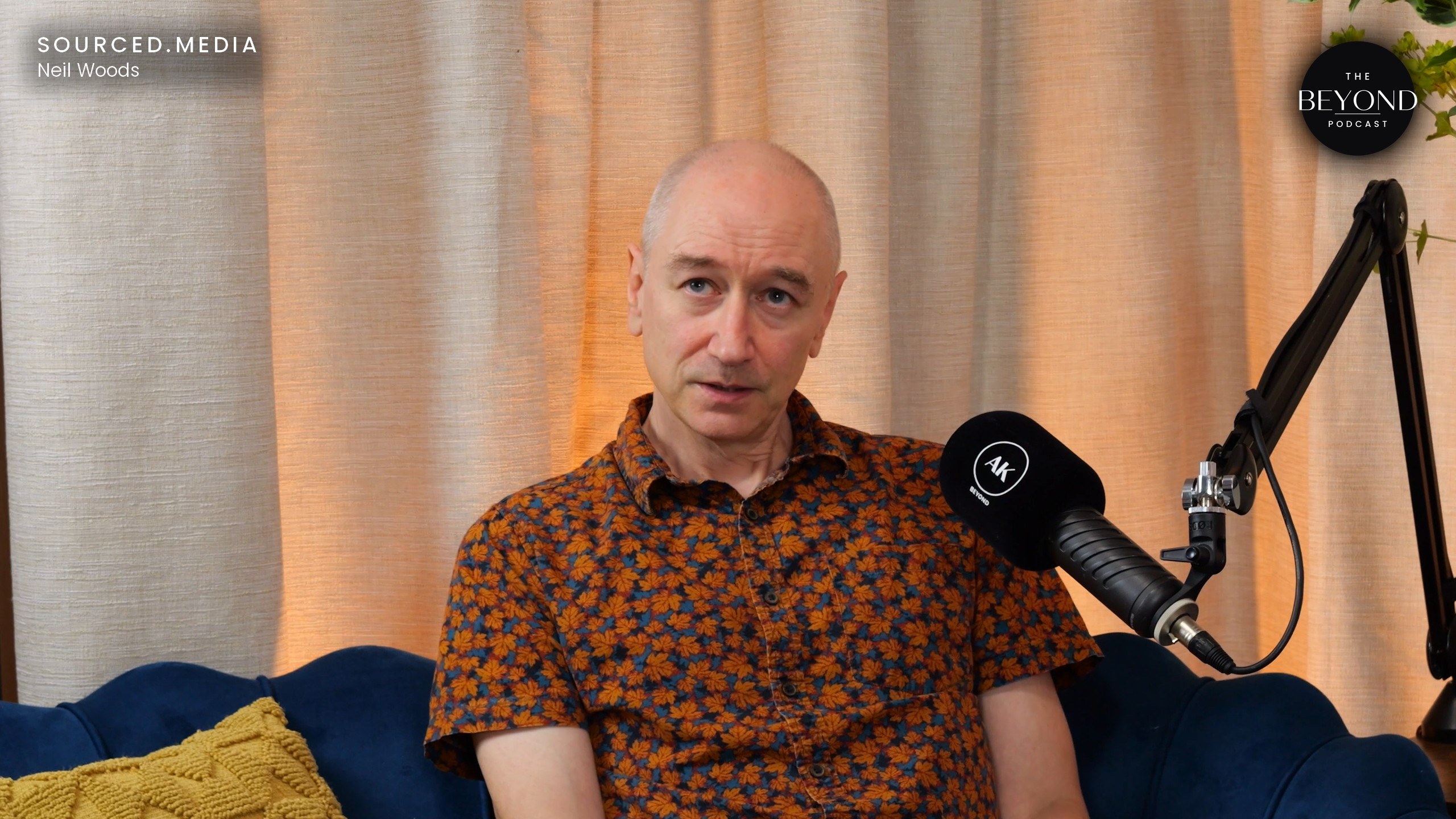 Neil Woods, former undercover police officer and author of Good Cop, Bad War, on The BEYOND Podcast
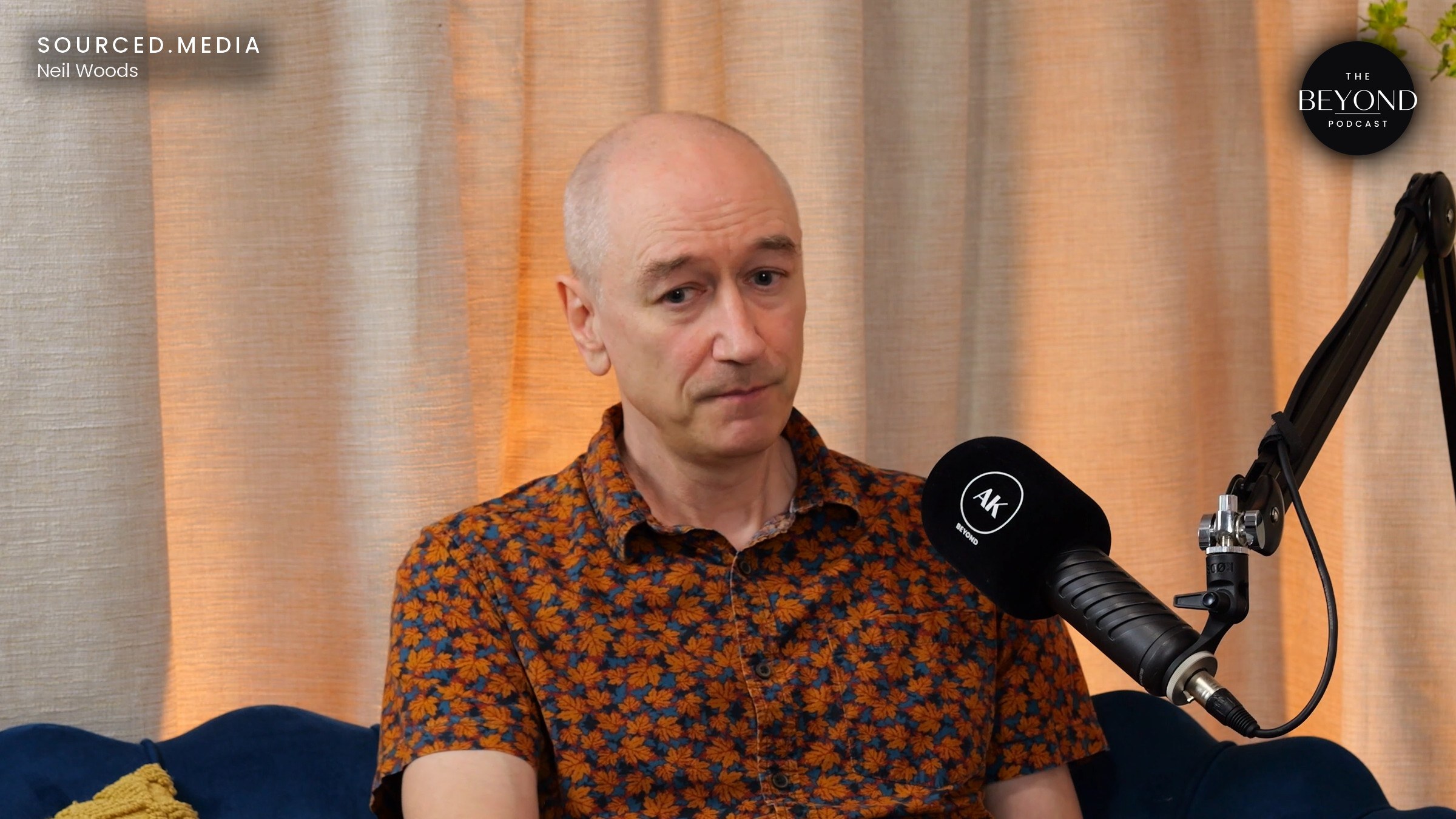 Neil Woods, former undercover police officer and author of Good Cop, Bad War, on The BEYOND Podcast
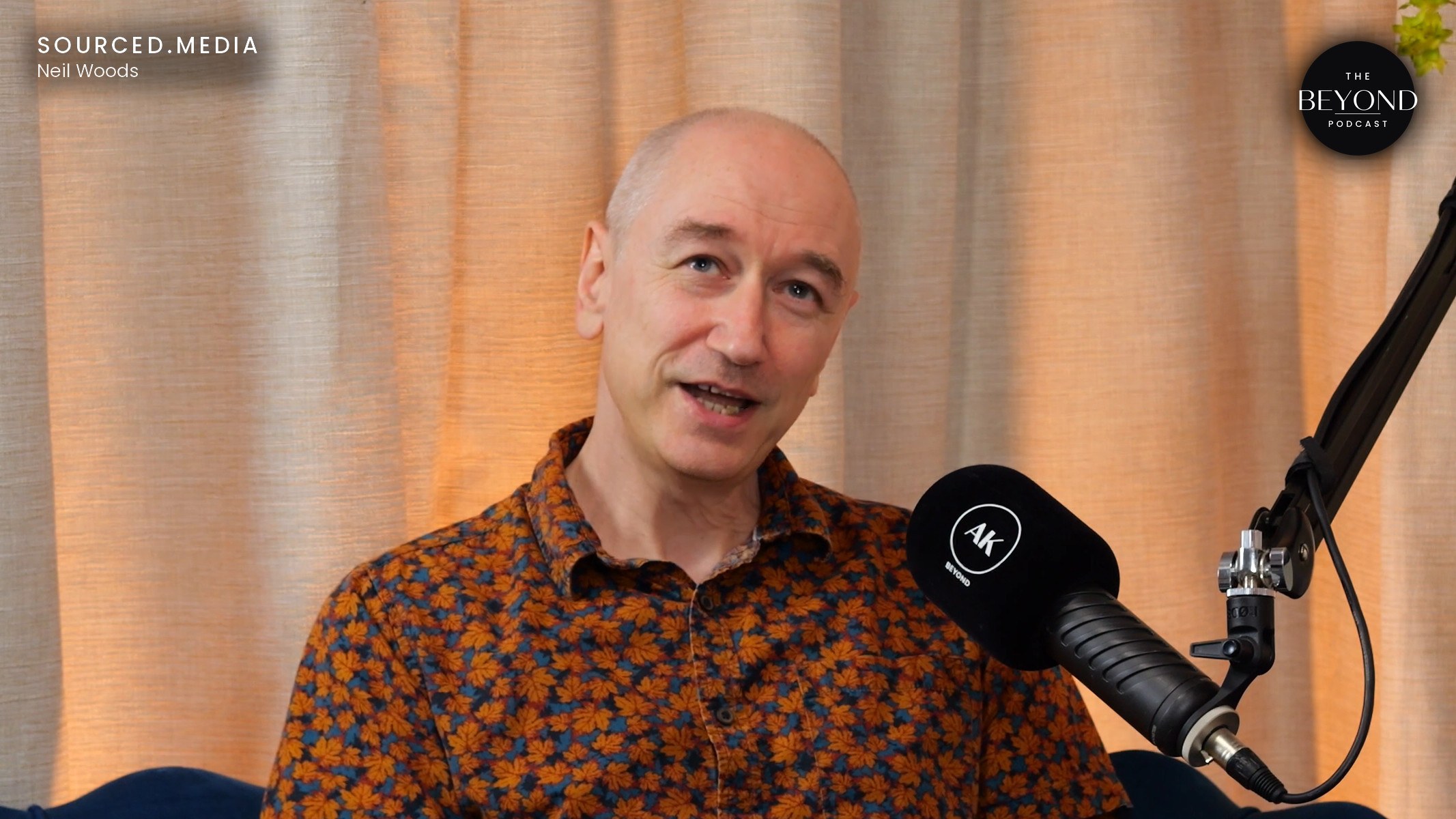 Neil Woods, former undercover police officer and author of Good Cop, Bad War, on The BEYOND Podcast
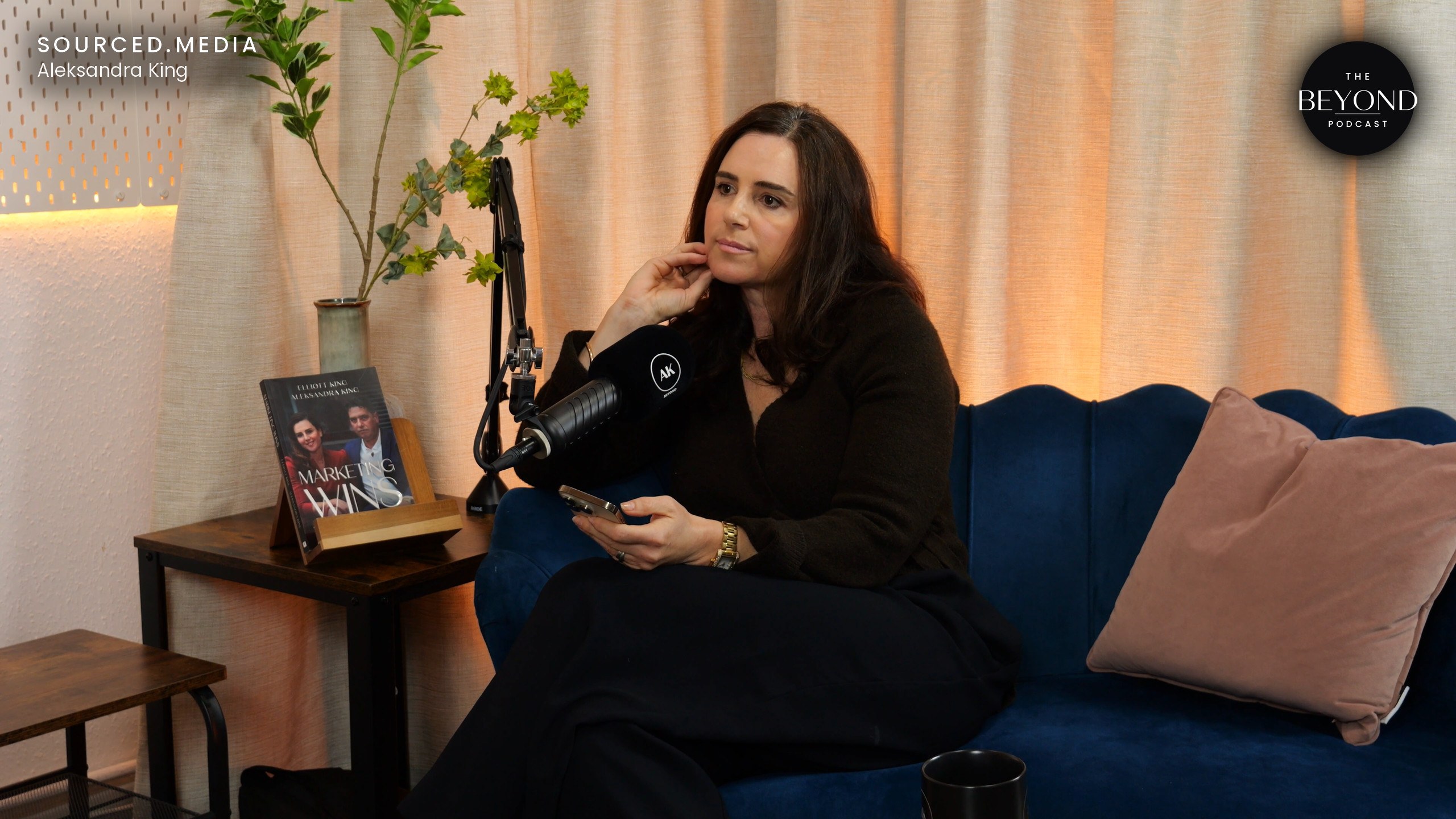 Aleksandra King, host of The BEYOND Podcast, with Neil Woods
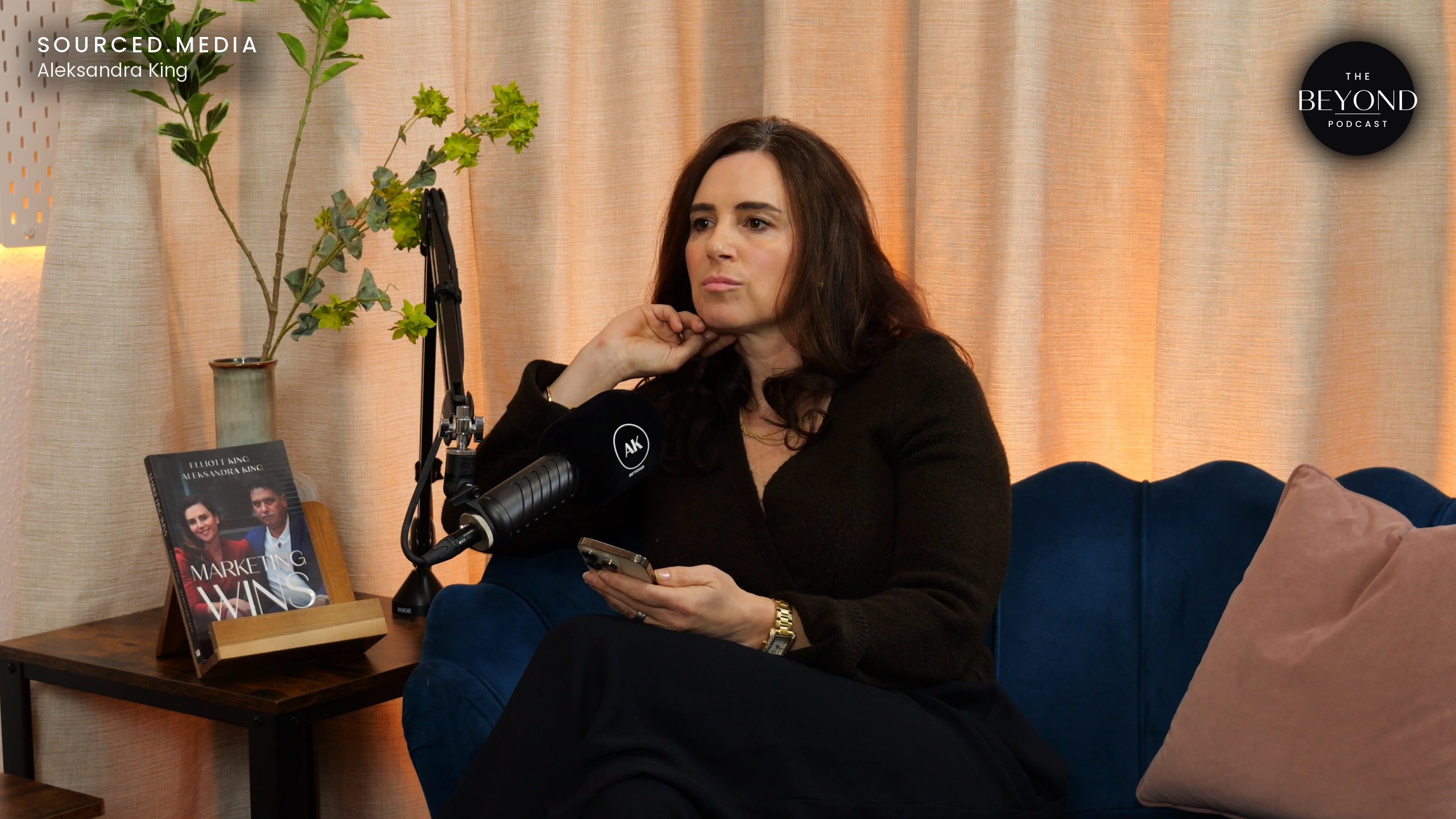 Aleksandra King, host of The BEYOND Podcast, with Neil Woods
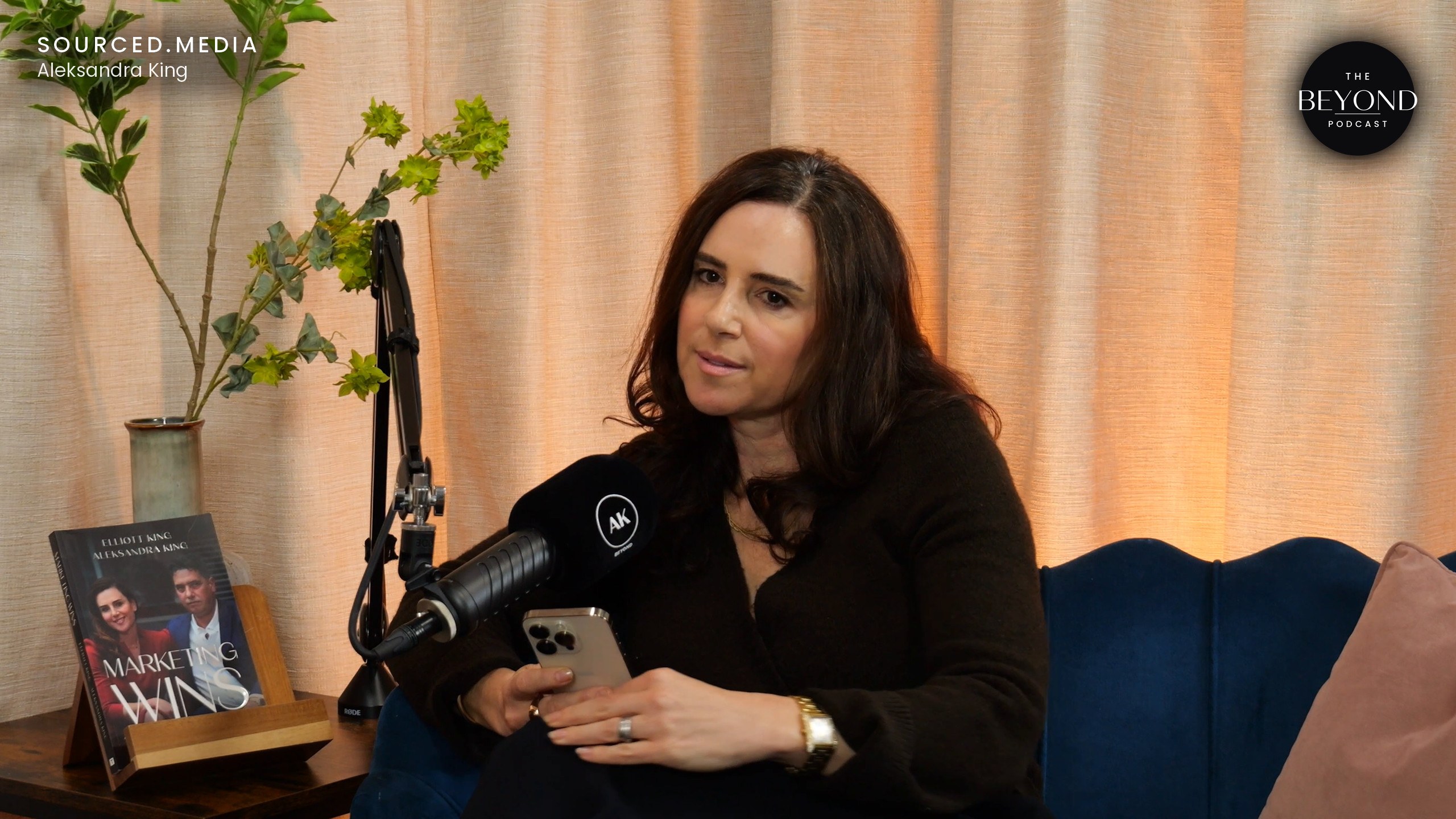 Aleksandra King, host of The BEYOND Podcast, with Neil Woods
Short videos
See all 27 short videos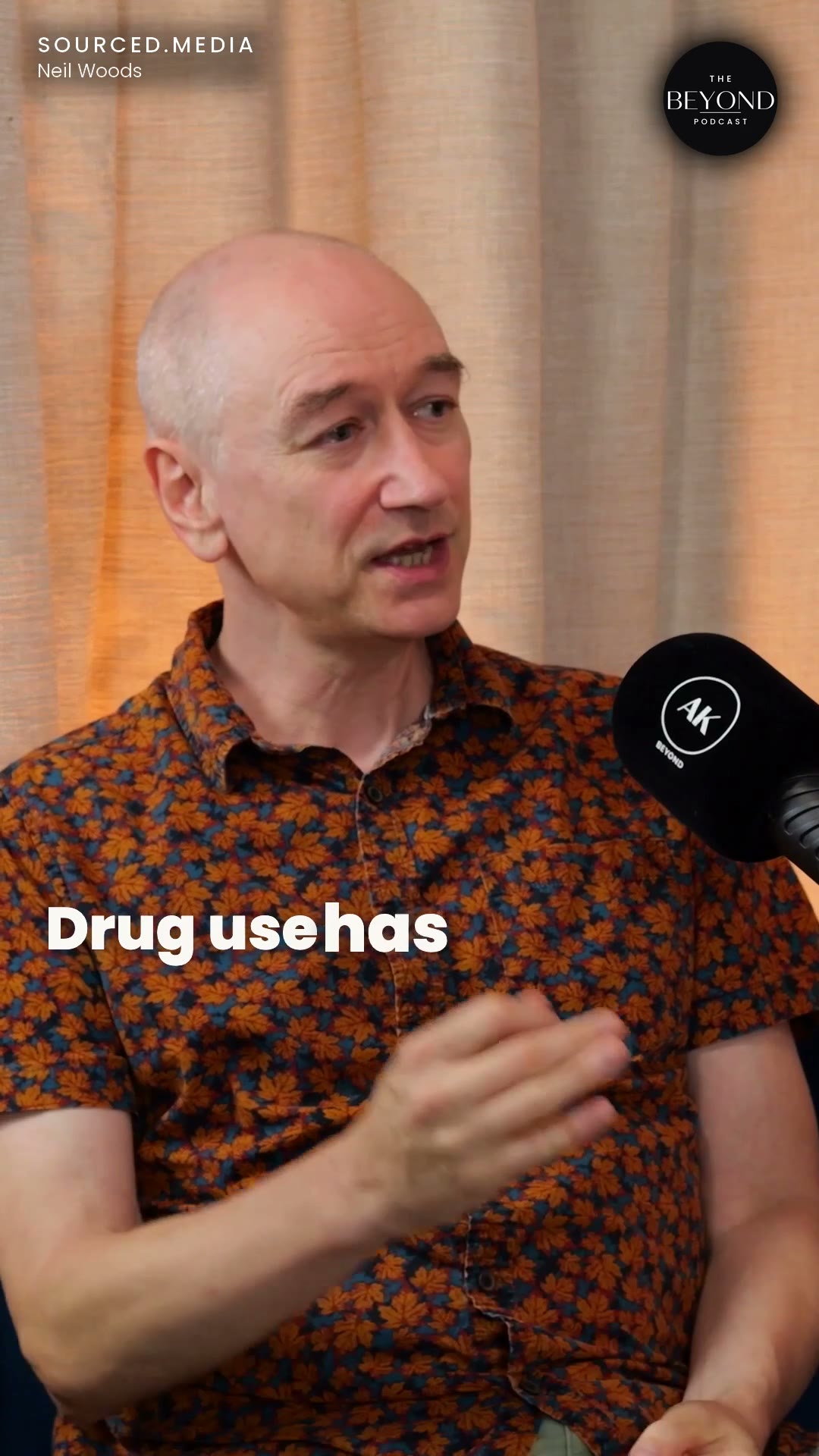 0:41Prohibition has failed spectacularly to achieve the aims which were set out. · Neil Woods, former undercover police officer and author of Good Cop, Bad War
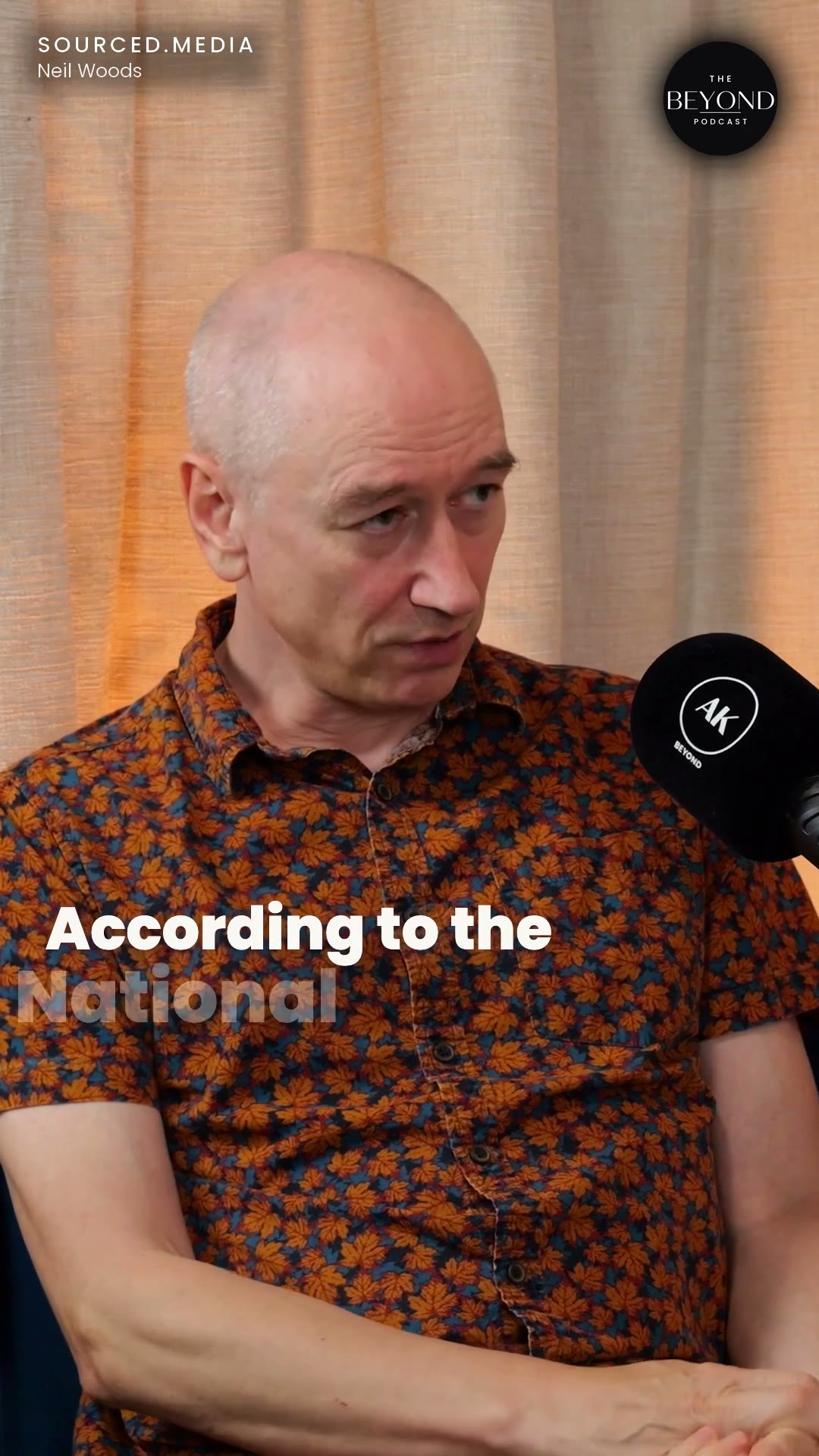 0:32According to the National Crime Agency and many other crime monitoring agencies: Neil Woods, former undercover police officer and author of Good Cop, Bad War
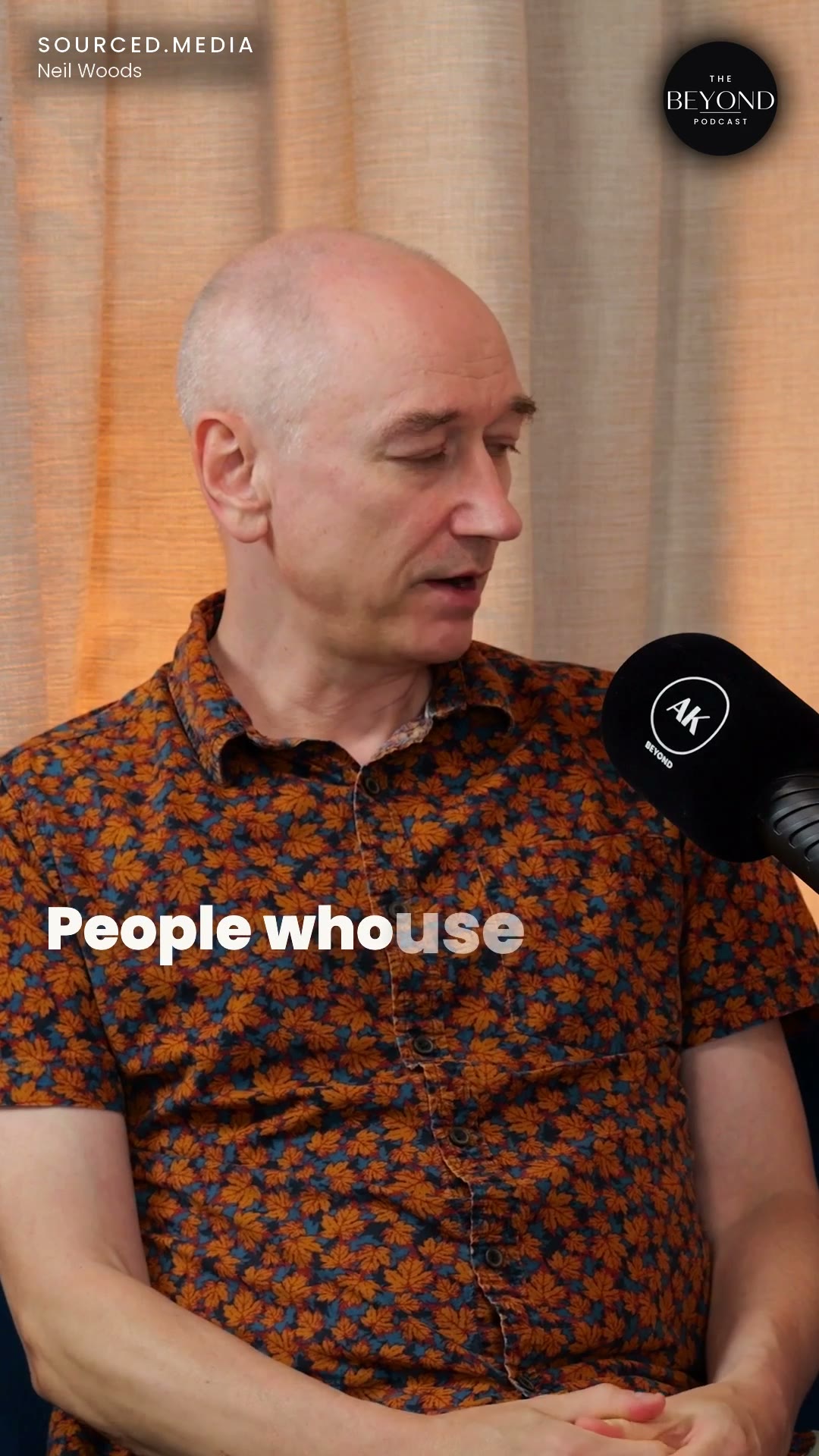 0:25The science does not support that at all. · Neil Woods, former undercover police officer and author of Good Cop, Bad War
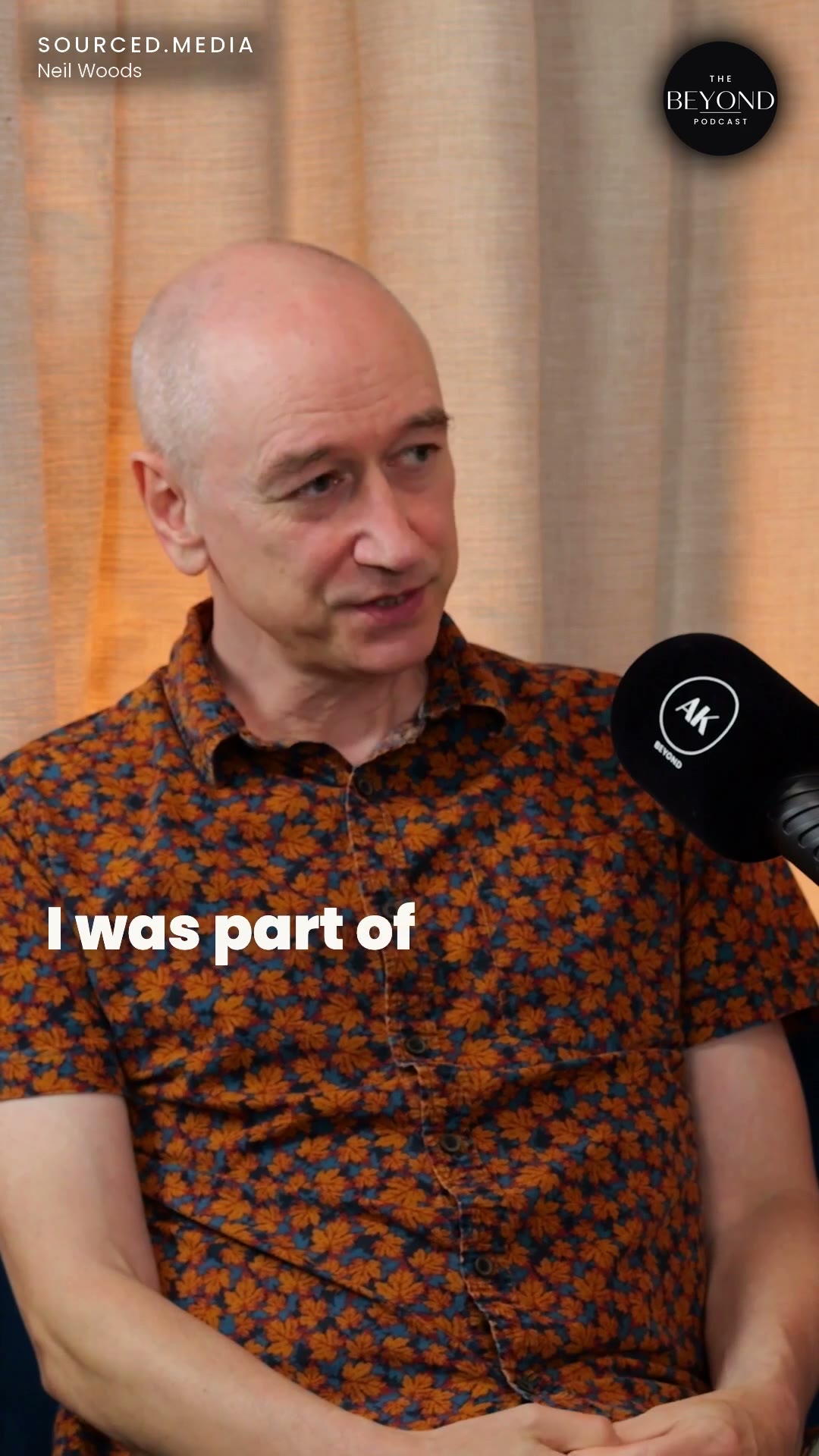 0:36At the time was adjacent to where they have the Goose Fair: Neil Woods, former undercover police officer and author of Good Cop, Bad War
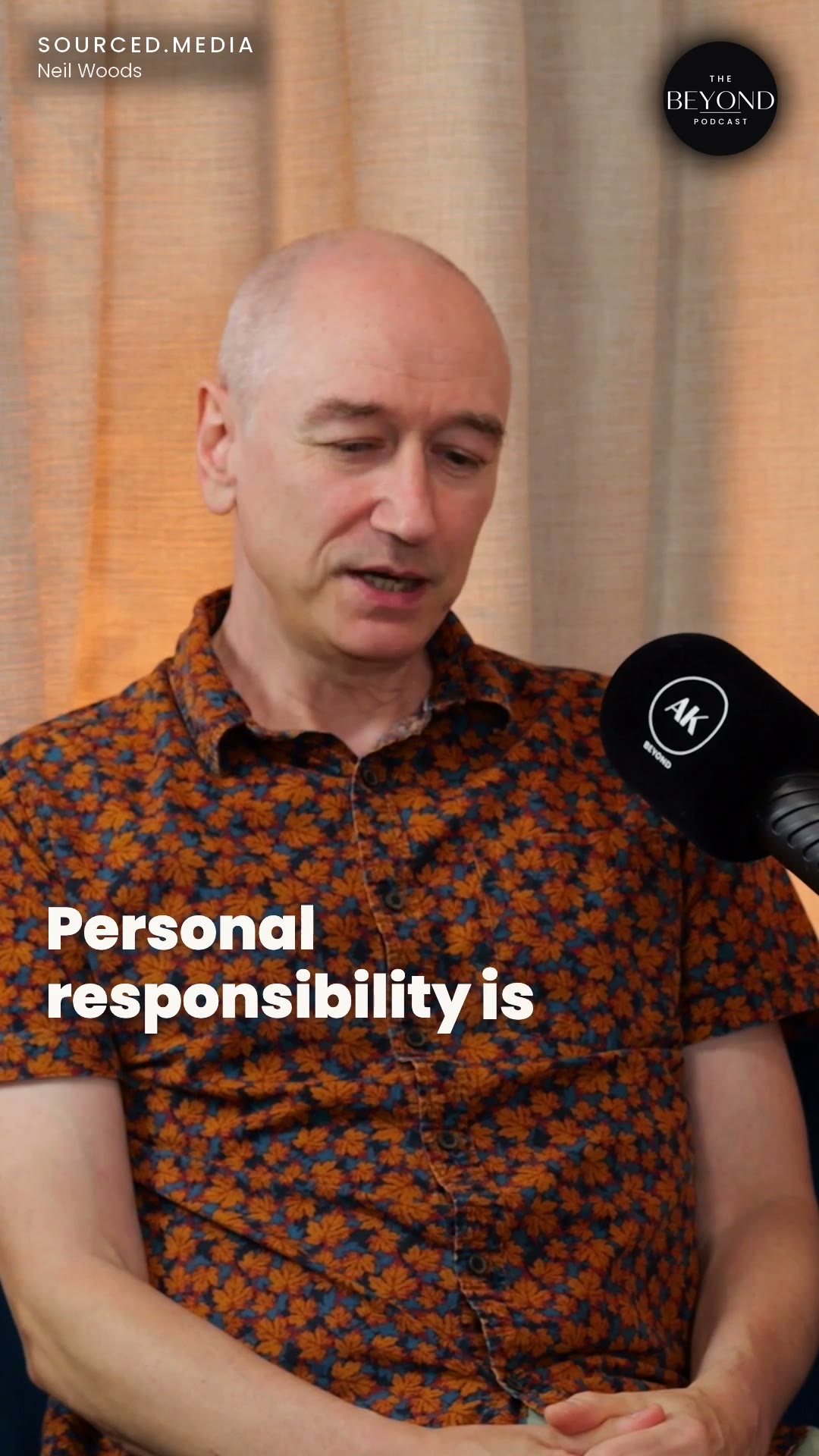 0:27Without the understanding of the reality. · Neil Woods, former undercover police officer and author of Good Cop, Bad War
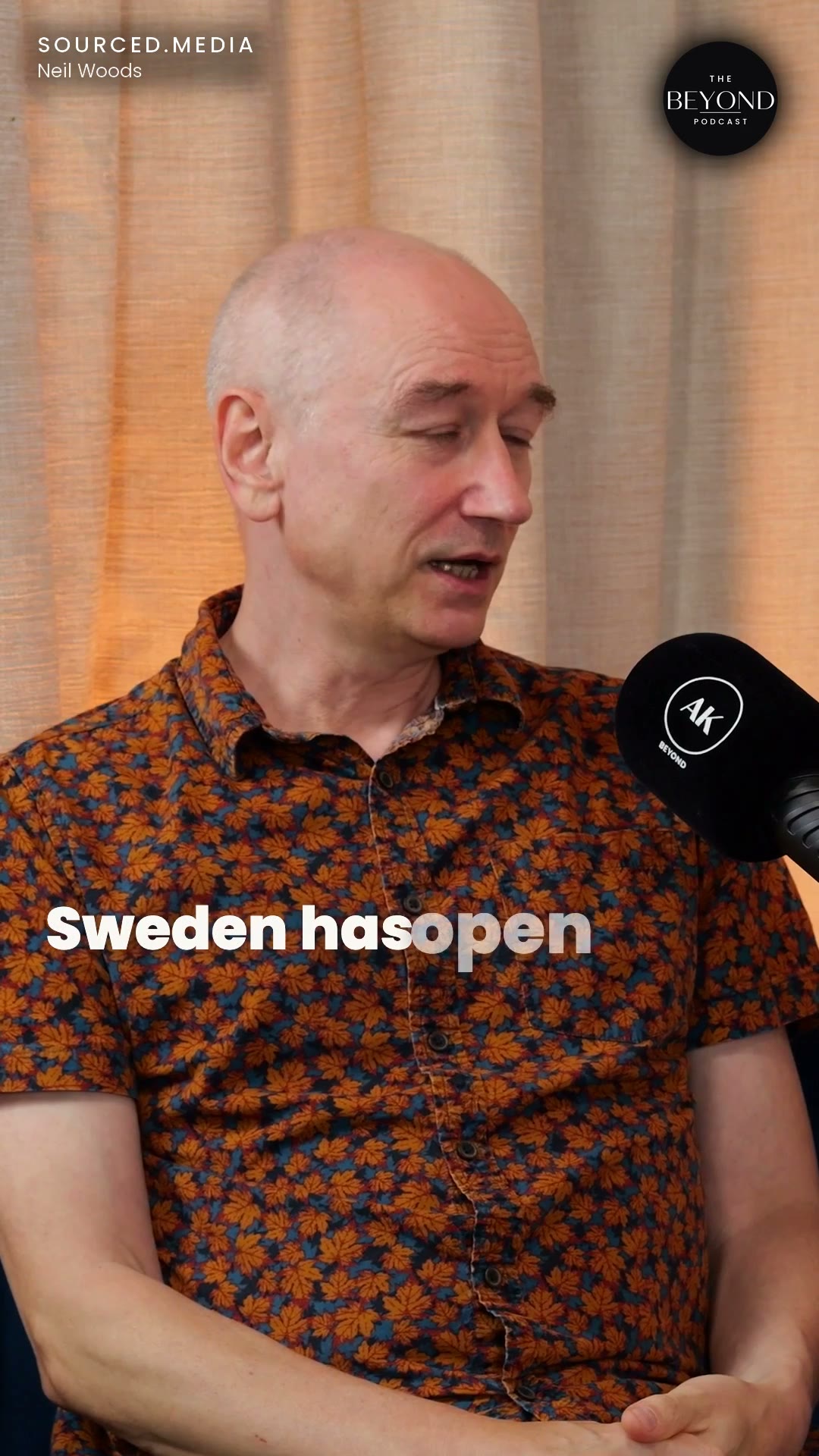 0:37Police never reduce the size of the market: Neil Woods, former undercover police officer and author of Good Cop, Bad War
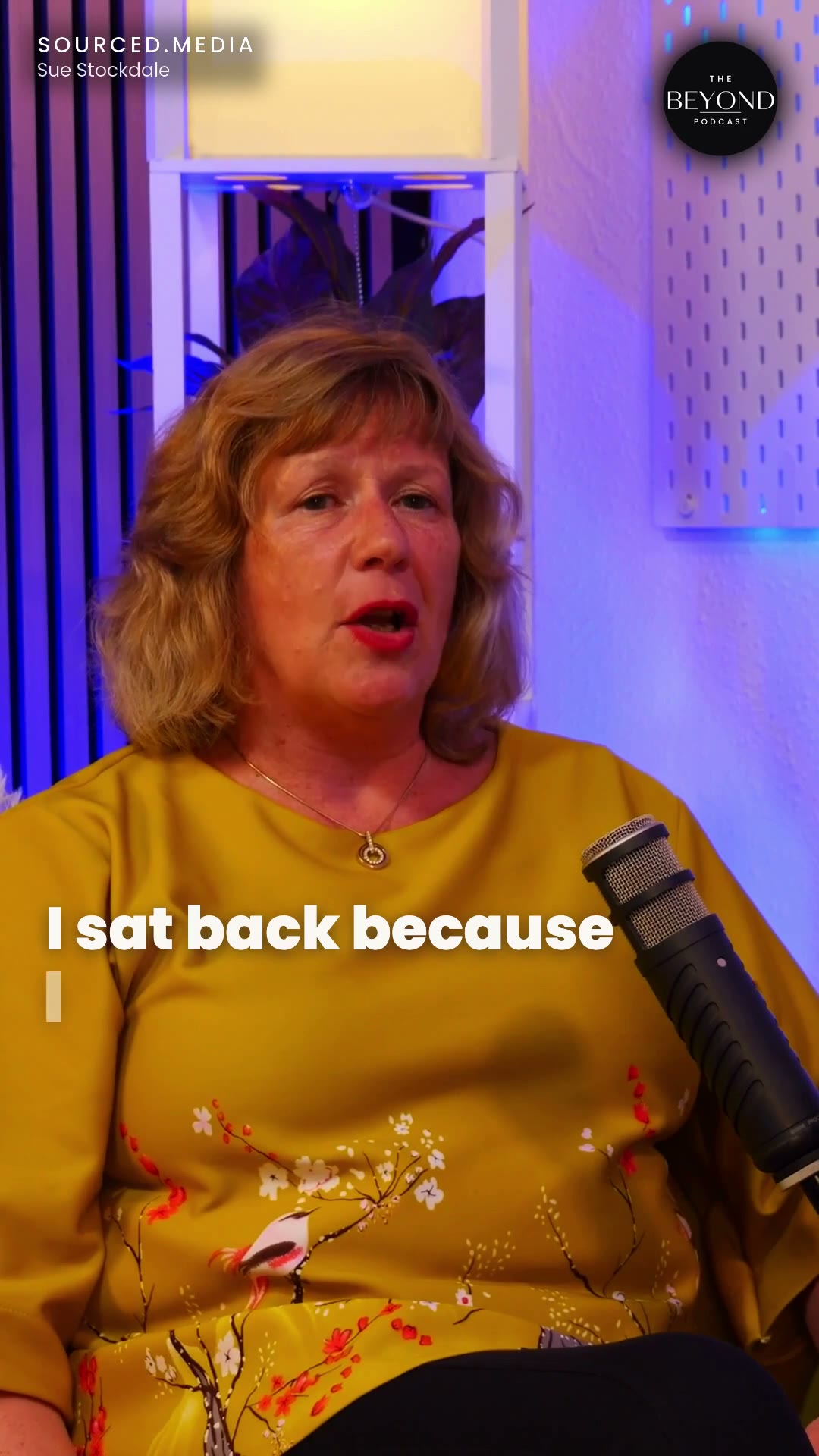 0:40I said to myself: Sue Stockdale, polar explorer, author and coach
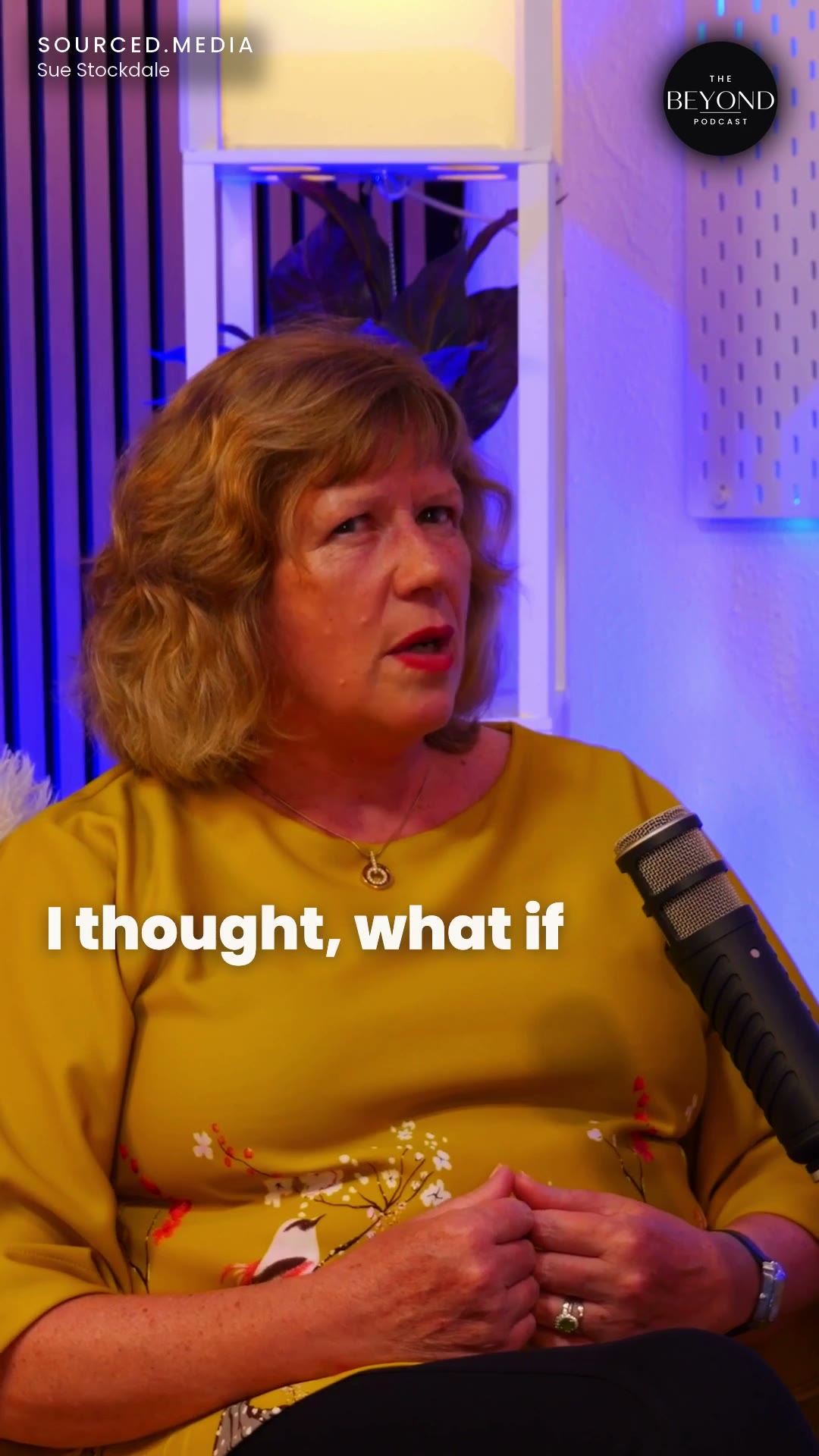 0:31To get to their North Pole in life and in work? · Sue Stockdale, polar explorer, author and coach
Group photos
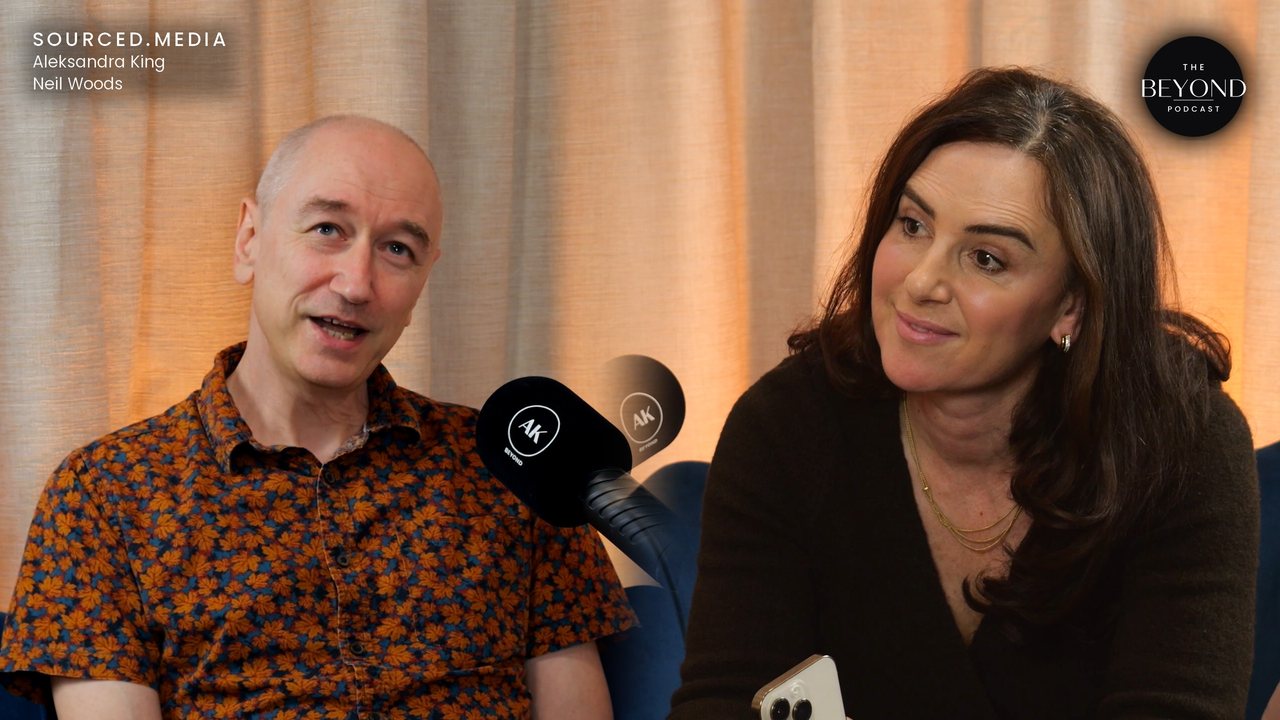
See all 15 group photos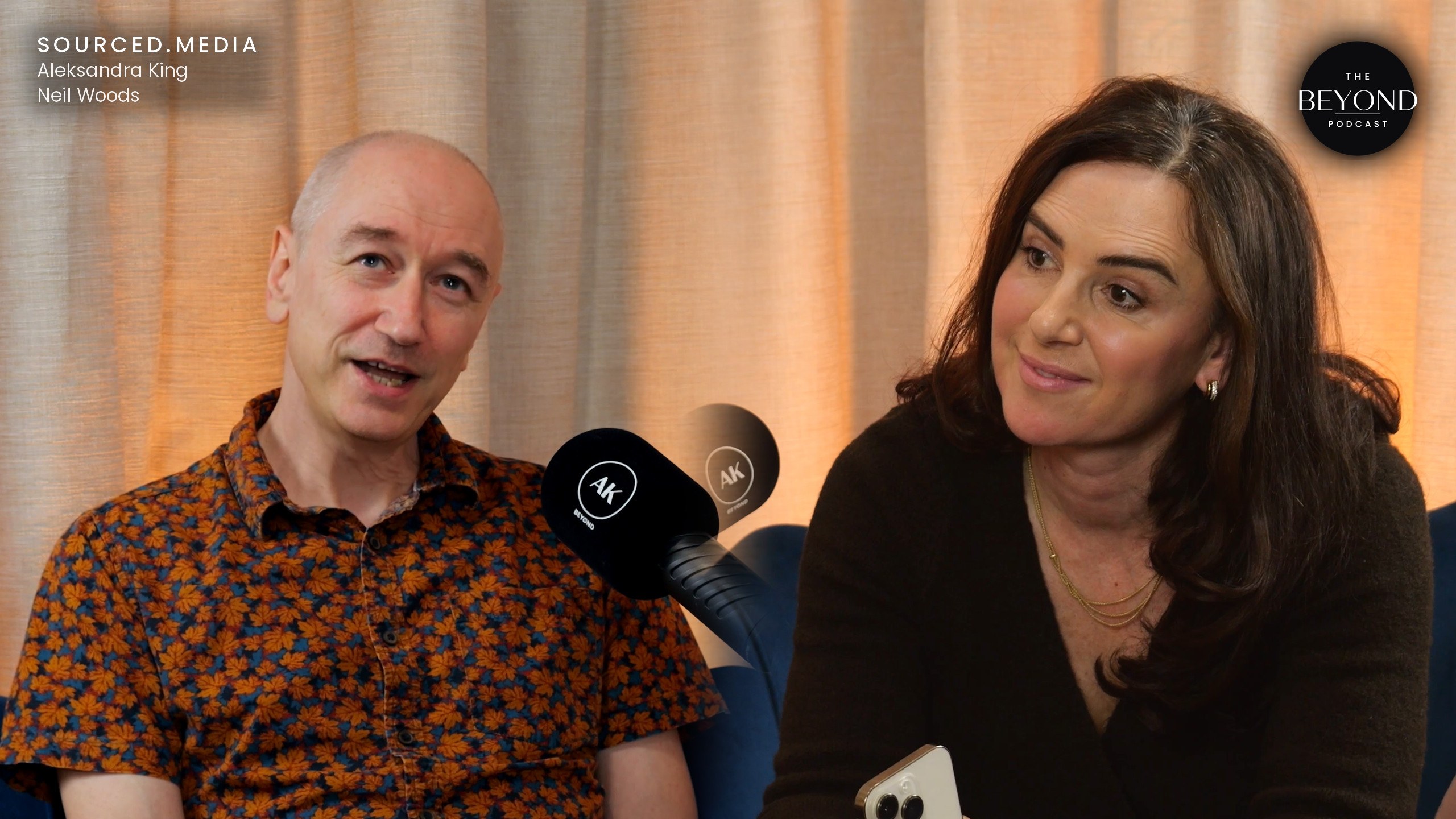 Neil Woods and Aleksandra King on The BEYOND Podcast
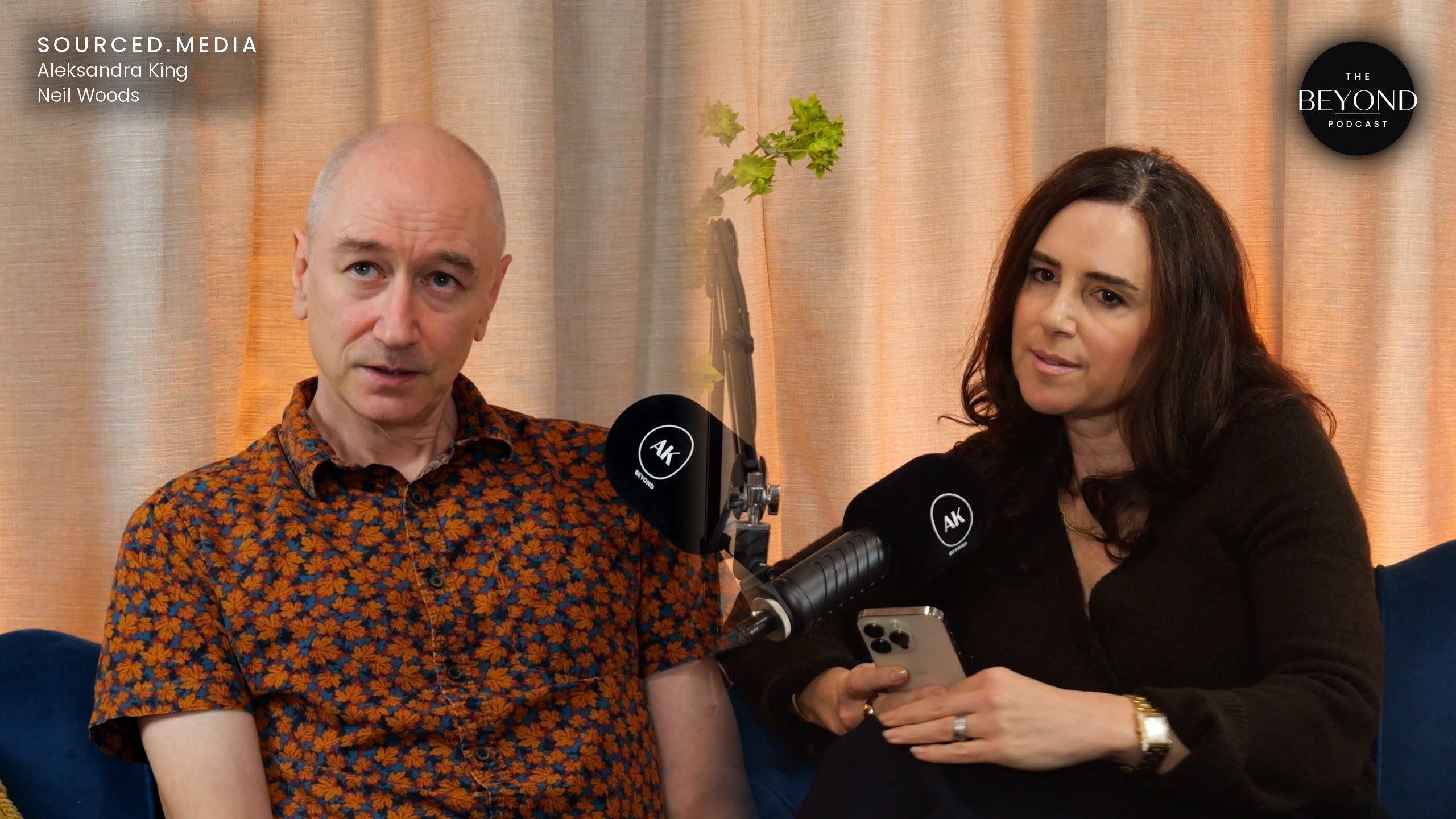 Neil Woods and Aleksandra King on The BEYOND Podcast
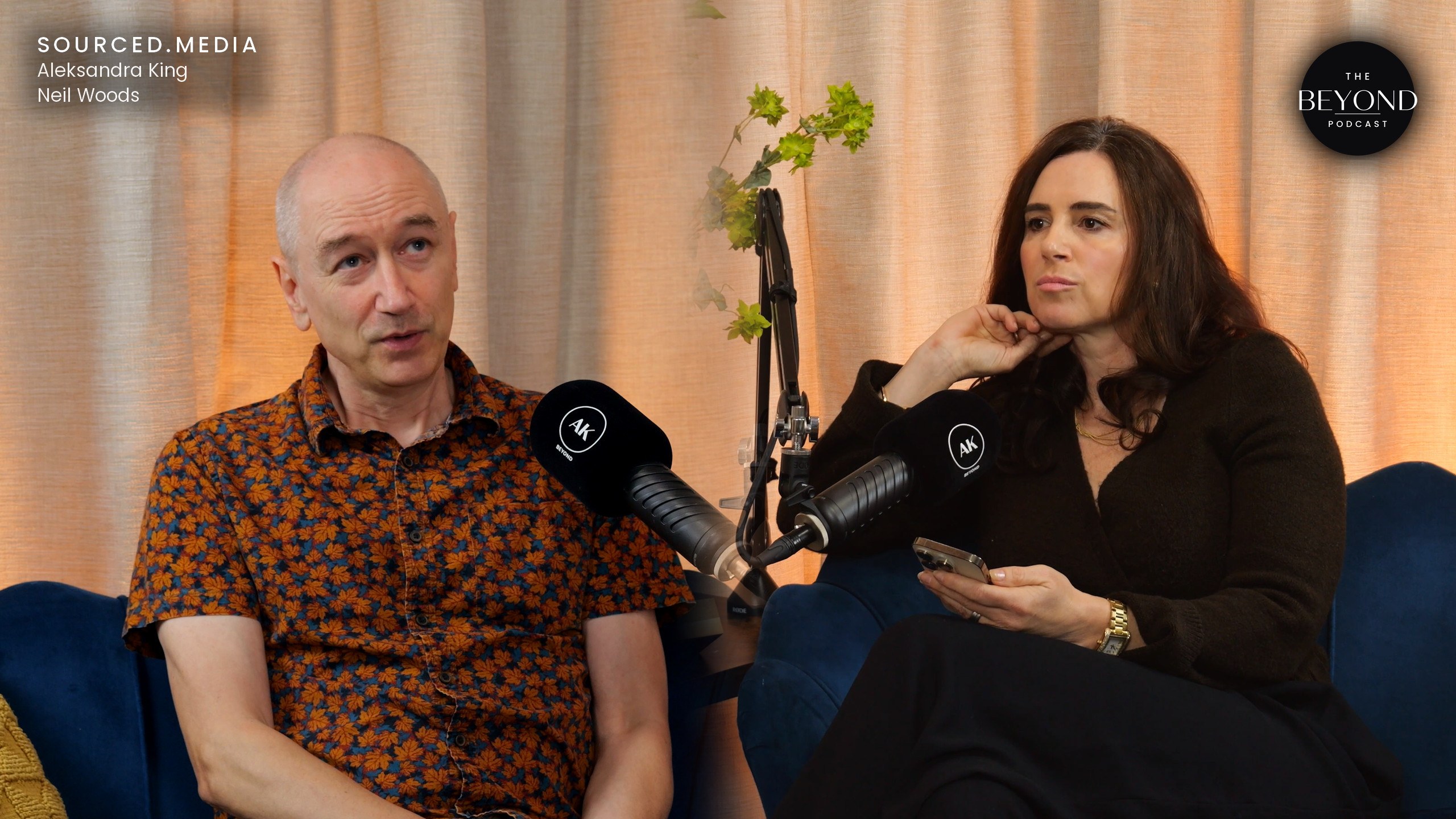 Neil Woods and Aleksandra King on The BEYOND Podcast
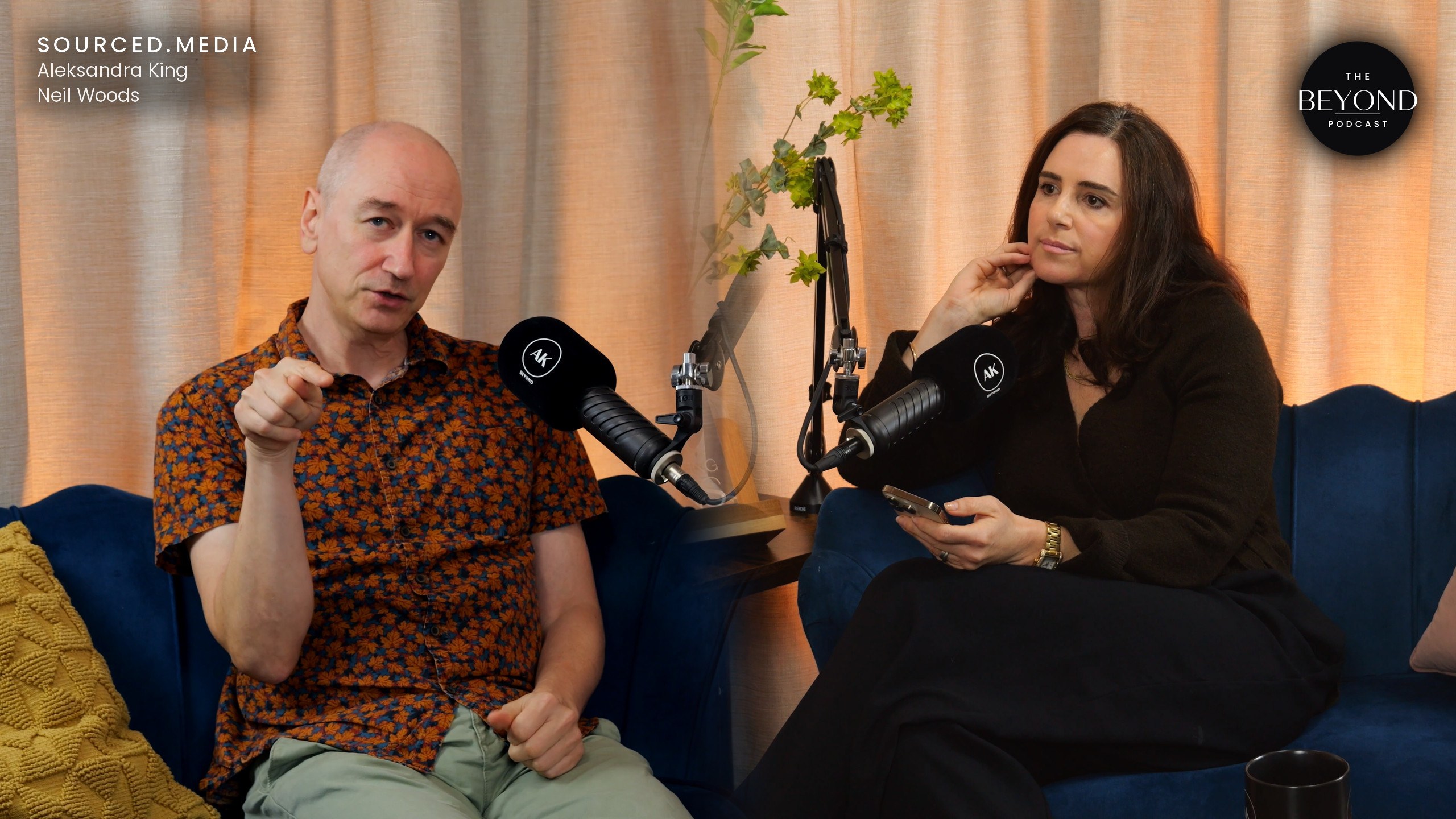 Neil Woods and Aleksandra King on The BEYOND Podcast
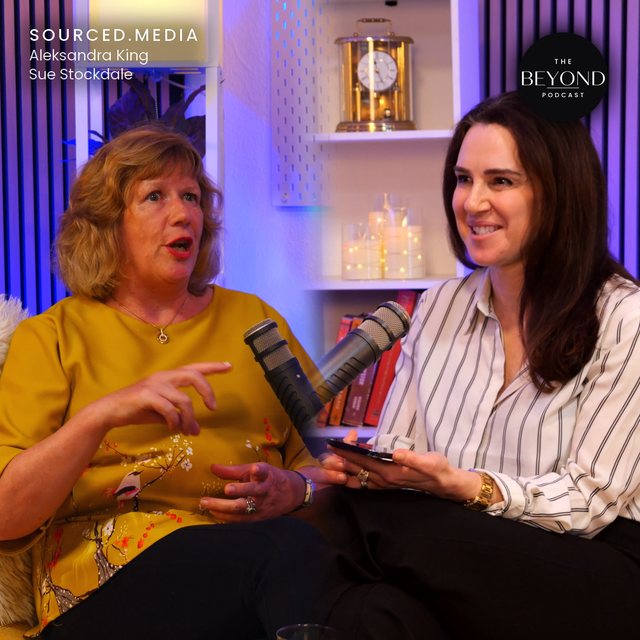
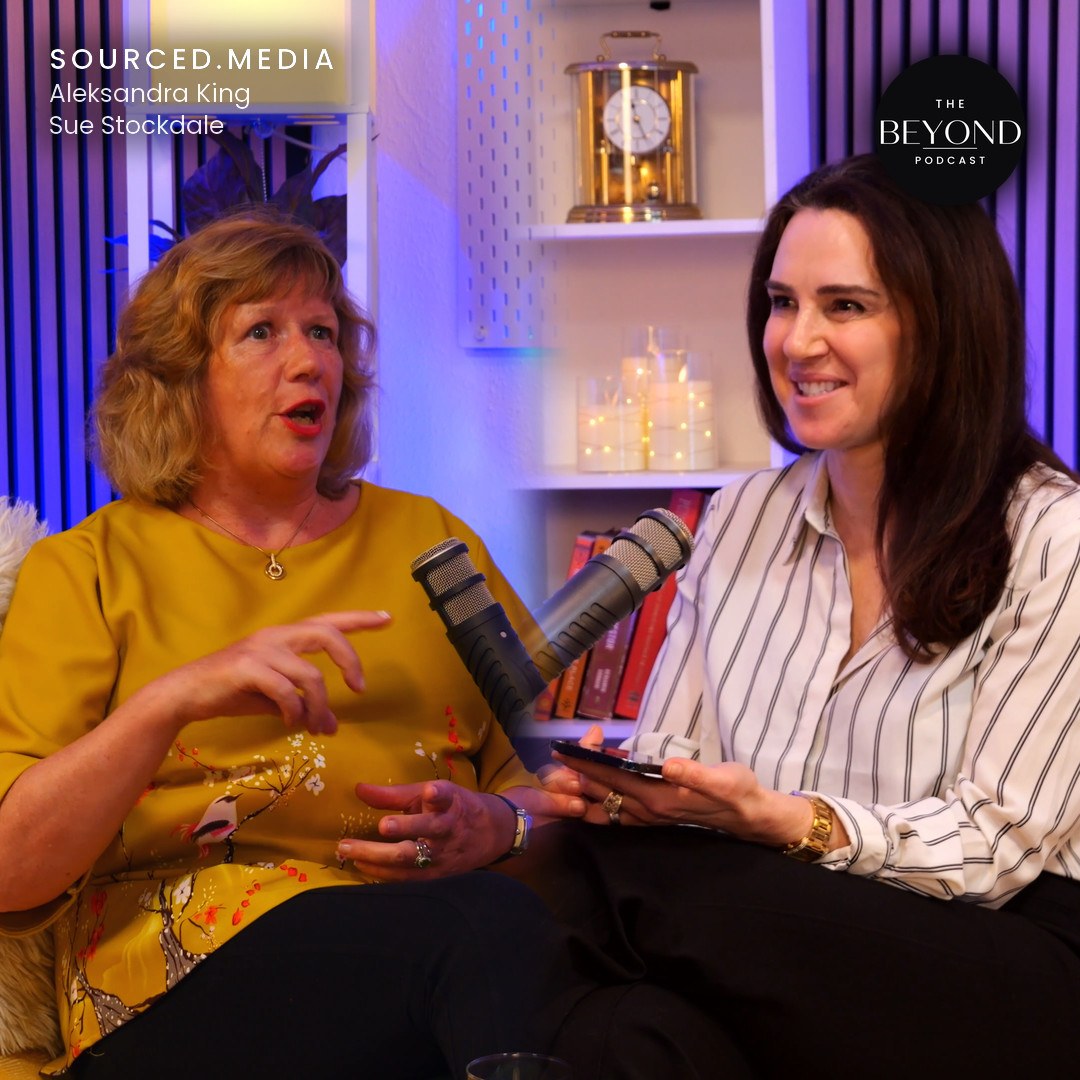 Sue Stockdale and Aleksandra King on The BEYOND Podcast
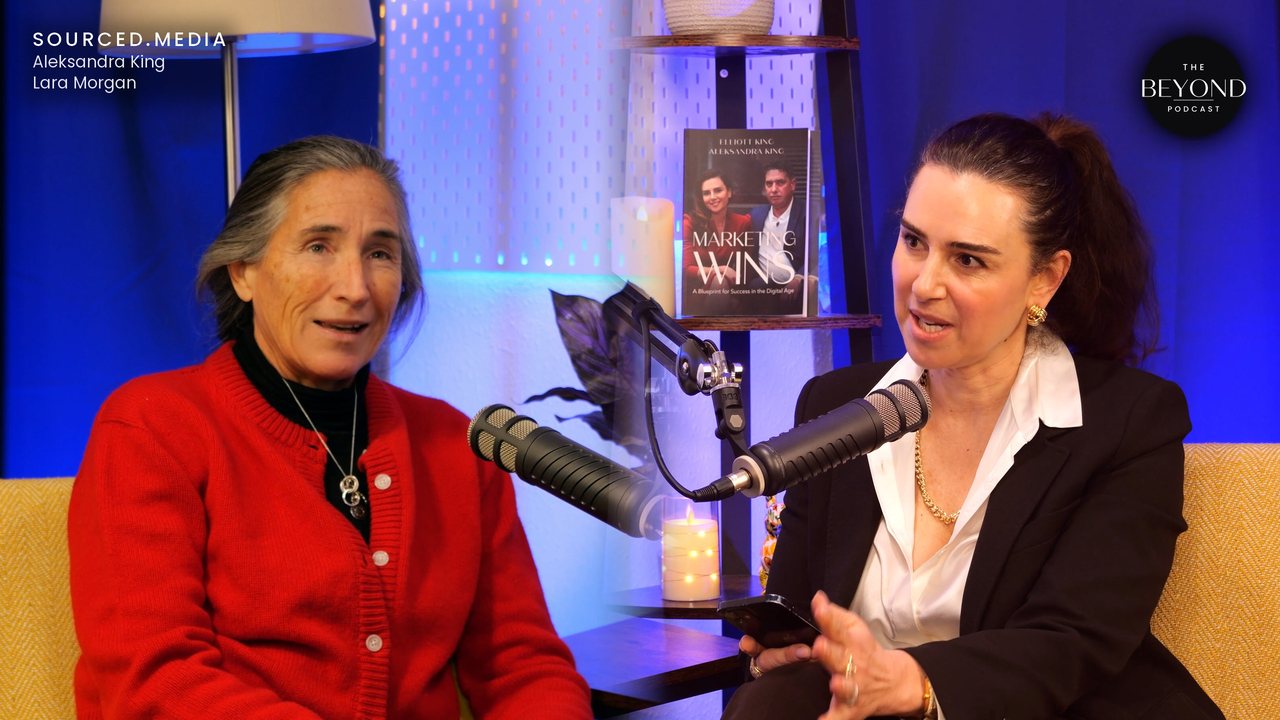
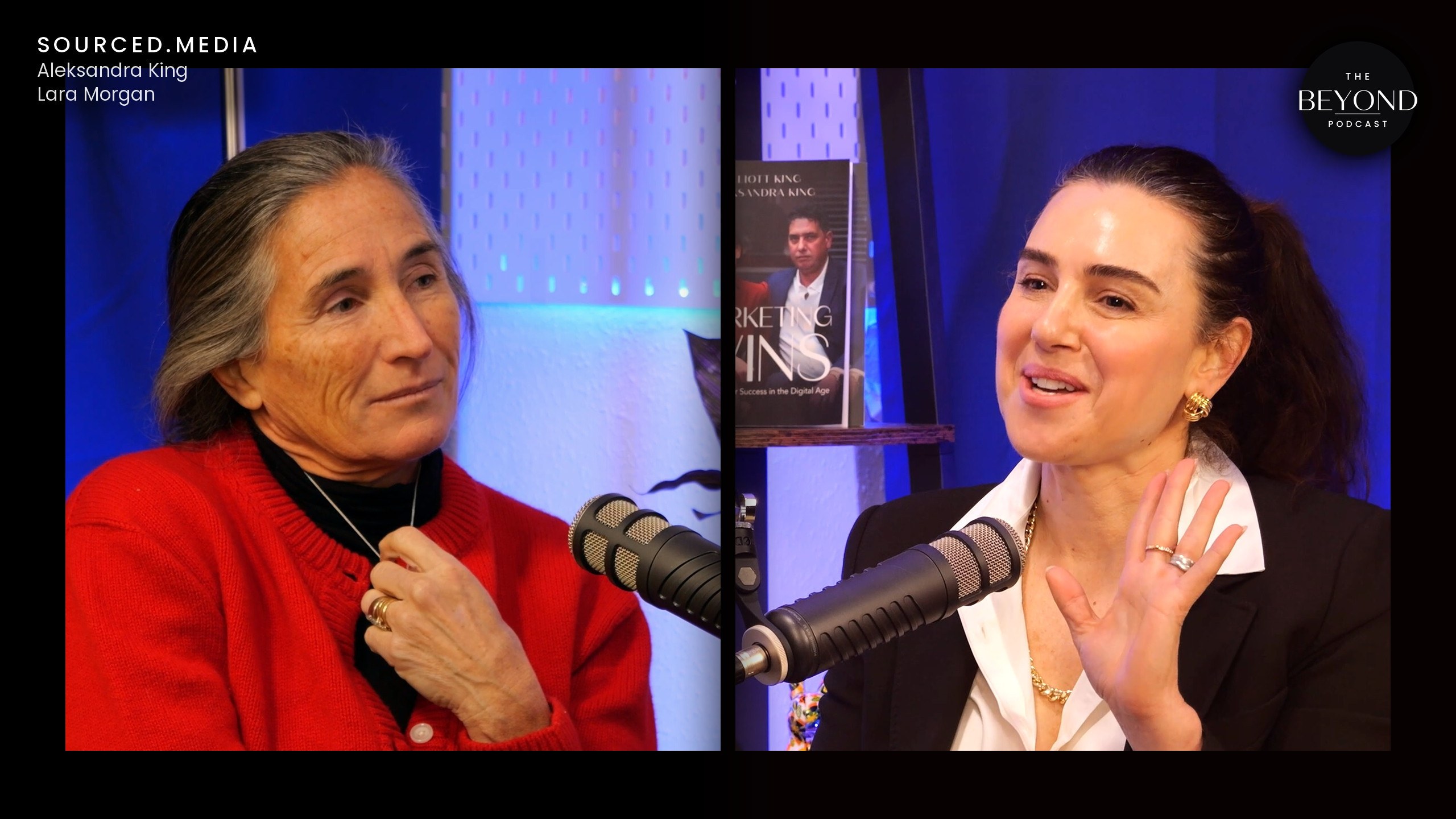 Lara Morgan and Aleksandra King on The BEYOND Podcast
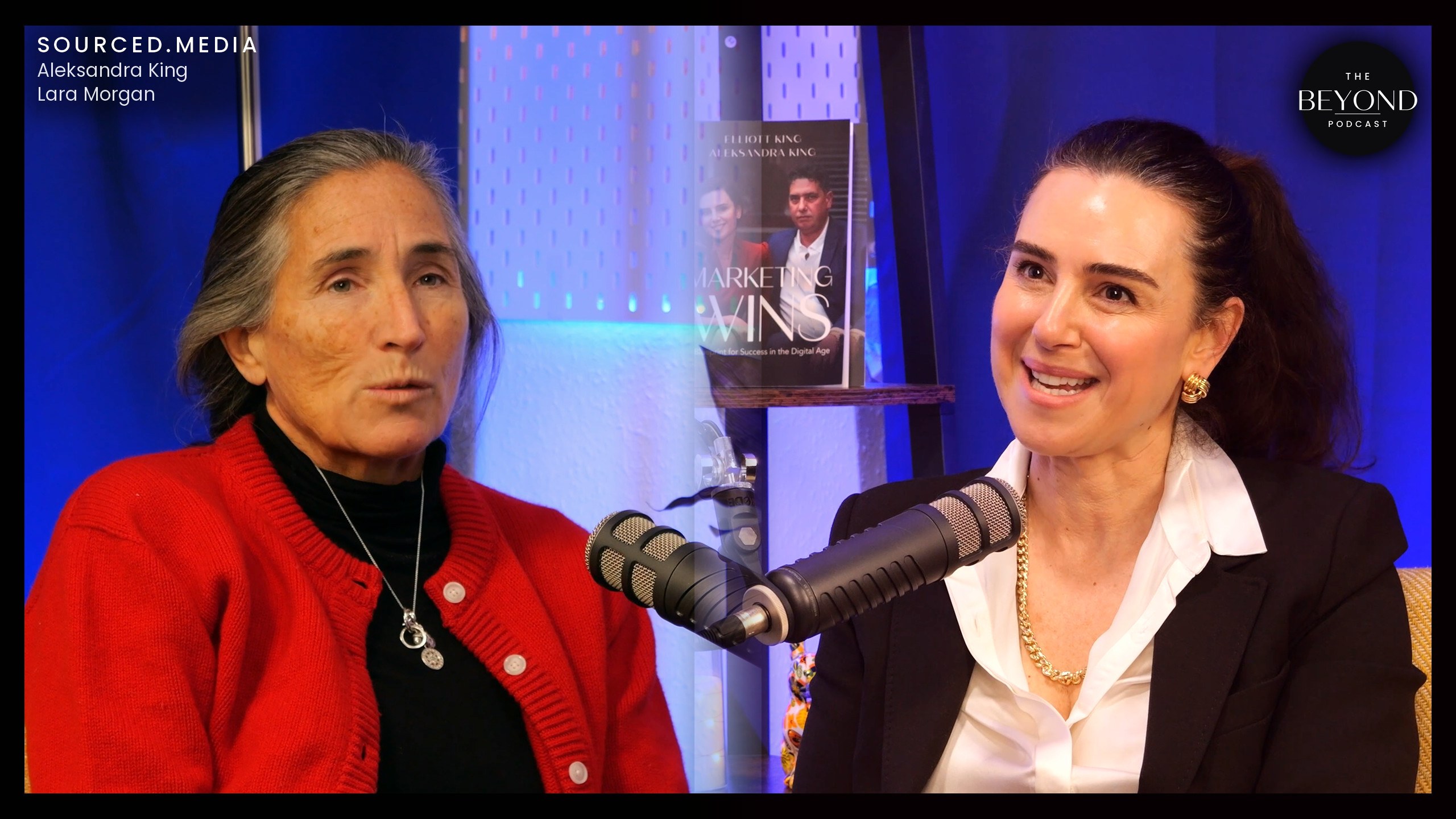 Lara Morgan and Aleksandra King on The BEYOND Podcast
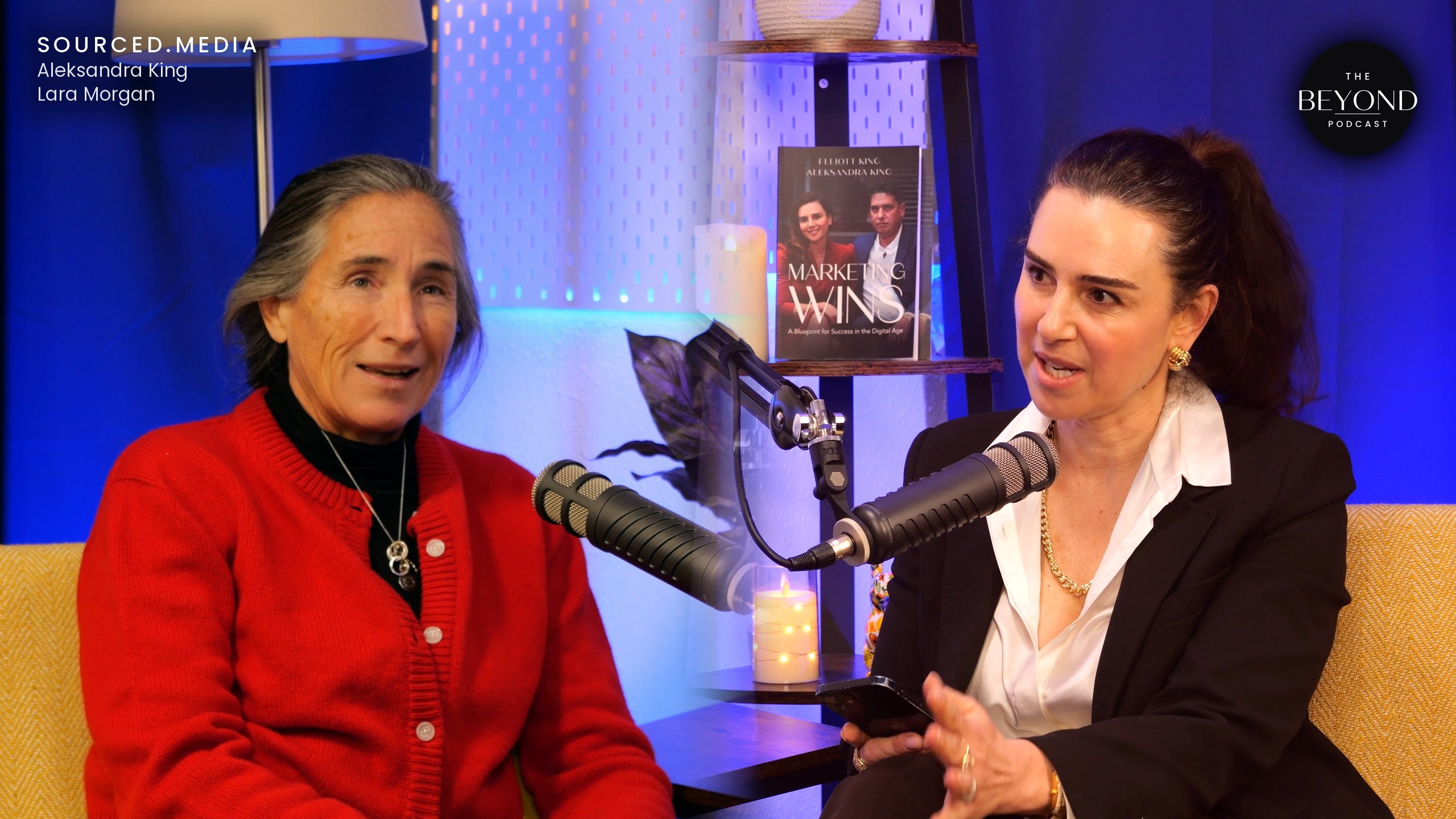 Lara Morgan and Aleksandra King on The BEYOND Podcast
Videos
See all 6 videos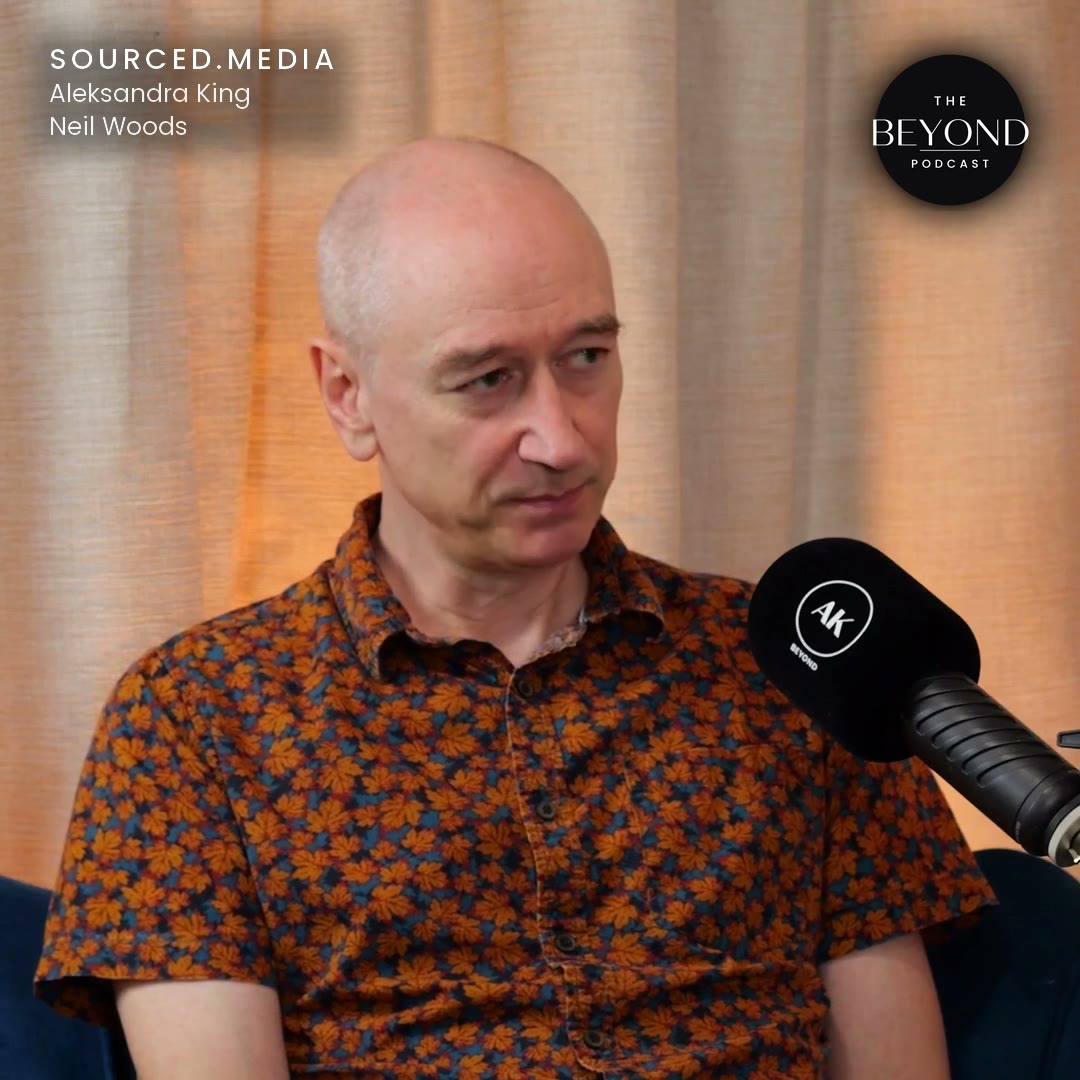 13:02The synopsis: Neil Woods and Aleksandra King on The BEYOND Podcast
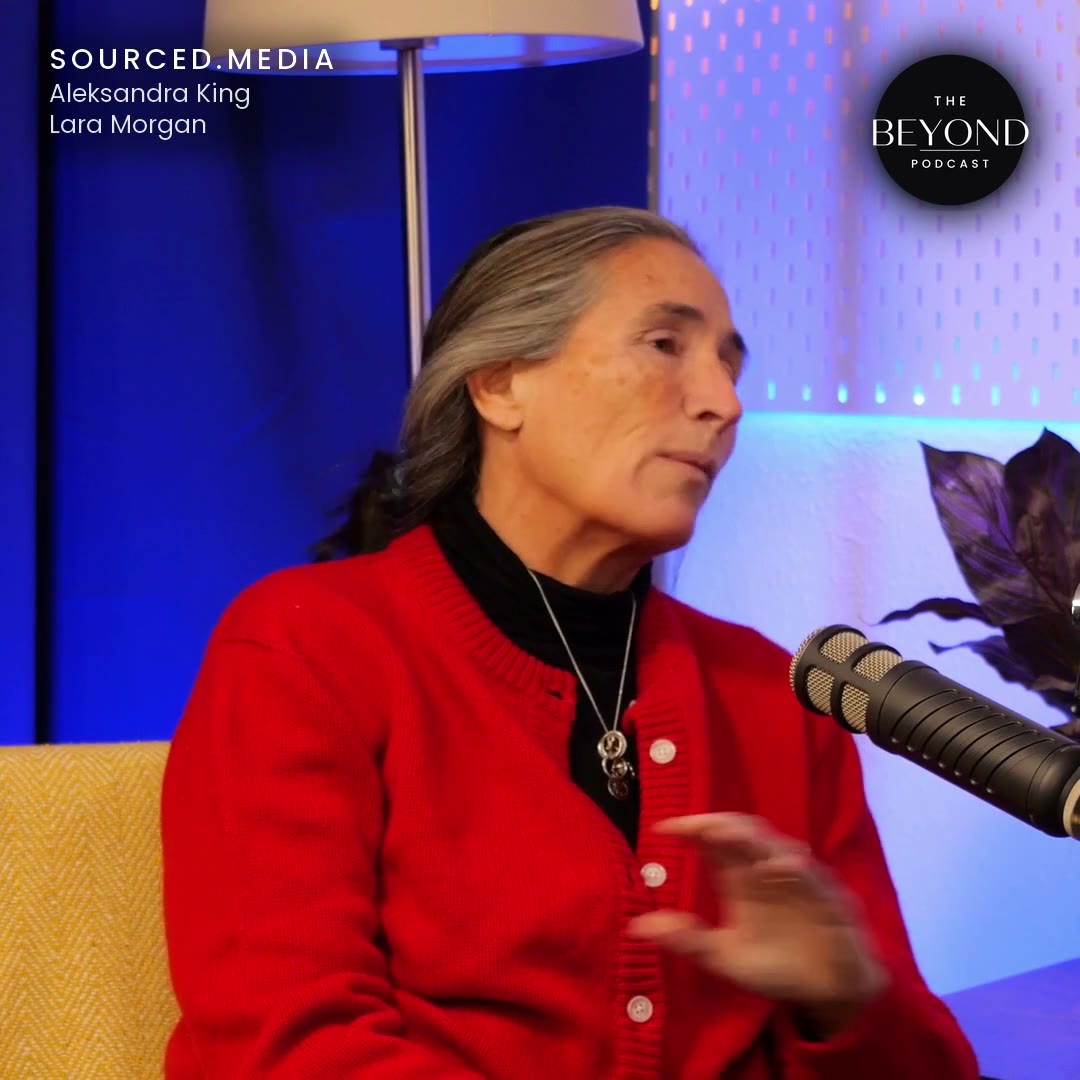 13:55The synopsis: Lara Morgan and Aleksandra King on The BEYOND Podcast
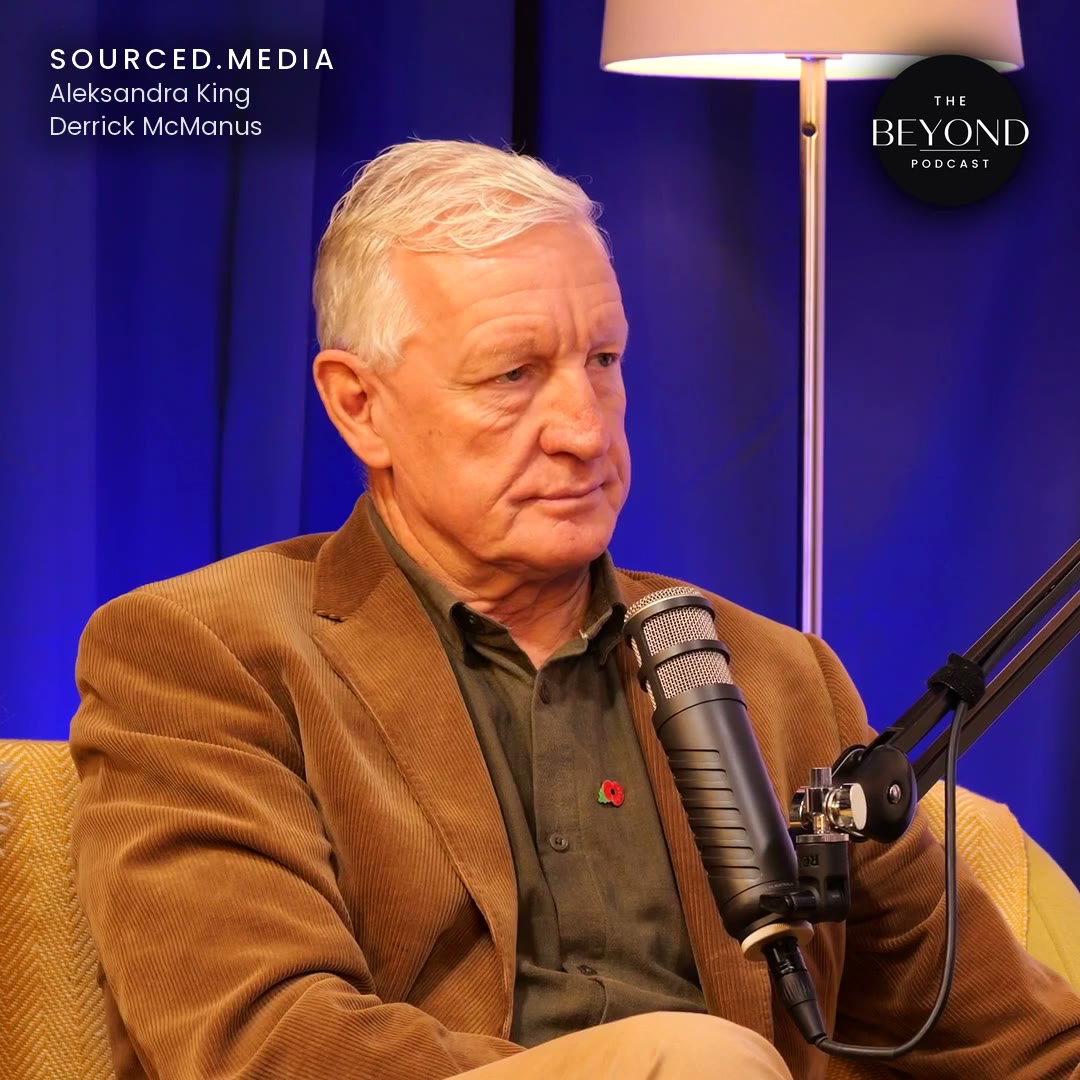 14:53The synopsis: Derrick McManus and Aleksandra King on The BEYOND Podcast
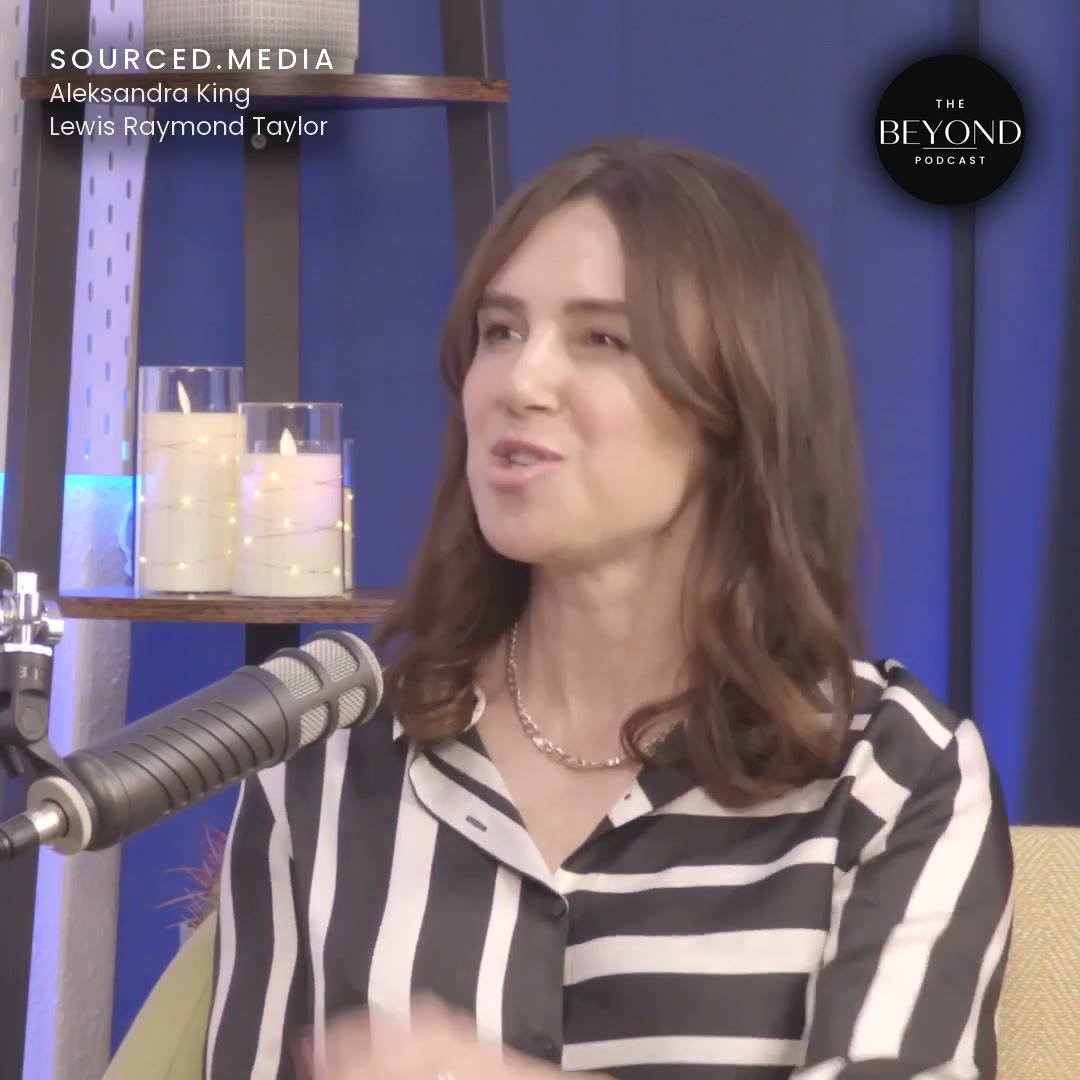 9:07The synopsis: Lewis Raymond Taylor and Aleksandra King on The BEYOND Podcast
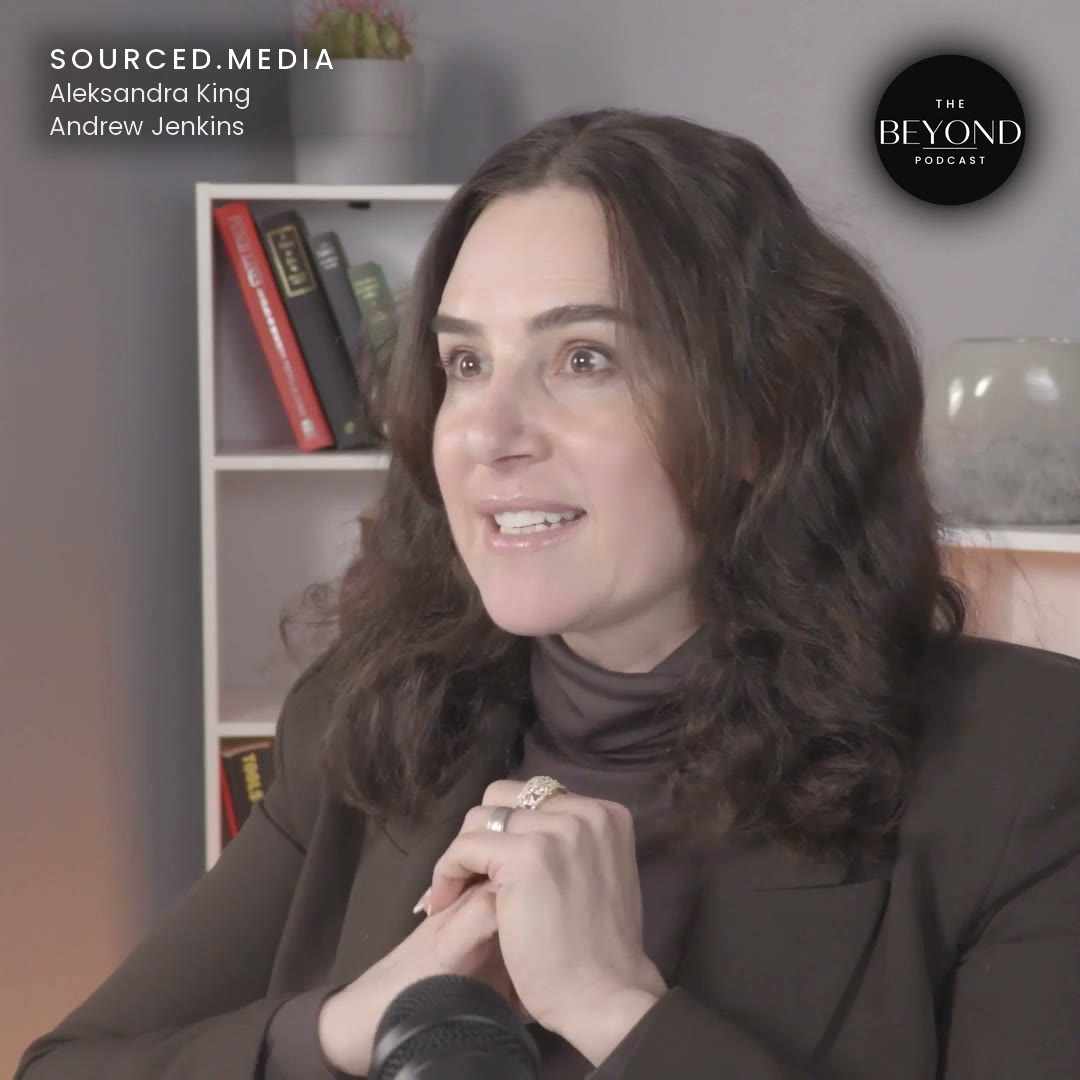 12:59The synopsis: Andrew Jenkins and Aleksandra King on The BEYOND Podcast
 6:23The synopsis: Robin Dunbar and Aleksandra King on The BEYOND Podcast
Quote images
See all 38 quote images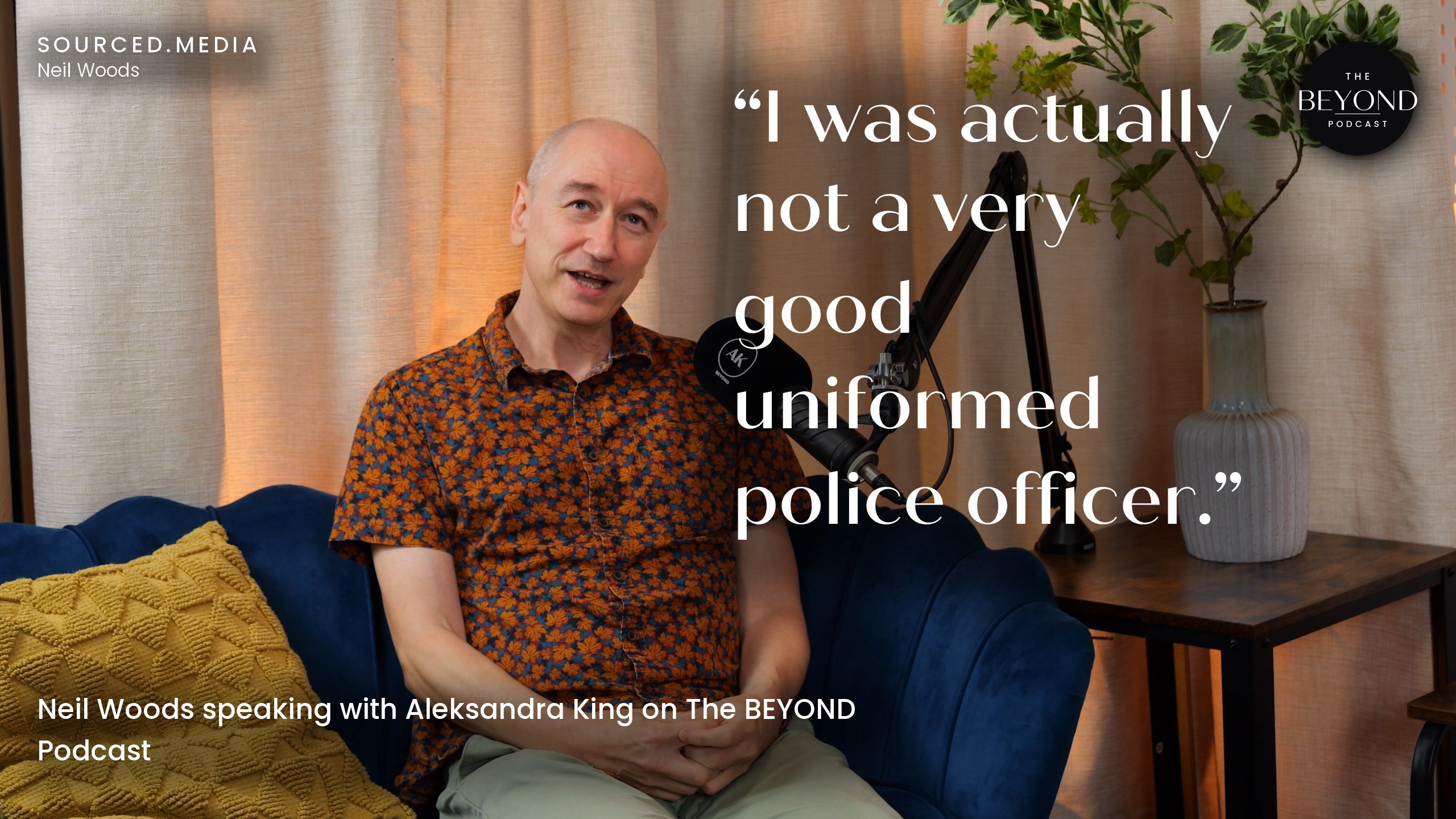 “I was actually not a very good uniformed police officer.” Neil Woods, former undercover police officer and author of Good Cop, Bad War
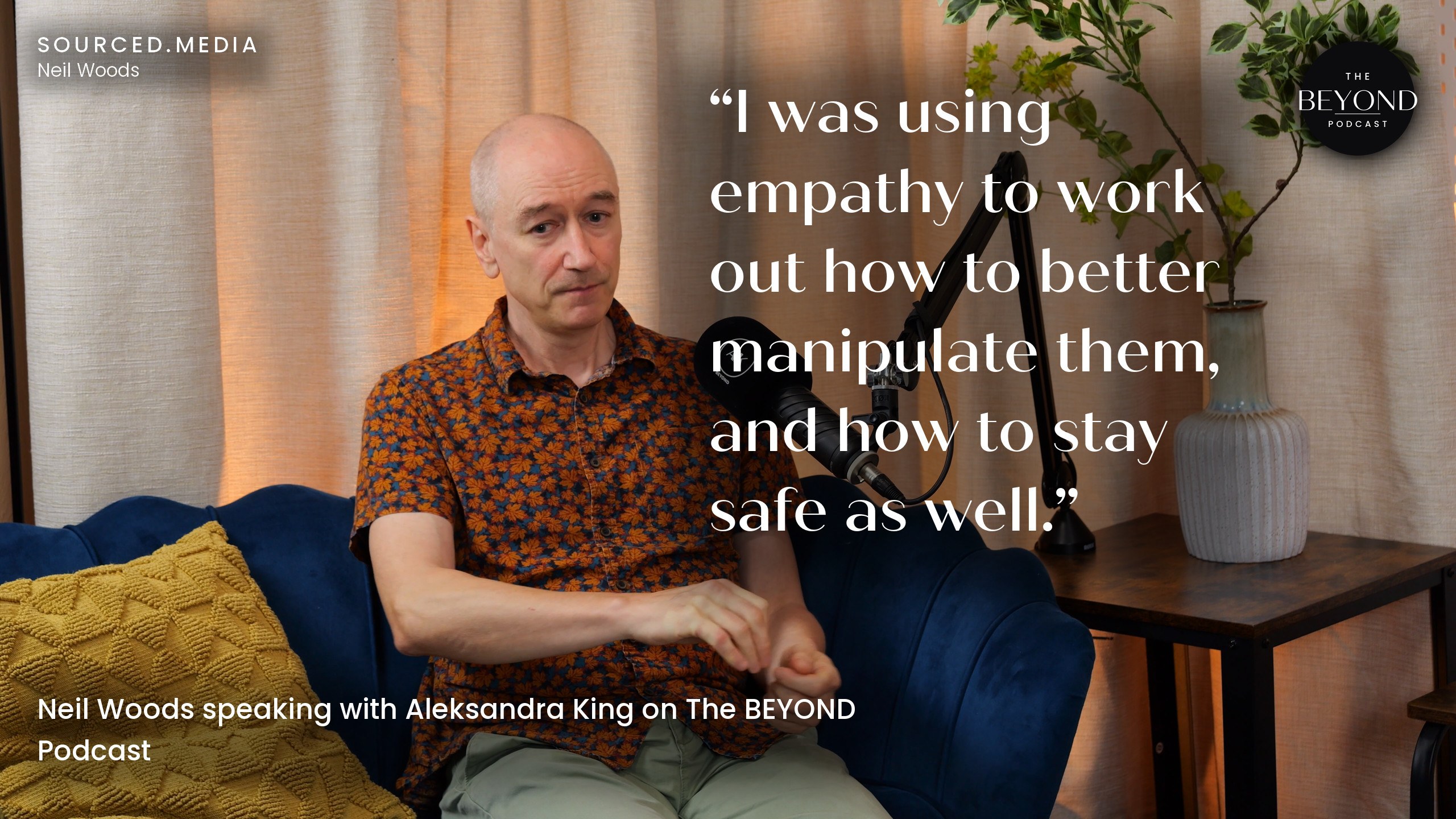 “I was using empathy to work out how to better manipulate them, and how to stay safe as well.” Neil Woods, former undercover police officer and author of Good Cop, Bad War
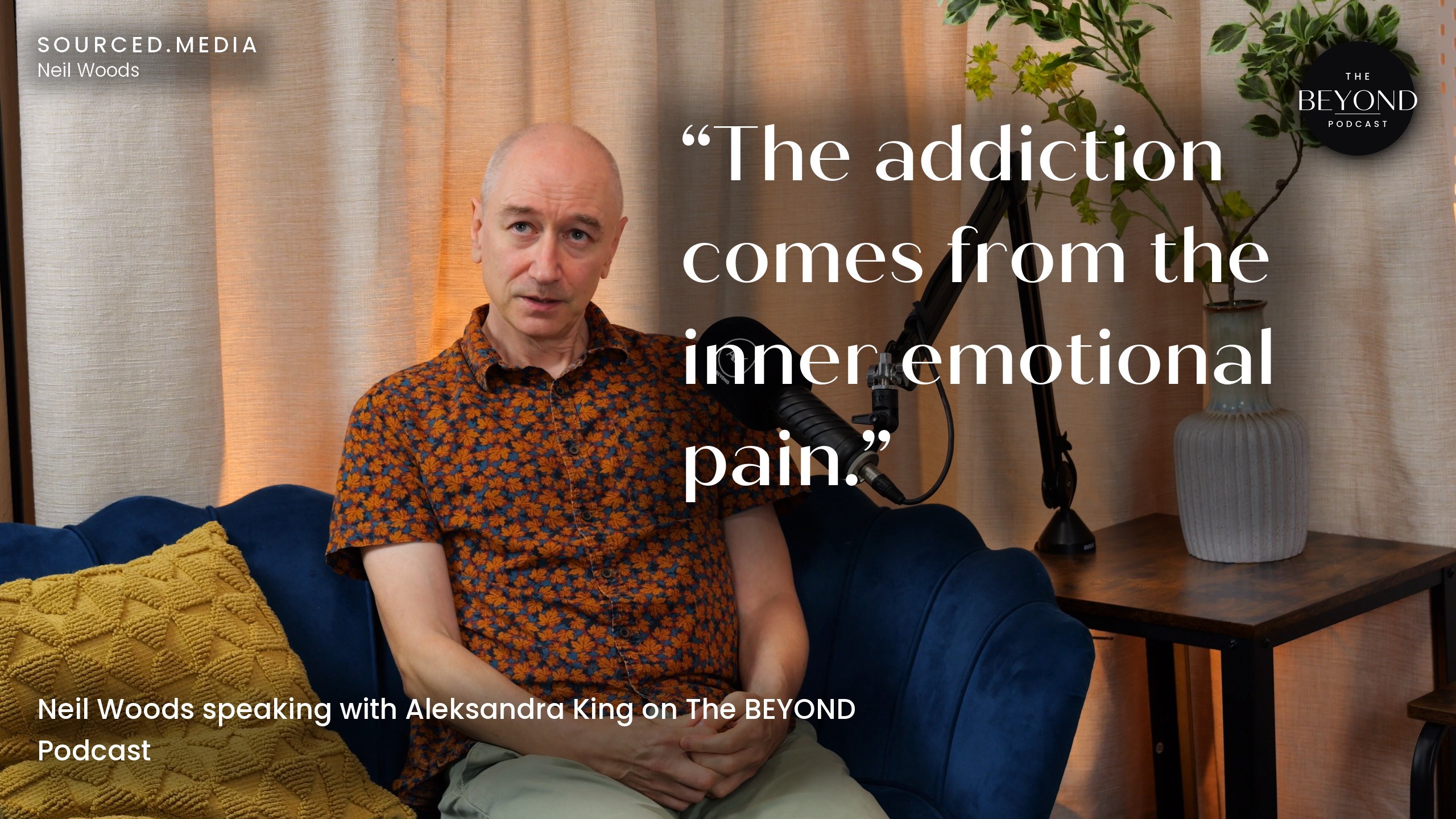 “The addiction comes from the inner emotional pain.” Neil Woods, former undercover police officer and author of Good Cop, Bad War
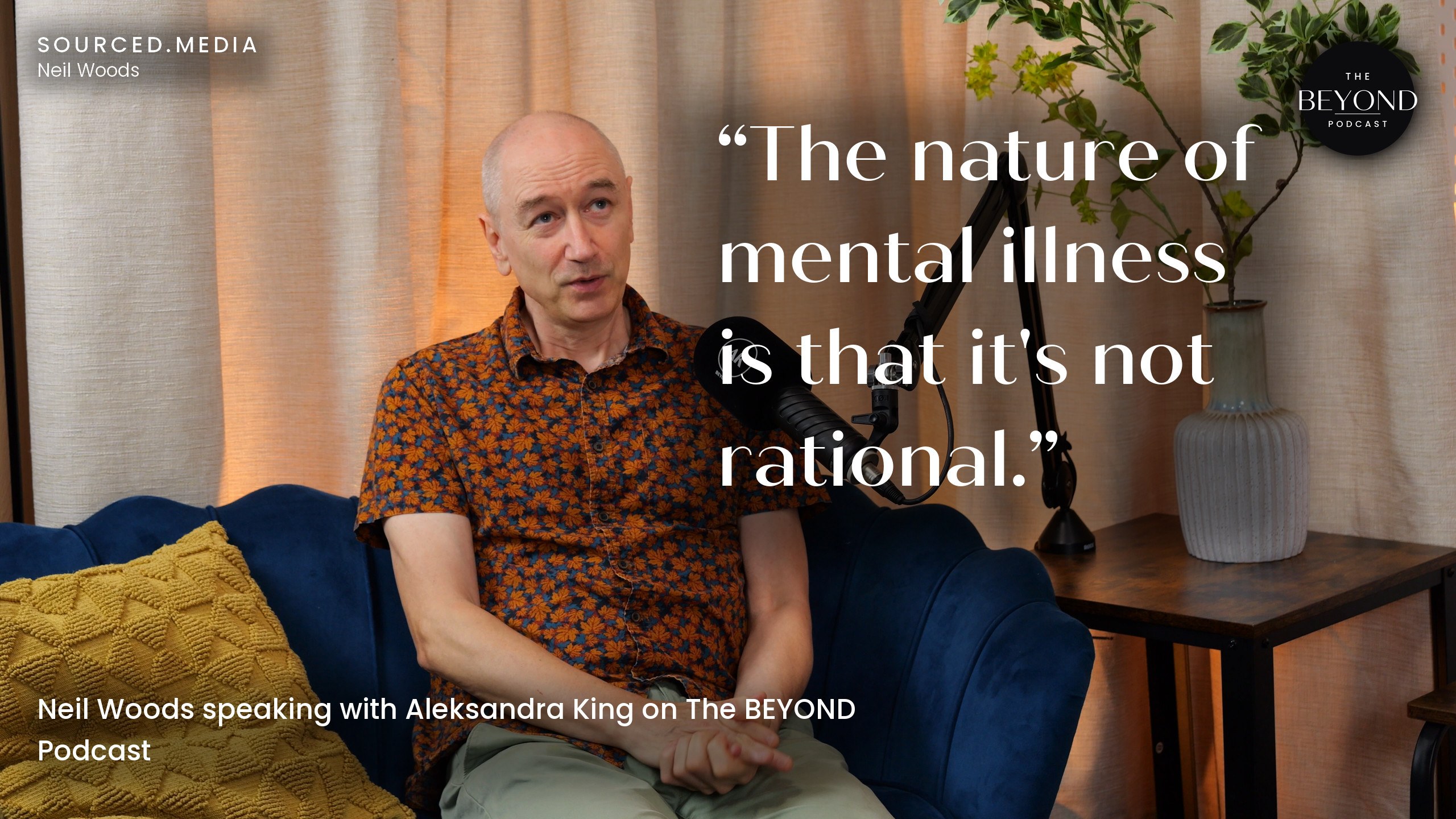 “The nature of mental illness is that it's not rational.” Neil Woods, former undercover police officer and author of Good Cop, Bad War
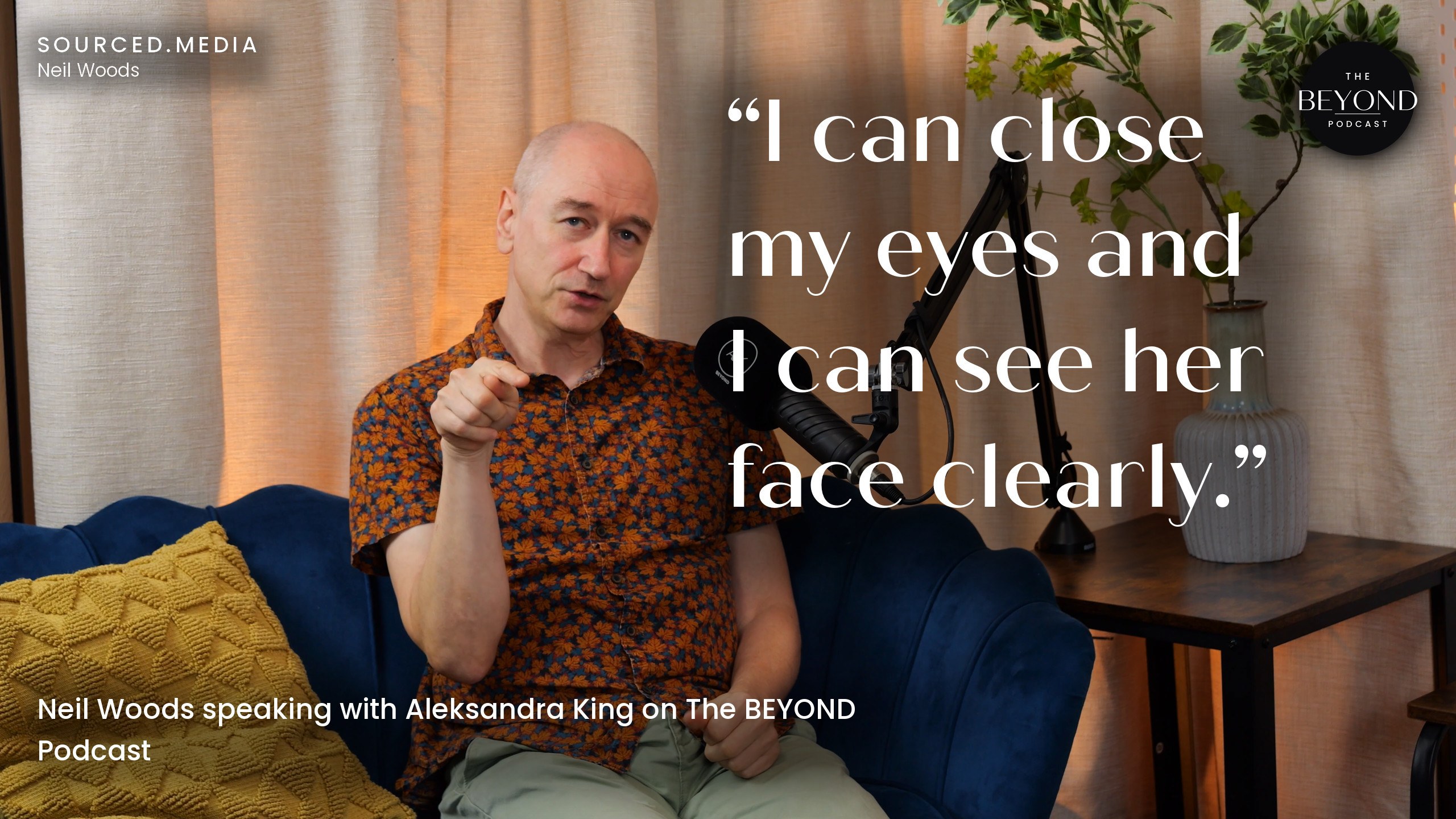 “I can close my eyes and I can see her face clearly.” Neil Woods, former undercover police officer and author of Good Cop, Bad War
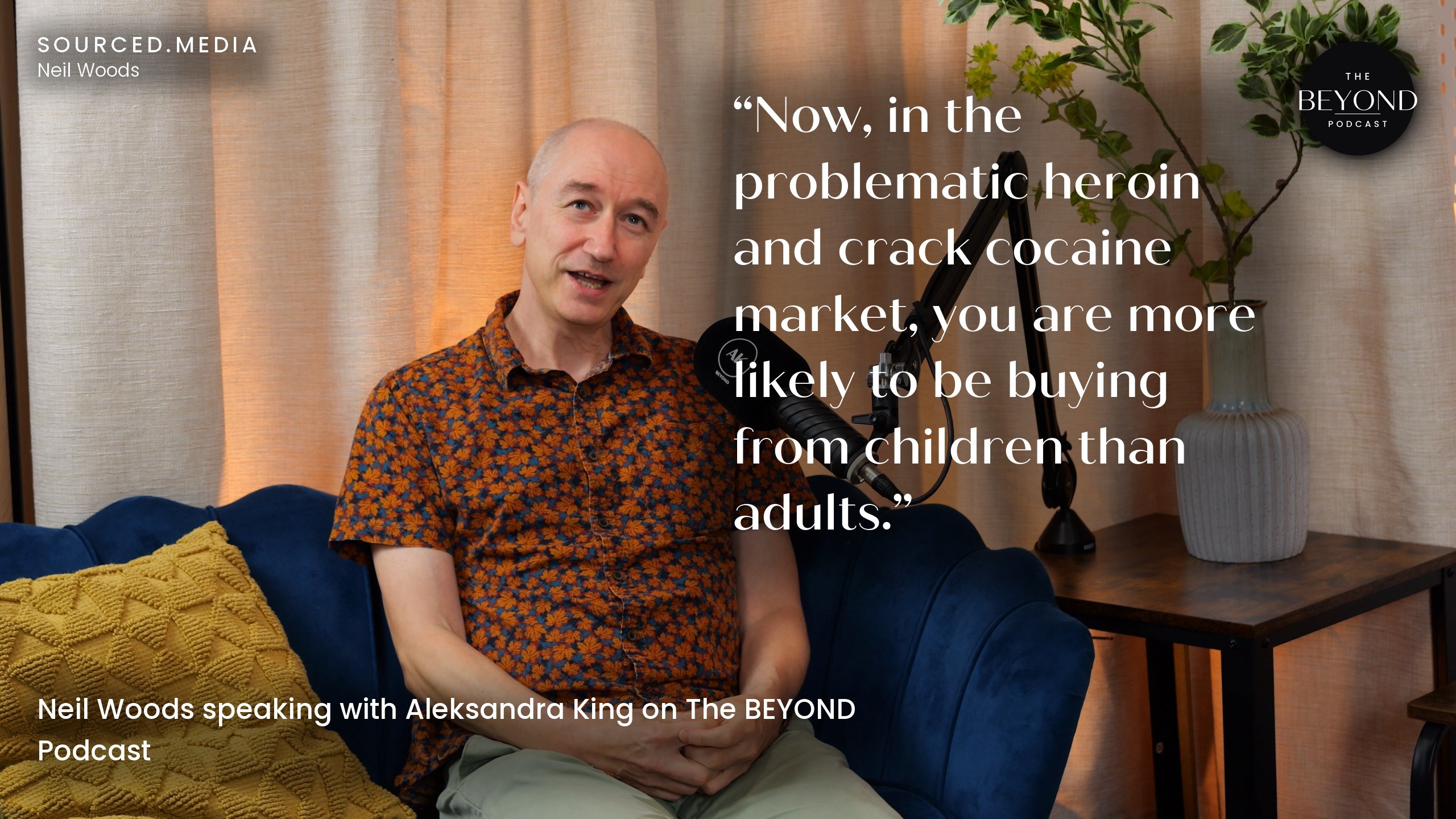 “Now, in the problematic heroin and crack cocaine market, you are more likely to be buying from children than adults.” Neil Woods, former undercover police officer and author of Good Cop, Bad War
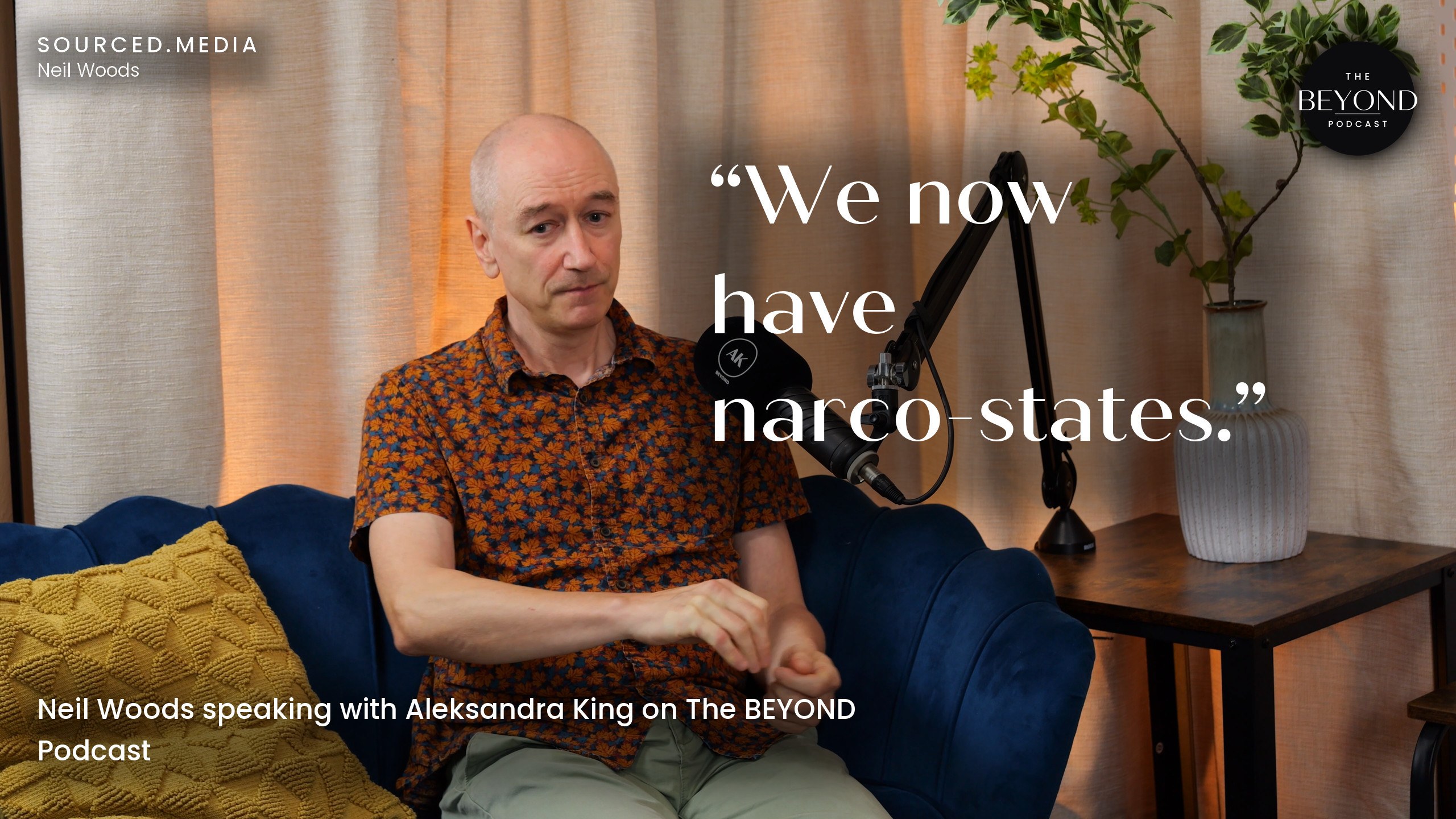 “We now have narco-states.” Neil Woods, former undercover police officer and author of Good Cop, Bad War
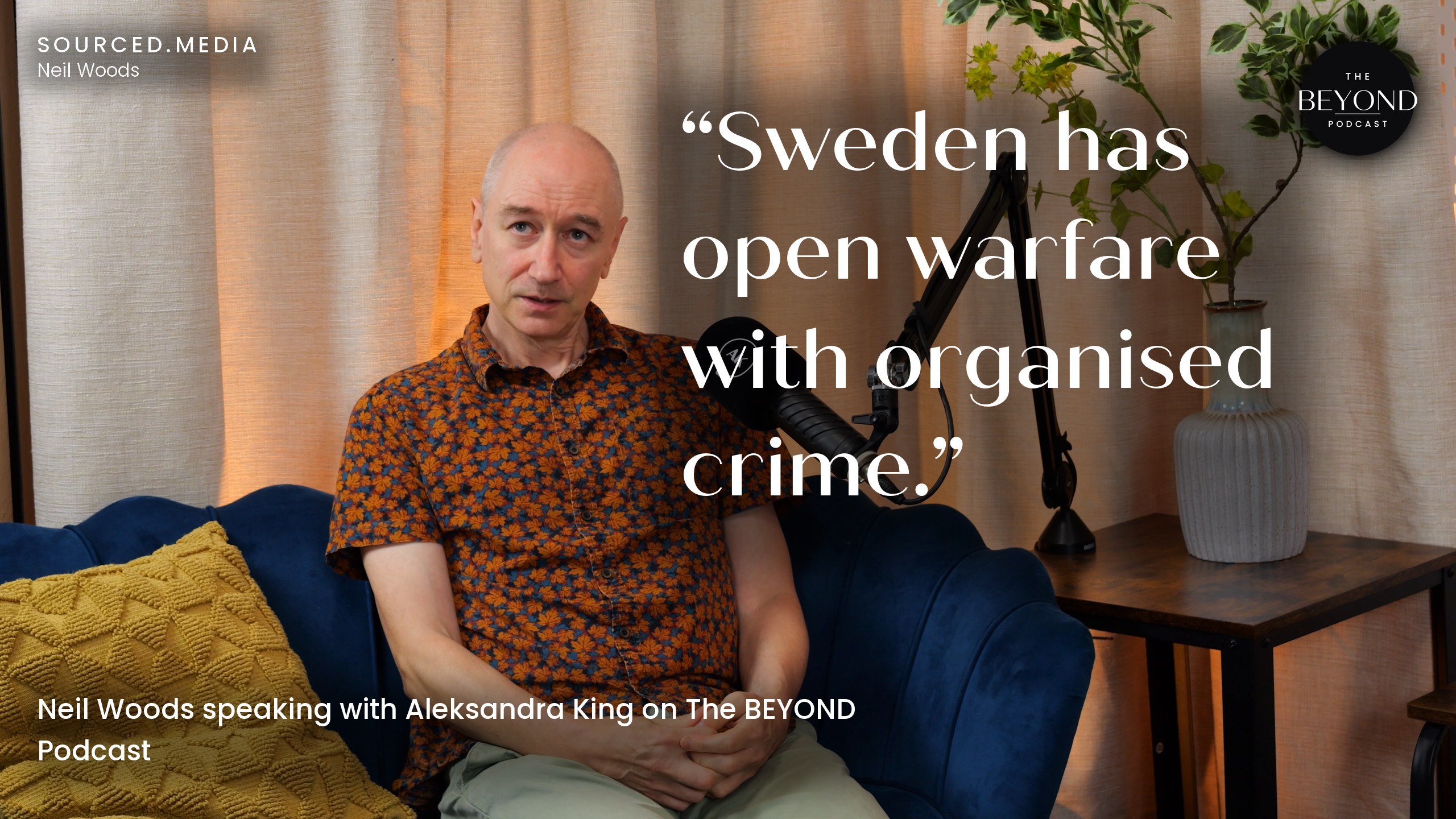 “Sweden has open warfare with organised crime.” Neil Woods, former undercover police officer and author of Good Cop, Bad War
Audio
See all 6 audio filesListen
Lara Morgan: Building Pacific Direct to a £20M Exit
The player loads when pressed.
- 13:02
Neil Woods, in conversation with Aleksandra King on The BEYOND Podcast
- 13:55
Lara Morgan, in conversation with Aleksandra King on The BEYOND Podcast
- 14:53
Derrick McManus, in conversation with Aleksandra King on The BEYOND Podcast
- 9:07
Lewis Raymond Taylor, in conversation with Aleksandra King on The BEYOND Podcast
- 12:59
Andrew Jenkins, in conversation with Aleksandra King on The BEYOND Podcast
- 6:23
Robin Dunbar, in conversation with Aleksandra King on The BEYOND Podcast